Nicotine Withdrawal Symptoms: What to Expect in 2026
Nicotine withdrawal symptoms are the physical and neuropsychiatric effects that occur when a person who is dependent on nicotine abruptly reduces or stops their intake, and they are produced by a well-understood neurochemical deficit in the brain’s dopamine, norepinephrine, and serotonin systems. Understanding what each symptom is, why it happens at the receptor level, and how long it is likely to last is the practical knowledge that separates a manageable quit attempt from one that ends in relapse within the first week.
According to the Centers for Disease Control and Prevention (CDC), approximately 34 million American adults smoke cigarettes, and the vast majority of those who attempt to quit without support relapse within the first week, with nicotine withdrawal symptoms cited as the primary reason. The neurobiological basis for this difficulty is real and measurable, not a matter of willpower.
This article covers every clinically recognized nicotine withdrawal symptom with the physiological explanation of why it occurs, how the symptom pattern changes from day one through post-acute recovery, which symptoms differ by age, sex, and pre-existing health conditions, and when any symptom crosses the line from uncomfortable but manageable into territory that warrants same-day medical evaluation.
If you are in crisis or experiencing thoughts of self-harm or suicide, contact the 988 Suicide and Crisis Lifeline by calling or texting 988 at any time. This service is free, confidential, and available 24 hours a day, 7 days a week.
Nicotine Withdrawal Symptoms: What Is Actually Happening in Your Brain
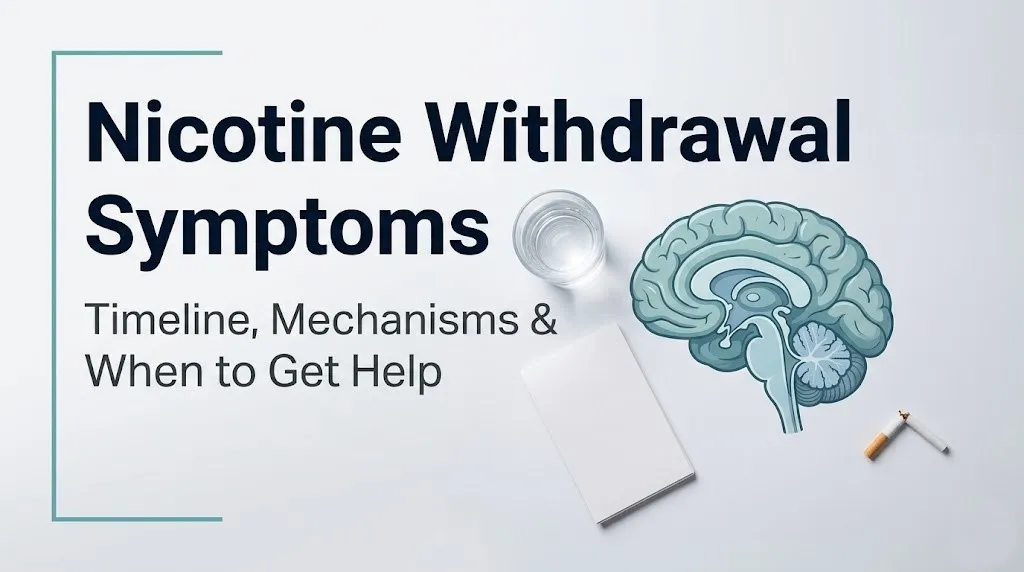
Nicotine withdrawal symptoms are produced by the sudden absence of nicotine stimulation at upregulated nicotinic acetylcholine receptors (nAChRs) throughout the brain, creating a state of neurochemical deficit that the body must gradually correct.
During chronic nicotine use, the brain responds to continuous receptor stimulation by increasing the number and sensitivity of nAChRs, a process called receptor upregulation. This is the brain’s attempt to maintain normal function in the presence of an external chemical that keeps flooding its receptors. The result is a state of adjusted equilibrium: the brain is functioning normally, but only because nicotine is present.
Remove the nicotine, and those upregulated receptors have no ligand to bind. The mesolimbic dopamine system, which runs from the ventral tegmental area to the nucleus accumbens, drops its dopamine output sharply. Dopamine is the neurotransmitter most associated with reward, motivation, and satisfaction. Its sudden deficit is the primary reason quitting feels emotionally painful, not just physically uncomfortable.
Think of the brain’s dopamine system like a river that has been dammed upstream. When nicotine was present, it kept water flowing steadily over the dam. The moment nicotine is removed, the dam is still there (those upregulated receptors), but the upstream supply has cut off. The riverbed downstream runs dry. Every symptom of withdrawal, from craving and irritability to depression and brain fog, is that dry riverbed struggling to refill through its own slow, natural means.
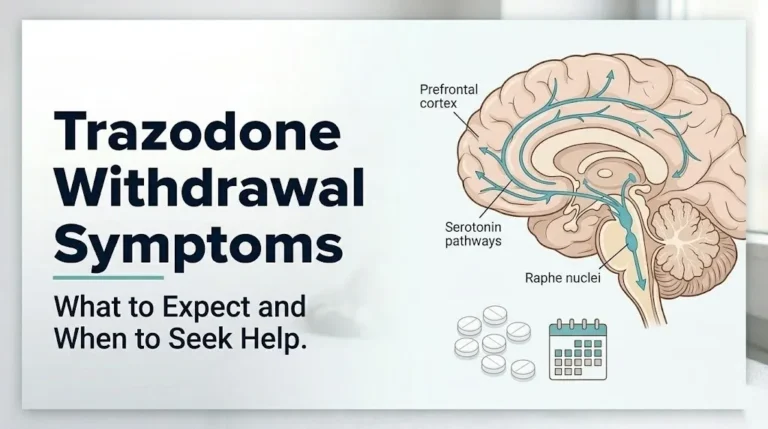
The noradrenergic system, centered in the locus coeruleus, also loses its nicotine-mediated regulation and becomes hyperactive, contributing to anxiety, restlessness, elevated heart rate, and sweating. The serotonergic system, originating in the dorsal raphe nucleus, loses nicotine-driven stimulation and produces the low mood, sleep disruption, and irritability that characterize the first two weeks of cessation.
What Is Nicotine Withdrawal and How Does It Work
Nicotine withdrawal is the physiological and neuropsychiatric syndrome that follows cessation or reduction of nicotine intake in a person with nicotine dependence, driven by the brain’s attempt to restore neurochemical balance without its usual external stimulus.
Nicotine is absorbed rapidly through the lungs (cigarettes), oral mucosa (chewing tobacco), nasal mucosa (snuff), and skin (patches). It reaches the brain within 10 to 20 seconds of inhalation. Once there, it binds directly to nAChRs, triggering release of dopamine in the nucleus accumbens (producing reward and reinforcement), norepinephrine in the locus coeruleus (producing alertness), and serotonin in the dorsal raphe (producing mood stabilization). This multi-neurotransmitter effect explains why nicotine feels simultaneously calming and alerting, a pharmacological paradox produced by stimulating different receptor populations at once.
According to the National Institute on Drug Abuse (NIDA), nicotine is one of the most addictive substances known, with dependence developing in some individuals after only a few weeks of regular use. The speed of addiction development correlates with the delivery route: smoked nicotine is the fastest and most addictive, vaped nicotine is close behind, and oral or transdermal forms produce slower but still meaningful dependence.
The alpha-4 beta-2 nAChR subtype is the predominant receptor involved in nicotine dependence. Research published in the journal Nicotine and Tobacco Research has identified this subtype as the primary mediator of nicotine’s rewarding effects, and its upregulation during chronic exposure is the central anatomical event that makes withdrawal neurobiologically inevitable once someone with established dependence stops using nicotine.
For people who vape, the withdrawal syndrome is clinically similar to cigarette withdrawal because the primary addictive agent is the same. The delivery device and flavorings differ; the neurobiological mechanism does not.
DSM-5 Criteria for Nicotine Withdrawal
The Diagnostic and Statistical Manual of Mental Disorders, Fifth Edition (DSM-5) defines nicotine withdrawal as a diagnosable clinical syndrome (code 292.0; ICD-10: F17.203) requiring the presence of specific criteria, not just discomfort after quitting.
To meet DSM-5 diagnostic criteria, a person must have used tobacco daily for at least several weeks and must then abruptly cease or reduce nicotine intake. Within 24 hours of cessation or reduction, they must experience four or more of the following symptoms:
- Irritability, frustration, or anger
- Anxiety
- Difficulty concentrating
- Increased appetite or weight gain
- Restlessness
- Depressed mood
- Insomnia
Additionally, the DSM-5 specifies that these symptoms must cause clinically meaningful distress or impairment in social, occupational, or other areas of functioning, and they must not be better explained by another medical condition or mental disorder.
This formal diagnostic framing matters for readers for one practical reason: it confirms that what they are experiencing is a recognized medical syndrome, not a personal failing or character weakness. The criteria exist in the DSM-5 precisely because the suffering is real, measurable, and consistent enough across millions of people to warrant clinical classification.
According to the American Psychiatric Association, the authors of the DSM-5, the severity of withdrawal varies considerably based on degree of dependence, method of cessation (cold turkey vs. tapering vs. pharmacological support), and individual neurobiological factors including genetic variation in nAChR subunit composition.
People who smoked more than one pack per day for more than 10 years typically experience more severe and prolonged withdrawal than light or occasional smokers. Scoring 7 or above on the Fagerström Test for Nicotine Dependence (FTND) indicates high physical dependence and is associated with more intense withdrawal requiring professional support to manage effectively.
Physical Symptoms of Nicotine Withdrawal
Physical symptoms of nicotine withdrawal include headache, increased appetite, gastrointestinal changes, chest tightness, increased cough, dizziness, mouth sores, and sweating, each produced by a specific physiological mechanism.
Headache is one of the earliest and most reported physical symptoms, typically beginning within 3 to 6 hours of the last nicotine dose. Nicotine causes cerebral vasoconstriction (narrowing of blood vessels supplying the brain). When nicotine is removed, those vessels dilate, producing a rebound vasodilation headache similar in mechanism to a caffeine withdrawal headache. This headache typically peaks at 48 hours and resolves within 3 to 7 days as vascular tone normalizes.
Increased appetite and weight gain affect the majority of people who quit smoking. Nicotine suppresses appetite through multiple mechanisms: it raises resting metabolic rate by approximately 200 calories per day, suppresses the appetite-stimulating hormone ghrelin, and blunts the sensitivity of the brain’s appetite regulation centers in the hypothalamus. When nicotine is removed, ghrelin rises, leptin signaling is transiently disrupted, and the metabolic rate drops toward baseline. The CDC reports that the average weight gain after smoking cessation is 5 to 10 pounds within the first year, with most gain occurring in the first 3 months.
| Physical Symptom | Physiological Mechanism | Typical Onset | Typical Duration |
|---|---|---|---|
| Headache | Rebound cerebral vasodilation | 3-6 hours | 3-7 days |
| Increased appetite | Ghrelin rise; metabolic rate decrease; hypothalamic disinhibition | 24-48 hours | Weeks to months |
| Constipation | Reduced colonic motility (nicotine normally accelerates gut transit via nAChRs in enteric nervous system) | 2-5 days | 2-4 weeks |
| Chest tightness | Airway inflammation, mucus redistribution; anxiety-mediated muscle tension | 1-3 days | 1-2 weeks |
| Increased cough | Cilia recovery: respiratory cilia, suppressed by smoke, begin clearing mucus more actively | 3-7 days | Up to 4 weeks |
| Dizziness | Improved oxygen delivery to brain as carbon monoxide clears from hemoglobin | 1-3 days | Days |
| Sweating | Autonomic rebalancing from noradrenergic system normalization | 1-5 days | 1-2 weeks |
| Mouth sores | Oral mucosal changes as tissue begins recovering from chemical irritation | 3-10 days | 1-2 weeks |
Adolescents who quit may experience more pronounced gastrointestinal symptoms because nicotine’s stimulatory effect on the enteric nervous system is more abruptly withdrawn in younger users who have had shorter but intense exposure periods.
Psychological Symptoms of Nicotine Withdrawal
The psychological symptoms of nicotine withdrawal are produced by measurable neurochemical deficits across the dopaminergic, noradrenergic, and serotonergic systems, and they are typically more distressing to most people than the physical symptoms.
The core neuropsychiatric withdrawal symptoms include: irritability, anxiety, depression, difficulty concentrating, restlessness, and intense craving. These are not vague emotional responses. They are the direct clinical result of the dopamine, norepinephrine, and serotonin deficits described in the first two sections, playing out in the parts of the brain that govern emotion, attention, and impulse control.
Restlessness is produced by noradrenergic hyperactivity from the locus coeruleus. Without nicotine’s modulating effect, the locus coeruleus fires more erratically, sending elevated norepinephrine signals to the prefrontal cortex and the limbic system. The result is a persistent feeling of agitation, the inability to sit still, and difficulty finding calm in activities that would normally provide it.
According to a research review published in Addiction, psychological withdrawal symptoms typically begin within 6 to 24 hours of cessation, peak in intensity between 48 and 72 hours, and then gradually decline over 2 to 4 weeks in most people. The important qualifier is “most people.” In individuals with pre-existing anxiety disorders or mood disorders, psychological symptoms can be both more severe and more prolonged than this general timeline suggests.
Key psychological symptoms and their severity range:
- Irritability: ranges from mild edginess to explosive anger disproportionate to external triggers
- Anxiety: ranges from general unease to full panic attacks in vulnerable individuals
- Depressed mood: ranges from emotional flatness to clinical depression meeting DSM-5 criteria
- Difficulty concentrating: ranges from mild mental sluggishness to inability to complete work tasks
- Restlessness: ranges from mild fidgeting to severe agitation that disrupts sleep
- Craving: ranges from intermittent urges to intense, near-constant preoccupation with nicotine
Females who quit smoking consistently report higher levels of negative affect (irritability, anxiety, depression) during withdrawal than males in the same cessation attempt, according to research published in the American Journal of Psychiatry. This sex-based difference is linked to estrogen’s modulatory effect on dopamine receptor sensitivity, which makes the dopaminergic deficit of withdrawal feel more acute during phases of low estrogen, including the late luteal phase of the menstrual cycle.
Key Takeaway: The psychological symptoms of nicotine withdrawal are not emotional weakness. They are the direct neurochemical result of dopamine, norepinephrine, and serotonin deficits in specific brain systems. They peak at 48 to 72 hours and typically improve substantially within 2 to 4 weeks.
Nicotine Withdrawal Cravings and the Brain
Nicotine cravings during withdrawal are neurologically driven urges produced by the mesolimbic dopamine pathway’s demand for the reward signal it has been conditioned to receive from nicotine stimulation of the nucleus accumbens.
A craving is not merely a psychological desire. It is a neurobiological event: the nucleus accumbens, primed by thousands of previous nicotine exposures to expect a dopamine surge at certain times (after meals, during stress, with coffee, when socializing), sends a strong motivational signal to the prefrontal cortex to obtain nicotine. When that signal goes unanswered, the feeling is experienced as urgent, distressing, and consuming.
Research published in Nicotine and Tobacco Research has found that a typical craving lasts 3 to 5 minutes in duration regardless of whether the person uses nicotine. This is an important clinical fact: cravings feel permanent and escalating in the moment, but they are time-limited events. Their peak intensity typically occurs between days 2 and 5 of cessation, then gradually reduces in both frequency and intensity over the following weeks.
Cue-induced cravings are physiologically distinct from baseline cravings. When a person encounters an environmental or behavioral cue strongly associated with past nicotine use (seeing an ashtray, smelling cigarette smoke, holding a coffee cup, experiencing a specific emotion), the visual or sensory stimulus activates the amygdala and hippocampus (memory and emotional processing centers), which then excite the nucleus accumbens through established neural circuits. This pathway can trigger cravings months or years after cessation, which explains why triggers remain powerful long after the acute withdrawal phase ends.
Quick Tip:
- An individual craving typically lasts 3 to 5 minutes; structured delay of 5 minutes reduces the likelihood of acting on it substantially
- Physical activity transiently raises dopamine and norepinephrine in the nucleus accumbens and prefrontal cortex, partially mimicking the neurochemical state nicotine produced
- People with a longer smoking history (more than 15 years) have more deeply conditioned cue-craving circuits and typically report stronger and more persistent cue-triggered cravings than shorter-term smokers
Nicotine Withdrawal Anxiety and Irritability
Nicotine withdrawal anxiety and irritability are produced by noradrenergic hyperactivity in the autonomic nervous system and the loss of nicotine’s direct anxiolytic (anxiety-reducing) effect at alpha-4 beta-2 nAChRs in the brain’s stress-regulatory circuits.
Nicotine acutely reduces anxiety through two mechanisms. First, it directly stimulates nAChRs in the prefrontal cortex, which modulate the amygdala’s (the brain’s primary threat-detection center) reactivity to stressors. Second, it transiently increases serotonin and dopamine in limbic circuits, producing a calming effect that regular smokers often describe as “settling their nerves.” When nicotine is removed, both mechanisms are lost simultaneously.
The locus coeruleus, deprived of nicotine’s tonic restraint, fires more erratically and at higher baseline rates. Elevated norepinephrine release into the cerebral cortex produces hypervigilance, an exaggerated startle response, difficulty relaxing, and a pervasive sense of unease that many people describe as feeling “on edge” or “wired but exhausted.” This state is neurologically indistinguishable from the early signs of a generalized anxiety disorder episode, which is why many people who quit smoking temporarily cannot tell whether their anxiety is a withdrawal symptom or the emergence of a pre-existing condition.
According to a study published in JAMA Internal Medicine, people who quit smoking show a measurable reduction in anxiety, depression, and stress at 6 weeks post-cessation compared to continuing smokers, despite experiencing elevated anxiety during the acute withdrawal period. This finding suggests that the anxiety experienced during smoking is partly nicotine-withdrawal-driven (from declining blood nicotine levels between cigarettes), and that cessation ultimately reduces baseline anxiety once the acute withdrawal phase resolves.
Irritability during withdrawal reflects the same noradrenergic dysregulation but with a behavioral output. The prefrontal cortex, which normally provides impulse control and emotional regulation, is receiving disrupted signals and has reduced access to dopamine for executive function. The result is a lower threshold for frustration, shorter emotional fuse, and reactivity that feels disproportionate even to the person experiencing it.
People with a pre-existing anxiety disorder, particularly generalized anxiety disorder (GAD) or panic disorder, are at elevated risk for symptom exacerbation during the acute withdrawal period and should discuss cessation planning with a board-certified psychiatrist or their primary care physician before a quit attempt to ensure appropriate symptom management is in place.
Nicotine Withdrawal Depression and Mood Changes
Nicotine withdrawal depression occurs when the dopaminergic and serotonergic deficits of cessation are severe enough to produce a clinical depressive syndrome, not merely transient sadness.
The mood changes of withdrawal exist on a spectrum. At the mild end: emotional flatness, reduced motivation, loss of interest in normally enjoyable activities, and a generalized sense of joylessness. These reflect the dopamine deficit in the mesolimbic pathway. At the moderate end: persistent low mood lasting more than two weeks, social withdrawal, appetite changes, and fatigue. At the severe end: a full major depressive episode meeting DSM-5 criteria, including persistent depressed mood, anhedonia (inability to feel pleasure), sleep disturbance, fatigue, feelings of worthlessness, and in the most serious cases, suicidal ideation.
Research published in the British Journal of Psychiatry found that approximately 25% of individuals who have a history of major depressive disorder experience a recurrence of depressive symptoms during nicotine cessation. For individuals with no prior psychiatric history, the rate of new-onset clinical depression during the first month of cessation is considerably lower but not negligible.
Anhedonia (the inability to feel pleasure) deserves specific attention because it is the symptom most often misinterpreted as a reason to return to smoking. The person feels that nothing is enjoyable anymore, cigarettes (or vaping) used to feel good, and quitting has made life feel empty. That perception is pharmacologically accurate in the short term: dopamine in the nucleus accumbens is genuinely depleted during acute withdrawal. The anhedonia is real. It is also temporary, resolving as the dopaminergic system gradually resets, but the timeline (2 to 6 weeks) is long enough that many people relapse before the resolution arrives.
Postmenopausal women are at elevated risk for depression during nicotine withdrawal because declining estrogen levels reduce the sensitivity of serotonin receptors in the prefrontal cortex and limbic system, creating an additive vulnerability when nicotine’s serotonergic stimulation is also removed. A primary care physician or gynecologist should be involved in cessation planning for women in perimenopause or postmenopause who have a personal or family history of depression.
Key Takeaway: Anhedonia during nicotine withdrawal (the flat, joyless feeling) is produced by measurable dopamine deficit in the mesolimbic system, not by the absence of cigarettes being meaningful. It resolves as the dopaminergic system resets over 2 to 6 weeks, but its intensity is the most common reason people relapse before reaching that threshold.
Nicotine Withdrawal Insomnia and Sleep Disruption
Nicotine withdrawal insomnia is produced by the combined effects of serotonin deficit (which disrupts sleep architecture), noradrenergic hyperactivity (which maintains a heightened arousal state), and a rebound increase in REM sleep that follows chronic nicotine suppression of rapid eye movement cycles.
Nicotine is a stimulant. Regular smokers who use nicotine close to bedtime have objectively shorter total sleep time, reduced sleep efficiency, and suppressed REM sleep compared to non-smokers, according to sleep architecture studies published in Nicotine and Tobacco Research. These smokers are often unaware that their sleep is poor, because the pattern becomes their normal baseline.
When nicotine is removed, three things happen to sleep simultaneously. First, the REM rebound effect produces intensely vivid and emotionally disturbing dreams during the first 1 to 3 weeks, because REM sleep, previously suppressed by nicotine’s stimulant action on the arousal systems, is now freed to express itself fully. Second, the noradrenergic hyperactivity of the locus coeruleus makes it harder to fall asleep and harder to stay in deeper non-REM stages. Third, the serotonin deficit reduces the normal sleep-promoting signaling from the dorsal raphe nucleus to the sleep-regulatory centers of the hypothalamus.
The net result is difficulty falling asleep, frequent nighttime waking, early morning awakening, and daytime fatigue during the first 1 to 4 weeks of cessation. This pattern typically improves substantially by weeks 3 to 4 as noradrenergic tone normalizes and serotonin levels begin to recover.
To describe sleep disruption to a primary care physician or sleep medicine specialist during a withdrawal-related appointment:
- Record the specific pattern: difficulty initiating sleep (sleep onset insomnia), difficulty maintaining sleep (sleep maintenance insomnia), or early awakening
- Note whether vivid or disturbing dreams are occurring, and at what point in the night
- Record how many days since nicotine cessation the sleep problem began
- Document daytime functioning impact: concentration, mood, accident risk, work performance
- Note any pre-existing sleep conditions, including sleep apnea or restless leg syndrome, which may be unmasked or worsened by withdrawal-related sleep disruption
Older adults are at elevated risk for clinically impactful insomnia during withdrawal because age-related changes in sleep architecture (reduced deep non-REM stages, earlier morning awakening) are compounded by the withdrawal-driven disruption, producing a more severe total sleep disruption than younger quitters typically experience.
Nicotine Withdrawal Brain Fog and Concentration Problems
Nicotine withdrawal brain fog is the clinical term for the difficulty concentrating, slowed processing speed, working memory impairment, and mental fatigue that occur when the prefrontal cortex loses nicotine’s cholinergic and dopaminergic stimulation.
Nicotine acutely improves specific cognitive functions through direct stimulation of nAChRs in the prefrontal cortex: sustained attention, working memory, and processing speed all show measurable acute improvements after nicotine administration in dependent smokers. This cognitive enhancement is real on short-term testing but represents a restoration to the smoker’s own previously adjusted neurochemical baseline rather than true enhancement above a non-smoker’s level.
When nicotine is removed, the prefrontal cortex operates with reduced dopaminergic and cholinergic input. Dopamine in the prefrontal cortex is required for working memory (holding and manipulating information in real time). Acetylcholine, via nAChRs in the prefrontal cortex, modulates attention filtering (the brain’s ability to focus on relevant signals and ignore irrelevant ones). When both neurotransmitters are reduced, the result is cognitive sluggishness: trouble finding words, difficulty sustaining attention on tasks, slowed reaction time, and a pervasive sense of mental “thickness” that many people describe as not feeling like themselves.
According to a study published in Psychopharmacology, cognitive deficits during nicotine withdrawal are most measurable between days 1 and 14 of cessation and gradually improve over 4 to 12 weeks as the dopaminergic and cholinergic systems readjust to functioning without exogenous nicotine stimulation.
Brain fog during nicotine withdrawal is often underestimated as a driver of relapse in working adults. A person who notices their work performance declining, their error rate rising, or their ability to manage complex tasks decreasing in the first week of cessation is experiencing a real, physiologically grounded impairment, not imagining things. Scheduling cognitively demanding work tasks for early morning (when cortisol naturally peaks and provides some compensatory cognitive activation) and avoiding scheduling major decisions during the first two weeks can be a practical strategy for managing this period.
Individuals with attention deficit hyperactivity disorder (ADHD) are at particularly high risk for severe cognitive withdrawal symptoms because their baseline dopaminergic function in the prefrontal cortex is already reduced. Quitting nicotine removes a neurochemically active coping mechanism for their ADHD symptoms. These individuals should work with a psychiatrist or a primary care physician who manages their ADHD to plan cessation timing and support.
Nicotine Withdrawal Timeline and Peak Symptoms
The nicotine withdrawal timeline follows a predictable sequence with identifiable peaks for physical symptoms, neuropsychiatric symptoms, and craving intensity, though individual variation is considerable.
Hours 1 to 6: The first symptoms appear within 30 minutes to 6 hours of the last nicotine dose in heavily dependent individuals. Early symptoms include irritability, mild anxiety, and the beginning of cravings. Headache typically begins in this window from rebound cerebral vasodilation.
Hours 6 to 24: Cravings intensify. Difficulty concentrating becomes noticeable. Irritability and restlessness increase. Appetite begins to rise as ghrelin levels climb.
Days 2 to 3 (peak of acute withdrawal): This is the most intense period for most people. Craving peaks. Irritability and anxiety are at their most pronounced. Insomnia is fully established. Headache may still be present. Depression and anhedonia become more noticeable as dopamine deficit deepens. For people who used more than 20 cigarettes per day, this peak can feel severe.
Days 4 to 7: Most physical symptoms begin to stabilize or improve. Headache typically resolves. Dizziness clears. Cough may temporarily increase as respiratory cilia become more active. Psychological symptoms remain elevated but may show the first signs of plateauing.
Weeks 2 to 4: Physical symptoms largely resolve for most people. Psychological symptoms (anxiety, depression, sleep disruption) continue to improve but can persist at moderate levels. Craving frequency decreases substantially but cue-triggered cravings remain.
| Time Period | Primary Symptoms | Symptom Direction |
|---|---|---|
| 0 to 6 hours | Irritability, early craving, headache onset | Rapidly increasing |
| 6 to 24 hours | Craving, anxiety, appetite increase | Increasing |
| Days 2 to 3 | All symptoms at peak intensity | Peak |
| Days 4 to 7 | Physical symptoms stabilizing; psychological ongoing | Plateau to early decline |
| Weeks 2 to 4 | Physical resolved; psychological improving | Declining |
| Month 2 and beyond | Cue-triggered craving; possible PAWS symptoms | Low level, episodic |
The Minnesota Nicotine Withdrawal Scale (MNWS) is a validated clinical tool used in research settings to quantify withdrawal severity across these dimensions. It measures craving, irritability, anxiety, depression, difficulty concentrating, restlessness, and increased appetite on a 4-point scale. In clinical practice, it is used to track withdrawal severity over time and can help identify individuals whose symptom burden warrants pharmacological support.
Key Takeaway: Nicotine withdrawal peaks at 48 to 72 hours. If you are at day 3 and feeling like the worst is happening, that assessment is physiologically accurate. The acute peak is real and temporary. The majority of people experience substantial improvement by the end of week 2.
Post-Acute Nicotine Withdrawal Syndrome
Post-acute nicotine withdrawal syndrome (PAWS) refers to the cluster of persistent low-grade symptoms that continue beyond the resolution of acute withdrawal, sometimes lasting weeks to months, and is the primary neurobiological driver of late relapse in people who have successfully passed the initial acute phase.
PAWS is not a formal DSM-5 diagnosis for nicotine specifically, but it is a clinically recognized and well-documented phenomenon. Its existence reflects the fact that nAChR receptor downregulation (the gradual reduction in upregulated receptor numbers back to pre-dependence baseline levels) is a slow process that takes weeks to months, not days. Until the receptor population normalizes, the neurochemical systems that depended on nicotine stimulation continue to function below their optimal baseline.
The symptoms of PAWS are subtler than acute withdrawal but clinically meaningful:
- Intermittent craving that feels unexpectedly intense, triggered by specific cues
- Persistent mild cognitive fog, especially difficulty with attention and working memory
- Emotional dysregulation: low frustration tolerance, emotional sensitivity
- Periodic sleep disturbances without clear cause
- A general sense of reduced enjoyment of activities that are normally rewarding
- Periods of feeling “off” or not quite oneself without an identifiable cause
SAMHSA (the Substance Abuse and Mental Health Services Administration) notes that PAWS is a recognized contributor to late relapse across multiple substance use disorders, and that education about its existence is itself a relapse-prevention tool. People who know that a sudden wave of craving at month 2 or 3 is a PAWS symptom, not evidence that they cannot live without nicotine, are better positioned to wait it out.
PAWS symptoms in people with a history of depression or anxiety disorders can be particularly difficult to distinguish from a recurrence of the underlying psychiatric condition. A board-certified psychiatrist is the appropriate specialist to evaluate persistent mood or anxiety symptoms beyond 4 weeks of cessation, to determine whether the picture represents PAWS, a genuine psychiatric recurrence, or both simultaneously.
Nicotine Withdrawal in Pregnant Women and Adolescents
Nicotine withdrawal presents with specific clinical considerations in pregnant women and adolescents that make standard adult guidance inadequate for these populations.
In pregnant women, nicotine withdrawal symptoms overlap substantially with the physical and mood symptoms of pregnancy itself: nausea, fatigue, mood changes, sleep disruption, and appetite changes can be produced by both pregnancy physiology and nicotine cessation simultaneously. This overlap makes self-assessment of withdrawal severity particularly unreliable during pregnancy. The American College of Obstetricians and Gynecologists (ACOG) recommends that all pregnant women who smoke be offered cessation support, but also notes that nicotine replacement therapy and cessation medications require individualized risk-benefit evaluation with an obstetrician-gynecologist, because fetal exposure to nicotine (even from NRT) carries risks, though these risks are lower than the documented risks of continued smoking.
The depression component of nicotine withdrawal deserves particular attention in pregnant women because perinatal depression is already the most undertreated mental health condition in pregnancy, affecting approximately 1 in 7 pregnant women according to the American Psychological Association. Nicotine withdrawal-associated depression during pregnancy can worsen a pre-existing perinatal mood disorder or trigger a new episode. Pregnant women experiencing depressed mood beyond the first week of cessation should discuss this specifically with their obstetrician-gynecologist, who should evaluate whether a referral to a perinatal psychiatrist is appropriate.
In adolescents, the neurobiological picture is clinically distinct for one important reason: the adolescent brain is still actively developing its prefrontal cortex and dopaminergic signaling systems. Nicotine dependence develops faster in adolescents than in adults because their nAChRs are more plastic and responsive to upregulation. The withdrawal syndrome in adolescents shows the same symptom pattern as adults but with several differences. Irritability and anger are often more externally expressed rather than internalized. Concentration deficits during withdrawal may appear as a sudden worsening of academic performance that parents and teachers mistake for behavioral issues rather than recognizing as a cessation symptom. Adolescents also have less developed emotional regulation capacity to cope with the affective symptoms of withdrawal, making behavioral support (counseling, quitline, peer support) particularly important alongside any pharmacological approach.
A pediatrician or adolescent medicine specialist should be involved in any pharmacological cessation support for adolescents, as most cessation medications have not been extensively studied in populations under 18.
Nicotine Withdrawal With Pre-Existing Psychiatric Conditions
People with pre-existing psychiatric conditions experience nicotine withdrawal differently and more severely than the general population, and they face a substantially higher risk of both symptom exacerbation and relapse.
Individuals with major depressive disorder (MDD) are approximately twice as likely to smoke as people without MDD, according to data from the National Comorbidities Survey. The neurobiological explanation is that nicotine’s dopaminergic and serotonergic effects partially compensate for the same neurochemical deficits that underlie depression. Removing nicotine therefore deepens those deficits in a system that was already compromised. A 2019 study in JAMA Psychiatry found that people with MDD who quit smoking without psychiatric support had a significantly higher rate of depressive relapse in the first 8 weeks of cessation compared to those who received concurrent mental health support.
People with schizophrenia have among the highest smoking rates of any clinical population, estimated at 60 to 80% by NIDA, far exceeding the general population rate. Self-medication of dopaminergic deficits and the management of antipsychotic medication side effects through nicotine’s stimulant effects appear to be primary drivers. Nicotine withdrawal in people with schizophrenia can temporarily worsen psychotic symptoms and increase the distress associated with antipsychotic medications (particularly extrapyramidal side effects). Cessation in this population requires coordination between the patient’s psychiatrist and any cessation support provider.
Individuals with bipolar disorder are at elevated risk for mood episode triggering during cessation, with both manic and depressive episode risk increased in the first month of a quit attempt. The mood instability of bipolar disorder and the mood disruption of nicotine withdrawal can amplify each other in unpredictable ways.
Key information to bring to a psychiatric or primary care appointment when planning cessation with a pre-existing condition:
- Full list of current psychiatric medications (some interact with cessation pharmacotherapy)
- History of any prior cessation attempts and what psychiatric symptoms occurred
- Current mood rating on a simple 1-to-10 scale and how it has changed since cessation began
- Any history of suicidal ideation or suicide attempts
People in any of these groups should not attempt an unassisted cold-turkey cessation. A board-certified psychiatrist working in collaboration with an addiction medicine specialist is the appropriate care team for managing cessation in anyone with a significant pre-existing psychiatric condition.
Key Takeaway: People with major depressive disorder, bipolar disorder, or schizophrenia face substantially elevated risks of psychiatric symptom exacerbation during nicotine withdrawal and should not attempt cessation without coordinated support from a psychiatrist and addiction medicine specialist.
Severe Nicotine Withdrawal Symptoms and Warning Signs
Severe nicotine withdrawal symptoms go beyond the uncomfortable but manageable spectrum and include psychiatric crises, cardiovascular events, and symptom intensities that require immediate evaluation rather than home management.
The most clinically serious complication of nicotine withdrawal is severe depression with suicidal ideation. This is not a theoretical risk. The FDA has issued documented pharmacovigilance guidance on suicidal ideation as a complication of nicotine cessation and associated pharmacotherapy, particularly varenicline. However, suicidal ideation can occur during unassisted withdrawal as well, particularly in individuals with pre-existing mood disorders or a history of suicidal behavior.
Warning signs that nicotine withdrawal has crossed into a medically serious presentation:
- Persistent thoughts of death, self-harm, or suicide at any intensity
- New-onset psychotic symptoms: hallucinations, paranoid beliefs, disorganized thinking
- Severe panic attacks with inability to function or fear of dying
- Chest pain with pressure, radiation to the arm or jaw, or shortness of breath (which can represent cardiac events unmasked by nicotine cessation’s effect on cardiovascular physiology)
- Severe insomnia (less than 2 hours of sleep per night for more than 3 consecutive nights) producing inability to function safely
- Complete inability to eat or drink due to nausea or anxiety for more than 24 hours
- Acute disorientation or confusion that was not present before cessation began
Nicotine cessation does produce measurable cardiovascular changes. Heart rate drops by approximately 10 to 20 beats per minute in the first days (a good outcome), and blood pressure begins normalizing. However, for individuals with underlying coronary artery disease, the reduction in nicotine-driven adrenergic stimulation can sometimes unmask previously masked cardiac symptoms. Chest pain or palpitations during withdrawal that are more than mild and fleeting warrant evaluation by an emergency medicine physician, not watchful waiting.
If you are in crisis or experiencing thoughts of self-harm or suicide, contact the 988 Suicide and Crisis Lifeline by calling or texting 988 at any time. This service is free, confidential, and available 24 hours a day, 7 days a week.
Emergency Symptoms: When to Call 911 or Go to the ER
Certain symptoms associated with nicotine withdrawal require immediate emergency evaluation. Do not wait to see if these resolve on their own.
Call 911 or go to the nearest emergency room immediately if you experience:
- Suicidal thoughts with a plan or intent, or any active self-harm behavior, because these represent a psychiatric emergency regardless of whether cessation is the precipitating factor
- Chest pain with pressure, heaviness, radiation to the left arm or jaw, or accompanied by shortness of breath, sweating, or nausea, because these symptoms can represent an acute myocardial infarction that must be distinguished from withdrawal-related chest discomfort by emergency evaluation
- Severe difficulty breathing or respiratory distress that is worsening rather than stable
- Sudden confusion, disorientation, or loss of consciousness, which are never explained by nicotine withdrawal alone and require immediate evaluation for another cause
- A full panic attack accompanied by chest pain, racing heart above 150 beats per minute, or loss of consciousness
- Psychotic symptoms (hearing voices, paranoid belief that you or others are in danger, visual hallucinations) that represent a break from baseline
These presentations can indicate acute myocardial infarction, hypertensive crisis, acute psychiatric emergency, or a serious medical condition unrelated to but coinciding with cessation, and they require emergency medical assessment, not an urgent care appointment or a phone call.
When to See a Doctor for Nicotine Withdrawal Symptoms
A person experiencing nicotine withdrawal symptoms should see a doctor when symptoms are severe enough to impair daily functioning, when psychiatric symptoms persist beyond two weeks, or when any warning sign from the section above is present.
The appropriate type of provider depends on which symptoms are prominent. For physical withdrawal symptoms (headache, gastrointestinal disruption, sleep problems) that are not resolving after two to three weeks, a primary care physician is the appropriate first point of contact. They can assess whether the symptom burden warrants pharmacological cessation support, confirm that physical symptoms are not reflecting an unrelated medical condition, and refer to specialist care if needed.
For psychiatric symptoms (depression, anxiety, severe mood instability) that are new in onset or represent a worsening of a known condition, a board-certified psychiatrist is the appropriate specialist. They can distinguish withdrawal-related mood symptoms from a true psychiatric episode, adjust any existing psychiatric medications that may be interacting with the withdrawal process, and recommend evidence-based approaches including cognitive behavioral therapy (CBT) for smoking cessation, which has Cochrane Review-supported evidence for improving quit rates when combined with pharmacological support.
For people who want structured support for cessation itself, the national tobacco quitline (1-800-QUIT-NOW) provides free, evidence-based telephone counseling from trained cessation specialists who understand the withdrawal symptom picture.
To prepare for a medical appointment about nicotine withdrawal symptoms:
- Record the specific symptoms you are experiencing and their severity on a scale of 1 to 10
- Note the date you stopped using nicotine and the quantity and type you were using beforehand
- List all current medications, because several interact with cessation pharmacotherapy
- Describe any prior quit attempts, how long they lasted, and what symptoms caused relapse
- Disclose any personal or family history of depression, anxiety, bipolar disorder, or substance use disorders
For adolescents, a pediatrician or adolescent medicine specialist is the appropriate first provider rather than a general adult medicine physician, because cessation medication dosing and behavioral support approaches differ meaningfully for patients under 18.
Frequently Asked Questions About Nicotine Withdrawal Symptoms
How long does nicotine withdrawal last?
Acute nicotine withdrawal typically peaks at 48 to 72 hours and resolves substantially within 2 to 4 weeks in most people.
Post-acute withdrawal symptoms, including intermittent cravings and mild mood dysregulation, can persist for weeks to months, particularly in people with a long or heavy smoking history.
People with pre-existing psychiatric conditions often experience a longer and more intense withdrawal period and should monitor symptoms with support from a primary care physician or psychiatrist.
What does nicotine withdrawal feel like physically?
Nicotine withdrawal produces headache, increased appetite, constipation, chest tightness, increased cough, dizziness, sweating, and mouth sores in varying combinations.
Headache typically begins within hours of cessation from rebound cerebral vasodilation and resolves within 3 to 7 days.
Most physical symptoms peak in the first 2 to 3 days and resolve within 2 to 4 weeks as the body readjusts its autonomic, gastrointestinal, and respiratory systems.
Is it normal to feel depressed when quitting smoking?
Depression during nicotine cessation is a recognized clinical symptom produced by the depletion of dopamine and serotonin in the mesolimbic and limbic systems when nicotine stimulation is removed.
Mild to moderate low mood lasting less than two weeks is within the expected withdrawal picture for most people.
Depression that persists beyond two weeks, significantly impairs functioning, or involves thoughts of self-harm requires evaluation by a primary care physician or board-certified psychiatrist, not continued home monitoring.
When are nicotine withdrawal symptoms the worst?
Nicotine withdrawal symptoms are typically at their worst between 48 and 72 hours after the last nicotine dose.
Craving, irritability, anxiety, insomnia, and difficulty concentrating all peak during this 48-to-72-hour window, then begin a gradual decline over the following 1 to 2 weeks.
Physical symptoms like headache often resolve before psychological symptoms, with mood and sleep disruption frequently lasting the longest.
Can nicotine withdrawal cause chest pain?
Nicotine withdrawal can produce chest tightness from a combination of airway inflammation, mucus redistribution in the lungs, and anxiety-mediated intercostal muscle tension.
This chest tightness is typically diffuse, mild to moderate, and not associated with exertion or radiation to the arm or jaw.
Chest pain that is pressure-like, radiates to the left arm or jaw, is accompanied by shortness of breath or sweating, or is severe requires immediate emergency evaluation by calling 911 or going to the nearest emergency room, because these features can indicate a cardiac event.
What are the signs that nicotine withdrawal is serious?
Nicotine withdrawal has crossed into serious territory when symptoms include suicidal ideation, severe depression lasting more than two weeks, panic attacks that prevent functioning, or psychotic symptoms.
Chest pain with pressure quality, radiation, or shortness of breath during withdrawal also requires emergency evaluation to rule out a cardiac event.
Any of these presentations warrants immediate contact with a primary care physician, emergency medicine physician, or in the case of suicidal ideation, the 988 Suicide and Crisis Lifeline by calling or texting 988.
Nicotine withdrawal is a neurobiologically grounded syndrome, not a test of character. Every symptom has a named mechanism in a named brain system, and every one of those mechanisms has a recovery trajectory.
The most important practical action at this stage is accurate symptom monitoring. Track what you are experiencing, when symptoms peak, and whether psychiatric symptoms are improving or worsening after the first two weeks. If they are worsening, that trajectory, not the presence of symptoms itself, is the signal that professional evaluation is warranted. Contact your primary care physician with a clear account of your cessation date, symptom pattern, and medication list, and ask directly about whether pharmacological support is appropriate for your situation.
You now have the specific information to tell the difference between the discomfort of a normally progressing withdrawal and the warning signs of something that needs same-day attention. Use it.