17 Symptoms of Complex PTSD: A Complete Clinical Guide 2026
The 17 symptoms of complex PTSD span six distinct clinical domains: re-experiencing trauma, emotional dysregulation, negative self-concept, disturbances in consciousness, distorted perceptions of the perpetrator, and interpersonal difficulties. Unlike standard post-traumatic stress disorder, complex PTSD develops specifically from prolonged, repeated, or inescapable trauma rather than a single traumatic event.
According to the World Health Organization’s ICD-11, published in 2019 and in effect since 2022, complex post-traumatic stress disorder (CPTSD) is recognized as a distinct diagnosis from PTSD for the first time in international classification history. Research published in Psychological Medicine by Cloitre and colleagues confirmed through confirmatory factor analysis across multiple national populations that the symptom structure of CPTSD is statistically distinct from standard PTSD, validating what trauma clinicians had observed for decades.
This guide covers all 17 symptoms with their specific neurobiological mechanisms, explains why each one develops from prolonged trauma exposure, addresses how symptoms present differently across age groups and biological sex, and provides specific guidance on when professional evaluation is not optional.
What Is Complex PTSD
Complex PTSD is a trauma-related psychiatric disorder that develops after prolonged, repeated, or inescapable traumatic exposure, typically involving situations where escape is impossible and another person exercises control.
The key word is prolonged. A single car accident or assault, however severe, typically produces standard PTSD. Months or years of captivity, childhood abuse, domestic violence, human trafficking, or repeated medical trauma produce a different and more pervasive pattern of psychological and neurobiological disruption.
The condition was first formally described by psychiatrist Judith Herman in her 1992 work Trauma and Recovery, where she proposed the term “complex PTSD” to capture a syndrome that went beyond the re-experiencing and avoidance symptoms of PTSD. Herman identified that prolonged trauma fundamentally disrupts the development or maintenance of a person’s sense of identity, relationships, and emotional regulation capacity.
Types of trauma associated with complex PTSD include:
- Childhood physical, sexual, or emotional abuse sustained over months or years
- Childhood neglect in caregiving relationships
- Domestic violence or intimate partner abuse sustained over time
- Prolonged war exposure or captivity as a prisoner of war
- Human trafficking and coercive control situations
- Repeated medical procedures or chronic illness requiring hospitalization in childhood
- Cult or extremist group membership involving prolonged psychological control
Children are particularly vulnerable because their brains are still developing the neural architecture for emotional regulation and identity formation. A child whose caregiving environment is the source of trauma faces a developmental paradox: the person they depend on for survival is also the source of threat. This specific dynamic, known as disorganized attachment, is among the most reliable predictors of complex PTSD in adulthood.
Complex PTSD vs PTSD: Key Differences
Complex PTSD shares the three core symptom clusters of standard PTSD but adds three additional domains of disturbance that define its distinct clinical picture.
The DSM-5-TR (Diagnostic and Statistical Manual of Mental Disorders, 5th edition text revision, published by the American Psychiatric Association) does not yet include complex PTSD as a separate diagnosis. The ICD-11 does. This creates a practical clinical gap in the United States, where many clinicians still use DSM-5 criteria and may diagnose complex PTSD presentations as PTSD with comorbid borderline personality disorder, major depressive disorder, or dissociative disorder rather than recognizing the unified syndrome.
| Feature | Standard PTSD | Complex PTSD |
|---|---|---|
| Trauma type | Usually single event or brief period | Prolonged, repeated, inescapable |
| Re-experiencing | Yes (flashbacks, nightmares) | Yes, plus emotional flashbacks specifically |
| Avoidance | Yes | Yes |
| Hyperarousal | Yes | Yes |
| Emotional dysregulation | Mild to moderate | Severe and persistent |
| Negative self-concept | Some guilt or self-blame | Pervasive shame, worthlessness, damaged identity |
| Dissociation | Possible | Frequent, often severe |
| Interpersonal difficulties | Possible | Core feature, profound |
| Identity disturbance | Not a feature | Core feature |
| Typical age of onset | Any age | Often childhood or adolescence |
The three additional ICD-11 domains for CPTSD (affect dysregulation, negative self-concept, interpersonal disturbances) reflect what happens when a nervous system that never had the opportunity to develop stable regulation is repeatedly overwhelmed. Think of it this way: standard PTSD is like a house that was damaged by a storm. Complex PTSD is like a house that was built in the middle of a storm and never had the chance to set its foundation properly.
Older adults presenting with complex PTSD from childhood trauma may have never received any diagnosis. Their symptoms have often been misattributed to depression, personality disorder, or physical illness for decades.
ICD-11 Diagnostic Criteria for Complex PTSD
The ICD-11 specifies that a CPTSD diagnosis requires meeting full criteria for PTSD plus three additional symptom domains called Disturbances in Self-Organization (DSO).
The PTSD criteria in ICD-11 require all three of: re-experiencing the traumatic event in the present (flashbacks, nightmares, vivid intrusive memories), deliberate avoidance of reminders of the trauma (thoughts, feelings, people, places, activities), and a persistent sense of current heightened threat (hypervigilance, exaggerated startle response).
The three DSO criteria required for a CPTSD diagnosis add:
- Affect dysregulation: severe problems managing emotional responses, including emotional explosivity, emotional numbing, or both in cycles
- Negative self-concept: persistent beliefs about the self as diminished, defeated, worthless, or permanently damaged
- Disturbances in relationships: persistent difficulties maintaining relationships, feeling permanently detached from others, or feeling unable to trust
According to a 2018 study published in Psychological Medicine by Cloitre and colleagues, this six-domain factor structure was confirmed across samples from 25 countries, making CPTSD one of the most cross-culturally validated psychiatric diagnoses in the ICD-11. The International Trauma Questionnaire (ITQ) was developed specifically to assess ICD-11 CPTSD criteria and is now the most widely used validated screening instrument for the condition.
The International Society for Traumatic Stress Studies (ISTSS) published clinical practice guidelines in 2019 acknowledging CPTSD as a distinct clinical entity requiring specialized treatment approaches that differ from standard PTSD protocols.
Practitioners using DSM-5 in the United States may apply the CPTSD framework clinically without a formal DSM code. The closest DSM-5 option remains PTSD (309.81), often coded alongside dissociative disorder, personality disorder, or depressive disorder depending on the clinical picture. This diagnostic gap can delay appropriate treatment.
The 17 Symptoms of Complex PTSD Explained
The 17 commonly described symptoms of complex PTSD arise from the six ICD-11 domains: re-experiencing, avoidance, hyperarousal, affect dysregulation, negative self-concept, and interpersonal disturbance.
Below is the complete inventory organized by domain, with the mechanism that produces each symptom.
| Domain | Symptom | Core Mechanism |
|---|---|---|
| Re-experiencing | 1. Vivid intrusive memories | Hippocampal context-encoding failure; memories stored as present-tense sensory fragments |
| Re-experiencing | 2. Emotional flashbacks | Amygdala-driven affective re-experiencing without explicit visual content |
| Re-experiencing | 3. Nightmares | Fear memory reactivation during REM sleep without normal extinction |
| Re-experiencing | 4. Distressing sensory triggers | Amygdala conditioned fear response to sensory stimuli linked to original trauma |
| Avoidance | 5. Cognitive avoidance | Suppression of trauma-associated thought content to prevent overwhelm |
| Avoidance | 6. Behavioral avoidance | Behavioral restructuring to avoid trauma-associated environments or people |
| Hyperarousal | 7. Hypervigilance | Chronically sensitized amygdala; persistent sympathetic nervous system activation |
| Hyperarousal | 8. Exaggerated startle response | Lowered amygdala activation threshold; increased norepinephrine sensitivity |
| Hyperarousal | 9. Sleep disturbance | Chronic HPA axis activation; nighttime cortisol elevation interfering with restorative sleep |
| Affect dysregulation | 10. Emotional explosivity | Prefrontal cortex failure to inhibit amygdala output; catastrophic affective responses |
| Affect dysregulation | 11. Emotional numbing/shutdown | Dorsal vagal parasympathetic immobilization response; dissociative affect suppression |
| Affect dysregulation | 12. Persistent sadness or despair | Chronic HPA dysregulation; serotonin and dopamine pathway disruption |
| Negative self-concept | 13. Pervasive shame | Internalization of perpetrator’s attributions; amygdala-encoded self-as-threat schema |
| Negative self-concept | 14. Guilt and self-blame | Cognitive distortion pattern; often survival-related rationalization from the trauma period |
| Negative self-concept | 15. Feeling permanently damaged | Disrupted narrative identity; inability to integrate trauma with a coherent self-story |
| Interpersonal disturbance | 16. Difficulty trusting others | Disorganized attachment encoding; relational threat generalization |
| Interpersonal disturbance | 17. Feeling permanently detached or different from others | Chronic depersonalization and social identity dissociation |
The National Institute of Mental Health identifies interpersonal difficulties and negative self-concept as the features most likely to be missed or misattributed when clinicians are not specifically trained in complex trauma presentations.
Adolescents with complex PTSD from childhood trauma may present with all 17 symptoms but with identity disturbance being especially prominent, appearing clinically as personality disruption rather than trauma response, which commonly delays correct diagnosis.
Key Takeaway: Complex PTSD produces 17 distinct symptoms across six domains, and the three domains beyond standard PTSD (affect dysregulation, negative self-concept, interpersonal disturbance) are the ones most frequently missed or misdiagnosed.
Emotional Dysregulation in Complex PTSD
Emotional dysregulation in complex PTSD means the brain’s regulatory circuitry has been structurally and functionally altered, making it genuinely difficult to modulate emotional states rather than a failure of willpower or character.
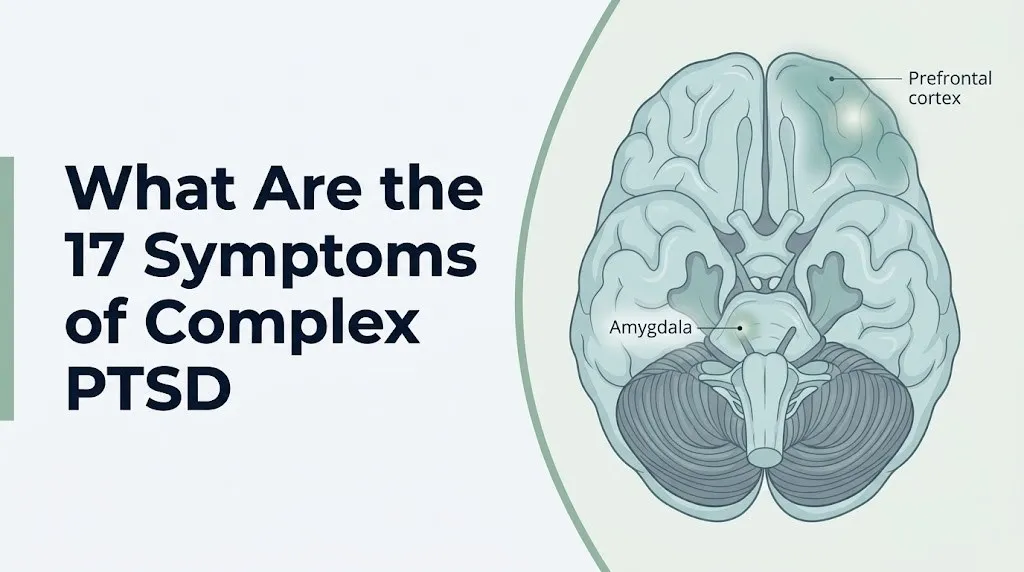
The core anatomy of emotional regulation in a healthy nervous system involves the prefrontal cortex sending inhibitory signals down to the amygdala when the amygdala generates a threat or distress response. This top-down inhibition allows a person to feel fear or anger and then bring it back to baseline. In chronic trauma, this inhibitory circuit is progressively weakened. The prefrontal cortex becomes less able to modulate what the amygdala sends up.
The result is a nervous system that behaves like a car with a powerful engine and compromised brakes. Emotions accelerate fast and stop slowly. Small interpersonal stressors, tones of voice, looks, or unexpected events can trigger disproportionately intense emotional responses. The person is not being dramatic. Their brain’s regulatory architecture has been altered by prolonged stress.
Three main patterns of emotional dysregulation appear in CPTSD:
- Emotional explosivity: sudden, intense anger, grief, or fear that feels internally uncontrollable and often surprises the person experiencing it
- Emotional numbing: a persistent blunted or absent emotional response, often described as feeling flat, robotic, or disconnected from feelings entirely
- Cycling: rapid alternation between explosive and numb states, sometimes within a single day, which is frequently misidentified as a mood disorder
According to research published in Frontiers in Psychiatry in 2022, adults with CPTSD show significantly greater affect dysregulation severity scores on validated measures compared to adults with PTSD alone, supporting the ICD-11 distinction.
People with CPTSD who are currently using alcohol or benzodiazepines to manage emotional dysregulation are in a particularly vulnerable position: these substances temporarily suppress the sympathetic hyperarousal that drives explosivity, but they simultaneously impair the prefrontal cortex’s already-compromised regulatory function, worsening dysregulation over time.
Emotional Flashbacks in Complex PTSD
Emotional flashbacks are sudden, overwhelming floods of emotion (intense fear, shame, grief, helplessness, or rage) that arrive without a visual memory or obvious trigger, and temporarily transport the person back to the emotional state of the original trauma.
Clinician Pete Walker, whose work on CPTSD is widely cited in trauma practice, formally described the emotional flashback as the central and most disabling feature of complex PTSD in people with childhood trauma histories. Unlike the cinematic visual flashback most people associate with PTSD, an emotional flashback carries no clear visual narrative. The person does not “see” a traumatic scene. They simply, suddenly, feel the way they felt as a child or in the midst of the traumatic situation: terrified, worthless, helpless, or annihilated.
The neurobiological mechanism involves the amygdala retrieving fear-conditioned emotional memory without simultaneously activating the hippocampal context system that would label the memory as past. The emotional content arrives in the present tense, without time-stamping. This is why the emotional flashback feels like current reality rather than a memory.
Emotional flashbacks in complex PTSD often include:
- Sudden onset of profound shame or self-hatred without an obvious reason
- Feeling small, helpless, or childlike without knowing why
- Overwhelming fear or dread in a situation that is objectively safe
- Intense urge to hide, disappear, or escape without a clear threat present
- Sudden rage that feels disproportionate to what just happened
- Physical sensations of constriction, nausea, or collapse accompanying the emotional state
What makes emotional flashbacks particularly difficult is that the person experiencing them rarely recognizes them as flashbacks. They assume the feeling is about the current moment. This leads to behavioral responses calibrated to a perceived present threat rather than a past traumatic state.
Adults with childhood-onset complex PTSD who were not diagnosed until adulthood often report that learning about emotional flashbacks was their first moment of genuine self-understanding. Recognizing the emotional flashback as a neurobiological event from the past rather than an accurate read of the present is a core component of treatment.
Dissociation and Complex PTSD
Dissociation in complex PTSD is not a vague term for spacing out. It refers to a specific disruption in the normal integration of consciousness, memory, identity, emotion, perception, behavior, and sense of body.
The Diagnostic and Statistical Manual of Mental Disorders (DSM-5-TR) describes dissociation as a disruption of normally integrated functions of consciousness, memory, identity, emotion, perception, behavior, and sense of self. In complex PTSD, dissociation occurs on a spectrum from mild to severe, and it serves a specific neurobiological function: it is the nervous system’s emergency exit from overwhelming experience.
Depersonalization refers to the experience of feeling detached from one’s own mind or body, watching oneself from outside, or feeling like a robot or automaton. Derealization refers to the world feeling unreal, dreamlike, distant, or distorted. Both represent disruptions in the default mode network and insula processing of self-awareness and body sensation.
Patterns of dissociation in complex PTSD include:
- Depersonalization: feeling outside one’s body or watching oneself as if from a distance
- Derealization: the external world appearing unreal, foggy, or two-dimensional
- Dissociative amnesia: gaps in memory for specific periods, often covering traumatic events or years of childhood
- Emotional numbing as dissociation: feeling cut off from emotional responses that should be present
- Identity fragmentation: the sense that different “parts” of oneself hold different memories, emotional states, or behavioral repertoires (in severe cases, this reaches the threshold for dissociative identity disorder)
- Time distortion: losing track of significant blocks of time, finding oneself somewhere without knowing how one got there
According to research from the National Institute of Mental Health, dissociative symptoms in PTSD are associated with greater psychiatric severity, more functional impairment, and poorer response to standard first-line PTSD treatments. This is one reason the ISTSS guidelines specifically address complex trauma treatment as a distinct therapeutic challenge.
Dissociation that involves losing time, waking up somewhere without knowing how one arrived, or acting in ways one has no memory of warrants evaluation by a trauma-informed psychiatrist, not only a therapist.
Key Takeaway: Emotional flashbacks and dissociation are not psychological weakness: they are specific neurobiological responses to prolonged trauma, and recognizing them as such is the starting point for appropriate treatment.
Hypervigilance and Nervous System Dysregulation in Complex PTSD
Hypervigilance in complex PTSD is the nervous system running a constant, exhausting threat-detection scan of every environment, relationship, tone of voice, facial expression, and physical sensation, because experience has taught it that threats can come from anywhere at any time.
In a standard threat response, the sympathetic nervous system activates within milliseconds when the amygdala detects danger, flooding the body with norepinephrine from the locus coeruleus and epinephrine from the adrenal medulla. Heart rate increases, breathing shallows, muscles tense, pupils dilate, and attention narrows to the threat. When the threat resolves, the parasympathetic nervous system brings the body back to baseline. This is the normal acute stress response.
In complex PTSD, this system is chronically dysregulated. The amygdala’s threat threshold has been dramatically lowered by years of sensitization through repeated trauma. Stimuli that pose no actual danger trigger a response calibrated to a life-threatening threat. The return to parasympathetic baseline is slow or incomplete.
Physical manifestations of hypervigilance and autonomic dysregulation include:
- Constant scanning of rooms for exits, threats, or changes in other people’s behavior
- Inability to sit with back to a door or in unfamiliar positions
- Startle response so exaggerated that ordinary sounds (a phone ringing, a door closing) produce a full physiological alarm response
- Chronic muscle tension, particularly in the neck, shoulders, jaw, and abdomen
- Difficulty breathing fully at rest (shallow breathing pattern even in safe environments)
- Disrupted sleep with frequent nighttime arousal
- Feeling exhausted despite being physically sedentary (the metabolic cost of chronic sympathetic activation is real and measurable)
The polyvagal theory proposed by neuroscientist Stephen Porges offers an additional framework: in complex PTSD, the nervous system can shift not only into sympathetic hyperarousal but also into what Porges called dorsal vagal shutdown, a state of collapse, immobility, and profound disconnection that produces the emotional numbing and shutdown patterns described above. Many people with CPTSD cycle between hyperarousal and shutdown states without stable access to the ventral vagal regulated state that supports social engagement and emotional flexibility.
Older adults with longstanding undiagnosed CPTSD may present primarily with fatigue, chronic pain, and cardiovascular symptoms reflecting decades of chronic sympathetic activation rather than the more recognizable emotional symptoms.
Negative Self-Concept and Shame in Complex PTSD
The negative self-concept in complex PTSD is not low self-esteem in the conventional sense. It is a deeply encoded, amygdala-level belief that the self is fundamentally defective, worthless, contaminated, or deserving of harm.
This distinction matters clinically. Ordinary low self-esteem responds to positive experiences and cognitive reframing. The negative self-concept in CPTSD is structured differently. It was encoded during states of extreme fear and helplessness, often in early development, which means it is stored in the same emotionally charged memory systems that store traumatic threat content. It does not respond easily to logic or reassurance.
Shame is the central feature of the negative self-concept in CPTSD and it differs from guilt in a specific way. Guilt says “I did something bad.” Shame says “I am bad.” Research by trauma psychologist Judith Herman describes shame in prolonged trauma as often externally imposed by the perpetrator, then internalized by the survivor as a survival strategy. If the child or captive person can believe they caused the abuse, they preserve the illusion that they have some control. That cognitive adaptation, adaptive in the trauma context, becomes a deeply rooted psychological liability afterward.
Common expressions of negative self-concept in CPTSD include:
- Persistent sense of being permanently damaged or broken in a way that cannot be fixed
- Feeling fundamentally different from other people, as if separated by an invisible barrier
- Chronic shame about basic needs, emotional responses, or simply existing
- Difficulty accepting care, kindness, or positive feedback because it conflicts with the encoded self-belief
- Self-sabotage patterns in relationships, work, or health care that seem inexplicable from the outside
- Inner criticism that is relentlessly harsh and often uses the voice or language of the original perpetrator
According to a 2021 study published in the Journal of Traumatic Stress, shame severity was the strongest predictor of CPTSD diagnosis over standard PTSD diagnosis in a large clinical sample, even when controlling for trauma type and duration.
Children and adolescents with active CPTSD from caregiver abuse often display this negative self-concept as school refusal, behavioral dysregulation, and social withdrawal, which is frequently misread by school systems as conduct disorder or attention deficit disorder rather than as a trauma response.
Complex PTSD Somatic Symptoms and Physical Health Effects
Complex PTSD does not stay inside the mind. The chronic neurobiological dysregulation it produces registers directly in the body, producing a range of physical symptoms that can be present for years before the psychiatric diagnosis is ever considered.
Research by psychiatrist Bessel van der Kolk and colleagues at the Trauma Research Foundation has consistently documented that traumatic stress is somatized, meaning that the body holds and expresses the unprocessed physiological arousal of traumatic experience through musculoskeletal tension, autonomic dysregulation, gastrointestinal dysfunction, and immune disruption. His foundational work, supported by neuroimaging and neuroendocrinology studies, demonstrates that CPTSD is a whole-body condition, not a purely psychological one.
Physical symptoms commonly associated with complex PTSD include:
- Chronic pain: diffuse musculoskeletal pain without a structural cause, reflecting sustained muscle tension from chronic sympathetic activation; frequently misdiagnosed as fibromyalgia
- Gastrointestinal disturbance: irritable bowel syndrome (IBS), chronic nausea, abdominal cramping, or diarrhea, driven by the gut-brain axis and elevated corticotropin-releasing hormone acting on intestinal motility
- Fatigue: profound, persistent exhaustion reflecting the metabolic cost of chronic HPA axis activation and poor restorative sleep
- Headaches and migraines: tension headaches from cervical and cranial muscle hypertonicity; migraines associated with autonomic dysregulation
- Cardiovascular reactivity: elevated resting heart rate, blood pressure variability, and increased risk of hypertension from chronic sympathetic nervous system activation
- Immune disruption: observational data published in Frontiers in Psychiatry found elevated inflammatory markers including IL-6, TNF-alpha, and C-reactive protein in PTSD and CPTSD populations, suggesting chronic low-grade systemic inflammation
- Reproductive disruption in women: menstrual irregularity and dysmenorrhea associated with HPA axis interference in the hypothalamic-pituitary-gonadal axis
Women with CPTSD are at elevated risk for chronic pelvic pain, vulvodynia, and sexual pain disorders, because the same dissociative and hyperarousal mechanisms that affect emotional experience also affect how the body processes pelvic sensation and sexual arousal.
Key Takeaway: Somatic symptoms in complex PTSD are neurobiologically driven and require trauma-informed medical care, not just reassurance that no structural disease is present.
Complex PTSD and the Brain: HPA Axis and Amygdala Effects
The brain changes produced by prolonged trauma in complex PTSD are measurable, specific, and partially reversible with appropriate treatment. Understanding them explains why CPTSD is so difficult to treat with standard psychiatric approaches alone.
The hypothalamic-pituitary-adrenal (HPA) axis is the body’s primary stress response system. In an acute threat, the hypothalamus releases corticotropin-releasing hormone (CRH), which signals the pituitary gland to release adrenocorticotropic hormone (ACTH), which in turn signals the adrenal cortex to release cortisol. Cortisol mobilizes energy, sharpens attention, and suppresses non-essential functions during the threat. Normally, rising cortisol feeds back to the hypothalamus and pituitary to shut the system down after the threat passes.
In prolonged trauma, this feedback loop is disrupted. Chronic cortisol exposure progressively damages glucocorticoid receptors in the hippocampus that normally signal the hypothalamus to stop the cortisol release. The result is a dysregulated HPA axis that may produce either chronically elevated cortisol or chronically blunted cortisol output (depending on the stage and duration of the trauma and the individual’s allostatic capacity).
Neuroimaging research published in JAMA Psychiatry has documented three consistent structural and functional changes in the brains of people with chronic trauma-related disorders:
- Hippocampal volume reduction: chronic cortisol neurotoxicity reduces the volume of the hippocampus by an average of 8 percent in PTSD and CPTSD populations compared to non-trauma controls, impairing context memory, temporal encoding of events, and the capacity to place traumatic memories in the past rather than the present
- Amygdala hyperactivity: functional neuroimaging shows increased amygdala activation in response to threat-relevant stimuli, with faster onset and slower recovery compared to non-trauma controls
- Prefrontal cortex hypoactivation: reduced activity in the medial prefrontal cortex during emotional arousal, reflecting its impaired capacity to send inhibitory signals to the amygdala
These three changes form an interconnected problem. The hippocampus cannot properly contextualize memories as past. The amygdala fires too easily and too intensely. The prefrontal cortex cannot bring the amygdala back down. This is the neurobiological infrastructure of complex PTSD.
Importantly, evidence from neuroplasticity research suggests that effective trauma therapy (particularly EMDR and somatic approaches) can produce measurable changes in amygdala reactivity and prefrontal cortex connectivity, offering a genuinely physiological basis for recovery rather than just symptom management.
Complex PTSD and Relationships
Relational disruption is not a side effect of complex PTSD. It is a core diagnostic feature, reflecting the fact that in most cases of CPTSD, the trauma occurred within or was enabled by close relationships.
When a child or adult is harmed by someone they depended on, trusted, or loved, the nervous system encodes a fundamental lesson: closeness is dangerous. Attachment and threat become neurologically intertwined. The person then enters all future relationships carrying an activated threat-detection system that fires most intensely in situations of intimacy, vulnerability, dependency, or emotional need.
Common relational patterns in complex PTSD include:
- Hypervigilance in relationships: constantly monitoring partners, friends, or colleagues for signs of anger, rejection, or abandonment; interpreting neutral expressions or tone changes as threats
- Difficulty with trust: a deeply held sense that others will eventually become dangerous, abandoning, or disappointing; not as a choice but as a felt certainty
- Fawn response: automatic people-pleasing, self-effacement, and conflict avoidance as a survival strategy learned during the original trauma, often mistaken by others as agreeableness
- Emotional volatility or withdrawal in intimate settings: emotional dysregulation triggered most intensely by closeness and vulnerability
- Difficulty setting or maintaining boundaries: either extremely rigid boundaries reflecting a protective wall, or almost no boundaries reflecting a conditioned inability to assert personal safety
- Reenactment patterns: unconscious repetition of relational dynamics from the original trauma, often interpreted by the person with CPTSD as evidence that the relationship is their fault
The concept of disorganized attachment, developed by researchers Mary Main and Judith Solomon, describes the relational template that forms in childhood when the caregiver is simultaneously the source of safety and the source of threat. Adults who developed disorganized attachment in childhood carry a nervous system that simultaneously craves and fears closeness. This creates what attachment researchers describe as the “cannot approach, cannot leave” bind, and it is the relational mechanism at the center of many complex PTSD presentations.
Partners and family members of people with CPTSD benefit from their own education about these relational dynamics, and ideally their own therapeutic support.
Complex PTSD in Women, Men, and Childhood Onset
Complex PTSD does not present identically across biological sex, age, and developmental history. These differences are clinically important and too often ignored in generic presentations of the condition.
Women are diagnosed with CPTSD approximately twice as often as men in clinical samples, according to epidemiological data reviewed in Lancet Psychiatry. Part of this reflects higher rates of the specific trauma types most associated with CPTSD (childhood sexual abuse, domestic violence, and sexual assault in adulthood). Part reflects genuine biological factors: estrogen modulates the HPA axis and affects cortisol reactivity, meaning hormonal fluctuations across the menstrual cycle, postpartum period, and perimenopause can significantly amplify CPTSD symptom severity. Women with CPTSD frequently report marked worsening of emotional dysregulation, intrusive symptoms, and somatic symptoms in the luteal phase of the menstrual cycle.
Men with CPTSD are more likely to present with externalizing symptoms: anger dysregulation, substance use, risk-taking behavior, and interpersonal aggression rather than the classic internalizing presentation of depression, shame, and social withdrawal. This divergence in expression, which reflects both socialization differences and potential testosterone-mediated effects on the HPA axis, contributes to systematic underdiagnosis of CPTSD in men. Men in clinical settings are more likely to receive a diagnosis of antisocial personality disorder, alcohol use disorder, or anger management disorder than CPTSD, even when the underlying trauma history meets CPTSD criteria.
Childhood-onset complex PTSD is neurobiologically distinct because the brain is developing during the period of repeated trauma. The prefrontal cortex, the structure responsible for emotional regulation, self-reflection, and identity formation, does not fully mature until the mid-twenties. Children traumatized during this developmental window do not develop the neural architecture for regulation normally. Their nervous systems are shaped from the ground up by the traumatic environment, making identity disturbance, attachment dysregulation, and dissociation more severe and more pervasive than in adults traumatized after the brain was already structurally established.
Complex PTSD Comorbidities: Depression, Anxiety, and BPD
Complex PTSD rarely exists alone in clinical presentations. It co-occurs with a range of other conditions, and the overlap between CPTSD and these conditions is one of the most significant sources of misdiagnosis and delayed appropriate treatment.
Major depressive disorder occurs alongside CPTSD in a large proportion of cases. Research published in the Journal of Traumatic Stress found that more than 50 percent of individuals meeting ICD-11 CPTSD criteria also meet criteria for major depression. The depressive presentation in CPTSD reflects the chronic dopamine and serotonin pathway disruption from HPA axis dysregulation, compounded by the persistent hopelessness and worthlessness encoded in the negative self-concept. Standard antidepressants address the serotonin pathway but do not resolve the underlying HPA axis or structural brain changes.
Borderline personality disorder (BPD) shares several features with CPTSD, which creates a significant diagnostic challenge that has direct treatment implications:
| Feature | Complex PTSD | Borderline Personality Disorder |
|---|---|---|
| Emotional dysregulation | Yes | Yes |
| Identity disturbance | Yes | Yes (identity diffusion) |
| Impulsivity | Less characteristic | Core feature |
| Fear of abandonment | Present (from attachment disruption) | Core feature (intense, chronic) |
| Dissociation | Frequent | Can occur |
| Trauma history | Required (prolonged) | Common but not required |
| Interpersonal instability | Yes (usually relationally avoidant) | Yes (often relationally intense) |
| Shame | Pervasive | Present |
| Idealization/devaluation cycles | Less characteristic | Core relational pattern |
The ISTSS guidelines and research by Judith Herman and others argue that many individuals diagnosed with BPD have unrecognized CPTSD, particularly those with childhood trauma histories. The clinical distinction matters because the most evidence-supported treatment for BPD (dialectical behavior therapy, DBT) overlaps with but is not identical to the most evidence-supported treatments for CPTSD (trauma-focused EMDR, somatic experiencing, Internal Family Systems).
Substance use disorders occur at substantially elevated rates in CPTSD populations, with alcohol and cannabis most commonly used as self-regulation tools for hyperarousal and emotional dysregulation. Treating substance use in isolation without addressing the underlying CPTSD rarely produces durable recovery.
Key Takeaway: More than half of people with complex PTSD carry at least one other psychiatric diagnosis, and the most effective treatment must address the trauma architecture rather than only the comorbid condition.
How Complex PTSD Is Diagnosed
Complex PTSD is diagnosed through a clinical evaluation process that combines structured trauma history taking, validated symptom assessment tools, and differential diagnosis to distinguish CPTSD from overlapping conditions.
There is no blood test, brain scan, or single questionnaire that confirms CPTSD. Diagnosis is clinical, meaning it requires a qualified mental health professional with training in trauma assessment to conduct a comprehensive evaluation.
The typical diagnostic pathway includes:
- Trauma history assessment: a structured interview documenting the nature, duration, age of onset, relationship to perpetrator, and escape-availability of traumatic experiences. Tools include the Life Events Checklist for DSM-5 (LEC-5) and the Trauma History Questionnaire.
- PTSD symptom assessment: the PTSD Checklist (PCL-5), a validated 20-item self-report scale, is widely used to assess PTSD symptom severity. It does not assess DSO symptoms and is insufficient alone for CPTSD evaluation.
- ICD-11 CPTSD-specific assessment: the International Trauma Questionnaire (ITQ) is currently the only validated measure designed specifically to assess ICD-11 PTSD and CPTSD criteria, including the three DSO domains. A 2018 validation study published in Psychological Medicine confirmed its strong psychometric properties across multiple clinical and community samples.
- Differential diagnosis: the evaluating clinician distinguishes CPTSD from BPD, dissociative identity disorder, major depressive disorder, generalized anxiety disorder, and personality disorders through structured interview, history, and pattern analysis.
- Dissociation screening: the Dissociative Experiences Scale (DES-II) is often added when dissociative symptoms are present or suspected, as their severity informs both diagnosis and treatment planning.
- Functional impairment assessment: severity of occupational, social, and self-care impairment is assessed because ICD-11 requires clinically meaningful functional impairment for both PTSD and CPTSD diagnoses.
In the United States, where the ICD-11 CPTSD diagnosis is not yet uniformly adopted in clinical practice, a full CPTSD evaluation is best conducted by a trauma-specialized psychologist, licensed clinical social worker with trauma specialization, or trauma-informed psychiatrist. General mental health practitioners without specific trauma training may apply the framework but may also be less familiar with the ITQ and DSO criteria.
When to Seek Professional Help for Complex PTSD
If you recognize the symptoms of complex PTSD in yourself or someone you care for, professional evaluation is the appropriate next step. This is not a condition that resolves through willpower, general therapy, or time alone.
Specific circumstances that make professional evaluation urgent rather than optional:
- Emotional flashbacks severe enough to impair daily functioning, relationships, or work performance
- Dissociative episodes involving lost time, waking up somewhere without knowing how you arrived, or acting in ways you cannot remember
- Intrusive memories or nightmares occurring multiple times per week and disrupting sleep consistently for more than one month
- Self-harm behaviors used to manage overwhelming emotional states
- Suicidal ideation, including passive thoughts of not wanting to be alive
- Substance use that began as a coping mechanism for distressing emotional or physical symptoms
- Significant interpersonal relationship breakdown directly traceable to hypervigilance, trust disruption, or emotional dysregulation
Seek evaluation from a trauma-informed psychiatrist for cases involving suicidal ideation, self-harm, severe dissociation, or when medication consultation is relevant to managing co-occurring depression or anxiety.
Seek evaluation from a trauma-focused psychologist or licensed clinical social worker specializing in trauma for comprehensive CPTSD assessment, trauma history evaluation, and psychotherapy.
Evidence-supported treatments for complex PTSD that the ISTSS guidelines identify include:
- EMDR (eye movement desensitization and reprocessing): phase-based protocol adapted for complex trauma, WHO-recommended
- Internal Family Systems (IFS) therapy: addresses identity fragmentation and shame-based self-parts
- Somatic experiencing: body-based trauma resolution addressing autonomic nervous system dysregulation
- Dialectical behavior therapy (DBT): particularly for affect dysregulation and self-harm behaviors
- Cognitive processing therapy (CPT): addresses maladaptive trauma-related cognitions
Standard trauma-focused CBT designed for single-incident PTSD is generally less effective for CPTSD without modification. The ISTSS guidelines recommend a phased approach: stabilization and safety first, then trauma processing, then integration. This sequence is especially important for cases with significant dissociation or high emotional dysregulation.
If you are in crisis or experiencing thoughts of self-harm or suicide, contact the 988 Suicide and Crisis Lifeline by calling or texting 988 at any time. This service is free, confidential, and available 24 hours a day, 7 days a week.
Emergency Symptoms: When to Call 911 or Go to the ER
Certain symptoms associated with complex PTSD require immediate emergency evaluation. Do not wait to see if these resolve on their own.
Call 911 or go to the nearest emergency room immediately if you or someone you know experiences:
- Suicidal ideation with a specific plan and the means to carry it out
- A suicide attempt in progress or immediately following
- Self-harm resulting in injuries requiring medical treatment (deep lacerations, burns, or injuries with significant bleeding)
- An acute dissociative fugue state in which a person is unresponsive, unaware of where they are, or unable to recognize familiar people or their own identity
- Severe agitation or psychotic symptoms (hearing commands to harm oneself or others, loss of contact with reality) potentially triggered by a traumatic stress response
- Loss of consciousness following an emotional crisis or dissociative episode
If you are supporting someone in a psychiatric emergency, stay with them, speak calmly, and do not leave them alone until emergency services arrive.
These presentations can indicate acute psychiatric emergencies requiring emergency medicine assessment and stabilization, not an urgent care appointment or a self-management technique.
For non-emergency crises involving suicidal ideation without imminent plan or intent, distressing emotional flashbacks, or severe dissociation, contact the 988 Suicide and Crisis Lifeline by calling or texting 988. Trained crisis counselors are available 24 hours a day, 7 days a week, at no cost.
Frequently Asked Questions About Complex PTSD
What is the difference between PTSD and complex PTSD?
Standard PTSD develops after a single traumatic event or brief traumatic period and involves re-experiencing, avoidance, and hyperarousal.
Complex PTSD (CPTSD) develops from prolonged, repeated, or inescapable trauma and includes those three PTSD symptom clusters plus three additional domains: severe emotional dysregulation, pervasive negative self-concept, and persistent interpersonal difficulties.
The World Health Organization ICD-11, effective since 2022, recognizes these as distinct diagnoses for the first time in international classification history.
How many symptoms does complex PTSD have?
Complex PTSD is commonly described as involving 17 distinct symptoms organized across six clinical domains established by the ICD-11.
These span re-experiencing, avoidance, hyperarousal, affect dysregulation, negative self-concept, and interpersonal disturbance.
The exact count of 17 reflects clinical convention based on symptom enumeration within those six domains rather than a formally numbered WHO specification.
Can you have complex PTSD without remembering the trauma?
Yes. Dissociative amnesia is recognized as a feature of complex PTSD, and explicit memory for traumatic events may be partial, fragmented, or absent.
This occurs because the hippocampus, which consolidates explicit declarative memory, is impaired by chronic cortisol exposure during prolonged trauma, while implicit emotional and body-based memories remain strongly encoded in the amygdala and somatic systems.
A person may experience all the emotional, somatic, and relational symptoms of CPTSD with little or no conscious narrative memory of the events that caused them.
What does an emotional flashback feel like in complex PTSD?
An emotional flashback is a sudden, overwhelming flood of emotion (terror, shame, grief, helplessness, or rage) that arrives without a visual memory and makes the present moment feel indistinguishable from the traumatic past.
Unlike standard PTSD flashbacks, which typically involve visual or sensory re-experiencing of a specific event, emotional flashbacks carry intense affect without narrative content, often leaving the person feeling small, worthless, terrified, or cornered without knowing why.
Clinician Pete Walker, whose work on CPTSD is widely referenced in trauma practice, describes recognizing the emotional flashback and labeling it as such as one of the most therapeutically meaningful moments of early CPTSD recovery.
Can complex PTSD cause physical symptoms?
Yes. Complex PTSD produces measurable physical symptoms through chronic HPA axis dysregulation, autonomic nervous system hyperactivation, and systemic inflammation.
Common physical effects include chronic diffuse pain (often diagnosed as fibromyalgia), gastrointestinal disturbance including IBS, persistent fatigue, cardiovascular reactivity with elevated resting heart rate, immune disruption, headaches, and in women, menstrual irregularity from HPA axis interference in the hypothalamic-pituitary-gonadal axis.
Research by Bessel van der Kolk and colleagues at the Trauma Research Foundation documented consistently that traumatic stress is expressed in the body through somatic pathways, making trauma-informed medical evaluation appropriate for people with unexplained chronic physical symptoms and a prolonged trauma history.
What type of therapist treats complex PTSD?
Complex PTSD is best treated by a trauma-specialized psychologist, licensed clinical social worker with trauma specialization, or trauma-informed psychiatrist, depending on the clinical presentation.
The ISTSS clinical practice guidelines recommend therapists trained in phase-based trauma treatment approaches including EMDR adapted for complex trauma, Internal Family Systems therapy, somatic experiencing, or dialectical behavior therapy, rather than standard PTSD protocols applied without modification.
For cases involving suicidal ideation, self-harm, severe dissociation, or co-occurring psychiatric conditions requiring medication, a trauma-informed psychiatrist should be part of the clinical team.
Closing
The 17 symptoms of complex PTSD do not represent personal failure or fragility. They represent what a nervous system does when it has been forced to survive something prolonged, inescapable, and often caused by the people who should have been the source of safety.
The most actionable thing you can do with this information is take it to a qualified professional. Not a general therapist if you can avoid it, but someone trained specifically in complex trauma, familiar with ICD-11 CPTSD criteria, and experienced in phase-based treatment. Ask directly: “Are you trained in EMDR, IFS, or somatic approaches for complex trauma?” That one question changes the quality of the evaluation you receive.
Recovery from complex PTSD is not a myth. Neuroplasticity research confirms that the brain changes produced by prolonged trauma are partially reversible with appropriate, sustained trauma-focused treatment. The process is not fast and it is not linear, but the evidence says it is real.