Bad Transmission Symptoms: Health and Safety Guide 2026
Bad transmission symptoms in a vehicle create real and measurable physical health risks for drivers and passengers, from the acute physiological stress response triggered by sudden mechanical failure at speed to whiplash injuries from emergency braking, carbon monoxide exposure from a stalled engine, and the delayed psychological effects of a frightening road emergency. Recognizing which physical symptoms you may experience, why they occur in your body, and which ones require emergency medical evaluation is information every driver should have before a crisis happens.
According to the National Highway Traffic Safety Administration (NHTSA), vehicle mechanical failures contribute to tens of thousands of traffic incidents annually, with powertrain failures (including transmission failure) among the leading mechanical causes of non-crash vehicle emergencies on US roadways. The physical health consequences of these events are frequently underestimated by drivers who focus on the vehicle damage rather than the physiological impact on their own body.
This article covers the full spectrum of physical health symptoms that vehicle transmission failure can produce, from the first seconds of a mechanical emergency through the delayed injury presentations that appear 24 to 72 hours later, and provides specific clinical guidance on which presentations require emergency evaluation versus monitoring at home.
Bad Transmission Symptoms and Human Health Risks: An Overview
Bad transmission symptoms create health risks for drivers and passengers through three primary mechanisms: acute physiological stress from the emergency situation, mechanical injury from sudden vehicle deceleration or loss of control, and toxic exposure from vehicle fluids and fumes during a breakdown.
When a transmission fails at speed, the sequence of events unfolds rapidly. The driver suddenly experiences loss of drive, abnormal vehicle behavior, or a forced emergency stop. Each of these triggers a neurological cascade in the driver’s body before conscious decision-making even begins.
| Health Risk Category | Mechanism | Who Is Most at Risk | Urgency |
|---|---|---|---|
| Acute stress response | Sympathetic nervous system activation | People with cardiovascular disease, anxiety disorders | Immediate monitoring |
| Whiplash / cervical injury | Acceleration-deceleration forces during emergency braking | People with pre-existing cervical spine disease | Physician evaluation within 24 hours if persistent |
| Concussion | Head impact during vehicle emergency | All occupants | Emergency if LOC or neurological symptoms |
| Carbon monoxide exposure | Stalled engine in enclosed or semi-enclosed space | All occupants | Emergency: call 911 immediately |
| Psychological trauma | PTSD/acute stress disorder from frightening emergency | People with prior trauma history or anxiety disorders | Psychiatrist or psychologist within 30 days |
| Delayed musculoskeletal injury | Soft tissue inflammation appearing 24 to 72 hours post-incident | All occupants, especially older adults | Primary care physician within 48 hours if worsening |
The National Safety Council documents that drivers frequently leave vehicle emergency situations without seeking medical evaluation, only to present to emergency departments days later with delayed whiplash symptoms, signs of mild TBI, or elevated cardiovascular markers. Understanding the health risks produced by a sudden mechanical vehicle failure is the essential first step in recognizing when your body needs medical attention.
Adults over 65 represent a particularly high-risk group for physical health consequences of vehicle emergencies, because their reduced cardiovascular reserve, decreased bone density, and altered stress hormone clearance rates amplify every category of risk described above.
The Acute Stress Response When a Vehicle Transmission Fails
The acute stress response when a vehicle transmission fails is produced by immediate activation of the sympathetic nervous system, which signals the adrenal medulla to release epinephrine and norepinephrine into the bloodstream within seconds of perceiving the threat, producing a coordinated physiological state optimized for rapid response to danger.
The driver’s brain does not wait for conscious recognition of “my transmission has failed.” The amygdala, the brain’s threat-detection center, identifies the sensory anomaly (sudden loss of power, unexpected noise, vehicle pulling) as a potential threat and triggers sympathetic activation faster than rational processing can occur. By the time you consciously realize something is wrong, your body is already in a state of heightened physiological arousal.
The specific physiological changes produced by this epinephrine surge include tachycardia (heart rate rising to 90 to 140 beats per minute in seconds), blood pressure elevation, pupil dilation reducing peripheral vision, hyperventilation (rapid breathing that can produce lightheadedness from reduced CO2), and a simultaneous shunting of blood away from the digestive organs and toward the skeletal muscles and heart. Together, these prepare the body for rapid physical action.
These responses are not harmful in a healthy person and typically resolve within 20 to 60 minutes after the threat has passed. The physiological problem arises in people whose cardiovascular system cannot safely accommodate rapid heart rate and blood pressure elevation, or in people who experienced a severe enough event that the stress response does not adequately resolve.
People with known coronary artery disease, cardiac arrhythmias, or hypertension face elevated risk during this acute response phase. The catecholamine surge from epinephrine can precipitate arrhythmia, angina, or, in individuals with severe underlying coronary disease, myocardial ischemia. According to the American Heart Association, acute psychological stress is a recognized trigger for Takotsubo cardiomyopathy (stress cardiomyopathy), a transient but serious cardiac condition that mimics heart attack symptoms.
Cardiovascular Health Risks During Sudden Vehicle Mechanical Failure
Cardiovascular health risks during a vehicle mechanical failure are produced by the acute catecholamine surge of the stress response, which elevates heart rate and blood pressure simultaneously while increasing myocardial oxygen demand, a combination that can exceed the cardiac reserve of individuals with pre-existing heart disease or uncontrolled hypertension.
Takotsubo cardiomyopathy (also called stress cardiomyopathy or “broken heart syndrome”) occurs when a sudden, intense emotional or physical stressor triggers a massive epinephrine release that temporarily stuns the myocardium, producing left ventricular dysfunction that clinically resembles a heart attack. It accounts for approximately 1 to 2% of all acute coronary syndrome presentations, according to research published in the Journal of the American College of Cardiology. A frightening vehicle emergency could theoretically serve as such a trigger in a susceptible individual.
The practical cardiovascular warning signs that require emergency evaluation after a vehicle stress event include chest pain or pressure, pain radiating to the left arm or jaw, shortness of breath at rest, palpitations that continue beyond 30 minutes, or any sensation of the heart beating irregularly. These symptoms should never be attributed to “just nerves” and dismissed.
People with a history of atrial fibrillation need specific awareness. The catecholamine surge from an acute stress event can trigger an AF episode in patients who are otherwise well-controlled. If you have a history of AF and experience palpitations following a vehicle emergency that feel different from your baseline, contact your cardiologist or go to the nearest emergency room the same day.
People on beta-blocker medications (such as metoprolol or carvedilol) have a pharmacologically blunted heart rate response to catecholamines. Their peak tachycardia during the stress response will be lower than in untreated individuals, which means the acute cardiovascular symptoms may be less pronounced even in the presence of significant myocardial stress. This population should not assume that a moderate heart rate during a vehicle emergency means they are protected from cardiovascular consequences.
Key Takeaway: Chest pain, jaw pain, or shortness of breath occurring during or within one hour of a frightening vehicle transmission emergency are never symptoms to “wait and see.” They require immediate emergency room evaluation to rule out stress-induced cardiac events, regardless of how minor the vehicle incident seemed.
Whiplash and Musculoskeletal Injuries From Emergency Braking Caused by Transmission Failure
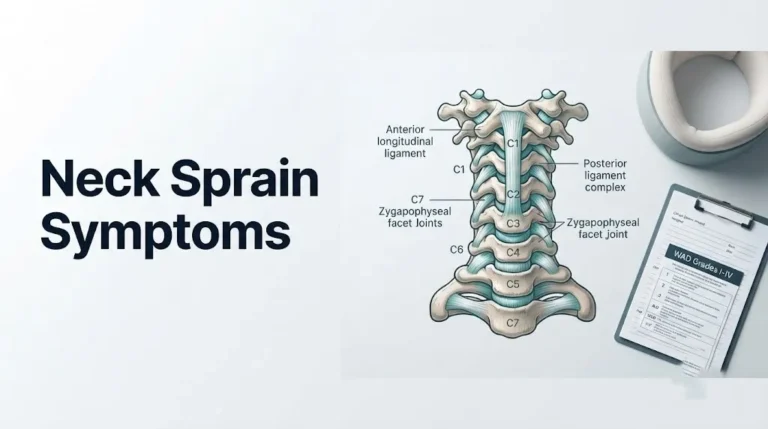
Whiplash from emergency braking during a vehicle transmission failure is a cervical acceleration-deceleration injury in which the head and neck are thrown forward and then backward (or backward then forward, depending on the braking direction) within a fraction of a second, producing stretching, tearing, and compression forces across the cervical soft tissues, intervertebral discs, and facet joints.
The cervical spine is anatomically vulnerable to these forces. The neck’s range of motion in flexion and extension far exceeds the tolerance of the supporting structures during rapid, unexpected loading. The sternocleidomastoid muscle, the trapezius, and the anterior and posterior longitudinal ligaments of the cervical spine bear the brunt of deceleration forces. Even at relatively low vehicle speeds (15 to 25 mph emergency stops), these forces can produce Grade I to Grade III cervical ligament sprains.
The mechanics of transmission-failure-related emergency stops are particularly concerning because the deceleration is often unexpected. A driver who knows a hard stop is coming can brace appropriately. A driver whose transmission suddenly fails and whose vehicle decelerates unexpectedly cannot. The absence of anticipatory muscle bracing means the full deceleration force is absorbed by passive structures (ligaments, discs, and joint capsules) rather than being partially absorbed by active muscular contraction.
Specific whiplash symptoms to watch for after a vehicle emergency braking event:
- Neck pain, stiffness, or reduced range of motion developing within 6 to 24 hours
- Headache originating at the base of the skull (occipital headache), reflecting trapezius and semispinalis capitis tension
- Shoulder pain or upper back pain radiating from the cervical region
- Numbness, tingling, or weakness in the arms or hands (suggesting possible cervical nerve root involvement)
- Dizziness or visual disturbances associated with neck movement (cervicogenic dizziness)
The American College of Emergency Physicians (ACEP) recommends evaluation for any person with neck pain after a vehicle emergency, particularly if neurological symptoms in the upper extremities are present.
Concussion and Head Injury Risk During Vehicle Transmission Emergencies
Concussion during a vehicle transmission emergency occurs when the occupant’s head strikes a surface (steering wheel, headrest, side window, or airbag) or when the brain undergoes rapid acceleration-deceleration within the skull without direct head contact, producing diffuse axonal injury across the white matter tracts of the frontal and temporal lobes.
A concussion (classified clinically as a mild traumatic brain injury, or mild TBI) does not require loss of consciousness. According to the Centers for Disease Control and Prevention (CDC), the majority of concussions do not involve loss of consciousness, which means many drivers involved in vehicle emergencies with head movement do not recognize they have sustained a brain injury. The absence of “blacking out” is not a reliable indicator that a concussion did not occur.
The neurophysiological mechanism of concussion involves the rapid displacement of cerebrospinal fluid around the brain during acceleration-deceleration, which generates shear forces across axonal membranes. These forces disrupt axonal transport mechanisms and produce a cascade of ionic and metabolic disturbances (glutamate excitotoxicity, potassium efflux, calcium influx) that impair neuronal function before any structural damage is visible on standard brain imaging.
Concussion symptoms that may appear within minutes to hours of a vehicle transmission emergency:
- Headache or pressure in the head (the most frequently reported concussion symptom)
- Confusion or feeling mentally foggy
- Slowed reaction time or difficulty concentrating
- Nausea with or without vomiting
- Sensitivity to light or noise
- Blurred or double vision
- Memory gaps around the event itself
Any loss of consciousness, however brief, any seizure activity, worsening headache over time, repeated vomiting, or slurred speech after a head impact during a vehicle emergency requires immediate emergency room evaluation, as these can indicate a more serious intracranial injury including subdural hematoma.
Soft Tissue Injuries From Sudden Vehicle Loss of Power at Speed
Soft tissue injuries from sudden vehicle loss of power at speed extend beyond the cervical spine, affecting the lumbar spine, shoulder musculature, and the lower extremities when a driver braces forcefully against the steering wheel, brake pedal, or door during an unexpected vehicle emergency.
The thoracolumbar soft tissue injuries from vehicle emergencies are less frequently recognized than whiplash because they develop more gradually and are often attributed to general muscle soreness. The lumbar erector spinae muscle group (including iliocostalis lumborum, longissimus thoracis, and spinalis) and the quadratus lumborum sustain compression and shear forces when a driver’s torso is abruptly loaded during emergency braking while the pelvis is restrained by the seatbelt.
The seatbelt itself, while life-saving, creates a fulcrum effect during sudden deceleration. The lap belt restrains the pelvis while the torso continues forward, producing a flexion force on the lumbar spine that can strain the posterior ligamentous complex, including the supraspinous ligaments and interspinous ligaments of L1 through L4. This is distinct from whiplash and typically produces pain localized to the lower back rather than the neck.
People with pre-existing lumbar disc disease (such as L4-L5 or L5-S1 disc herniation or disc degeneration) are at elevated risk for a clinically meaningful exacerbation of their symptoms after even a low-force vehicle emergency. The pre-existing degenerated disc has less capacity to absorb the sudden compressive and flexion-extension loading of an emergency stop, making symptom amplification more likely than in individuals with healthy discs.
If lower back pain after a vehicle emergency is accompanied by numbness or tingling radiating down one or both legs, difficulty urinating, or bowel changes, this pattern of symptoms (consistent with cauda equina involvement) requires emergency evaluation the same day.
Key Takeaway: Soft tissue injuries from vehicle emergencies commonly involve both the cervical and lumbar spine from separate mechanisms: whiplash forces on the cervical region and seatbelt fulcrum forces on the lumbar region. Both can present with delayed symptoms 12 to 48 hours after the event.
Carbon Monoxide and Toxic Fume Exposure When a Transmission Fails
Carbon monoxide (CO) exposure becomes a genuine health risk when a transmission failure causes a vehicle to stall in a poorly ventilated location, because a stalled engine running at high idle to restart can produce CO in concentrations that exceed safe exposure limits within minutes, particularly in a garage, tunnel, or when the vehicle is positioned with the exhaust near an air intake.
Carbon monoxide is produced by the incomplete combustion of hydrocarbon fuels in the vehicle engine. It is colorless and odorless, which means there is no sensory warning before toxic levels accumulate. CO binds to hemoglobin with approximately 200 to 250 times the affinity of oxygen, forming carboxyhemoglobin (COHb), which cannot carry oxygen. The result is functional anemia at the cellular level: the body has hemoglobin but it cannot deliver oxygen to tissues.
According to the Centers for Disease Control and Prevention (CDC), CO poisoning causes approximately 400 deaths per year in the United States from non-fire-related incidents, with vehicle-related CO exposure accounting for a substantial portion. Symptoms of CO exposure develop proportionally to COHb levels: at 10 to 20% COHb, headache and dizziness develop; at 20 to 40%, confusion, weakness, and vomiting occur; above 40%, loss of consciousness and death are possible without intervention.
CO exposure symptoms to recognize immediately during or after a vehicle stall in an enclosed space:
- Throbbing headache (often the first symptom, frequently misattributed to stress)
- Dizziness or lightheadedness
- Nausea or vomiting
- Confusion or difficulty thinking clearly
- Shortness of breath
- Chest pain
Call 911 immediately if you or any passenger experience these symptoms in a stalled vehicle, particularly in an enclosed or semi-enclosed area. Do not try to restart the vehicle. Move everyone out of the vehicle and into fresh air immediately.
Infants and young children are disproportionately vulnerable to CO poisoning at lower COHb concentrations than adults because of their higher respiratory rate and lower body weight relative to CO exposure volume. Any child showing drowsiness or confusion in a stalled vehicle situation requires emergency evaluation without delay.
Transmission Fluid and Chemical Exposure Health Risks
Transmission fluid exposure during a vehicle breakdown creates a distinct set of health risks from skin contact, inhalation of burnt fluid vapors, and eye exposure that drivers and passengers may not recognize as requiring medical attention in the context of a vehicle emergency.
Automatic transmission fluid (ATF) is a petroleum-based hydraulic fluid containing volatile organic compounds (VOCs), synthetic additives, and friction modifiers. Under normal vehicle operating temperatures, ATF is relatively stable. When a transmission fails mechanically, fluid can leak onto hot engine or exhaust surfaces, vaporizing the VOCs and producing acrid smoke that carries these compounds into the air around the vehicle.
Inhalation of burnt transmission fluid vapors can produce: irritation of the respiratory mucosa (nose, throat, and bronchi), coughing, chest tightness, and, with prolonged exposure, symptoms of chemical bronchitis. People with pre-existing asthma or chronic obstructive pulmonary disease (COPD) are at elevated risk for bronchospasm from even brief inhalation of VOC-laden smoke from a failed transmission.
Skin contact with ATF causes dermal irritation in some individuals, and prolonged or repeated skin contact has been associated with contact dermatitis. Eye contact with ATF or its vapors can cause conjunctival irritation. Any splash of ATF into the eyes should be managed by immediate irrigation with clean water for 15 to 20 minutes, and if irritation persists after irrigation, evaluation by an emergency medicine physician or ophthalmologist is warranted.
Call Poison Control at 1-800-222-1222 if a child has ingested any amount of transmission fluid, or if you have concerns about any chemical exposure from a vehicle fluid during a breakdown incident. Do not wait for symptoms to develop before calling.
Workers in automotive environments who have regular exposure to ATF and other transmission fluids should be aware that the Occupational Safety and Health Administration (OSHA) classifies petroleum-based VOC exposure as a workplace health hazard requiring appropriate personal protective equipment for sustained occupational exposure, though brief incidental exposure during a vehicle emergency is unlikely to reach occupational exposure threshold levels.
Psychological Symptoms During and Immediately After Vehicle Failure
Psychological symptoms during and immediately after vehicle transmission failure include acute anxiety, fear, a sense of helplessness, hyperarousal, intrusive replaying of the incident, and difficulty concentrating, all reflecting the normal neurological and neurochemical aftermath of a frightening emergency experience.
These immediate psychological symptoms are produced by the same catecholamine surge described in the acute stress response section. Elevated circulating epinephrine and cortisol after a frightening experience produce a state of heightened vigilance and threat-readiness that can persist for hours. The amygdala remains in a sensitized state, interpreting subsequent sensory inputs (driving again, hearing traffic sounds, or even thinking about the event) as potential threats.
The experience of helplessness is a specific psychological factor that amplifies the distress of vehicle emergencies. When a driver realizes they cannot control their vehicle, the sense of agency is lost. Research published in the Journal of Traumatic Stress has documented that perceived loss of control during a frightening event increases the likelihood of subsequent post-traumatic stress symptoms, independent of the objective severity of the incident.
Immediate psychological symptoms to recognize as normal and expected responses to a vehicle emergency:
- Shakiness or trembling after stopping (adrenaline clearance from muscles)
- Difficulty concentrating on driving again immediately after the incident
- Replaying the event mentally in the first hours afterward
- Increased startle response to driving sounds or traffic for a few days
- Mild sleep disturbance the night of the incident
These symptoms are a normal neurobiological response and are expected to resolve within days to two weeks for most people. Symptoms that persist beyond two weeks, intensify rather than diminish, or significantly impair daily functioning may indicate the development of acute stress disorder (ASD) and warrant evaluation by a licensed clinical psychologist or psychiatrist.
Key Takeaway: The shakiness, mental replay, and heightened alertness after a frightening vehicle emergency are normal adrenaline-mediated neurological responses expected to resolve within days to two weeks. Symptoms that worsen or persist beyond two weeks require professional evaluation for acute stress disorder or PTSD.
Post-Traumatic Stress Symptoms After a Serious Vehicle Mechanical Emergency
Post-traumatic stress disorder (PTSD) can develop after a vehicle transmission emergency that involved a genuine perception of threat to life or physical integrity, producing a cluster of persistent and impairing symptoms across the four DSM-5 diagnostic domains: intrusion, avoidance, negative cognition and mood alteration, and hyperarousal.
Not every frightening vehicle incident produces PTSD. The Diagnostic and Statistical Manual of Mental Disorders, Fifth Edition (DSM-5) requires that the traumatic event involved actual or threatened death, serious injury, or sexual violence, and that the four symptom clusters persist for more than one month and cause functional impairment. A transmission failure that produced a high-speed loss of control, a near-collision, or a vehicle fire could meet this threshold.
The neurobiological basis of PTSD involves dysregulation of the amygdala-prefrontal cortex circuit that normally processes and contextualizes fear memories. In PTSD, the hippocampus (involved in contextualizing memories as past events) has reduced volume and activity, while the amygdala remains hyperreactive. The result is that the traumatic memory is experienced as a current threat (intrusion, flashbacks) rather than a past event.
PTSD symptoms that may develop within one month of a serious vehicle emergency:
- Intrusive memories: unwanted and distressing recollections of the event intruding during waking hours
- Nightmares specifically featuring the vehicle emergency or related themes
- Avoidance: refusing to drive, avoiding routes similar to where the incident occurred, or avoiding conversations about the event
- Negative mood: persistent hopelessness, emotional numbness, or loss of interest in activities
- Hyperarousal: exaggerated startle response, difficulty sleeping, or irritability without clear cause
Any person experiencing these symptoms for more than one month after a vehicle emergency should be evaluated by a psychiatrist or licensed clinical psychologist experienced in trauma-focused therapy, including cognitive processing therapy (CPT) and prolonged exposure (PE), both of which are evidence-based treatments for PTSD.
Delayed Injury Symptoms After a Vehicle Transmission Breakdown
Delayed injury symptoms after a vehicle transmission breakdown are physical complaints that appear 12 to 72 hours after the incident rather than immediately, reflecting the time required for inflammatory mediators to accumulate in injured soft tissues and for the initial adrenaline-driven analgesia to wear off.
The delayed presentation of musculoskeletal injuries after vehicle incidents is well-documented in clinical emergency medicine literature. The initial epinephrine and endorphin surge during and immediately after the event produces a form of stress-induced analgesia that temporarily masks pain signals. Drivers and passengers frequently feel “fine” immediately after a vehicle emergency, only to wake the following morning with neck stiffness, back pain, or headache that was not present the night before.
Inflammatory mediators (prostaglandins, leukotrienes, and interleukin-1) released at the sites of soft tissue microtrauma take 12 to 48 hours to reach peak concentration. Edema formation in injured muscle and ligament tissue also progresses over this timeframe. The combination of mounting inflammatory signaling and fading stress-induced analgesia produces the characteristic pattern of delayed pain that many vehicle incident survivors experience.
Delayed symptoms to monitor carefully in the 24 to 72 hours following a vehicle transmission emergency:
- Progressive neck stiffness that worsens from the morning after the incident rather than improving
- Headache that develops or worsens the day after (not just the day of) the incident
- New numbness or tingling in the arms, hands, legs, or feet
- Lower back pain that was mild or absent immediately after the event but intensifies by 48 hours
- Difficulty sleeping due to pain that was not present the night of the incident
- New dizziness or balance problems that appear after the first 24 hours
The clinical implication is clear: feeling physically fine immediately after a vehicle emergency does not rule out injury. Anyone involved in a vehicle transmission failure event that included emergency braking, vehicle contact, or significant vehicle movement should have a clinical assessment within 24 to 48 hours if any new symptoms develop after the initial period.
Health Risks for Older Adults and High-Risk Populations During Vehicle Emergencies
Older adults face disproportionately higher health risks during vehicle transmission emergencies because of reduced physiological reserve across every system that bears the brunt of the incident: lower cardiovascular reserve amplifying the stress response risk, reduced bone density increasing fracture risk from forces that would produce only soft tissue injury in younger adults, and slower neurological processing times increasing the risk of delayed vehicle response to the mechanical failure.
From a musculoskeletal standpoint, an older adult’s cervical spine has often undergone decades of degenerative changes including cervical spondylosis (disc degeneration with osteophyte formation), reduced disc height, and facet joint arthritis. The same emergency braking forces that produce a mild Grade I whiplash in a 30-year-old may produce a clinically significant exacerbation of cervical radiculopathy or a facet joint injury in a 70-year-old.
According to the National Safety Council, older drivers are more likely to sustain injuries from non-crash vehicle incidents (mechanical emergencies, stranded situations) than younger drivers at the same incident severity, attributable to their baseline physical vulnerability rather than the severity of the vehicle event itself.
People with type 2 diabetes represent a high-risk population for delayed recognition of injury after vehicle emergencies. Diabetic peripheral neuropathy can mask the early warning pain signals from musculoskeletal injuries, allowing soft tissue damage to be more advanced before it becomes symptomatic. Additionally, the cardiovascular stress of a vehicle emergency is particularly relevant in individuals with diabetes, who have elevated baseline rates of cardiovascular disease and may have silent coronary artery disease.
People taking anticoagulant medications (warfarin, apixaban, rivaroxaban) face specific elevated risk after any vehicle incident involving head contact or chest compression against the steering wheel. Minor head impacts that would produce no significant intracranial bleeding in an anticoagulated person’s healthy peer can produce clinically significant intracranial hemorrhage. Any anticoagulated patient who experienced head contact during a vehicle emergency should be evaluated by an emergency medicine physician the same day, regardless of whether immediate symptoms are present.
Health Risks for Pregnant Women During Vehicle Transmission Failure
Pregnant women face specific and distinct health risks during vehicle transmission emergencies that differ materially from the general population, primarily because of the potential for placental abruption, fetal distress, and direct abdominal trauma from seatbelt loading during emergency braking.
The seatbelt, while protecting the pregnant driver from the most severe consequences of a crash, creates specific biomechanical risks during pregnancy. A correctly worn lap belt sits below the pregnant uterus, across the pelvis. During sudden emergency braking, the inertial force of the abdominal contents (uterus, placenta, fetus) is transmitted to the seatbelt. This force can produce placental abruption (separation of the placenta from the uterine wall) even in incidents that appear minor, because the placenta is not elastic and cannot accommodate the sudden shear forces as well as the uterine wall.
Placental abruption following vehicle emergencies may present with vaginal bleeding, abdominal pain or cramping, uterine rigidity, reduced fetal movement, or in severe cases, fetal distress detectable only on monitoring. Critically, placental abruption can occur without external physical injury to the pregnant woman and without apparent vehicle contact.
The American College of Obstetricians and Gynecologists (ACOG) recommends that any pregnant woman who is involved in a vehicle incident, including non-crash mechanical emergencies with emergency braking, should be evaluated by an obstetrician-gynecologist within four hours of the incident, with fetal heart monitoring performed for at least four hours to detect any signs of fetal distress or uterine contractions that may not be immediately symptomatic.
Pregnant women should never decline evaluation after a vehicle emergency on the grounds that they “feel fine.” The physiological reserve of pregnancy and the adrenaline surge of an emergency can mask symptoms of placental abruption for hours.
Key Takeaway: Pregnant women involved in any vehicle emergency with emergency braking require obstetrician-gynecologist evaluation and fetal monitoring within four hours, regardless of whether they have pain, bleeding, or any immediate symptoms, because placental abruption can develop silently after the abdominal inertial loading of sudden deceleration.
Physical Health Assessment After a Vehicle Emergency
Physical health assessment after a vehicle emergency should follow a structured approach that covers the four primary injury categories produced by vehicle transmission failure events: cervical and spinal musculoskeletal injury, head injury and concussion, cardiovascular stress effects, and chemical or toxic exposure.
To perform a self-assessment and communicate effectively with a healthcare provider after a vehicle emergency:
- Document the exact mechanism: note whether the vehicle stopped suddenly (emergency braking), whether you hit any part of the vehicle interior with your body, the speed your vehicle was traveling before the incident, whether you were the driver or passenger, and whether airbags deployed
- Assess neck and head immediately: move your neck slowly in all directions after safely exiting the vehicle and note any pain, stiffness, or neurological symptoms (numbness, tingling)
- Assess your cardiovascular state: sit quietly for 5 to 10 minutes and assess whether your heart rate and breathing have normalized; chest pain, persistent palpitations, or shortness of breath at rest are emergency symptoms
- Assess for CO exposure risk: if the vehicle stalled in an enclosed or semi-enclosed space, evaluate all occupants for headache, dizziness, or nausea before assuming these are stress symptoms
- Monitor over 24 to 72 hours: keep a written log of any new symptoms that develop after the immediate event, noting whether they improve or worsen over time, as delayed presentation is clinically common
- Bring this documentation to any medical appointment: specific mechanism details, timeline of symptom onset, and changes over time allow the clinician to assess injury severity more accurately than a general description
Things to tell your healthcare provider at this evaluation:
- The name and dose of any blood-thinning medications you take (warfarin, aspirin, apixaban)
- Any pre-existing cervical or lumbar spine conditions
- Whether you are pregnant
- Your cardiac history, including any arrhythmia diagnosis
When to Call 911 and Seek Emergency Medical Care After Vehicle Breakdown
Certain health presentations associated with vehicle transmission emergencies require immediate emergency evaluation, not a next-day appointment or self-monitoring at home. Do not wait to see if these symptoms improve.
Emergency Symptoms: When to Call 911 or Go to the ER
Certain symptoms during or after a vehicle transmission failure emergency require immediate emergency medical evaluation. Do not wait to see if these resolve on their own.
Call 911 or go to the nearest emergency room immediately if you or any passenger experience:
- Chest pain, jaw pain, or left arm pain during or after the stress of a vehicle emergency (possible stress-induced cardiac event or myocardial ischemia requiring immediate evaluation)
- Loss of consciousness at any point, however brief, during the vehicle emergency
- Headache that worsens progressively over the first one to two hours after a head impact (possible intracranial hemorrhage, particularly in anticoagulated patients)
- Sudden severe headache described as the worst headache of your life (possible subarachnoid hemorrhage from a vessel injury during head impact)
- Numbness, weakness, or tingling in the arms or legs that develops after a vehicle incident involving neck or back forces (possible cervical or lumbar cord or nerve root injury)
- Symptoms of CO poisoning (headache, dizziness, confusion, nausea) in anyone who was in a stalled vehicle in an enclosed or semi-enclosed area: call 911 immediately and move all occupants to fresh air without delay
- Any vaginal bleeding, abdominal cramping, or reduced fetal movement in a pregnant woman after a vehicle emergency (possible placental abruption requiring immediate obstetric evaluation)
- Slurred speech, facial drooping, or sudden confusion after any vehicle incident involving head contact (possible stroke or traumatic brain injury requiring emergency neurological assessment)
These presentations can indicate myocardial ischemia, intracranial hemorrhage, cervical spinal cord injury, severe CO poisoning, or placental abruption, and require emergency medical assessment at a hospital with appropriate diagnostic capabilities, not a telephone consultation or an urgent care visit.
Call Poison Control at 1-800-222-1222 if a child or adult ingested any vehicle fluid during the emergency, including transmission fluid, engine coolant, or windshield washer fluid. Do not wait for symptoms to develop.
Physical Safety Steps to Protect Your Health When a Transmission Fails While Driving
Physical safety steps to protect your health when a transmission fails while driving are the immediate behavioral actions that reduce your risk of secondary injury from traffic, reduce CO exposure risk, and position you to access emergency help before assessing your physical condition.
The sequence of actions that best protects your physical health when a vehicle transmission fails at speed:
- Do not panic-brake from highway speed: progressive braking from the non-drive wheels is safer than sudden hard braking, which risks vehicle spin and loss of directional control
- Signal and move toward the shoulder or roadside immediately, aiming to stop away from active traffic lanes, and as far right as practical
- Activate hazard lights as soon as the vehicle stops to alert approaching traffic to your stationary vehicle
- Exit the vehicle from the roadside-facing door and move well away from the traffic side of the vehicle (at least 50 feet if possible), because stationary vehicles on active roads face collision risk from distracted or impaired drivers
- Do not remain inside a stalled vehicle with the engine attempting to restart in an enclosed space: move all occupants to fresh air and keep the vehicle doors open to ventilate any CO accumulation
- Call for roadside assistance and assess all occupants for symptoms before assuming everyone is physically unaffected: ask specifically about headache, neck pain, chest discomfort, and dizziness
- If any occupant shows signs of CO exposure, cardiac symptoms, neurological changes, or if a pregnant occupant is present, call 911 immediately rather than waiting for roadside assistance
People taking medications that impair alertness (benzodiazepines, certain antihistamines, opioid analgesics, or strong sleep medications) face elevated risk during the cognitive demands of a vehicle emergency because these medications reduce the speed of threat recognition and decision-making. These individuals should be particularly careful not to minimize their post-incident physical status, as their pharmacologically impaired baseline may prevent accurate self-assessment.
Frequently Asked Questions About Bad Transmission Symptoms and Health
What physical symptoms can you get from a car transmission failing while you are driving?
The immediate physical symptoms from a vehicle transmission failure include tachycardia, hyperventilation, shakiness, and lightheadedness from the acute sympathetic nervous system stress response.
If emergency braking occurred, neck stiffness, lower back pain, and headache may develop within 6 to 24 hours as soft tissue injury inflammation accumulates.
Carbon monoxide exposure symptoms (headache, dizziness, confusion) can develop within minutes if the vehicle stalled in an enclosed or semi-enclosed area.
Can a car breaking down suddenly cause a heart attack or cardiovascular emergency?
A sudden frightening vehicle emergency triggers a massive catecholamine surge that can precipitate cardiac arrhythmia, angina, or stress cardiomyopathy (Takotsubo syndrome) in individuals with pre-existing heart disease.
The American Heart Association recognizes acute psychological stress as a documented trigger for Takotsubo cardiomyopathy, which mimics heart attack symptoms and requires emergency evaluation.
Any chest pain, jaw pain, or shortness of breath occurring during or within one hour of a frightening vehicle emergency requires immediate 911 call or emergency room evaluation.
How do you know if you have whiplash after a car emergency caused by transmission failure?
Whiplash symptoms from emergency braking typically appear 6 to 24 hours after the incident rather than immediately, because stress-induced analgesia temporarily masks pain signals during and just after the event.
Neck pain and stiffness worsening progressively from the morning after the incident, occipital headache, and any numbness or tingling in the arms are the characteristic symptom cluster indicating cervical acceleration-deceleration injury.
Any person with arm or hand neurological symptoms after a vehicle emergency should be evaluated by a primary care physician or emergency medicine physician within 24 hours, as these symptoms suggest possible cervical nerve root involvement.
Is carbon monoxide a risk if your transmission fails and your car stalls?
Carbon monoxide becomes a genuine health risk if a stalled vehicle with the engine running or repeatedly attempting to restart is positioned in an enclosed space such as a garage, tunnel, or confined roadside area.
CO is colorless and odorless, meaning headache, dizziness, and confusion (which are its early symptoms) are the only warning, and these can be mistaken for the stress symptoms of a vehicle emergency.
Call 911 immediately and move all vehicle occupants to fresh air if any CO symptoms appear during a stalled vehicle situation, particularly in an enclosed or semi-enclosed environment.
What are the signs of delayed injury after a vehicle emergency?
Delayed injuries from vehicle emergencies typically present with progressive worsening of neck or back pain, new headache, or new neurological symptoms (numbness, tingling) appearing 12 to 72 hours after the incident rather than immediately.
This delayed pattern reflects the time required for inflammatory mediators (prostaglandins, leukotrienes, and interleukin-1) to accumulate in injured soft tissues after the initial stress-induced analgesia has cleared.
Any new or worsening physical symptom appearing within 72 hours of a vehicle emergency should be reported to a primary care physician, specifically noting the relationship to the vehicle incident rather than treating it as an unrelated complaint.
When should you go to the emergency room after your car breaks down suddenly?
Go to the emergency room immediately for chest pain, progressive headache after a head impact, loss of consciousness, any CO exposure symptoms, arm or leg weakness or numbness, or any signs of placental abruption in a pregnant occupant.
These presentations can reflect myocardial ischemia, intracranial hemorrhage, CO poisoning, or cervical cord injury, all of which require diagnostic imaging and emergency intervention that only a hospital can provide.
Waiting for symptoms to “pass” when any of these red flags are present after a vehicle emergency is a medically inappropriate response: go to the nearest emergency room or call 911 without delay.
Closing
The physical health risks of a vehicle transmission failure are real, medically documented, and frequently overlooked in the rush of dealing with the vehicle itself. The most practically important thing to carry away from this article is the 72-hour monitoring window: soft tissue injuries, delayed concussion symptoms, and escalating inflammatory responses routinely appear well after the immediate incident has passed, when most people have already dismissed the possibility of physical harm.
Start monitoring your physical state from the moment the vehicle emergency ends. Keep a written note of any symptoms and when they appear. If anything new or worsening develops within three days of the incident, bring that timeline to your primary care physician and state explicitly that it followed a vehicle emergency.
The two presentations that demand immediate action without any deliberation: CO symptoms in a stalled vehicle, and chest pain during or after the incident. Both require 911, not waiting.