Dog Allergic to Chicken Symptoms: Full 2026 Guide
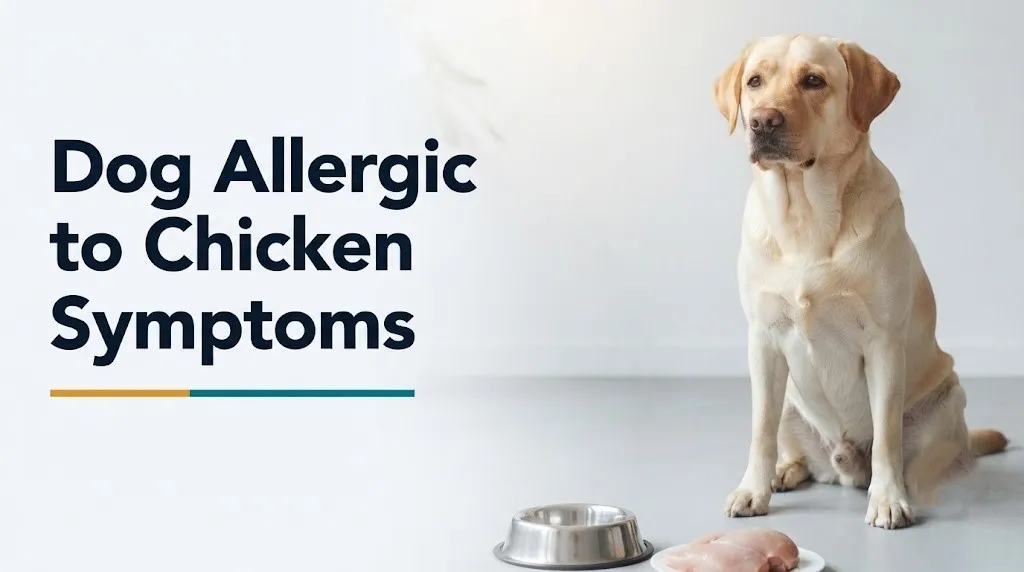
A dog that is allergic to chicken typically shows symptoms affecting the skin, ears, paws, and gastrointestinal tract, and these signs can develop after months or years of eating chicken-containing food without any obvious problem. Recognizing dog allergic to chicken symptoms early is the single most important step toward getting your dog relief and stopping the cycle of recurring infections and discomfort.
The American Veterinary Medical Association recognizes canine food hypersensitivity as a clinically real and increasingly diagnosed condition, with chicken consistently appearing among the top three most common food allergens in dogs alongside beef and dairy. What makes this particularly tricky is that dogs are typically allergic to proteins they have eaten repeatedly over time, not proteins they encounter for the first time.
This article covers every observable symptom of a chicken allergy in dogs, explains the biological mechanism behind each one, distinguishes true allergy from food intolerance, walks through how veterinarians diagnose and manage the condition, and tells you exactly when your dog’s symptoms require same-day emergency veterinary attention.
Dog Allergic to Chicken Symptoms: What to Look For
A dog allergic to chicken most commonly shows persistent itching, recurrent ear infections, paw licking or chewing, skin rashes or hot spots, vomiting, and diarrhea, with skin and ear symptoms being the most frequent presentation in the majority of affected dogs.
The symptom picture in canine chicken allergy is broader than most pet owners expect. It rarely looks like a single obvious reaction. Instead, it tends to show up as problems that keep coming back despite treatment, such as ear infections that clear up with medication and then return within weeks, or itchy skin that improves on steroids only to flare again when the medication stops.
Because chicken is an ingredient in the vast majority of commercial dog foods and many treats, exposure is often continuous. This means symptoms are typically chronic rather than acute. A dog eating chicken daily will show ongoing signs rather than sudden episodes.
Key observable symptoms across all body systems:
- Intense, persistent scratching, especially of the face, belly, groin, and armpits
- Head shaking and pawing at the ears, with dark or reddish-brown discharge from the ear canals
- Licking, chewing, or biting at the paws, often leaving the fur reddish-brown from saliva staining
- Red, raised, or crusty patches on the skin (especially belly, inner thighs, and around the base of the tail)
- Vomiting that occurs within 1 to 4 hours after eating, or chronic low-grade vomiting
- Loose stools, soft feces, or intermittent diarrhea that doesn’t respond to bland diet changes
- Hair loss (alopecia) from chronic scratching or self-trauma in affected areas
- Thickened, darkened, or elephant-like skin texture in chronically affected areas
Individual variation note: Dogs with concurrent canine atopic dermatitis (environmental allergy to pollen, dust mites, or mold) may show identical skin symptoms, making it genuinely difficult for pet owners and even veterinarians to determine whether the trigger is food-based or environmental without a structured elimination diet trial.
What Is a Chicken Allergy in Dogs
A chicken allergy in dogs is an adverse food reaction driven by the dog’s immune system incorrectly identifying specific proteins in chicken as a threat, triggering an inflammatory response that damages the skin, ear canals, gastrointestinal lining, or all three simultaneously.
The veterinary term is canine food hypersensitivity or food-responsive dermatosis. What distinguishes it from other skin conditions is that the underlying trigger is dietary rather than environmental. Remove the trigger, and the immune response eventually subsides. Leave the trigger in the diet, and the inflammatory cycle continues regardless of how many topical treatments are applied.
Chicken is one of the most common protein sources in commercial dog food globally, which is directly related to why it ranks so highly as a canine allergen. According to a clinical analysis published in Veterinary Dermatology, chicken was identified as a causative allergen in a substantial proportion of dogs with food-responsive dermatological disease, frequently appearing alongside beef and dairy in multi-allergen cases.
The condition is not a sign of poor immune health or an unusual immune defect. It reflects a normal immune learning process that has misfired, producing an immune memory response to a food protein rather than to a pathogen. Once that immune memory is established, even small amounts of chicken can re-trigger the response.
Individual variation note: Dogs with a prior or concurrent diagnosis of canine atopic dermatitis are at higher risk for developing food allergy than dogs without atopic dermatitis. Research published in Veterinary Immunology and Immunopathology has found an association between atopic dermatitis and increased intestinal permeability in dogs, suggesting the compromised skin and mucosal barrier in atopic dogs may facilitate allergen sensitization.
How Chicken Triggers an Allergic Reaction in Dogs
Chicken triggers an allergic reaction in dogs when specific chicken proteins, primarily albumin, myosin, and collagen, cross the intestinal mucosal barrier, are recognized by the canine immune system as foreign antigens, and initiate a cascade that ultimately leads to mast cell degranulation and inflammatory mediator release in the skin and gut.
Think of the intestinal lining like a finely woven net. Normally, that net allows nutrients to pass through in controlled, small fragments while keeping large protein molecules out. In dogs with food allergy, the net develops gaps, a state called increased intestinal permeability. Whole or partially digested chicken protein fragments slip through and encounter immune cells on the other side.
In the type I hypersensitivity pathway (the most classically “allergic” mechanism), dendritic cells in the intestinal lamina propria pick up chicken protein fragments and present them to naive T-helper lymphocytes. These lymphocytes differentiate into a Th2 phenotype and release interleukin-4 (IL-4) and interleukin-13 (IL-13), which instruct B-lymphocytes to produce immunoglobulin E (IgE) antibodies specific to chicken antigens. That IgE then binds to FcεRI receptors on mast cells in the skin and mucosal tissues. On the next exposure to chicken, antigen cross-links IgE on mast cell surfaces, triggering immediate degranulation and the release of histamine, prostaglandins, and leukotrienes.
A second pathway, type IV hypersensitivity (T-lymphocyte mediated, delayed), involves sensitized T-cells in the lamina propria responding directly to chicken antigen without IgE involvement. This produces a delayed-onset inflammatory infiltrate, which explains why some dogs show symptoms hours to days after chicken exposure rather than within the first two hours.
The Merck Veterinary Manual notes that both IgE-mediated and non-IgE-mediated immune mechanisms can contribute to canine adverse food reactions, and that the clinical presentation alone cannot reliably distinguish between them.
Individual variation note: Dogs with type IV hypersensitivity as the dominant mechanism tend to show delayed gastrointestinal symptoms (diarrhea appearing 12 to 48 hours after eating) rather than the rapid-onset vomiting more typical of IgE-mediated reactions. This delayed pattern can make chicken the harder allergen to identify through observation alone.
Key Takeaway: Chicken allergies in dogs involve real immune system reactions to specific protein fractions in chicken (albumin, myosin, collagen), and symptoms are driven by mast cell degranulation and histamine release in the skin and gut, not by a general sensitivity to food quality.
Skin Symptoms of Chicken Allergy in Dogs
The skin is the most commonly affected organ in dogs with a chicken allergy, with pruritus (intense itching) being the hallmark symptom, occurring in the vast majority of food-allergic dogs and typically affecting the face, belly, groin, armpits, and the skin around the base of the tail.
The reason dogs manifest food allergy through the skin rather than the airways (as is more typical in human food allergy) relates to the uniquely high density of IgE-sensitized mast cells in canine dermal tissue. When histamine is released from these skin mast cells after chicken antigen exposure, it binds to H1 receptors on sensory nerve endings in the dermis, directly triggering the itch signal. The dog scratches, bites, and rubs the affected areas, which then introduces secondary bacterial and yeast infections that compound the original allergic inflammation.
The skin symptom progression in untreated chicken allergy typically follows this pattern:
- Early stage: redness, mild itching, occasional scratching of the face or belly
- Intermediate stage: persistent scratching leaving raw or excoriated patches, development of hot spots (acute moist dermatitis) from self-trauma
- Advanced stage: lichenification (thickening and leathery texture of chronically inflamed skin), hyperpigmentation (darkening of affected skin), hair loss from repeated self-trauma, and secondary bacterial pyoderma (staph or strep skin infection requiring antibiotic treatment)
- Concurrent development: Malassezia dermatitis (yeast overgrowth on affected skin areas), producing a distinctive musty odor and greasy texture
| Skin Symptom | Mechanism | Typical Body Location |
|---|---|---|
| Pruritus (itching) | Histamine binding H1 receptors on dermal sensory nerves | Face, belly, groin, armpits, base of tail |
| Hot spots | Acute moist dermatitis from self-trauma and secondary infection | Anywhere, especially hind legs and back |
| Lichenification | Chronic inflammation and epidermal hyperplasia | Belly, inner thighs, axillae |
| Hyperpigmentation | Melanocyte stimulation from chronic inflammation | Same areas as lichenification |
| Alopecia (hair loss) | Mechanical self-trauma from scratching and chewing | Paws, belly, around ears |
| Secondary pyoderma | Staphylococcus pseudintermedius overgrowth on compromised skin | Anywhere with broken skin barrier |
Individual variation note: Short-coated breeds such as French Bulldogs and Boxers may show skin redness and rashes more visibly than long-coated breeds, where the same degree of inflammation can be hidden under fur. Long-coated breeds may show hair matting, rust staining from saliva, or a persistent musty smell before the owner notices visible skin lesions.
Gastrointestinal Symptoms of Chicken Allergy in Dogs
Gastrointestinal symptoms of a chicken allergy in dogs include vomiting, diarrhea, excessive gas, bloating, and intermittent abdominal discomfort, occurring in approximately 10% to 15% of food-allergic dogs as the dominant symptom and in a larger proportion as a secondary symptom alongside skin changes.
The gastrointestinal tract is the site where allergen exposure first occurs. When chicken antigens cross the jejunal epithelium and activate mast cells in the intestinal lamina propria, the resulting histamine and prostaglandin release causes smooth muscle contraction in the intestinal wall. This produces the cramping and increased motility that drives vomiting and diarrhea. Prostaglandins also increase intestinal secretion, contributing to the loose, watery stool pattern some dogs show.
In dogs where the type IV hypersensitivity pathway is dominant, the delayed T-lymphocyte inflammatory response in the lamina propria can produce a picture similar to inflammatory bowel disease (IBD): chronic intermittent soft stools, weight loss, and reduced appetite, without prominent skin involvement. This presentation is frequently misdiagnosed as IBD or dietary indiscretion before food allergy is considered.
Observable gastrointestinal symptoms in affected dogs:
- Vomiting within 1 to 4 hours of eating chicken-containing food (IgE-mediated, rapid)
- Chronic low-grade vomiting occurring most mornings or most evenings regardless of meal timing
- Soft, loose, or mucoid (mucus-covered) stools occurring more than twice daily
- Flatulence (excessive gas) and audible gut sounds (borborygmi)
- Straining or urgency to defecate, sometimes with small volumes of mucus or blood-tinged stool (hematochezia in severe mucosal inflammation)
- Reduced appetite or food aversion developing around mealtime
- Gradual weight loss in dogs with chronic, undiagnosed food allergy and impaired nutrient absorption
Individual variation note: Soft-Coated Wheaten Terriers and Shar Peis are disproportionately represented in reports of food-responsive protein-losing enteropathy, a severe form of food-related gastrointestinal disease where protein is lost through the inflamed intestinal wall, producing hypoalbuminemia and edema. A licensed veterinary internist should evaluate any dog of these breeds showing chronic diarrhea with weight loss and swelling, particularly if standard dietary changes haven’t resolved the problem.
Ear and Paw Symptoms of Chicken Allergy in Dogs
Recurrent otitis externa (ear canal infection) and obsessive licking or chewing of the paws are two of the most diagnostically useful signs of a chicken allergy in dogs, because both are driven by the same allergic inflammatory process targeting different skin surfaces.
The external ear canal in dogs, particularly in floppy-eared breeds, has a long, L-shaped structure (a vertical canal opening from the outside and a horizontal canal turning toward the eardrum). The lining of this canal is skin. When allergen-driven histamine release triggers inflammation in the canal lining, the microenvironment becomes warm, moist, and immunologically compromised. This creates ideal conditions for bacterial (usually Staphylococcus pseudintermedius or Pseudomonas aeruginosa in chronic cases) and yeast (Malassezia pachydermatis) overgrowth.
A dog that gets two or more ear infections per year with no other obvious cause (foreign body, structural abnormality, or water exposure) should be evaluated for underlying allergy as the root cause. Treating only the infection without addressing the allergic trigger produces a predictable cycle: infection clears with medication, the allergic inflammation continues, the canal re-populates with opportunistic organisms, and the infection returns within 4 to 8 weeks.
Paw chewing and licking follow the same mechanism. The interdigital skin (the tissue between the toes) has a high concentration of mast cells and is in continuous contact with environmental surfaces. Histamine release from dermal mast cells in this area produces a burning itch sensation. Dogs lick and chew to relieve it, introducing saliva that stains the fur reddish-brown from porphyrin pigments and maceration of the skin, which then leads to secondary yeast and bacterial infections between the toes.
Quick Tip:
- Reddish-brown fur staining between the toes (rust coloring from saliva) is a reliable visual sign of chronic paw licking and warrants veterinary evaluation for underlying allergy.
- Dogs with one ear more chronically affected than the other are more likely to have a structural or foreign body cause. Dogs with both ears recurrently infected are more likely to have systemic allergy as the driver.
- A board-certified veterinary dermatologist should evaluate any dog whose ear infections recur more than three times per year despite appropriate antibiotic or antifungal treatment, to determine whether food allergy is the underlying cause.
Individual variation note: Labrador Retrievers and Golden Retrievers are among the breeds with the highest reported rate of recurrent otitis externa linked to food allergy, according to case series published in Veterinary Dermatology. Their ear canal anatomy and genetic predisposition to atopy make them particularly susceptible to the combined impact of allergic inflammation and secondary infection.
Key Takeaway: Recurrent ear infections and chronic paw licking in a dog are not just isolated problems but are often the clearest early warning signs of an underlying food allergy, because the same IgE-mast cell-histamine pathway is producing inflammation in the ear canal and interdigital skin simultaneously.
Chicken Allergy vs Chicken Intolerance in Dogs
A chicken allergy in dogs involves an immune system response (IgE or T-lymphocyte mediated) producing skin, ear, and gastrointestinal symptoms, while chicken intolerance is a non-immunological adverse food reaction producing gastrointestinal symptoms only, without any immune activation, dermatological involvement, or risk of anaphylaxis.
This distinction matters enormously for diagnosis and management. A dog with true chicken allergy will show skin and ear symptoms alongside or instead of gastrointestinal signs. A dog with chicken intolerance will show only gastrointestinal symptoms, and those symptoms are typically dose-dependent: small amounts of chicken may be tolerated, while larger amounts reliably trigger diarrhea or vomiting.
The physiological basis of intolerance differs completely. Instead of IgE and mast cells, intolerance involves direct mucosal irritation from food components, enzyme deficiency (such as insufficient brush-border disaccharidases making certain food components harder to digest), or pharmacological reactions to biogenic amines (like histidine in chicken muscle, which some dogs with low diamine oxidase activity cannot metabolize effectively). No immune sensitization, no IgE production, no skin symptoms.
| Feature | Chicken Allergy (Immunological) | Chicken Intolerance (Non-Immunological) |
|---|---|---|
| Immune system involved | Yes (IgE or T-lymphocyte) | No |
| Skin symptoms | Yes, frequently the dominant symptom | No |
| Ear infections | Yes, common | No |
| GI symptoms | Yes, in approximately 10% to 15% of cases | Yes, the primary symptom |
| Dose dependency | Not dose-dependent; even trace amounts trigger response | Often dose-dependent; larger amounts = more symptoms |
| Anaphylaxis risk | Yes, rare but documented | No |
| Diagnosis method | Elimination diet trial with rechallenge | Elimination diet trial with rechallenge; but rechallenge dose-response differs |
| Time to symptom onset | Variable: minutes to days depending on pathway | Hours, usually gastrointestinal |
The Merck Veterinary Manual explicitly classifies adverse food reactions in dogs into immunological (food allergy or hypersensitivity) and non-immunological (food intolerance) subtypes, and notes that clinical signs alone cannot reliably distinguish between them without a structured dietary elimination trial and rechallenge.
Individual variation note: Intact female dogs have not been shown in published veterinary research to have a higher overall rate of food allergy than neutered dogs or male dogs. However, hormonal fluctuations during estrus may transiently worsen pruritic symptoms in atopic dogs with concurrent food allergy, a pattern reported in clinical veterinary dermatology practice though not yet confirmed by controlled study.
How Long Do Chicken Allergy Symptoms Last in Dogs
Chicken allergy symptoms in dogs persist as long as the dog continues to be exposed to chicken in any form, and most dogs show measurable improvement within 4 to 8 weeks of complete chicken elimination, with full resolution of skin and gastrointestinal symptoms often taking 8 to 12 weeks.
The timeline reflects the biological processes involved. Skin inflammation and secondary infections don’t resolve instantly when the allergen is removed. The IgE-sensitized mast cells in the skin remain ready to respond, but without antigen stimulation, the acute inflammatory signal gradually reduces. Existing secondary bacterial pyoderma and Malassezia infections require specific treatment (veterinarian-prescribed antimicrobials or antifungals) and won’t clear on diet change alone.
The 8 to 12 week elimination diet period recommended by the American College of Veterinary Dermatology (ACVD) exists precisely because the immune response takes time to quiet down even after the trigger is removed. A common mistake is concluding after 2 to 3 weeks that the dietary change “didn’t work” when the dog hasn’t yet had sufficient time to show improvement.
Key timeline to observe during an elimination diet trial:
- Weeks 1 to 2: Continue monitoring for any dietary slip-ups (hidden chicken in treats, table scraps, flavored medications). Symptoms may not change yet.
- Weeks 3 to 4: Some reduction in acute itch intensity may be noticeable. Ear inflammation may begin to settle if no new infection has developed.
- Weeks 5 to 8: Skin should show measurable improvement. Secondary infections may require concurrent treatment from a licensed veterinarian.
- Weeks 8 to 12: Full assessment period. If improvement has occurred, a deliberate food rechallenge with chicken confirms the diagnosis.
- Post-rechallenge: Symptoms should return within 1 to 14 days of reintroducing chicken if it is the causative allergen.
Individual variation note: Senior dogs (aged 7 and older) typically show slower symptom resolution during an elimination diet trial because chronic allergic inflammation has often produced secondary structural skin changes (lichenification, fibrosis of the ear canal) that don’t reverse quickly even after the allergic stimulus is removed. A licensed veterinarian should set realistic expectations about timeline for older dogs.
Dog Breeds Most Prone to Chicken Allergies
No dog breed is immune to chicken allergy, but several breeds are disproportionately represented in published veterinary case series of food-responsive dermatological disease, reflecting a genetic predisposition to immune dysregulation and impaired skin barrier function.
The breeds most consistently identified in multiple published case series from Veterinary Dermatology and the Journal of Veterinary Internal Medicine as having elevated rates of canine food hypersensitivity include:
- Labrador Retrievers: Among the most commonly affected breeds, with a high prevalence of both food allergy and concurrent atopic dermatitis
- Golden Retrievers: Similar to Labradors, with frequent reports of recurrent otitis externa and pruritus linked to food triggers
- West Highland White Terriers: Genetically predisposed to epidermal barrier dysfunction and Malassezia dermatitis, which food allergy aggravates
- Cocker Spaniels: High risk for recurrent otitis externa, frequently associated with food allergy as an underlying driver
- German Shepherd Dogs: Reported at elevated rates in food-responsive gastrointestinal disease as well as dermatological presentations
- French Bulldogs: Increasingly recognized in recent clinical reports as a breed with high food allergy prevalence, likely related to their genetic atopic predisposition
- Boxers: Historically recognized for a higher rate of adverse food reactions, particularly with beef and chicken
- Shar Peis: High prevalence of food-responsive protein-losing enteropathy alongside skin allergy
- Soft-Coated Wheaten Terriers: Notable for food-responsive enteropathy with protein loss, requiring specialized veterinary management
Being a mixed-breed dog does not eliminate allergy risk. Mixed-breed dogs develop chicken allergy as well, though breed-specific genetic predispositions are diluted across mixed parentage.
Individual variation note: Brachycephalic breeds (flat-faced dogs such as French Bulldogs, Bulldogs, and Pugs) may have their skin allergy symptoms initially misattributed to their skin fold anatomy rather than food allergy. A skin fold that becomes infected repeatedly despite regular cleaning may reflect underlying allergic inflammation rather than just anatomical wetness.
Key Takeaway: Labrador Retrievers, Golden Retrievers, West Highland White Terriers, Cocker Spaniels, and French Bulldogs are among the breeds with the highest reported prevalence of food-responsive dermatological disease, but any dog regardless of breed can develop a chicken allergy after months or years of exposure.
Puppy and Senior Dog Chicken Allergy Symptoms
Chicken allergy can develop and present at any age, but puppies under 12 months and senior dogs over 7 years both show distinct symptom patterns and diagnostic challenges that differ from the typical adult dog presentation.
In puppies, a chicken allergy diagnosis under 12 months of age is less common than in adults but is well-documented in the veterinary literature, with some case reports of food allergy presentations as young as 3 to 4 months. When puppies develop food allergy early, it often reflects intense or exclusive exposure to a single protein source (chicken-only diets) combined with a still-developing mucosal immune barrier. The neonatal canine intestinal epithelium has incompletely developed tight junctions compared to adult dogs, which may allow greater antigen uptake and earlier sensitization.
Puppy symptoms often include:
- Facial itching, rubbing the muzzle on carpet or furniture
- Ear scratching from the first episodes of otitis developing in an otherwise healthy puppy
- Intermittent soft stools that don’t respond to probiotic or dietary fiber changes
- Slower-than-expected weight gain if gastrointestinal inflammation is reducing nutrient absorption
For senior dogs, the picture is different. An older dog that has eaten the same chicken-based food for years without obvious problems can still develop a food allergy because immune sensitization is a cumulative process. The American College of Veterinary Internal Medicine (ACVIM) recognizes that new-onset food allergy in middle-aged or older dogs is a documented and diagnostically important presentation.
Senior dogs may also show:
- Worsening of previously mild pruritus that now no longer responds to antihistamines or steroids
- Weight loss alongside skin problems, suggesting concurrent gastrointestinal involvement
- New-onset ear infections in a dog that previously never had ear problems
- Symptoms complicated by concurrent hypothyroidism or Cushing’s disease, which alter immune regulation and skin health, making food allergy harder to isolate as the cause
Individual variation note: Senior dogs on long-term corticosteroid therapy for other conditions may have partially suppressed food allergy symptoms, making the condition harder to identify. If a senior dog’s pruritus increases when steroids are tapered or discontinued, food allergy should be investigated as a contributing trigger by a licensed veterinarian.
Hidden Chicken in Dog Food: Ingredients to Watch For
Eliminating chicken from a dog’s diet is far more challenging than it appears because chicken protein appears under multiple ingredient names in commercial dog foods, treats, medications, and even some dental chews, and any of these hidden sources can perpetuate the allergic response.
This is one of the most common reasons that well-intentioned elimination diets fail. The owner switches to a “chicken-free” dog food but continues giving chicken-flavored treats, pill pockets, or a monthly heartworm medication with a chicken-based flavoring. The dog’s symptoms don’t improve, and the owner concludes food allergy has been ruled out, when in fact the allergen was never fully removed.
Chicken ingredients to identify and eliminate from every product your dog eats, including medications and supplements:
- Chicken: listed directly by name, any variety
- Chicken meal: dehydrated rendered chicken product; still contains chicken proteins
- Chicken by-products or chicken by-product meal: offal-based chicken product, still allergenic
- Poultry meal or poultry by-products: may contain chicken even when not named specifically
- Chicken fat: the protein fraction may be minimal but is not zero; some highly sensitive dogs react
- Chicken broth or chicken flavor: contains dissolved chicken proteins, sufficient to trigger reactions
- Egg and egg products: eggs come from chickens and share some protein cross-reactivity, though chicken egg albumin (ovalbumin) is a distinct antigen; some chicken-allergic dogs tolerate eggs, others do not
- Hydrolyzed chicken protein: enzymatically broken-down chicken protein used in some “hypoallergenic” foods; the degree of hydrolysis determines whether peptide fragments are small enough to avoid immune recognition; some dogs still react
According to WSAVA (World Small Animal Veterinary Association) Nutritional Guidelines, a proper elimination diet trial requires a food with a single novel protein source that the dog has never eaten before, or a veterinary hydrolyzed protein diet with confirmed sufficient hydrolysis, to be truly diagnostic.
Individual variation note: Dogs with cross-reactive allergy to chicken may also react to turkey, duck, or other poultry proteins due to shared epitopes on muscle myosin. If a dog’s symptoms persist after switching from chicken to turkey-based food, cross-reactivity should be discussed with a licensed veterinarian.
How Vets Diagnose a Chicken Allergy in Dogs
The gold standard for diagnosing a chicken allergy in dogs is an 8 to 12 week strict dietary elimination diet trial followed by a deliberate food rechallenge, as endorsed by the American College of Veterinary Dermatology (ACVD), because no blood test or skin test currently available reliably confirms food allergy in dogs.
This is the most important fact about canine food allergy diagnosis that most pet owners don’t know. Serum IgE allergy testing for food antigens in dogs, while widely marketed, has been shown in multiple published studies in Veterinary Dermatology to have poor sensitivity and specificity for identifying the actual causative food allergen. A blood test showing a high IgE response to chicken doesn’t definitively confirm chicken as the clinical allergen, and a negative result doesn’t rule it out. The elimination diet trial is the only currently validated diagnostic method.
The full diagnostic process typically unfolds as follows:
- Complete physical examination: The veterinarian assesses the distribution and severity of skin lesions, ear condition, and body weight, and rules out other causes of pruritus (external parasites such as Sarcoptes scabiei, Demodex canis, flea allergy dermatitis).
- Skin and ear cytology: Samples are taken from affected skin areas and ear canals to identify secondary infections (bacteria, yeast) requiring concurrent treatment.
- Fecal examination: Rules out intestinal parasites as a cause of gastrointestinal signs.
- Complete blood count (CBC) and serum chemistry panel: Assesses overall health and rules out systemic conditions (hypothyroidism, Cushing’s disease) that mimic or worsen allergic skin disease.
- Selection of elimination diet: The veterinarian recommends a commercial or home-prepared diet using a single novel protein the dog has never eaten (examples include kangaroo, venison, rabbit, or fish if never previously fed) or a veterinary hydrolyzed protein diet. The entire household must comply: no treats, no table scraps, no flavored medications other than those approved by the vet.
- 8 to 12 week trial period: The dog eats only the elimination diet. Any symptom improvement is tracked.
- Food rechallenge: If symptoms have improved, the original diet (containing chicken) is reintroduced for 2 weeks. If symptoms return, food allergy is confirmed. Specific rechallenge with chicken alone then identifies chicken as the causative allergen.
Individual variation note: Dogs with concurrent flea allergy dermatitis must have fleas fully controlled throughout the elimination diet trial or the flea allergic pruritus will mask any improvement from the dietary change, producing a falsely negative trial result.
What to Feed a Dog with a Chicken Allergy
Dogs confirmed or suspected to have a chicken allergy need a diet that contains zero chicken protein in any form and is based on either a single novel protein source the dog has never been exposed to before, or a veterinary-grade hydrolyzed protein food where the protein molecules have been broken down to a size below the immune recognition threshold.
The two main dietary approaches for chicken-allergic dogs are:
Novel protein diet: A food containing a protein source entirely new to that specific dog, such as kangaroo, venison, rabbit, bison, or fish, paired with a single novel carbohydrate. The key is novelty for that individual dog, not novelty in the abstract. A dog that has eaten salmon-based food before cannot use salmon as a novel protein for diagnostic purposes.
Hydrolyzed protein diet: A veterinary formulated food where a common protein (often chicken or soy) has been enzymatically broken into peptide fragments too small for IgE cross-linking on mast cells. The WSAVA Nutritional Guidelines recommend using a veterinary hydrolyzed diet rather than an over-the-counter version because quality control over the degree of hydrolysis is more reliable in veterinary products.
Important feeding guidelines for chicken-allergic dogs:
- Read every label on every food, treat, supplement, and medication the dog receives
- Choose treats made from the same novel protein used in the elimination diet, not “grain-free” or “natural” treats that still contain chicken meal or poultry by-products
- Ask your veterinarian about chicken-free flavoring options for medications (some monthly heartworm preventatives are chicken-flavored; alternatives exist)
- Use stainless steel or glass food bowls rather than plastic; plastic bowls can harbor protein residue from prior chicken-containing foods
- Inform all household members and dog-sitters of the dietary restriction to prevent accidental exposure
Individual variation note: Dogs with confirmed chicken allergy and concurrent inflammatory bowel disease require a dietary plan developed in partnership with a board-certified veterinary internist, because the nutritional requirements for managing IBD may complicate the standard novel-protein approach.
Key Takeaway: Successfully eliminating chicken from a dog’s diet requires reading every label on every product the dog consumes, including treats, supplements, and flavored medications, because hidden chicken ingredients in any single product can perpetuate the allergic response and invalidate the elimination trial.
Emergency Signs: When to Take Your Dog to the Vet Immediately
Certain symptoms associated with a chicken allergy in dogs require immediate emergency veterinary evaluation. Do not wait to see if these resolve on their own.
Take your dog to the nearest emergency veterinary clinic immediately if you observe:
- Sudden facial swelling, particularly swelling of the muzzle, eyelids, or lips, which indicates angioedema and reflects acute mast cell degranulation in facial tissue, a sign of systemic anaphylaxis
- Raised, hive-like welts across the body (urticaria), developing rapidly within minutes to an hour of eating chicken-containing food
- Collapse or sudden inability to stand or walk, which can indicate cardiovascular compromise from anaphylactic shock, including severe vasodilation and a drop in blood pressure
- Pale, white, or bluish-tinged gums (check by lifting the lip to see the mucous membranes), indicating poor peripheral perfusion from circulatory collapse
- Rapid, shallow breathing or open-mouth breathing in a dog that is not exercising, reflecting respiratory distress from laryngeal edema or bronchospasm
- Acute profuse vomiting occurring immediately after eating, especially when accompanied by any of the above signs
- Sudden extreme weakness, trembling, or loss of consciousness
These presentations can indicate acute anaphylaxis (IgE-mediated systemic allergic emergency) and require emergency medical assessment at a veterinary emergency clinic, not a call to schedule an appointment.
If you believe your dog has ingested something toxic alongside a food allergen, call the ASPCA Animal Poison Control Center at 888-426-4435 immediately. A consultation fee may apply.
Recurrent but non-emergency ear infections, persistent itching, or chronic gastrointestinal upset that is worsening should prompt a scheduled appointment with a licensed veterinarian within 24 to 48 hours, not an emergency clinic, but do not delay beyond that point if the symptoms are significantly affecting your dog’s comfort or daily function.
Frequently Asked Questions About Chicken Allergy in Dogs
What are the most common signs that a dog is allergic to chicken?
The most common signs of a dog allergic to chicken are persistent itching of the face, belly, and paws, recurrent ear infections with dark discharge, and paw licking or chewing, with gastrointestinal signs such as vomiting or diarrhea occurring in a smaller proportion of affected dogs.
These symptoms typically develop after months or years of eating chicken-containing food, not on the first exposure.
Any dog showing two or more of these signs simultaneously, particularly recurrent ear infections combined with generalized itching, should be evaluated by a licensed veterinarian for possible food allergy.
How long does it take for a dog to show symptoms after eating chicken?
A dog can show symptoms anywhere from within 1 to 2 hours of eating chicken (in IgE-mediated, type I hypersensitivity) to 12 to 48 hours after exposure (in delayed T-lymphocyte mediated, type IV hypersensitivity reactions).
The IgE-mediated rapid response typically produces acute vomiting and skin flushing, while the delayed response more often produces diarrhea and worsening pruritus.
In dogs eating chicken daily, symptoms appear chronic and continuous rather than episodic because the allergen is never fully removed between exposures.
Can dogs be allergic to cooked chicken but not raw?
Cooking does not reliably eliminate the allergenic properties of chicken proteins in dogs because the specific protein structures (epitopes on albumin, myosin, and collagen) that the immune system recognizes remain intact after standard cooking temperatures.
Research in food allergy immunology indicates that some conformational epitopes (three-dimensional structures recognized by IgE antibodies) are destroyed by heat, but sequential epitopes (linear protein sequences) remain allergenic regardless of cooking method.
A dog with a confirmed chicken allergy should avoid all chicken in any form, including raw, cooked, boiled, baked, dehydrated, or freeze-dried, until a veterinarian provides specific guidance based on the diagnostic trial results.
How do I know if my dog has a chicken allergy or a different kind of allergy?
Distinguishing a chicken allergy from environmental allergy (atopic dermatitis triggered by pollen, dust mites, or mold) requires an 8 to 12 week dietary elimination trial because the skin symptoms are clinically identical.
Environmental allergy symptoms typically worsen seasonally (if triggered by seasonal pollens) or year-round (if triggered by dust mites or indoor molds), while food allergy symptoms are consistent regardless of season.
A licensed veterinarian or board-certified veterinary dermatologist can help design a diagnostic plan that distinguishes between the two causes, which is essential because the treatment approaches differ completely.
Can a chicken allergy in dogs go away on its own?
A chicken allergy in dogs does not go away on its own as long as the dog continues to be exposed to chicken, because the immune sensitization (IgE antibody production and mast cell priming) persists once established.
Symptom intensity may fluctuate naturally based on the amount of chicken consumed, concurrent infections, or concurrent environmental allergy burden, but the underlying immune sensitization does not resolve without dietary management.
Complete and permanent removal of chicken from the diet is the only currently validated way to eliminate the allergic trigger; a licensed veterinarian should guide this process.
What should I do if I think my dog is having a severe allergic reaction to chicken?
Take your dog to the nearest emergency veterinary clinic immediately if you observe facial swelling, hive-like welts across the body, pale gums, collapse, rapid shallow breathing, or sudden weakness after eating chicken-containing food.
These signs indicate acute anaphylaxis, which is a life-threatening systemic allergic emergency that requires intravenous treatment with epinephrine, corticosteroids, and supportive care that cannot be administered at home.
Do not wait for symptoms to worsen or attempt to manage the reaction at home; every minute of delay in anaphylaxis management increases the risk of irreversible cardiovascular compromise.
The most actionable thing you can do today if you suspect your dog has a chicken allergy is to read every label on every product your dog currently eats, including food, treats, supplements, flavored medications, and dental chews, and identify where chicken protein appears. That’s not a complete solution, but it’s the starting point that makes everything else possible.
Your next step is a scheduled appointment with a licensed veterinarian to discuss a formal 8 to 12 week elimination diet trial. Bring a list of every food, treat, and medication your dog currently receives. Ask specifically about which novel protein or hydrolyzed protein diet is most appropriate for your dog’s history and current symptom severity. If your dog has chronic ear infections, ask for ear cytology at that same visit.
Your dog can’t tell you what’s wrong. But the persistent scratching, the recurring ear problems, and the chronic loose stools are telling you something specific. You now have the clinical picture to bring that conversation to your veterinarian with real precision.