What Causes Sneezing Fits? Triggers and When to Act
Sneezing fits happen when a specific trigger repeatedly activates the trigeminal nerve reflex arc in your brainstem, causing your body to fire off multiple forceful sneezes in rapid succession rather than just one. The cause is almost always identifiable, and for most people it falls into one of a manageable set of categories: airborne allergens, viral upper respiratory infections, environmental irritants, structural nasal problems, or specific medications.
According to the American Academy of Allergy Asthma and Immunology (AAAAI), allergic rhinitis alone affects an estimated 40 to 60 million Americans and is among the most frequently reported triggers of paroxysmal sneezing (sneezing fits) in the United States. That number makes sneezing fits one of the most common, yet consistently under-explained, respiratory experiences people deal with daily.
This article covers every major cause of sneezing fits with the actual physiology behind each one, distinguishes episodic sneeze attacks from chronic or continuous sneezing, and tells you specifically when self-management is appropriate and when you need professional evaluation.
What Causes Sneezing Fits
Sneezing fits are caused by repeated activation of the body’s sneeze reflex, triggered when irritants, allergens, infections, structural problems, or nerve-level stimuli lower the threshold of the nasal sensory system below the point where a single sneeze clears the irritant.
A single sneeze occurs when the nasal mucosa detects an irritant and sends a signal through the trigeminal nerve (cranial nerve V) to the brainstem’s lateral medullary sneeze center. When the triggering stimulus is strong, persistent, or accompanied by widespread mucosal inflammation, the reflex fires again and again before the initial irritant or inflammatory signal clears. That repeated firing is what produces a sneezing fit.
There is an important clinical distinction between two presentations. An episodic sneeze attack comes on suddenly, has an identifiable trigger (pollen, dust, a strong scent, bright light), lasts a few minutes, and then resolves. Chronic or continuous sneezing persists for hours, days, or weeks, and the trigger may not be obvious.
The clinical significance of that distinction is real. Episodic fits triggered by allergens or irritants are generally self-limiting once the trigger is removed. Persistent sneezing lasting more than two weeks without a clear trigger can indicate nonallergic rhinitis, nasal polyposis, medication effects, or in less common cases, a structural nasal problem that needs clinical evaluation.
Most Common Causes of Sneezing Fits at a Glance
| Cause | Mechanism | Frequency | Requires Medical Evaluation? |
|---|---|---|---|
| Allergic rhinitis | IgE-mediated mast cell degranulation, histamine release | Very common | If uncontrolled or undiagnosed |
| Viral upper respiratory infection | Mucosal inflammation, viral irritant effect | Very common | If fever, severe symptoms, or duration beyond 10 days |
| Environmental irritants | Direct trigeminal nerve stimulation | Common | Rarely |
| Nonallergic vasomotor rhinitis | Autonomic nerve hypersensitivity | Common | Yes, for accurate diagnosis |
| Nasal polyps | Structural mucosal obstruction and inflammation | Less common | Yes, requires endoscopic evaluation |
| Photic sneeze reflex | Visual-trigeminal nerve cross-activation | Less common | Rarely |
| Medication-related | ACE inhibitor bradykinin accumulation; decongestant rebound | Less common | Yes, medication review needed |
Causes of Sneezing
The causes of sneezing range from everyday airborne particles to chronic inflammatory nasal conditions, with the common thread being activation of the trigeminal nerve’s sensory endings in the nasal cavity.
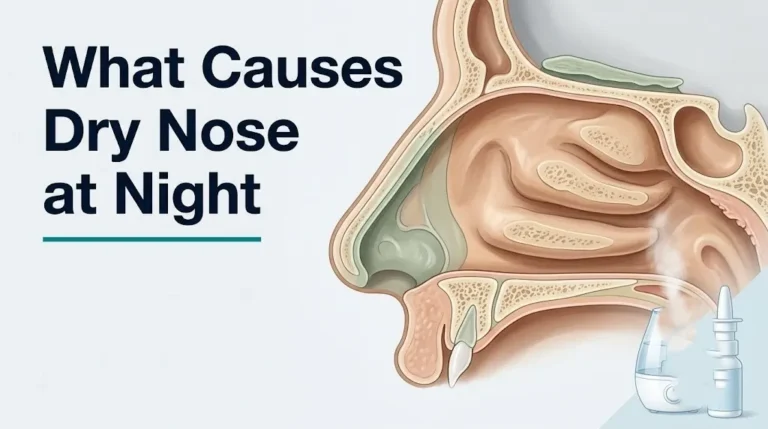
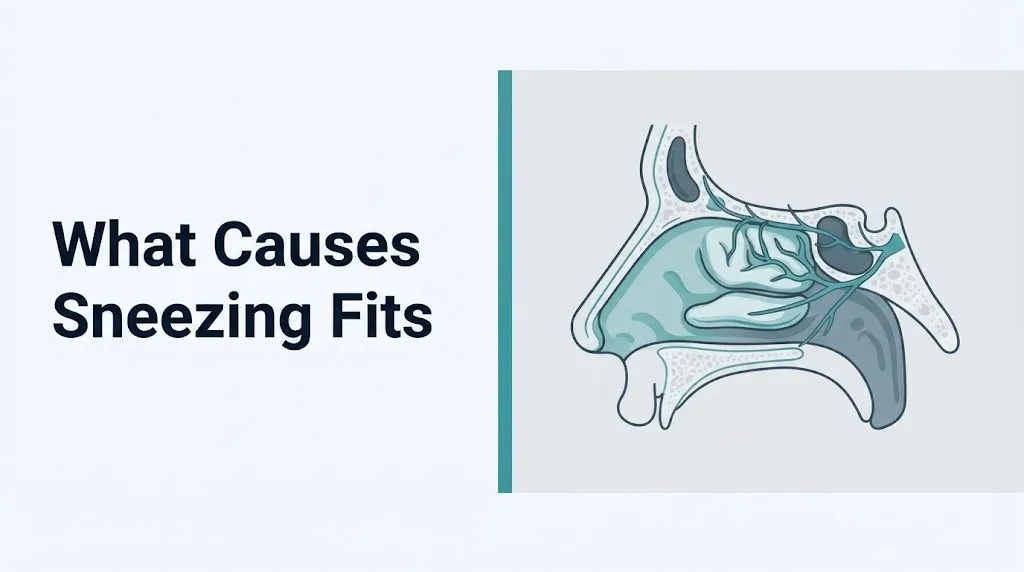
The nasal mucosa is lined with specialized sensory receptor cells connected to the ophthalmic and maxillary branches of the trigeminal nerve. When a particle, allergen, chemical irritant, or pathogen contacts these receptors, afferent nerve impulses travel to the lateral medullary sneeze center in the brainstem. The brainstem then coordinates a synchronized motor response through efferent pathways to the respiratory muscles, pharynx, and vocal cords.
Think of the nasal mucosa as a smoke alarm system, constantly sampling every breath. Most of the time, particles are small enough or brief enough that the alarm stays quiet. When the particle load exceeds a threshold, or when the mucosa is already inflamed and more sensitive than usual, the alarm fires repeatedly.
The most clinically established causes, ranked by frequency in the general adult population, are:
- Allergic rhinitis (seasonal or perennial): caused by IgE-mediated mast cell activation
- Viral upper respiratory infections: rhinovirus, adenovirus, coronavirus strains
- Nonallergic rhinitis: irritant-driven or autonomic dysfunction-driven without IgE involvement
- Nasal polyps: benign growths in the nasal cavity or sinuses causing chronic mucosal irritation
- Environmental irritants: cigarette smoke, air pollution, strong fragrances, dry air, chemical fumes
- Photic sneeze reflex: triggered by sudden exposure to bright light, with a genetic basis
- Medications: ACE inhibitors, aspirin, and nasal decongestant rebound (rhinitis medicamentosa)
- Hormonal changes: particularly estrogen-driven mucosal changes in pregnancy
People with existing asthma have a clinically established higher likelihood of also having allergic rhinitis; a 2022 review in the Annals of Allergy Asthma and Immunology found that approximately 80% of people with asthma report co-occurring rhinitis symptoms, including frequent sneezing fits, because both conditions involve the same IgE-driven mucosal inflammatory pathway.
The Sneezing Reflex: How It Works
The sneezing reflex is a brainstem-coordinated, trigeminal nerve-driven expiratory event that begins in the nasal mucosa and ends with air being expelled at speeds researchers estimate at up to 100 miles per hour.
Here is the reflex sequence in specific anatomical terms:
- An irritant or allergen contacts the sensory epithelium lining the nasal cavity, particularly at the nasal turbinates and nasal septum.
- Sensory signals travel through the ophthalmic and maxillary branches of the trigeminal nerve (cranial nerve V) as afferent impulses.
- These signals reach the lateral medullary sneeze center in the brainstem, which acts as the reflex coordinator.
- The sneeze center activates efferent motor pathways that simultaneously signal the diaphragm, intercostal muscles, abdominal rectus muscles, soft palate, uvula, and vocal cords.
- The diaphragm and intercostal muscles contract sharply to build intrathoracic pressure.
- The uvula and soft palate seal the mouth briefly, directing forced air through the nasal passages.
- The vocal cords open rapidly, and the air is expelled forcefully, clearing the irritant from the nasal airway.
In a sneezing fit, the mucosal irritant or inflammatory signal does not fully clear with a single expulsion. The trigeminal nerve endings remain sensitized, the lateral medullary sneeze center re-fires, and the sequence repeats.
The sphenopalatine ganglion plays a secondary role here. This autonomic nerve ganglion sits in the pterygopalatine fossa behind the nasal cavity and mediates parasympathetic output to the nasal mucosa. When activated alongside the trigeminal sensory pathway during an allergic or irritant response, it drives increased mucus secretion and vascular dilation in the nasal lining, further sustaining the irritant environment that keeps the reflex firing.
Children tend to sneeze in fits more frequently than adults during upper respiratory infections because their nasal passages are proportionally narrower and their mucosal immune response is still developing its regulatory precision.
Key Takeaway: A sneezing fit is not a malfunction. It is your brainstem’s trigeminal reflex re-firing because the nasal mucosal irritant signal has not cleared, most often because of inflammation, allergen load, or a sensitized nerve pathway.
What Causes Excessive Sneezing
Excessive sneezing, meaning sneezing that occurs far more frequently than occasional isolated sneezes, is caused by persistent elevation of nasal mucosal sensitivity beyond the baseline threshold required to trigger the trigeminal reflex.
The word “excessive” here has a clinical meaning. Sneezing five or more times in one episode, or sneezing repeatedly throughout a day for multiple days, suggests that the trigger is ongoing rather than brief. The National Institute of Allergy and Infectious Diseases (NIAID) recognizes persistent nasal symptoms including frequent sneezing as a primary indicator that allergen exposure or nasal mucosal inflammation is not being adequately controlled.
The two most common drivers of excessive sneezing are uncontrolled allergic rhinitis and inadequately treated viral upper respiratory infection. In both cases, the nasal mucosa remains inflamed and hypersensitive for as long as the immune or viral trigger persists, keeping the trigeminal reflex threshold low.
What Makes Excessive Sneezing More Likely in a Given Person
| Risk Factor | Clinical Reason It Increases Sneezing Frequency |
|---|---|
| High airborne allergen exposure (pollen, dust mites, pet dander) | Sustained IgE-mast cell activation keeps mucosal histamine levels elevated |
| Known allergic rhinitis or asthma | Pre-existing mucosal hyperresponsiveness lowers reflex threshold |
| Dry indoor air | Reduces mucociliary clearance efficiency, increasing particle contact with epithelium |
| Cigarette smoke exposure | Direct trigeminal nerve irritation and mucosal damage |
| Immunocompromised status | Prolonged viral or bacterial rhinitis increases exposure duration |
| ACE inhibitor use | Bradykinin accumulation sensitizes nasal trigeminal nerve endings |
| Nasal polyps | Persistent structural mucosal irritation and inflammatory cytokine secretion |
Older adults taking multiple medications are at elevated risk for excessive sneezing of pharmacological origin. This is a population in which medication review by a primary care physician is often the single most efficient diagnostic step.
Allergies and Sneezing Fits
Allergic rhinitis is the leading identifiable cause of sneezing fits in adults and children worldwide, producing sneezing through an IgE-mediated mast cell degranulation cascade that repeatedly sensitizes the nasal trigeminal nerve endings.
When a person with allergic rhinitis inhales an allergen such as pollen, dust mite proteins, pet dander (technically Fel d 1 from cats or Can f 1 from dogs), or mold spores, the allergen binds to immunoglobulin E (IgE) antibodies attached to mast cells lining the nasal mucosa. This binding triggers mast cell degranulation: the release of histamine, prostaglandin D2, leukotriene C4, and other inflammatory mediators directly into the nasal lining.
Histamine binds to H1 receptors on the sensory nerve endings of the trigeminal nerve’s maxillary branch within the nasal mucosa. This H1 receptor activation is what directly drives the sneezing reflex. Because histamine is released in quantity with each allergen exposure and the nasal mucosa remains sensitized for hours after initial contact, the trigeminal reflex fires repeatedly. That is the specific mechanism behind an allergy-driven sneezing fit.
According to a 2021 review published in the Journal of Allergy and Clinical Immunology, people with seasonal allergic rhinitis triggered by tree, grass, or weed pollen consistently report paroxysmal sneezing (fits of five or more consecutive sneezes) as their most disruptive symptom, ahead of nasal congestion and watery eyes, during peak pollen season.
Sneezing fits from allergies tend to follow a recognizable pattern: they occur predictably in the same season or after known allergen exposures, they are accompanied by nasal itching and watery rhinorrhea, and they respond to antihistamine medications within one to two hours.
People with atopic dermatitis (eczema) are more likely to have co-occurring allergic rhinitis because both conditions share the same IL-4 and IL-13 driven type 2 immune response pathway. Their sneezing fits may be more frequent and more severe during skin flares.
What Causes Constant Sneezing
Constant sneezing, meaning sneezing that recurs throughout the day for multiple consecutive days or weeks, is most often caused by persistent allergen exposure, active viral infection, nonallergic rhinitis, or in some cases an undiagnosed nasal structural problem.
The key clinical question with constant sneezing is whether it follows a pattern. Sneezing that is worse in the morning and improves as the day progresses often reflects exposure to dust mite allergens in bedding, since dust mite concentrations are highest in mattresses and pillowcases where humans spend hours each night. Sneezing that is constant throughout the day without a seasonal or exposure pattern more often suggests nonallergic rhinitis or an environmental irritant that the person has not yet identified.
Constant sneezing that has lasted more than two weeks without a clear cause is the clinical threshold at which a visit to a primary care physician becomes appropriate. The physician will typically begin with a structured history to identify pattern, timing, and associated symptoms, followed by physical examination of the nasal cavity, and may refer to a board-certified allergist/immunologist for allergy skin prick testing or specific IgE blood testing if allergic rhinitis is suspected.
Things to track before your appointment if you’re experiencing constant sneezing:
- Time of day when sneezing is worst
- Location (home, work, outdoors, specific rooms)
- Seasonal timing or year-round pattern
- Associated symptoms: nasal itching, runny nose, nasal congestion, postnasal drip, red or watery eyes
- Recent medication changes, particularly any new blood pressure medication
- Exposure to tobacco smoke, pets, or new cleaning products in the home
People who use nasal decongestant sprays (oxymetazoline-containing products such as Afrin) for more than three consecutive days are at significant risk for rhinitis medicamentosa, a rebound nasal congestion and mucosal hypersensitivity that produces sneezing fits and congestion that worsen the moment the decongestant wears off. This is a common and frequently missed cause of constant sneezing in adults.
Key Takeaway: Constant sneezing lasting more than two weeks without an identifiable trigger is a reason to see a primary care physician, not a reason to keep trying different over-the-counter antihistamines without a diagnosis.
Nonallergic Rhinitis and Chronic Sneezing
Nonallergic rhinitis (also called vasomotor rhinitis) causes chronic sneezing and nasal symptoms identical in appearance to allergic rhinitis but through a completely different mechanism: abnormal autonomic nerve sensitivity rather than IgE-mediated immune activation.
In nonallergic rhinitis, the autonomic nervous system’s parasympathetic branch, which runs through the sphenopalatine ganglion to the nasal mucosa, becomes hypersensitive to triggers that would not activate a normal nasal nervous system. These triggers include temperature changes, humidity shifts, strong smells, spicy foods, alcohol, smoke, and emotional stress. When the parasympathetic pathway is over-activated, it drives excessive acetylcholine release, which causes excessive mucus secretion, vascular dilation in the nasal lining, and lowered trigeminal reflex threshold, producing sneezing fits with watery rhinorrhea.
The clinical significance of the nonallergic versus allergic distinction is that standard antihistamines, which block the H1 histamine receptor, are largely ineffective for nonallergic rhinitis because histamine is not the primary mediator. According to the American Academy of Otolaryngology-Head and Neck Surgery (AAO-HNS), nonallergic rhinitis is best managed with intranasal corticosteroids (such as fluticasone or mometasone), ipratropium nasal spray (which blocks the parasympathetic cholinergic signal), and trigger avoidance, rather than antihistamines alone.
The diagnosis is typically made by a board-certified allergist/immunologist or otolaryngologist who performs allergy testing to confirm that IgE-mediated sensitivity is absent, ruling in nonallergic rhinitis by exclusion combined with clinical pattern recognition.
Women in perimenopause and postmenopause are disproportionately affected by nonallergic vasomotor rhinitis. The mechanism likely involves declining estrogen levels altering autonomic regulation of nasal vascular tone, though the precise pathway is still an area of active clinical investigation as of 2026.
Nasal Polyps and Sneezing
Nasal polyps (polyposis nasi) cause persistent sneezing by creating a chronically inflamed mucosal surface within the nasal cavity and sinuses that continuously irritates the trigeminal nerve sensory endings.
Nasal polyps are noncancerous, grape-like growths arising from the mucosal lining of the nasal passages or paranasal sinuses. They develop in the setting of chronic mucosal inflammation, most commonly in people with chronic rhinosinusitis, aspirin sensitivity, or asthma. At the cellular level, polyp tissue is densely infiltrated with eosinophils and driven by IL-4 and IL-13 cytokines from type 2 helper T cells (Th2 cells), the same immune pathway that drives allergic rhinitis but running as a persistent, self-sustaining inflammatory state rather than an allergen-triggered one.
The sneezing associated with nasal polyps tends to be persistent rather than paroxysmal. It is typically accompanied by significant nasal congestion, reduced or absent sense of smell (hyposmia or anosmia), and postnasal drip. Because the polyps physically narrow the nasal airway and their inflamed surface constantly irritates the trigeminal nerve endings, sneezing can occur even when no external allergen or irritant is present.
According to the Mayo Clinic, nasal polyps affect an estimated 1 to 4% of the general population. They are more common in adults over 40, in people with asthma, and in people with a condition called aspirin-exacerbated respiratory disease (AERD), also known as Samter’s triad, in which sensitivity to aspirin and NSAIDs co-exists with asthma and nasal polyposis.
Diagnosis requires a nasal endoscopy performed by a board-certified otolaryngologist, often combined with CT imaging of the sinuses to assess polyp extent. Treatment ranges from intranasal corticosteroids to biologic medications that target IL-4 and IL-13 pathways (such as dupilumab), to endoscopic sinus surgery for severe or refractory cases.
Medication That Causes Sneezing
Several commonly prescribed and over-the-counter medications cause sneezing fits through distinct pharmacological mechanisms, most notably ACE inhibitors and medications causing nasal rebound congestion.
Angiotensin-converting enzyme (ACE) inhibitors are a widely prescribed class of blood pressure medications that include lisinopril, enalapril, and ramipril. Their mechanism of action involves blocking the enzyme that converts angiotensin I to angiotensin II, and as a pharmacological side effect, they prevent the breakdown of bradykinin in the nasal mucosal tissue. Bradykinin accumulation sensitizes the trigeminal nerve endings in the nasal mucosa, lowering the sneeze threshold and producing both chronic sneezing and a characteristic dry cough. A review published in the Annals of Allergy Asthma and Immunology found that upper respiratory symptoms including sneezing affect an estimated 5 to 10% of patients taking ACE inhibitors, with symptoms often appearing weeks to months after starting the medication rather than immediately.
Rhinitis medicamentosa is the clinical term for rebound nasal hypersensitivity caused by overuse of topical nasal decongestants containing oxymetazoline or xylometazoline. Using these sprays for more than three days consecutively causes the nasal vasculature to become dependent on the vasoconstrictive effect. When the medication wears off, rebound vasodilation and mucosal swelling produce congestion and a hypersensitive mucosa that generates sneezing fits.
Aspirin and nonsteroidal anti-inflammatory drugs (NSAIDs) can trigger sneezing in people with aspirin-exacerbated respiratory disease, as these drugs shift arachidonic acid metabolism away from prostaglandin synthesis toward leukotriene production, which directly activates nasal mucosal sensory receptors.
If you started sneezing fits within weeks of starting a new blood pressure medication, inhaler, nasal spray, or pain reliever, bring a complete medication list including supplements to your primary care physician, who can assess whether a medication switch is appropriate.
Key Takeaway: ACE inhibitor-related sneezing is frequently mistaken for allergic rhinitis because the symptom picture is similar; the key differentiator is that it begins after starting the medication and resolves within one to four weeks of switching to an alternative antihypertensive class.
Photic Sneeze Reflex and ACHOO Syndrome
The photic sneeze reflex, formally named ACHOO syndrome (Autosomal Compelling Helio-Ophthalmic Outburst syndrome), causes sneezing fits triggered by sudden exposure to bright light, particularly sunlight, through a misrouted neural signal from the visual system to the sneezing reflex center.
The mechanism involves cross-activation between the optic nerve (cranial nerve II) pathway and the trigeminal nerve (cranial nerve V) pathway at the level of the brainstem. In people with this reflex, sudden bright light stimulates the optic nerve with enough signal intensity that the adjacent trigeminal sneeze center is also activated, producing an immediate sneezing fit upon stepping into sunlight or encountering a bright overhead light after being in a dim environment.
ACHOO syndrome has a confirmed genetic basis. Research published in Nature Genetics (2010) identified single-nucleotide polymorphisms near the gene UNCX on chromosome 7 as associated with the photic sneeze reflex. The National Institutes of Health estimates this reflex affects approximately 17 to 35% of the general population, making it the most common genetically determined sneezing trigger.
The condition is harmless in most daily situations but can present a safety concern for pilots and drivers who sneeze uncontrollably when entering bright light after a period of darkness. The AAO-HNS notes that awareness of the reflex and wearing UV-blocking sunglasses when moving from dark to bright environments is the most effective and practical management strategy.
Full-face sneezing fits from ACHOO syndrome are typically brief, resolving within a few seconds once the eye adjusts to the new light level. They are not associated with nasal discharge, congestion, or nasal itching, which helps distinguish them from allergic triggers.
People with bipolar disorder on certain mood-stabilizing medications, including lithium, have been reported in case series to experience heightened photic sensitivity, which may amplify this reflex. Any person who notices sudden new photic sneezing after a medication change should discuss this with their prescribing psychiatrist or primary care physician.
What Causes a Sneeze Attack
A sneeze attack is a sudden onset episode of multiple consecutive sneezes, typically five or more in rapid succession, triggered by a discrete stimulus that overwhelms the nasal mucosal sensory threshold in a short time window.
The most common triggers for acute sneeze attacks in otherwise healthy adults include:
- Sudden exposure to a concentrated allergen (entering a room with a cat for someone with cat dander allergy)
- Breathing in a concentrated irritant (ground black pepper, strong perfume, cleaning chemical fumes, smoke)
- Rapid transition from dim to bright light (photic sneeze reflex)
- Physical manipulation of nasal hair or eyebrows (which activates trigeminal nerve branches in the facial skin and nasal vestibule)
- Sudden drop in air temperature (cold air activates parasympathetic nasal reflexes through autonomic pathway)
- Viral infection onset, during which the initial mucosal immune response produces intense early-phase sneezing before congestion predominates
The neurology of a sneeze attack follows the same trigeminal-brainstem pathway as a single sneeze but with higher-amplitude afferent signaling. When the incoming trigeminal signal is strong enough, the lateral medullary sneeze center produces a series of rapid reflex outputs before the signal diminishes. Research in animal models published in the Journal of Physiology has identified specific medullary interneuron networks responsible for generating these repetitive burst patterns, though the complete human neuroanatomy of sneeze burst cycles is still being characterized.
To describe a sneeze attack accurately to your doctor:
- Note the exact time it started and how long it lasted in total
- Count the approximate number of sneezes in the episode
- Identify what you were doing, eating, smelling, or where you were immediately before it began
- Note whether you had nasal itching, eye watering, or skin flushing during the episode
- Record whether it resolved completely or left behind nasal congestion or a headache
People with mast cell activation syndrome (MCAS) can experience unusually severe, frequent sneeze attacks as part of a broader pattern of hypersensitivity responses, including flushing, hives, and gastrointestinal symptoms. If your sneeze attacks co-occur with these other symptoms, a board-certified allergist/immunologist is the appropriate provider for initial evaluation.
Sneezing Fits at Night
Sneezing fits that occur primarily or exclusively at night are most commonly caused by exposure to dust mite allergens in bedding, but nighttime-specific triggers also include bedroom pet dander accumulation, mold in the bedroom environment, and the body’s natural circadian dip in cortisol levels.
House dust mites (Dermatophagoides pteronyssinus and Dermatophagoides farinae) are microscopic arachnids that live in bedding, mattresses, pillows, and carpets. Their fecal particles and shed proteins are potent allergens that trigger IgE-mediated mast cell activation in the nasal mucosa. Since humans spend six to nine hours in close contact with these allergens during sleep, people with dust mite sensitization often notice that their worst sneezing fits occur within the first 30 to 60 minutes of lying down, or upon waking in the morning.
The cortisol connection adds a physiological layer. Cortisol, produced by the adrenal cortex, has natural anti-inflammatory properties that suppress nasal mucosal inflammation throughout the day. Cortisol levels follow a circadian rhythm, reaching their lowest point in the late evening and early morning hours. According to research from the National Institutes of Health, this nocturnal cortisol dip correlates with measurable increases in nasal mucosal inflammatory activity, which is why allergic rhinitis symptoms, including sneezing fits, are often worst in the early morning hours.
Nighttime sneezing fits that persist for more than two weeks and disrupt sleep warrant evaluation. A primary care physician should assess for dust mite allergy (via skin prick testing or specific IgE blood test), mold exposure, and whether the bedroom environment has any unidentified allergen sources such as feather pillows, down comforters, or pets sleeping on the bed.
For older adults, nighttime nasal symptoms are more frequently attributed to nonallergic vasomotor rhinitis than to IgE-mediated allergy, because allergen sensitization rates tend to decline after age 65. This matters because treatment approaches differ: antihistamines are minimally effective for vasomotor rhinitis, and first-generation sedating antihistamines carry fall risk in older adults.
Key Takeaway: Sneezing fits that are consistently worst at night or first thing in the morning, particularly in someone who has never had daytime sneezing in seasonal patterns, strongly suggest dust mite allergy in the bedroom environment rather than outdoor pollen.
What Causes Continuous Sneezing
Continuous sneezing lasting hours or multiple consecutive days is caused by a persistent inflammatory state in the nasal mucosa that keeps the trigeminal reflex threshold chronically low, most commonly through sustained allergen exposure, active viral rhinitis, or nonallergic rhinitis.
A key distinction: continuous sneezing is different from frequent sneezing fits. Continuous sneezing means the sneezing recurs throughout the day with little relief, rather than occurring in discrete episodes separated by symptom-free periods. This pattern indicates that the mucosal inflammatory state is not clearing between episodes, which narrows the differential toward persistent causes rather than acute triggers.
Active rhinovirus infection, the most common viral cause of the common cold, produces continuous sneezing particularly in the first two to three days of illness. The rhinovirus does not directly damage the nasal epithelium as dramatically as influenza does; instead, it triggers a robust interleukin-8 (IL-8) driven neutrophilic inflammatory response in the nasal mucosa, causing mucosal swelling, increased trigeminal nerve sensitivity, and profuse watery nasal discharge. The sneezing is the nose’s attempt to mechanically clear the virus and inflammatory debris from the airway.
Continuous sneezing lasting more than 10 days after a cold suggests bacterial superinfection of the sinuses (acute bacterial rhinosinusitis) rather than ongoing viral illness. The American Academy of Otolaryngology-Head and Neck Surgery states that acute bacterial rhinosinusitis should be considered when cold-like symptoms fail to improve after 10 days or worsen after an initial period of improvement, and a visit to a primary care physician for assessment is appropriate at that threshold.
People with primary immunodeficiency disorders, such as common variable immunodeficiency (CVID), may experience prolonged continuous sneezing from viral infections that a healthy immune system would clear within 7 to 10 days. These individuals should work with a board-certified immunologist for management of recurrent upper respiratory symptoms.
Sneezing Fits During Pregnancy
Sneezing fits during pregnancy are often caused by pregnancy rhinitis, a hormonally driven condition in which rising estrogen and progesterone levels cause nasal mucosal blood vessels to dilate and the mucosal lining to swell and become hypersensitive, lowering the threshold for trigeminal sneezing reflexes.
Pregnancy rhinitis affects an estimated 20 to 30% of pregnant women, according to research cited by the American College of Obstetricians and Gynecologists (ACOG). It typically begins in the second trimester when estrogen levels are rising rapidly, and it generally resolves within two weeks after delivery. The estrogen mechanism involves direct stimulation of nasal mucosal goblet cells (which secrete mucus) and vascular smooth muscle relaxation in the nasal submucosal blood vessels, producing nasal congestion, increased mucosal fluid, and hypersensitivity of the trigeminal nasal receptors.
Pregnancy also increases susceptibility to upper respiratory infections because of natural immune modulation during gestation. The immune system shifts toward a Th2-dominant state during pregnancy to prevent rejection of the fetus, which means Th1-driven antiviral immune responses are less vigorous. This can prolong the duration of viral rhinitis and associated sneezing fits.
Managing sneezing fits safely during pregnancy requires caution:
- Saline nasal spray and saline rinse systems (such as a neti pot) are safe and effective for clearing nasal mucosa
- First-generation antihistamines such as diphenhydramine are generally considered acceptable in the second and third trimesters but carry sedation concerns
- Intranasal corticosteroid sprays such as budesonide are generally considered low-risk in pregnancy, but the decision should be made with the managing obstetrician or midwife
- Oral decongestants such as pseudoephedrine are generally avoided in the first trimester due to limited safety data
- Any pregnant woman with sneezing accompanied by facial pain, fever, or thick colored nasal discharge should contact her obstetric provider promptly, as these may indicate bacterial sinusitis requiring pregnancy-safe antibiotic treatment
Sneezing Fits and Headache
Sneezing fits can cause or be associated with headaches through two distinct mechanisms: the physical force of repeated sneezing elevating intracranial pressure, and the underlying inflammatory or sinus pathology driving both symptoms simultaneously.
Each individual sneeze generates a brief, sharp spike in intracranial pressure (the pressure of fluid surrounding the brain). A single sneeze raises intracranial pressure transiently by approximately 20 to 40 mmHg, as measured in intracranial pressure monitoring studies. For most people, this is harmless and completely unnoticed. During a sneezing fit with ten or more consecutive sneezes, these pressure spikes occur in rapid succession, which can produce a transient tension-type headache in the forehead or temples that persists for minutes to hours after the fit.
When sneezing fits and persistent headache occur together, the more clinically concerning possibility is acute rhinosinusitis or chronic rhinosinusitis, in which the paranasal sinuses (frontal, maxillary, ethmoid, or sphenoid sinuses) are inflamed and filled with mucus under pressure. Sinus inflammation causes both the sneezing (by irritating adjacent nasal mucosa and trigeminal nerve endings) and the pressure-type headache or facial pain that patients typically describe as pain behind the eyes, over the forehead, or in the cheekbones.
A headache that arrives during or immediately after a sneezing fit and resolves within 30 minutes is typically a low-concern mechanical pressure headache from the sneezing effort. A headache that persists for hours, is severe in intensity, is accompanied by fever and stiff neck, or is described as the “worst headache of your life” requires emergency evaluation by a physician and is not attributable to sneezing alone.
People with a history of Chiari malformation (a structural abnormality in which brain tissue extends into the spinal canal) are known to experience sneezing-triggered headaches with particular severity, as the Valsalva-like pressure of sneezing transiently increases posterior fossa pressure. Any person with known Chiari malformation who develops new or worsening sneeze-associated headaches should discuss this with their managing neurologist.
Causes of Excessive Sneezing in Children and Older Adults
The causes of excessive sneezing differ meaningfully by age group, with children most commonly affected by viral upper respiratory infections and pediatric allergic rhinitis, and older adults most commonly affected by nonallergic vasomotor rhinitis and medication-related triggers.
In children, the American Academy of Pediatrics (AAP) notes that children experience an average of six to ten upper respiratory infections per year in the preschool years, compared to two to four per year in healthy adults. Each viral infection episode produces its own period of sneezing fits, nasal discharge, and mucosal inflammation. Because children’s nasal passages are proportionally narrower than adults’, even mild mucosal swelling creates a significant increase in nasal resistance, amplifying the trigeminal irritation that drives sneezing.
Pediatric allergic rhinitis affects approximately 40% of children in the United States, according to the AAAAI, and is frequently underdiagnosed because parents and clinicians sometimes attribute sneezing and nasal symptoms to ongoing colds rather than allergic sensitization. Children who sneeze excessively year-round (rather than only during cold season) and have associated eye itching or eczema should be evaluated by a board-certified pediatric allergist/immunologist.
In older adults, the nasal mucosal changes of aging reduce the effectiveness of mucociliary clearance (the process by which nasal cilia sweep particles and mucus toward the throat), increasing particle contact time with the mucosal epithelium and trigeminal sensory endings. This, combined with a higher average medication burden (many older adults take five or more prescription medications), makes nonallergic rhinitis and medication-related sneezing the most common categories.
| Age Group | Most Common Cause | Clinical Note |
|---|---|---|
| Infants under 6 months | Physiologic neonatal rhinitis | Normal; resolves; no treatment needed |
| Children 1 to 12 years | Viral upper respiratory infections, pediatric allergic rhinitis | Frequent colds are expected; year-round sneezing suggests allergy evaluation |
| Adolescents | Allergic rhinitis, viral infections | Onset of seasonal allergies common in teens |
| Adults 18 to 65 | Allergic rhinitis, nonallergic rhinitis, environmental irritants | Full diagnostic workup if persistent beyond 2 weeks |
| Adults over 65 | Nonallergic vasomotor rhinitis, medication effects, reduced mucociliary clearance | Medication review is high-priority diagnostic step |
Key Takeaway: In children with year-round sneezing and itchy eyes, consider allergic rhinitis rather than repeated colds; in adults over 65 with new sneezing fits, review the medication list before ordering allergy testing.
Emergency Symptoms: When to Call 911 or Go to the ER
Certain presentations associated with severe or persistent sneezing require immediate emergency evaluation. Do not wait to see if these resolve on their own.
Call 911 or go to the nearest emergency room immediately if sneezing is accompanied by:
- Severe headache described as the worst of your life, stiff neck, and fever, which together can indicate bacterial meningitis, a life-threatening infection of the brain’s protective membranes
- Significant nosebleed (epistaxis) that does not stop after 20 minutes of continuous direct pressure, as this can indicate a blood clotting disorder or vascular injury
- Facial swelling involving the eye socket, forehead, or cheek, with fever and eye pain, which may indicate orbital cellulitis or intracranial extension of sinusitis
- Difficulty breathing or swallowing accompanying nasal symptoms, particularly if a new medication was recently started, as this may indicate an allergic reaction
- Sudden vision changes, facial drooping, arm weakness, or speech difficulty alongside nasal symptoms, as these are signs of stroke regardless of concurrent sneezing
Go to urgent care or contact your primary care physician the same day if:
- Nosebleed stops but recurs multiple times in 24 hours
- Fever exceeds 102.5°F (39.2°C) with facial pain, tooth pain, and nasal congestion lasting more than 10 days
- Sneezing is accompanied by swelling around the eye or cheek that is tender to the touch
These presentations can indicate conditions ranging from bacterial meningitis to orbital cellulitis, all of which require emergency medical assessment and not a phone call to a nurse line or a same-week appointment.
When Is Sneezing a Sign of Something Serious
Sneezing is a sign of something that warrants professional evaluation when it persists beyond two weeks without a clear trigger, is accompanied by symptoms involving other organ systems (eyes, skin, joints, or nervous system), or does not respond to standard allergy or cold management.
The vast majority of sneezing fits are self-limiting and caused by identifiable, manageable triggers. Allergic rhinitis, viral upper respiratory infections, and environmental irritants account for the majority of cases and do not require emergency evaluation.
The following patterns are clinical signals that professional evaluation is appropriate:
- Duration beyond two weeks with no identifiable cause
- Sneezing accompanied by thick, colored nasal discharge (green or yellow) lasting more than 10 days, suggesting bacterial sinusitis
- Sneezing with blood-tinged nasal discharge, which can indicate nasal polyps, foreign body (particularly in children), vascular malformation, or in rare cases, nasal malignancy
- Sneezing accompanied by reduced or absent sense of smell lasting more than a week, which may indicate nasal polyposis or a post-viral olfactory disorder
- Sneezing associated with wheezing or chest tightness, which may indicate that allergic rhinitis has a co-existing lower airway component (asthma)
- Sneezing in an infant under 3 months of age accompanied by any fever, regardless of severity, as neonatal fever is a medical emergency
The appropriate diagnostic pathway begins with a primary care physician who can perform a structured nasal examination, order a CBC or specific IgE blood test where appropriate, and refer to a board-certified allergist/immunologist for allergy testing or to a board-certified otolaryngologist for nasal endoscopy if structural or polyp-related causes are suspected.
A single positive finding on a specific IgE panel does not automatically explain sneezing fits unless the clinical pattern (timing, triggers, associated symptoms) is consistent with the allergen identified. Experienced allergists interpret test results in the context of the full clinical picture rather than treating a positive test as a diagnosis in isolation.
Frequently Asked Questions About Sneezing Fits
Why do I sneeze multiple times in a row instead of just once?
You sneeze multiple times in a row because the irritant or inflammatory signal in your nasal mucosa does not fully clear with a single sneeze, keeping the trigeminal nerve’s reflex threshold activated.
When allergens, irritants, or infectious particles remain in contact with the nasal sensory epithelium, the brainstem’s lateral medullary sneeze center fires repeatedly until the signal diminishes.
The number of sneezes per episode tends to be higher in people with allergic rhinitis, because histamine from mast cell degranulation sustains nasal sensory nerve sensitization for minutes to hours after initial allergen contact.
What is the most common cause of sneezing fits in adults?
Allergic rhinitis is the most common identifiable cause of sneezing fits in adults, driven by IgE-mediated mast cell degranulation and histamine release in the nasal mucosa.
According to the American Academy of Allergy Asthma and Immunology, allergic rhinitis affects 40 to 60 million Americans and paroxysmal sneezing is reported as one of its most disruptive symptoms.
In adults who do not have allergies, environmental irritants and viral upper respiratory infections are the next most common causes.
Can anxiety or stress cause sneezing fits?
Anxiety and stress do not directly trigger sneezing fits through a well-established physiological pathway, but high stress states can worsen existing nasal conditions through their effect on the autonomic nervous system.
Stress activates the sympathetic nervous system and alters immune regulation, which can amplify nasal mucosal inflammatory responses in people with allergic or nonallergic rhinitis.
If sneezing fits consistently occur during periods of heightened stress, it is worth discussing with a primary care physician to determine whether the stress is amplifying an underlying nasal condition rather than causing the sneezing independently.
How do I stop a sneezing fit once it starts?
Pressing firmly on the philtrum (the area between the upper lip and the base of the nose) or applying pressure to the bridge of the nose can interrupt the trigeminal nerve signal and abort a sneezing fit in some individuals.
Breathing through the mouth briefly, rather than the nose, also reduces the nasal sensory input that sustains the reflex.
These techniques work by partially interrupting the afferent trigeminal signal; they are not universally effective and do not address the underlying cause driving the fit.
When should I see a doctor about frequent sneezing fits?
See a primary care physician if sneezing fits have lasted more than two weeks without an identifiable trigger, are disrupting sleep or daily function, or are accompanied by facial pain, fever, or nasal bleeding.
A board-certified allergist/immunologist is the appropriate specialist if allergy testing is needed to identify specific triggers, or if over-the-counter antihistamines have not controlled the symptoms.
A board-certified otolaryngologist should evaluate you if sneezing is accompanied by reduced sense of smell, nasal polyp symptoms, or if nasal endoscopy is recommended to rule out structural causes.
Can sneezing fits be a sign of something more serious than allergies?
In rare cases, yes: sneezing accompanied by the worst headache of your life, neck stiffness, and fever can indicate bacterial meningitis and requires immediate emergency evaluation.
Blood-tinged nasal discharge with persistent sneezing warrants evaluation by a primary care physician to rule out nasal polyps, vascular anomalies, or in rare cases, nasal malignancy.
For the large majority of people, sneezing fits reflect allergic rhinitis, viral infections, or environmental irritants rather than a serious underlying condition, but persistent or symptom-accompanied fits deserve professional assessment.
Closing
Sneezing fits are rarely random. Behind almost every episode there is a specific physiological driver: an allergen priming your mast cells, a virus inflaming your nasal lining, a medication accumulating bradykinin in your nasal tissue, or a genetic reflex arc misfiring at the sight of sunlight. Understanding which mechanism applies to your situation is what separates a useful management strategy from a succession of over-the-counter products that may not address the actual cause.
If your sneezing fits follow a seasonal or exposure-based pattern and respond to antihistamines, allergic rhinitis is your most likely diagnosis and a board-certified allergist/immunologist can confirm it with a skin prick test and build a long-term plan around allergen avoidance and possibly immunotherapy. If your fits are persistent year-round, medication-related, or accompanied by reduced smell or nasal polyp symptoms, a board-certified otolaryngologist is the right next step.
You now have the specific physiological framework, the clinical pattern recognition, and the provider referral guidance to make a better decision about your sneezing fits than any generic symptom checklist could offer.