Cobblestone Throat Causes: Full Clinical Guide 2026
Cobblestone throat causes include postnasal drip from allergies or sinusitis, laryngopharyngeal reflux (acid and pepsin reaching the back of the throat), viral and bacterial infections, chronic dry air exposure, and mouth breathing, all of which trigger the same underlying tissue response: reactive enlargement of the lymphoid follicles lining the posterior pharyngeal wall. The bumpy appearance is not swollen lymph nodes, as most health pages incorrectly state. It is reactive hyperplasia of the submucosal lymphoid tissue specific to the throat’s own immune lining.
Understanding which cause is producing your cobblestone throat determines whether it resolves on its own, requires a prescription medication, or needs specialist evaluation. Mayo Clinic notes that postnasal drip is the most frequently identified cause in clinical practice, but laryngopharyngeal reflux is frequently underdiagnosed because it does not always produce the heartburn that people associate with acid problems.
This guide explains exactly what the bumps are anatomically, walks through every recognized cause with its specific physiological mechanism, covers population-specific variations including pregnancy and childhood, and tells you precisely when and with which type of provider to seek evaluation.
Cobblestone Throat Causes: What the Bumps Actually Are
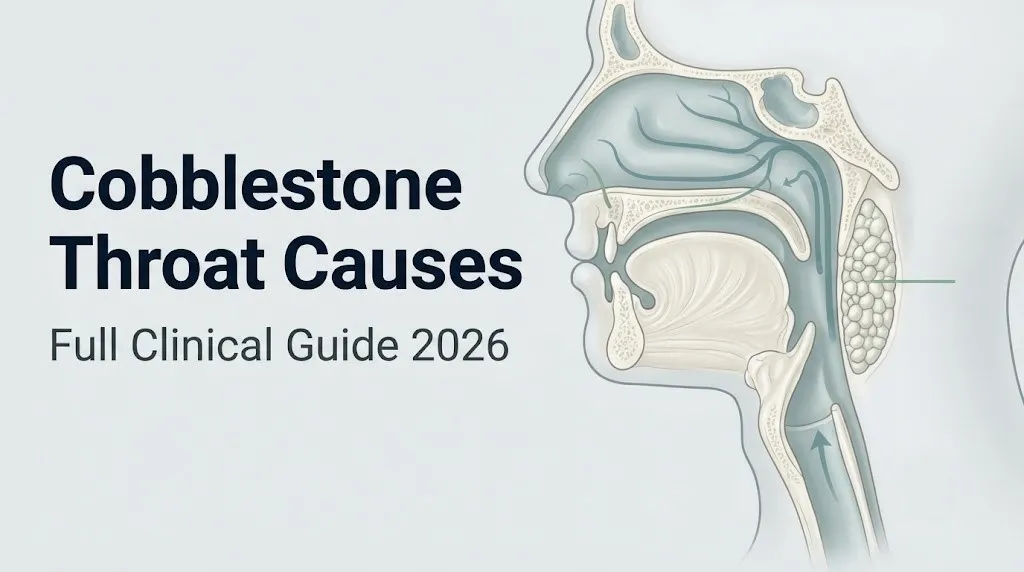
Cobblestone throat causes produce the characteristic bumpy appearance by triggering reactive hyperplasia of the pharyngeal mucosa-associated lymphoid tissue (MALT) follicles embedded in the posterior pharyngeal wall and lateral pharyngeal bands, which are components of Waldeyer’s ring, the immune surveillance ring of lymphoid tissue surrounding the upper airway.
These lymphoid follicles are not lymph nodes. Lymph nodes have capsules, defined cortex-medulla architecture, and afferent and efferent lymphatic channels. Pharyngeal MALT follicles are diffuse submucosal lymphoid aggregates without capsules, specifically positioned in the pharyngeal mucosa to sample and respond to inhaled and ingested antigens. When chronic irritation, infection, or acid exposure repeatedly stimulates these follicles, they enlarge in a process called reactive lymphoid hyperplasia, creating visible nodules ranging from 2 to 5 millimeters across the posterior pharyngeal surface.
Think of these follicles like the throat’s own distributed security system. Normally they sit quietly in the mucosal lining, sampling what passes. When they are repeatedly activated by antigen exposure from postnasal drip, gastric contents from reflux, or infectious pathogens, they respond by proliferating. The proliferating follicles swell visibly against the mucosa, creating the irregular, bumpy pattern that people see in a mirror and describe as cobblestones.
The full components of Waldeyer’s ring relevant to cobblestone throat:
- Posterior pharyngeal wall MALT follicles: the primary site of cobblestone throat appearance
- Lateral pharyngeal bands: vertical ridges of lymphoid tissue on either side of the posterior pharynx that also enlarge with chronic irritation
- Adenoids (nasopharyngeal tonsil): superior component; enlarged adenoids in children contribute to postnasal obstruction and excess drainage
- Palatine tonsils: familiar lateral throat tonsils, less directly involved in the cobblestone pattern itself
- Lingual tonsil: at the base of the tongue; can enlarge with chronic irritation and contribute to a globus sensation
Patients with pre-existing tonsillar hypertrophy or a history of frequent tonsillitis may have a more pronounced baseline lymphoid tissue burden in the pharynx, making them more susceptible to visible cobblestone changes from lower levels of chronic irritation.
What Is Cobblestone Throat and What Are the Bumps?
Cobblestone throat is a descriptive term for the visibly bumpy or irregular appearance of the posterior pharyngeal wall, produced by reactive hyperplasia of submucosal lymphoid follicles in response to chronic mucosal irritation from various causes.
The medical term most closely corresponding to this appearance is pharyngeal lymphoid hyperplasia. It is categorized under ICD-10 code J39.2 (other diseases of pharynx) when documented clinically. It is not a diagnosis in itself but a physical finding that points toward an underlying cause requiring identification.
The appearance varies by severity of the underlying irritant and duration of exposure. Early-stage cobblestone throat shows modest follicular enlargement: slight irregularity of the posterior pharyngeal surface visible on examination with a tongue depressor and adequate lighting. More chronic cases show prominent nodular elevations across the posterior wall, sometimes with associated erythema (redness) and a variable degree of mucus coating the surface from postnasal drip.
| Stage | Appearance | Typical Cause Pattern | Clinical Action |
|---|---|---|---|
| Early | Slight surface irregularity, mild follicular prominence | Acute viral URI, short-term allergen exposure | Monitor; may resolve in 1 to 2 weeks |
| Moderate | Distinct raised nodules 2 to 4 mm, mild erythema | Chronic postnasal drip, seasonal allergies | Identify and address cause |
| Pronounced | Multiple confluent nodules, visible mucus coating | Chronic LPR, perennial rhinitis, sinusitis | Medical evaluation and treatment of cause |
| Severe with additional features | Large nodules, asymmetry, ulceration, mass | Requires exclusion of structural or neoplastic cause | Otolaryngologist evaluation urgently |
Adolescents and young adults frequently notice cobblestone throat for the first time after examining their throat during a sore throat episode. This age group has the highest density of active pharyngeal MALT follicles, making follicular prominence more visually apparent even with minor irritation.
Postnasal Drip as a Cause of Cobblestone Throat
Postnasal drip is the most frequently identified cause of cobblestone throat, occurring when excess sinonasal secretions from the nasal turbinate mucosal glands and paranasal sinuses drain posteriorly along the nasopharynx and oropharynx, repeatedly depositing mucus and antigens onto the posterior pharyngeal wall and stimulating lymphoid follicle hyperplasia.
The mechanism is specific. The nasal cavity produces approximately one liter of mucus per day under normal conditions, with production from goblet cells and submucosal glands in the sinonasal mucosa. Normal mucociliary clearance moves most of this mucus anteriorly to the nasal vestibule or posteriorly in a thin layer to the nasopharynx, where it is swallowed without conscious awareness. When nasal mucus production increases, as it does during allergic reactions, viral infections, or sinusitis, or when mucociliary clearance is impaired, the excess drains onto the posterior pharyngeal wall.
The repeated mechanical contact of mucus on the posterior pharyngeal wall, combined with the antigenic load contained in the mucus (allergen fragments, viral particles, bacterial antigens, inflammatory mediators), activates the resident MALT follicles. The follicles undergo reactive hyperplasia, enlarging until the underlying cause and its antigenic stimulation are resolved.
According to the American Academy of Otolaryngology-Head and Neck Surgery (AAO-HNS), postnasal drip is one of the most prevalent upper respiratory conditions encountered in clinical practice, with allergic rhinitis alone affecting approximately 10 to 30 percent of adults in the United States.
Individuals with a deviated nasal septum may experience asymmetric postnasal drainage with greater accumulation on one side of the posterior pharyngeal wall, producing more pronounced cobblestone appearance on the corresponding side. This asymmetry can sometimes be misinterpreted as a unilateral pharyngeal mass on self-examination, though clinical evaluation quickly identifies the structural reason for the pattern.
Key Takeaway: Postnasal drip causes cobblestone throat by repeatedly depositing sinonasal antigens on the posterior pharyngeal wall, stimulating MALT follicle enlargement. Treating the source of postnasal drip (allergy, infection, or structural cause) allows the follicles to return to their normal resting size.
Laryngopharyngeal Reflux and Cobblestone Throat
Laryngopharyngeal reflux (LPR) causes cobblestone throat when gastric acid and pepsin bypass an incompetent lower esophageal sphincter and travel past the upper esophageal sphincter (the cricopharyngeus muscle) into the hypopharynx and posterior pharyngeal wall, triggering direct mucosal epithelial damage and reactive lymphoid hyperplasia.
LPR differs from classic gastroesophageal reflux disease (GERD) in a clinically important way. In GERD, refluxed acid damages the esophageal mucosa and produces heartburn. In LPR, the refluxate travels further, reaching the larynx and pharynx, but many patients have no heartburn at all. According to the American College of Gastroenterology, a substantial proportion of patients with confirmed LPR on pH monitoring report no typical GERD symptoms, making LPR a frequently missed cause of persistent cobblestone throat.
The key damaging agent in LPR-related cobblestone throat is pepsin, not acid alone. Pepsin, a proteolytic enzyme produced by gastric chief cells, retains damaging activity on laryngopharyngeal mucosal epithelium at pH levels as low as 4. Even when acid is partially neutralized by saliva or mucosal buffers before reaching the pharynx, pepsin continues to damage the epithelium, triggering a chronic inflammatory response in the posterior pharyngeal wall MALT follicles. This inflammation sustains lymphoid hyperplasia as long as LPR continues.
Symptoms that suggest LPR rather than pure postnasal drip as the cobblestone throat cause:
- Persistent throat clearing, particularly in the morning or after meals
- Hoarseness that is worse in the morning and improves through the day
- A sensation of something stuck in the throat (globus pharyngeus) that does not resolve with swallowing
- Chronic dry cough not explained by asthma or postnasal drip
- Cobblestone throat that persists despite treatment of allergies and postnasal drip
Patients taking proton pump inhibitors (PPIs) for presumed GERD should note that PPIs do not neutralize pepsin. If their cobblestone throat is pepsin-mediated at higher pH levels, acid suppression alone may produce incomplete resolution, and dietary and positional modifications are an important adjunct to pharmacological management.
Allergic Rhinitis and Cobblestone Throat Causes
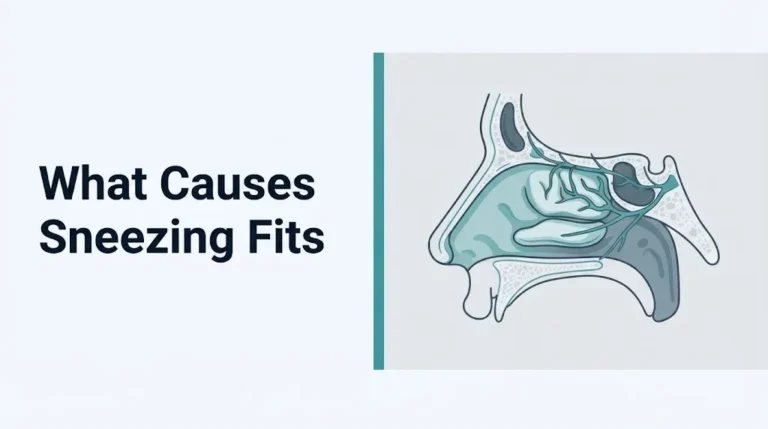
Allergic rhinitis causes cobblestone throat by triggering an IgE-mediated immune response in the nasal mucosa, producing histamine release, nasal mucosal edema, and excessive goblet cell secretion that generates the postnasal drip stimulating posterior pharyngeal wall lymphoid follicle hyperplasia.
The mechanism begins with allergen exposure: pollens, dust mite proteins, pet dander, or mold spores bind to IgE antibodies attached to mucosal mast cells in the nasal turbinate lining. Mast cell degranulation releases histamine, prostaglandins, and leukotrienes, producing immediate vasodilation, mucosal edema, and increased secretion. The Th2 lymphocyte-driven late-phase response, occurring 4 to 8 hours after initial allergen exposure, sustains the inflammation and keeps goblet cell secretion elevated.
The resulting postnasal drip is the direct bridge between allergic rhinitis and cobblestone throat. Allergen-laden, histamine-rich mucus draining onto the posterior pharyngeal wall provides both mechanical irritation and immune-stimulating antigens to the resident MALT follicles.
The American Academy of Allergy, Asthma and Immunology (AAAAI) reports that allergic rhinitis affects approximately 40 to 60 million Americans annually, making it the most prevalent chronic respiratory condition and the leading allergic cause of postnasal drip and secondary cobblestone throat.
Seasonal allergic rhinitis (hay fever from pollen) produces episodic cobblestone throat that mirrors the pollen calendar: worse in spring (tree pollens), early summer (grass pollens), or late summer to fall (ragweed pollens), and improving between seasons. Perennial allergic rhinitis from dust mites or pet dander produces year-round cobblestone throat that does not correlate with seasonal patterns. This distinction helps a primary care physician or allergist identify the triggering allergen before formal allergy testing.
Viral and Bacterial Infections Causing Cobblestone Throat
Viral and bacterial pharyngeal infections cause cobblestone throat by directly infecting the posterior pharyngeal mucosa and stimulating a localized immune response that drives rapid lymphoid follicle hyperplasia, which is the mechanism producing the bumpy appearance during and after a sore throat episode.
The most common viral causes are rhinovirus, adenovirus, and Epstein-Barr virus (EBV), the last of which causes infectious mononucleosis. Adenovirus pharyngitis characteristically produces prominent follicular hyperplasia on the posterior pharyngeal wall, earning the descriptive term “follicular pharyngitis” in clinical literature. This is functionally identical to what is colloquially called cobblestone throat.
Viral infection-related cobblestone throat typically accompanies:
- Sore throat onset over 24 to 48 hours
- Concurrent nasal congestion, cough, or hoarseness suggesting a viral upper respiratory infection pattern
- Low-grade fever (below 38.5 degrees Celsius) in most cases
- Self-limiting course of 7 to 14 days
Group A Streptococcus (Streptococcus pyogenes) can also produce posterior pharyngeal wall changes. However, streptococcal pharyngitis more characteristically produces tonsillar exudate (white patches on the palatine tonsils), petechiae on the soft palate, and high fever above 38.5 degrees Celsius, patterns that help distinguish it from viral follicular pharyngitis on clinical examination.
Immunocompromised individuals, including those on chemotherapy, corticosteroids, or biologic agents for autoimmune conditions, may experience more severe or prolonged pharyngeal lymphoid hyperplasia after routine viral infections because their immune resolution pathways are impaired. Any immunocompromised person with persistent cobblestone throat beyond 2 weeks should be evaluated by a primary care physician to exclude opportunistic pharyngeal infections.
Key Takeaway: Adenoviral pharyngitis produces the classic “follicular pharyngitis” that is clinically identical to cobblestone throat, and it resolves without antibiotics in 7 to 14 days in otherwise healthy adults. Streptococcal infection produces a different pattern that includes tonsillar exudate and high fever, and it requires antibiotic treatment.
Chronic Sinusitis as a Cobblestone Throat Cause
Chronic rhinosinusitis causes cobblestone throat by producing persistent, high-volume postnasal drainage from chronically inflamed paranasal sinus mucosa, creating sustained antigen and mucus exposure on the posterior pharyngeal wall that drives ongoing lymphoid follicle hyperplasia.
Chronic rhinosinusitis is defined clinically as inflammation of the nasal cavity and one or more paranasal sinuses lasting 12 weeks or longer despite attempted medical management, per the American Academy of Otolaryngology-Head and Neck Surgery clinical practice guideline on chronic rhinosinusitis. The inflamed sinus mucosa produces thickened, often purulent secretions that drain into the nasopharynx and oropharynx continuously, producing a heavier and more antigenically loaded postnasal drip than that associated with simple allergic rhinitis.
The cobblestone throat associated with chronic sinusitis often has a more pronounced appearance than that from seasonal allergies, because the exposure is continuous rather than seasonal and the secretions are more inflammatory in character. Patients with chronic sinusitis-related cobblestone throat often describe the sensation of mucus sitting at the back of the throat throughout the day, particularly in the morning after overnight accumulation.
Distinguishing chronic sinusitis postnasal drip from allergic rhinitis postnasal drip as the cause:
- Chronic sinusitis postnasal drip: thicker, more discolored secretions; facial pressure or fullness; maxillary cheek pain or frontal headache; anosmia or hyposmia; year-round persistence
- Allergic rhinitis postnasal drip: watery, clear secretions; nasal itching and sneezing; eye itching and redness; seasonal pattern or specific environmental trigger correlation
Patients who have previously undergone sinus surgery (functional endoscopic sinus surgery, FESS) may have altered sinus drainage patterns that produce postnasal drip in a different distribution than typical, occasionally directing secretions asymmetrically onto the posterior pharyngeal wall in ways that produce an asymmetric cobblestone appearance on self-examination.
Dry Air, Irritants, and Mouth Breathing Causing Cobblestone Throat
Dry air, chemical irritants, cigarette smoke, and chronic mouth breathing cause cobblestone throat by directly desiccating and irritating the posterior pharyngeal mucosal epithelium, triggering a local inflammatory response that stimulates the resident MALT follicles to undergo reactive hyperplasia without any infectious or allergic antigen involvement.
Think of the posterior pharyngeal wall like a piece of skin that is normally kept moist and protected. When it is repeatedly exposed to dry, irritating air, it becomes inflamed in the same way dry winter skin becomes red and rough. The pharyngeal mucosa responds to this desiccation injury by activating its resident immune tissue, the MALT follicles, which enlarge as part of the inflammatory response.
Cigarette smoke deserves specific attention. Tobacco smoke contains over 7,000 identified chemicals, including formaldehyde, acrolein, and polycyclic aromatic hydrocarbons, each capable of directly damaging the pharyngeal mucosal epithelium. Chronic smokers have measurably higher rates of pharyngeal lymphoid hyperplasia (cobblestone throat) than non-smokers, according to clinical observation data in the otolaryngology literature. The inflammatory changes in smokers also take significantly longer to resolve after smoking cessation than in patients with allergy-mediated cobblestone throat.
Common irritant causes to report to a physician or otolaryngologist:
- Cigarette, cigar, or pipe smoking (active or passive)
- Chronic alcohol use (direct mucosal irritant)
- Occupational exposure to chemical fumes, dust, or aerosolized particles
- Low indoor humidity (below 30 to 40 percent relative humidity) during winter heating season
- Habitual mouth breathing from nasal obstruction
- Frequent use of alcohol-containing mouthwashes (can dessicate posterior pharyngeal mucosa)
Older adults are disproportionately affected by dry-air-related cobblestone throat because baseline mucosal secretory function decreases with age, making the posterior pharyngeal epithelium more vulnerable to desiccation at the same humidity levels that would not affect younger individuals.
Key Takeaway: Cigarette smoke, dry air, and chemical irritants cause cobblestone throat through direct mucosal epithelial injury and inflammation, without requiring any allergic, infectious, or reflux mechanism. In smokers, this type of cobblestone throat resolves slowly and requires cessation.
Cobblestone Throat Causes in Pregnancy
Cobblestone throat during pregnancy is primarily caused by gestational rhinitis, a condition in which rising estrogen levels during the second and third trimesters stimulate nasal mucosal vasodilation and edema, dramatically increasing nasal secretion production and postnasal drip independent of any pre-existing allergy or sinus condition.
Estrogen acts directly on nasal mucosal vasculature through estrogen receptor-mediated nitric oxide production, increasing blood flow and vascular permeability in the nasal turbinate submucosa. The resulting mucosal edema compresses the nasal passages and impairs normal mucociliary clearance, causing secretion accumulation and posterior nasal drainage. This mechanism operates entirely through hormonal pathways, not immune-mediated ones, which is why gestational rhinitis does not respond to antihistamines the way allergic rhinitis does.
Gestational rhinitis is estimated to affect approximately 20 to 30 percent of pregnant women, according to clinical data published in clinical otolaryngology literature, with onset typically in the second trimester and resolution within 2 weeks postpartum as estrogen levels normalize.
For pregnant women experiencing cobblestone throat from gestational rhinitis, the management options that are generally considered safe under obstetric guidance include:
- Saline nasal irrigation (isotonic saline rinses)
- Nasal strips for mechanical nasal dilation at night
- Sleeping with the head of the bed elevated 30 to 45 degrees to reduce postnasal drainage volume reaching the posterior pharynx during sleep
- Increasing room humidity with a cool-mist humidifier
Pregnant women should not self-medicate with oral decongestants such as pseudoephedrine, particularly in the first trimester, and should confirm with their obstetrician-gynecologist before using any nasal corticosteroid spray, as the safety profile varies by specific product and trimester. Any pregnant woman with cobblestone throat accompanied by fever above 38 degrees Celsius or severe sore throat should be evaluated promptly by her obstetrician-gynecologist to exclude Group A streptococcal pharyngitis, which requires antibiotic treatment in pregnancy.
Cobblestone Throat Causes in Children
Cobblestone throat in children is most commonly caused by postnasal drip from viral upper respiratory infections, allergic rhinitis, and adenoid hypertrophy, with the pediatric anatomy making postnasal drip a more prominent driver than in adults because children have proportionally larger adenoids relative to nasopharyngeal space, producing greater obstructive and draining effects.
The adenoids (nasopharyngeal tonsil) are the superior component of Waldeyer’s ring. They grow rapidly from birth through approximately age 7, reaching their maximum relative size in early childhood before gradually involuting through adolescence. During the period of peak adenoid size, even minor upper respiratory infections can produce significant postnasal obstruction and drainage, sustaining the posterior pharyngeal wall MALT follicle stimulation that produces cobblestone throat.
Parents who notice a cobblestone appearance in a child’s throat often find it after the child has had a recent cold or sore throat and has been mouth breathing. Mouth breathing compounds the cobblestone throat appearance by bypassing normal nasal humidification and warming, allowing dry, cool air to directly contact the posterior pharyngeal wall.
The American Academy of Pediatrics (AAP) advises that persistent or recurrent cobblestone throat in children warrants evaluation by a primary care pediatrician to identify whether allergic rhinitis, recurrent viral infections, adenoid hypertrophy, or another cause is driving the recurring presentation, particularly if the child is snoring or demonstrating sleep-disordered breathing suggesting adenoid obstruction.
Red flag features in a child with cobblestone throat that require prompt evaluation by a pediatric primary care physician or board-certified pediatric otolaryngologist:
- Persistent cobblestone throat beyond 3 weeks in the absence of an identifiable cause
- Associated high fever (above 39 degrees Celsius) and difficulty swallowing
- Drooling and inability to manage secretions in a young child (possible epiglottitis or peritonsillar involvement)
- Loud snoring, witnessed apnea, or daytime sleepiness suggesting obstructive sleep apnea from adenotonsillar hypertrophy
Medications and Cobblestone Throat Causes
Certain medications cause cobblestone throat through specific pharmacological mechanisms that either increase postnasal drip, cause direct pharyngeal mucosal irritation, or impair the mucociliary clearance system that normally prevents secretion accumulation on the posterior pharyngeal wall.
The most clinically important medication cause is ACE (angiotensin-converting enzyme) inhibitor-induced cough. ACE inhibitors, including lisinopril, enalapril, and ramipril, block the degradation of bradykinin by ACE. Bradykinin accumulates in the upper airway tissues and the pharyngeal mucosa, causing chronic mucosal irritation. This produces a dry, persistent cough that also mechanically irritates the posterior pharyngeal wall, while the bradykinin-mediated mucosal inflammation directly stimulates MALT follicle hyperplasia. The AAO-HNS notes that ACE inhibitor cough affects approximately 10 to 15 percent of patients on these medications and is the most frequently overlooked medication cause of persistent throat symptoms.
Other medications that can contribute to cobblestone throat:
- Antihistamines (first-generation, sedating type): drying effect reduces mucociliary clearance, allowing secretion pooling on the posterior pharyngeal wall
- Nasal decongestant sprays (oxymetazoline): rebound rhinitis (rhinitis medicamentosa) from prolonged use produces increased nasal congestion and postnasal drip
- Hormonal contraceptives containing estrogen: can produce mild rhinitis through estrogen-mediated nasal mucosal vasodilation, similar in mechanism to gestational rhinitis but typically less severe
- Bisphosphonates: used for osteoporosis; can cause upper gastrointestinal irritation that may worsen reflux reaching the pharynx
Older adults taking ACE inhibitors for hypertension or heart failure who develop persistent throat clearing or a cobblestone throat appearance should discuss this symptom specifically with their prescribing cardiologist or primary care physician, disclosing the timing of medication initiation relative to symptom onset, as switching to an angiotensin receptor blocker (ARB) class of blood pressure medication resolves the bradykinin mechanism without sacrificing the cardiovascular benefit.
Key Takeaway: ACE inhibitor-induced bradykinin accumulation is one of the most frequently overlooked medication causes of persistent cobblestone throat and chronic throat clearing, particularly in older adults. If you started a blood pressure medication around the time your throat symptoms began, that timing is clinically material information for your prescribing physician.
Cobblestone Throat Symptoms and What They Feel Like
Cobblestone throat symptoms are determined by the underlying cause and the degree of lymphoid follicle hyperplasia, ranging from a completely asymptomatic visual finding to a spectrum of throat sensations that can persist for weeks or months.
Many people with cobblestone throat have no symptoms whatsoever. They notice the bumpy appearance incidentally while examining their throat for a cold, or during a routine examination. The absence of symptoms does not indicate a serious underlying cause; it reflects the fact that mild MALT follicle hyperplasia does not impair throat function in most cases.
When symptoms are present, they may include:
- Persistent throat clearing: the sensation of mucus or a foreign body at the back of the throat, triggering repeated attempts to clear it
- Globus pharyngeus (the sensation of a lump in the throat without a structural cause): produced by mucosal irregularity and edema stimulating pharyngeal sensory nerve endings
- Mild to moderate sore throat: burning or scratching sensation in the throat, particularly in the morning
- Hoarseness: when lymphoid hyperplasia or associated LPR affects the laryngeal structures adjacent to the posterior pharynx
- Postnasal drip sensation: thick mucus perceived at the back of the throat
- Dry cough: from pharyngeal mucosal irritation or associated LPR
- Bad breath (halitosis): from retained mucus on the posterior pharyngeal wall, particularly in chronic sinusitis cases
The severity of symptoms does not reliably predict the severity of the underlying cause. Significant LPR-related cobblestone throat can produce surprisingly mild symptoms, while minor viral pharyngitis can produce pronounced discomfort. This is why persistent symptoms beyond 2 to 3 weeks warrant evaluation rather than continued self-monitoring.
Individuals who are anxious about their throat often develop hypervigilance to normal throat sensations, including the normal slight irregularity of the posterior pharyngeal wall in healthy adults. This can amplify the perception of symptoms beyond what the actual degree of follicular enlargement would produce in someone not attending to their throat closely. A board-certified otolaryngologist can assess whether the degree of follicular hyperplasia observed on examination is clinically proportionate to the symptoms reported.
Cobblestone Throat vs Strep Throat: How to Tell the Difference
Cobblestone throat and streptococcal pharyngitis (strep throat) are clinically distinguishable by their pattern of symptoms, physical examination findings, and the tissues most prominently involved, though both conditions produce posterior pharyngeal changes that can appear similar to a non-clinician.
Cobblestone throat from any non-infectious cause, and from viral pharyngitis, produces follicular hyperplasia on the posterior pharyngeal wall without the tonsillar exudate (white or yellow patches on the palatine tonsils), petechiae on the soft palate, or the high fever above 38.5 degrees Celsius that characterize streptococcal pharyngitis.
| Feature | Cobblestone Throat (non-strep) | Streptococcal Pharyngitis |
|---|---|---|
| Primary appearance | Bumpy nodules on posterior pharyngeal wall | Tonsillar exudate; posterior pharynx may also be red |
| Fever | Absent or low-grade (below 38.5°C) | High fever (above 38.5°C) in most cases |
| Cough | May be present (especially LPR, postnasal drip) | Typically absent; absence of cough is a strep indicator |
| Tonsillar exudate | Absent | Present in many cases |
| Palatal petechiae | Absent | May be present |
| Anterior cervical lymphadenopathy | Mild or absent | Tender anterior cervical lymph nodes |
| Duration without treatment | Variable (days to weeks) | Worsens without antibiotics |
| Diagnostic test | Clinical; nasopharyngoscopy if persistent | Rapid streptococcal antigen test; throat culture |
The Centor criteria (presence of tonsillar exudate, tender anterior cervical adenopathy, fever above 38 degrees Celsius, and absence of cough) are used by primary care physicians to estimate streptococcal pharyngitis probability before testing. A patient with cobblestone throat and none of the Centor criteria does not require a streptococcal test, because the probability of streptococcal infection is very low.
Patients who self-examine and see bumps in the back of their throat should not self-diagnose or self-treat with antibiotics. Streptococcal pharyngitis requires a rapid streptococcal antigen test or throat culture for confirmation before antibiotic treatment is clinically appropriate. Unnecessary antibiotic use for viral pharyngitis contributes to antimicrobial resistance without providing benefit.
When to See a Doctor for Cobblestone Throat
Any cobblestone throat presentation that persists beyond 2 to 3 weeks without an identified and treated cause warrants evaluation by a primary care physician, who can assess the physical finding, identify the most likely underlying cause based on clinical history, and initiate or refer for appropriate management.
The specific urgency of evaluation scales with the associated symptom picture:
| Presentation | Urgency | Appropriate Provider |
|---|---|---|
| Cobblestone throat, mild, associated with current cold, no fever | Monitor at home for 1 to 2 weeks | Primary care if not resolving |
| Cobblestone throat, persisting more than 2 to 3 weeks, no fever | Within 1 to 2 weeks | Primary care physician |
| Cobblestone throat with persistent hoarseness over 2 weeks | Within 1 week | Board-certified otolaryngologist (ENT) |
| Cobblestone throat with persistent globus sensation | Within 1 to 2 weeks | Primary care; ENT if persistent |
| Cobblestone throat with suspected LPR (no heartburn but chronic throat clearing) | Within 2 weeks | Primary care; gastroenterologist or ENT |
| Cobblestone throat with unilateral asymmetry or mass | Within days | Board-certified otolaryngologist |
| Cobblestone throat in child with snoring or breathing difficulty | Within 1 week | Pediatrician; pediatric ENT |
| Cobblestone throat with high fever and severe pain | Same day | Primary care or urgent care |
To describe cobblestone throat effectively to your physician, prepare the following information before the appointment:
- When you first noticed the appearance (weeks or months ago, or during a specific illness).
- Whether you have associated symptoms: postnasal drip, heartburn, morning hoarseness, chronic cough, or throat clearing.
- Any identified allergen triggers or seasonal pattern.
- Your current medications, particularly ACE inhibitors, oral contraceptives, or nasal decongestant sprays.
- Whether you smoke, vape, or have occupational exposure to chemical fumes or dust.
- Any history of prior sinus surgery, recurrent tonsillitis, or acid reflux diagnosis.
Red Flag Symptoms: When Cobblestone Throat Requires Urgent Evaluation
Certain symptoms associated with cobblestone throat require same-day or urgent evaluation. Do not wait to see if these resolve on their own.
Go to the emergency room or call your primary care physician immediately if cobblestone throat is accompanied by:
- Progressive difficulty swallowing (dysphagia) that worsens over days, particularly if solid foods are becoming difficult to swallow, which raises the possibility of a posterior pharyngeal or esophageal structural abnormality requiring urgent evaluation
- Stridor (a high-pitched sound during inhalation) or significant breathing difficulty, indicating possible supraglottic involvement or epiglottic pathology
- Drooling in a child who cannot manage their saliva, which can indicate epiglottitis or a peritonsillar abscess, both of which are medical emergencies
- High fever above 39 degrees Celsius with severe odynophagia (pain on swallowing) and a visible unilateral bulge in the soft palate area, suggesting peritonsillar abscess requiring same-day drainage
- A persistent unilateral mass, ulceration, or asymmetric area on the posterior pharyngeal wall that does not resolve within 2 to 3 weeks, which requires evaluation by a board-certified otolaryngologist to exclude oropharyngeal pathology
- Unexplained weight loss, night sweats, or persistent fatigue accompanying chronic cobblestone throat, requiring evaluation to exclude systemic causes
- Blood in saliva or coughed mucus in combination with posterior pharyngeal changes
Call 911 or go to the nearest emergency room immediately if a child or adult develops sudden severe throat swelling, inability to breathe comfortably, drooling with high fever, or inability to swallow saliva. These presentations can indicate epiglottitis, peritonsillar abscess with airway compromise, or Ludwig’s angina, all of which require emergency medical assessment.
Key Takeaway: Persistent unilateral asymmetry of the posterior pharyngeal wall, progressive dysphagia, or any throat finding accompanied by unexplained weight loss requires evaluation by a board-certified otolaryngologist to exclude oropharyngeal pathology, not a wait-and-see approach.
Frequently Asked Questions About Cobblestone Throat Causes
What causes a cobblestone throat?
Cobblestone throat is caused by reactive hyperplasia of the lymphoid follicles lining the posterior pharyngeal wall, triggered most often by postnasal drip from allergies or sinusitis, laryngopharyngeal reflux, viral pharyngitis, or direct mucosal irritation from dry air or smoke.
Each of these causes stimulates the same tissue: the submucosal mucosa-associated lymphoid tissue (MALT) follicles of Waldeyer’s ring, which enlarge into visible nodules when repeatedly activated by antigens, acid, or irritants.
Identifying which cause is producing the cobblestone appearance determines whether the condition resolves on its own or requires specific treatment.
Is cobblestone throat serious?
Cobblestone throat is almost always a benign finding produced by a treatable underlying cause, not a dangerous condition in itself.
The finding becomes clinically important when it is persistent beyond 3 weeks without explanation, when it is accompanied by progressive difficulty swallowing or hoarseness, or when there is visible asymmetry or a unilateral mass requiring otolaryngologist evaluation to exclude rare structural causes.
In children under 5 with high fever and severe swallowing difficulty, any throat abnormality warrants same-day medical evaluation, because epiglottitis and peritonsillar abscess require emergency management.
Can acid reflux cause cobblestone throat?
Laryngopharyngeal reflux (LPR), a form of acid reflux that reaches the hypopharynx and posterior pharyngeal wall, is one of the most frequently confirmed causes of persistent cobblestone throat.
LPR differs from classic GERD in that many LPR patients have no heartburn, making it an easily missed cause of throat symptoms evaluated in the absence of gastrointestinal complaints.
Pepsin from the stomach, not acid alone, is the primary damaging agent in LPR-related cobblestone throat, and its activity at pH as low as 4 means acid suppression therapy alone may not fully resolve the mucosal damage without dietary and positional modifications.
How long does cobblestone throat last?
Cobblestone throat from a viral upper respiratory infection typically resolves within 1 to 2 weeks as the immune response clears the infection and MALT follicles return to resting size.
Cobblestone throat from chronic postnasal drip, LPR, or persistent allergic rhinitis can persist for months or years if the underlying cause is not identified and treated.
Any cobblestone throat that has been present for more than 2 to 3 weeks without an obvious self-limiting cause should be evaluated by a primary care physician to identify and treat the underlying driver.
Can cobblestone throat be a sign of cancer?
Cobblestone throat itself, in its typical presentation of diffuse follicular hyperplasia across the posterior pharyngeal wall, is not a sign of cancer.
However, a persistent unilateral mass, ulceration, or asymmetric area of the posterior pharyngeal wall that does not resolve within 2 to 3 weeks requires evaluation by a board-certified otolaryngologist to exclude oropharyngeal carcinoma, particularly in adults with smoking history or known HPV exposure.
The key distinction is symmetry and resolution: typical cobblestone throat is bilateral and symmetric, while oropharyngeal pathology that needs evaluation is typically unilateral, focal, and non-resolving.
How do I get rid of cobblestone throat?
Treating cobblestone throat requires identifying and addressing its specific underlying cause, since the follicular hyperplasia resolves when the triggering stimulus is removed.
For postnasal drip, this may involve allergen avoidance, nasal corticosteroid sprays, antihistamines, or treatment of underlying sinusitis; for LPR, dietary modifications, positional changes, and occasionally proton pump inhibitor therapy; for viral infection, supportive care including saline rinses and humidification while awaiting natural resolution.
A primary care physician can confirm the most likely cause based on history and examination, and refer to a board-certified otolaryngologist or gastroenterologist if the cause is not identified or does not respond to initial management.
Closing
Cobblestone throat has a specific anatomy and a specific list of causes, and knowing which cause is driving yours turns an ambiguous visual finding into a clinically actionable problem. The most practically useful first step is matching your associated symptoms to a cause: postnasal drip with nasal symptoms and seasonal patterns, LPR with morning hoarseness and throat clearing without heartburn, dry air or smoke with occupational or lifestyle exposure, or ACE inhibitors with a medication timeline that overlaps your symptom onset.
If your cobblestone throat has been present for more than two to three weeks without a clearly self-resolving cause, book an appointment with a primary care physician and bring the symptom details described in the evaluation section above: when it started, what associated symptoms you have, your current medications, and any relevant exposures.
Persistent unilateral asymmetry or any throat symptom accompanied by progressive swallowing difficulty warrants evaluation by a board-certified otolaryngologist, not a primary care monitoring period. You now have the anatomical and clinical framework to ask the right questions.