Engine Misfire Symptoms: Health Risks and Safety Guide
Engine misfire symptoms are not just a warning about your vehicle’s mechanical condition: they are a direct signal that your car or truck is producing elevated levels of toxic combustion byproducts, including benzene, formaldehyde, volatile organic compounds (VOCs), and carbon monoxide, that pose measurable health risks to you, your passengers, and people around your vehicle. Understanding what a misfiring engine does to the air you breathe is as important as understanding what it does to your engine.
The U.S. Environmental Protection Agency classifies severely misfiring vehicles as “gross emitters,” a category of vehicles that produce hydrocarbon emissions 50 to 100 times higher than properly functioning vehicles. The International Agency for Research on Cancer classifies benzene, one of the primary unburned hydrocarbons in misfire exhaust, as a Group 1 human carcinogen with no safe level of exposure.
This article covers what engine misfires do to exhaust emissions, the specific human health symptoms produced by misfire-related toxic exposure, who faces the greatest risk, the safety emergencies created by progressive misfires, and the exact clinical thresholds that warrant emergency medical evaluation rather than a routine appointment.
Engine Misfire Symptoms: What They Mean for Your Health and Safety
Engine misfire symptoms are the observable signs that one or more cylinders in an internal combustion engine are failing to complete normal combustion, producing incomplete burning of fuel that dramatically increases the concentration of toxic, unburned chemical compounds in the vehicle’s exhaust stream and, in many cases, inside the passenger cabin itself.
A functioning engine combustion cycle ignites a precisely metered fuel-air mixture inside each cylinder, converting it to carbon dioxide and water vapor with high efficiency. When that cycle fails, whether from a faulty spark plug, a failed ignition coil, a malfunctioning fuel injector, or a loss of compression in a cylinder wall, the unburned or partially burned fuel passes out of the cylinder and through the exhaust system. This unburned fuel is not inert. It contains the same toxic aromatic hydrocarbons present in raw gasoline, now aerosolized and delivered directly to the exhaust stream.
The mechanical symptoms a driver notices (rough idle, engine shaking, hesitation during acceleration, and check engine light activation by diagnostic trouble code P0300 or cylinder-specific codes P0301 through P0308) are the driver’s only mechanical warning signals that this toxic emissions elevation is occurring. Without those symptoms, there is no visible, odorless indicator that benzene, formaldehyde, and elevated CO are entering the air around and inside the vehicle.
People who delay repair of a known misfire because the car “still drives” are making a health decision as well as a mechanical one. The longer a misfire persists without repair, the longer toxic emissions elevation continues, and the longer the catalytic converter is exposed to the thermal stress that eventually destroys its ability to oxidize the toxic compounds it is designed to neutralize.
| Misfire Severity | Emission Impact | Primary Health Risk |
|---|---|---|
| Mild, intermittent misfire | Moderate HC increase, some CO elevation | Headache, mild respiratory irritation with prolonged exposure |
| Persistent single-cylinder misfire | HC elevated 10-20x normal, CO elevated | Headache, nausea, respiratory symptoms, early catalyst damage |
| Multiple cylinder misfire | HC elevated 50-100x normal per EPA gross emitter data | Acute VOC/CO symptoms, accelerated catalyst failure, fire risk |
| Complete misfiring with raw fuel to exhaust | Extreme HC, catalyst thermal event risk | Acute toxic exposure, vehicle fire risk, highway safety emergency |
What Happens to Exhaust Emissions When an Engine Misfires
When an engine misfires, the exhaust emissions profile shifts dramatically from the clean combustion byproducts of a functioning engine (primarily carbon dioxide and water vapor) to a complex mixture of unburned aromatic hydrocarbons, partially oxidized compounds, and elevated carbon monoxide that bypasses the catalytic converter’s ability to neutralize them.
A functioning three-way catalytic converter oxidizes CO to CO2, reduces nitrogen oxides, and oxidizes unburned hydrocarbons to CO2 and water. It operates within a specific temperature and oxygen concentration window to do this effectively. A misfiring cylinder sends raw, unburned fuel into the exhaust stream, which raises hydrocarbon concentration dramatically and can simultaneously increase or decrease exhaust oxygen levels depending on the type of misfire, pushing the catalyst outside its effective operating range.
More dangerously, the unburned fuel arriving at the catalytic converter can ignite inside the converter substrate, producing internal temperatures exceeding 1,600 degrees Celsius in severe cases. This thermal event destroys the precious metal catalyst coating (platinum, palladium, rhodium) that oxidizes the toxic compounds. Once the catalyst is destroyed, the vehicle’s exhaust contains the full toxic burden of incomplete combustion with no chemical neutralization before it exits the tailpipe.
The EPA has documented through its Motor Vehicle Emission Simulator (MOVES) modeling program that gross emitter vehicles, defined as those failing on-board diagnostic misfire monitoring, account for a disproportionate fraction of total fleet hydrocarbon and CO emissions despite representing a small percentage of vehicles on the road. This concentration effect means that a single persistently misfiring vehicle in a neighborhood or at a school bus stop can measurably elevate local ambient air benzene and formaldehyde concentrations for nearby residents, particularly children.
Quick Tip:
- A check engine light combined with any physical symptom (headache, nausea, eye irritation) during or after driving is a signal to stop driving immediately and have the vehicle inspected before using it again.
- Running the vehicle HVAC on fresh air mode rather than recirculation does not protect against misfire-generated VOCs if the vehicle’s own exhaust is the source.
- Cold engine starts produce the highest misfire-related HC emissions because the catalytic converter has not yet reached its operating temperature of approximately 400 to 800 degrees Celsius.
Symptoms of Engine Misfire Exposure in Vehicle Occupants
The symptoms of engine misfire exposure in vehicle occupants are directly produced by elevated concentrations of VOCs, benzene, formaldehyde, and carbon monoxide entering the passenger cabin through the ventilation system or structural gaps, and they mirror the clinical presentations seen in other forms of toxic inhalation exposure: headache, eye and nasal irritation, nausea, dizziness, fatigue, and in severe cases, neurological impairment.
Misfire-generated exhaust enters the vehicle cabin by the same pathways described for any exhaust system contamination: through ventilation system fresh air intakes, floor seam gaps, and pressure differentials between the engine compartment and the passenger compartment. The concentration of specific toxic compounds depends on the severity of the misfire, the vehicle’s speed (which affects exhaust dilution near the cabin), and whether the HVAC system is drawing fresh or recirculated air.
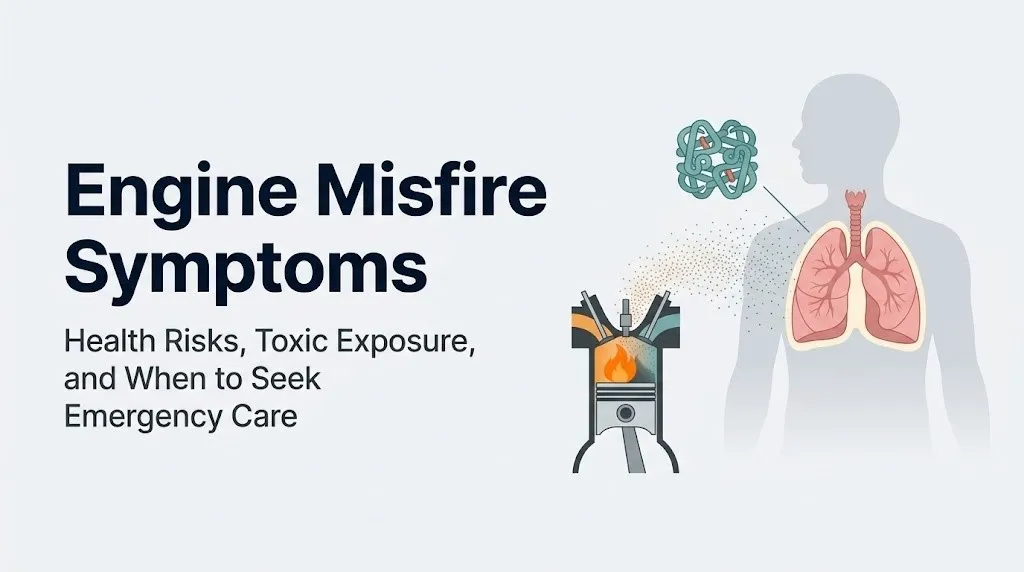
The symptom onset pattern in occupants typically follows a recognizable clinical sequence. Eye and nasal irritation appear first, because formaldehyde (a direct mucosal irritant acting on TRPA1 nociceptor ion channels in the nasal epithelium and conjunctival epithelium) produces responses at very low concentrations, with symptoms beginning at air concentrations as low as 0.1 ppm, according to NIOSH occupational exposure data. Headache, dizziness, and nausea follow at higher exposure levels as VOC concentrations rise and carbon monoxide begins competing with oxygen on hemoglobin.
Occupants who regularly drive a persistently misfiring vehicle without seeking repair accumulate benzene exposure over time. Because benzene has no safe exposure threshold according to the IARC, cumulative exposure, even at concentrations below acute symptomatic levels, carries long-term hematological risk.
Older adults taking anticoagulant medications (such as warfarin) may experience amplified hematological sensitivity to benzene exposure because their bone marrow progenitor cell populations are already under pharmacological stress. This population should be particularly aware of any vehicle emission exposure and should discuss vehicle air quality concerns with their primary care physician or managing hematologist.
Key Takeaway: Formaldehyde from misfire exhaust irritates the nasal and eye mucosa at concentrations as low as 0.1 ppm, making eye and nose irritation the earliest reliable symptom that misfire-related toxic emissions are reaching the passenger cabin.
Unburned Hydrocarbon Health Effects from a Misfiring Engine
Unburned hydrocarbons from a misfiring engine include benzene, toluene, xylene, ethylbenzene, and partially oxidized compounds such as formaldehyde and acetaldehyde, each of which produces distinct physiological effects in the human body through named mechanisms, and each of which is present in the exhaust of a misfiring vehicle at concentrations dramatically higher than those in properly combusted exhaust.
The BTEX compounds (benzene, toluene, ethylbenzene, xylene), so named for their chemical grouping, are aromatic ring hydrocarbons present in gasoline formulations. In complete combustion, these compounds are largely destroyed. In incomplete combustion from a misfire, they pass through the exhaust system intact. Toluene and xylene produce acute CNS depression at sufficient concentrations, with symptoms including headache, dizziness, impaired coordination, and nausea. At occupational exposure levels studied in workers, both compounds produce measurable decrements in cognitive performance, reaction time, and short-term memory.
Think of it like the difference between burning a log completely in a fireplace and letting it smolder. A complete burn produces mostly carbon dioxide and steam. A smoldering log fills the room with complex, partially burned compounds. A misfiring cylinder smolders on every power stroke, filling the exhaust with the chemical equivalent of smoldering gasoline.
Formaldehyde and acetaldehyde, the partially oxidized hydrocarbons produced by incomplete combustion, are both classified as Group 1 human carcinogens by the IARC. Formaldehyde is a direct mucosal irritant producing acute symptoms at low concentrations and carries long-term upper respiratory and hematological cancer risk with repeated high exposure. Acetaldehyde produces bronchial irritation and is implicated in upper respiratory tract carcinogenesis with chronic exposure.
Pregnant women face a specific risk from BTEX compound exposure because benzene, toluene, and xylene all cross the placental barrier. Research published in Environmental Health Perspectives has found associations between maternal BTEX exposure and adverse birth outcomes including low birth weight and preterm delivery, though causation is not confirmed from observational data alone.
Benzene Exposure from Engine Misfire Exhaust
Benzene from engine misfire exhaust is the single most toxicologically concerning compound in misfire-related emissions because the IARC classifies it as a Group 1 human carcinogen (definitively causing cancer in humans) with no identified safe threshold of exposure, and because misfire dramatically elevates benzene concentrations in exhaust beyond what even properly combusted gasoline-engine exhaust produces.
Benzene enters the body primarily through inhalation of contaminated air. Once inhaled, it crosses the pulmonary alveolar membrane into the bloodstream and is distributed to lipid-rich tissues throughout the body. The liver metabolizes benzene via the CYP2E1 enzyme to reactive intermediates including benzene oxide and benzene diols. These metabolites accumulate in the red bone marrow, where they form DNA adducts (covalent bonds between the reactive metabolite and DNA bases) in hematopoietic progenitor cells.
The hematological consequences of chronic high-level benzene exposure include suppression of red blood cell, white blood cell, and platelet production (aplastic anemia pattern), and in susceptible individuals, progression to acute myeloid leukemia (AML). The National Toxicology Program and IARC have confirmed this causal relationship through epidemiological data from occupationally exposed workers.
Acute lower-level benzene exposure, as would occur with misfire-related cabin contamination, produces CNS depression symptoms: dizziness, headache, nausea, drowsiness, and in high acute exposures, loss of consciousness. These acute CNS symptoms occur because benzene and its metabolites potentiate GABA-A receptor activity in the CNS, producing a sedative-like state.
The CDC states that the primary route of hazardous benzene exposure for the general population is vehicle exhaust and fuel vapor, which makes a misfiring vehicle an above-average benzene source for its regular occupants. People who commute daily in a vehicle with a persistent misfire accumulate benzene exposure that exceeds EPA’s maximum contaminant level reference dose significantly over a commuting season.
Carbon Monoxide from a Misfiring Engine
Carbon monoxide from a misfiring engine is elevated compared to properly combusted exhaust because incomplete combustion produces CO as a direct byproduct when fuel carbon atoms fail to oxidize fully to CO2, and this elevated CO reaches vehicle occupants through the cabin air supply by the same pathways that make any exhaust system failure dangerous.
The mechanism of CO toxicity is the same regardless of whether the CO source is a cracked exhaust manifold, a broken muffler, or a misfiring cylinder. CO binds to the ferrous iron (Fe2+) center of the hemoglobin heme group with approximately 200 to 250 times greater affinity than oxygen, forming carboxyhemoglobin (COHb) that cannot carry or deliver oxygen to tissues. CO simultaneously binds to cardiac myoglobin and inhibits cytochrome c oxidase in the mitochondrial electron transport chain, producing cellular energy failure independent of blood oxygen levels.
What makes misfire-related CO specifically concerning is the combination of elevated CO in the exhaust with a potentially damaged catalytic converter. A functioning catalyst oxidizes CO to CO2 before it exits the tailpipe. A catalyst damaged by misfire-related thermal events has reduced CO oxidation capacity, meaning more CO exits the tailpipe unconverted and enters ambient air near the vehicle.
The CDC reports that the standard pulse oximeter cannot distinguish between oxyhemoglobin and carboxyhemoglobin, producing a falsely normal oxygen saturation reading in CO-poisoned individuals. A driver experiencing CO symptoms from a misfiring engine who checks their oxygen saturation with a home pulse oximeter and sees a normal reading may incorrectly conclude they are not being poisoned.
People with pre-existing coronary artery disease face myocardial ischemia risk at COHb levels as low as 6%, substantially below the threshold for neurological symptoms in a healthy adult. A driver with known coronary artery disease who experiences chest tightness or palpitations during drives in a vehicle with a known or suspected misfire should not attribute these symptoms to unrelated causes without medical evaluation.
Key Takeaway: CO from a misfiring engine with a damaged catalytic converter exits the tailpipe at higher concentrations than from a properly functioning vehicle, and a pulse oximeter cannot detect the resulting carboxyhemoglobin, making normal oxygen saturation readings meaningless in this exposure scenario.
Symptoms of a Misfire: Headache, Dizziness, and Fatigue Explained
The headache, dizziness, and fatigue produced by engine misfire exposure are each explained by distinct physiological mechanisms involving different toxic compounds in the misfire exhaust mixture, and their specific patterns can help distinguish vehicle-related toxic exposure from other common causes of these symptoms.
Headache from misfire exhaust has two parallel mechanisms. The first is CO-mediated: as carboxyhemoglobin reduces oxygen delivery to brain tissue, cerebrovascular smooth muscle dilates in a compensatory attempt to increase cerebral blood flow. This vasodilation stretches the pain-sensitive walls of cerebral blood vessels, producing the throbbing, diffuse, bilateral headache characteristic of CO exposure. The second is VOC-mediated: toluene and xylene at sufficient concentrations produce direct CNS depression that includes headache as a prodromal symptom before deeper neurological effects appear.
Dizziness in misfire exposure reflects two different pathways depending on exposure level. At low VOC concentrations, direct vestibular and cerebellar sensitivity to VOC-induced CNS depression produces mild lightheadedness and impaired spatial orientation. At higher CO exposures, cerebral tissue hypoxia disrupts the neural circuits integrating vestibular, visual, and proprioceptive signals, producing more severe disequilibrium that can affect driving capability.
Fatigue follows the same dual mechanism as seen with other exhaust exposures: CO inhibition of cytochrome c oxidase reduces cellular ATP production throughout the body, and VOC-triggered central nervous system depression produces subjective exhaustion and reduced motivation independent of metabolic effects.
The temporal pattern is the key clinical differentiator. If these three symptoms (headache, dizziness, fatigue) occur together during or within 30 minutes of vehicle use and improve substantially within an hour of exiting to clean outdoor air, the vehicle’s emission state is a clinically plausible cause and warrants both mechanical inspection and medical evaluation.
People who take opioid pain medications or benzodiazepines may have reduced perception of early CNS depression symptoms from VOC exposure because these medications act on overlapping neural pathways. This population may not notice the early warning dizziness or sedation that would prompt a healthy person to leave the vehicle or stop driving.
Respiratory Symptoms from Misfiring Engine Exhaust
Respiratory symptoms from misfiring engine exhaust are produced by three distinct mechanisms acting simultaneously on different levels of the respiratory tract: formaldehyde directly irritating the upper airway mucosa, PM2.5 from incomplete combustion reaching the alveolar epithelium and triggering inflammatory responses, and VOC mixtures provoking bronchial hyperreactivity in people with pre-existing airway disease.
The nasal mucosa is the first anatomical structure exposed to inhaled misfire exhaust compounds. Formaldehyde activates TRPA1 ion channels on trigeminal nerve endings within the nasal epithelium, producing immediate burning, stinging, rhinorrhea, and sneezing at air concentrations achievable in a vehicle cabin with even a moderate misfire. This reaction occurs independently of IgE-mediated allergy mechanisms, meaning it affects even people with no history of allergies.
In the lower respiratory tract, PM2.5 from incomplete combustion deposits on the bronchial epithelium and alveolar surfaces. Alveolar macrophages phagocytose the particles and release pro-inflammatory cytokines including TNF-alpha and IL-6, producing local pulmonary inflammation and, in chronic repeated exposure, contributing to systemic vascular inflammation associated with cardiovascular risk.
The American Lung Association states in its annual State of the Air reports that near-road populations experience measurably higher rates of respiratory disease than populations living away from high-traffic areas, and that vehicle emissions, particularly from non-road-compliant or poorly maintained vehicles, are a documented contributor to this disease burden.
People with asthma experience bronchial smooth muscle contraction in response to both the direct irritant effect of formaldehyde on airway nociceptors and the IgE-mediated response to allergen-containing particulate matter in the exhaust. A person with well-controlled asthma who drives a misfiring vehicle regularly may notice their asthma control deteriorating gradually over weeks, with increasing rescue inhaler use, before connecting the change to their vehicle’s condition.
Bad Cylinder Symptoms and Cabin Air Quality
Bad cylinder symptoms, the specific mechanical presentation of a single-cylinder misfire including rhythmic engine roughness at a frequency corresponding to the misfiring cylinder’s firing interval, are relevant to cabin air quality because a single persistently misfiring cylinder produces a sustained, concentrated pulse of unburned fuel in the exhaust that reaches the cabin air supply more reliably than an intermittent multi-cylinder misfire.
A four-cylinder engine firing on three cylinders is not merely losing 25% of its power. It is producing roughly 25% of its total exhaust volume as a concentrated stream of unburned hydrocarbons on every combustion cycle of the misfiring cylinder. At idle speed (approximately 700 to 900 RPM in a four-cylinder engine), this translates to approximately 175 to 225 pulses of hydrocarbon-rich exhaust per minute from the misfiring cylinder alone.
For cabin air quality purposes, single-cylinder misfire is in some ways more concerning than intermittent multi-cylinder misfire because the emission elevation is continuous rather than episodic. A driver who can feel the rhythmic vibration of a single bad cylinder in the steering wheel and seat is experiencing continuous, unbroken elevated hydrocarbon emission into their exhaust stream during every minute of that drive.
Diagnostic trouble codes for cylinder-specific misfires are numbered P0301 (cylinder 1) through P0308 (cylinder 8) in the OBD-II (On-Board Diagnostics, Second Generation) system. When a mechanic reports a specific cylinder code, that code confirms which cylinder is failing to fire and indicates that the misfire is persistent enough to have triggered the vehicle’s onboard monitoring threshold.
People who drive vehicles older than 1996 (pre-OBD-II era) may not have the benefit of onboard misfire detection and will rely entirely on physical symptoms (mechanical and health-related) to recognize a misfire condition. Older adults who frequently drive older vehicles represent a population with both higher misfire risk (older vehicles are more prone to ignition system wear) and reduced physiological reserve to tolerate the resulting emissions exposure.
Key Takeaway: A single persistently misfiring cylinder produces a continuous stream of unburned hydrocarbons on every engine cycle, meaning single-cylinder misfire creates sustained cabin emission exposure rather than the episodic exposure of an intermittent misfire.
Car Misfire Symptoms That Signal a Health and Safety Risk
Car misfire symptoms that signal a genuine health and safety risk, as distinguished from purely mechanical warning signs, are those that indicate either cabin air contamination with toxic emissions or progressive mechanical deterioration toward a driving safety emergency: stalling, loss of steering, loss of braking assist, or catalytic converter fire.
The clearest health-safety bridge symptoms are those involving perceptible exhaust odor inside the cabin. A strong smell of gasoline or exhaust inside a car with closed windows during or after driving indicates that unburned hydrocarbons are entering the cabin air supply at concentrations sufficient to be detectable by smell. At detectable concentrations, benzene, toluene, and formaldehyde are already present at levels that produce physiological responses in the respiratory mucosa and, with sustained exposure, in the CNS.
A second category of health-relevant car misfire symptoms involves the catalytic converter. A converter that is actively overheating from accumulated unburned fuel may radiate heat detectably through the floor of the vehicle. A burning smell from underneath the vehicle that is distinct from typical exhaust odor, described by drivers as a sharp chemical or acrid burning smell different from normal exhaust, can indicate active catalyst combustion of raw fuel. This is not just a mechanical problem. It is a vehicle fire precursor.
Health and safety red flag symptoms in a car with a suspected misfire:
- Exhaust or gasoline smell inside the cabin with windows closed
- Burning chemical smell from beneath the vehicle at idle
- Sudden stalling in traffic without prior warning
- Loss of power steering or braking assist following engine stall (these systems are vacuum or electrically dependent on engine operation)
- Any occupant developing headache, nausea, or dizziness that begins during drives and resolves with fresh air
- Check engine light combined with any physical symptom in an occupant
Women who are pregnant should treat any exhaust or gasoline odor inside their vehicle as an immediate reason to stop using the vehicle and arrange alternate transportation until the exhaust and fuel systems have been professionally inspected.
Truck Misfire Symptoms and Elevated Emission Exposure
Truck misfire symptoms carry elevated health risk compared to car misfire symptoms because trucks typically have larger displacement engines with more cylinders (V6, V8, V10), higher fuel consumption, and higher exhaust volume per hour of operation, meaning that the absolute mass of unburned hydrocarbons and CO released per misfire event is substantially larger than in a compact passenger car.
A V8 truck with a single-cylinder misfire is sending one-eighth of its total exhaust volume (at much higher absolute volume than a four-cylinder car) through the exhaust system as essentially raw, partially combusted fuel on every firing cycle of the affected cylinder. The catalytic converter on a high-displacement truck is designed for its normal combustion output. The excess hydrocarbon load from even a single-cylinder misfire on a large displacement engine can exceed the converter’s oxidation capacity, particularly at low exhaust temperatures (city driving, extended idling).
Trucks used for towing or hauling operate under sustained high-load conditions that increase fuel consumption and, with a misfire present, increase the absolute emission output per unit of time. A contractor who drives a work truck for 6 to 8 hours daily while it is misfiring under load is accumulating substantially higher daily benzene, formaldehyde, and CO exposure than an office commuter driving a car for 45 minutes each way.
The National Institute of Environmental Health Sciences has noted that occupational vehicle operators (truck drivers, delivery drivers, construction equipment operators) represent a population with documented elevated exposure to vehicle-related carcinogens including benzene, with epidemiological studies showing elevated rates of certain leukemia subtypes in chronically exposed occupational groups. A work truck driver experiencing a persistent misfire should prioritize repair from both a mechanical and an occupational health standpoint.
People who drive trucks in enclosed spaces such as loading docks, warehouses, or underground parking garages are at highest risk for CO accumulation from misfire-related elevated emissions, because the enclosed space prevents dilution of the CO plume in the same way a vehicle garage or attached garage creates CO buildup risk.
Who Faces the Highest Health Risk from Misfiring Engine Emissions
The populations facing the highest health risk from misfiring engine emissions are pregnant women, infants and young children, people with asthma or COPD, people with pre-existing cardiovascular disease, people with bone marrow vulnerability (including those with hematological conditions or on chemotherapy), and people with genetic CYP2E1 enzyme variants that alter benzene metabolism.
Each of these groups faces elevated risk through a distinct physiological mechanism:
| Population | Primary Risk Mechanism | Specific Concern |
|---|---|---|
| Pregnant women | Placental transfer of benzene, toluene, formaldehyde | Fetal hematopoietic system benzene exposure; adverse birth outcomes |
| Infants and young children | Higher respiratory rate per body weight, developing CNS | Greater benzene absorption per kg; higher neurological vulnerability to VOCs |
| People with asthma | Bronchial hyperreactivity to formaldehyde and particulate matter | Misfire exhaust triggers bronchospasm at lower concentrations |
| People with COPD | Reduced FEV1 baseline, limited pulmonary reserve | Particulate and VOC exposure worsens exacerbation risk |
| People with coronary artery disease | Myocardial ischemia at COHb levels as low as 6% | CO from misfire triggers angina at lower exposure than in healthy adults |
| Chemotherapy patients | Bone marrow suppression from treatment | Benzene bone marrow toxicity compounds chemotherapy hematological effects |
| CYP2E1 rapid metabolizers | Faster benzene activation to toxic reactive metabolites | Higher production of benzene oxide and DNA-damaging catechols per exposure |
| Daily work truck operators | Prolonged daily exposure duration | Higher cumulative benzene and formaldehyde dose over time |
Near-road residents, particularly children who attend schools within 500 feet of high-traffic roadways, face elevated chronic exposure from gross emitter vehicles passing through their neighborhood. The American Lung Association has consistently identified near-road residence as an independent risk factor for pediatric asthma onset and progression.
Catalytic Converter Damage from Misfire and Its Health Implications
Catalytic converter damage from a persistent engine misfire is the point at which a mechanical problem becomes a permanently elevated public health and safety risk, because a destroyed catalyst converts a vehicle from a gross emitter into a vehicle that releases the full toxic burden of incomplete combustion with no chemical neutralization at the tailpipe.
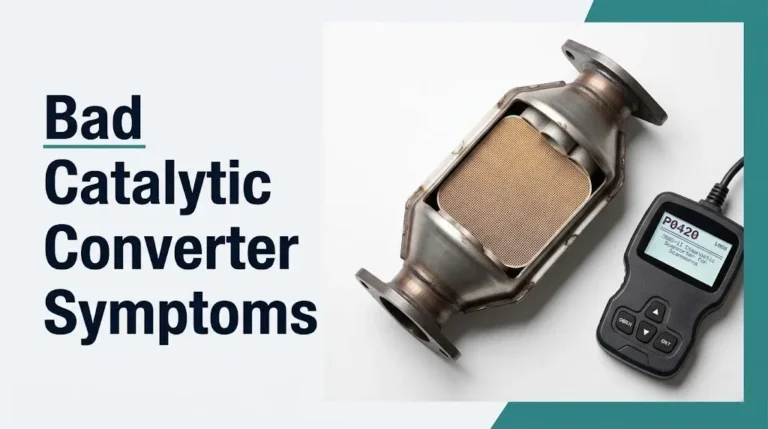
The catalytic converter substrate is a ceramic or metallic honeycomb coated with precious metal catalysts (platinum, palladium, rhodium) that oxidize CO to CO2 and unburned hydrocarbons to CO2 and water. The coating operates at temperatures between 400 and 800 degrees Celsius under normal operating conditions. When raw, unburned fuel from a misfiring cylinder ignites inside the converter body, temperatures can briefly exceed 1,600 degrees Celsius, melting the ceramic substrate and destroying the catalyst coating irreversibly.
Once the catalyst is destroyed, it cannot be restored by simply fixing the misfire. The damaged converter must be replaced. Until it is replaced, the vehicle operates as a gross emitter with elevated HC, CO, benzene, formaldehyde, and other toxic emissions exiting the tailpipe unconverted on every drive.
The safety implication of a damaged converter is direct: a vehicle with a destroyed catalytic converter can generate sufficient heat inside the converter housing to ignite combustible materials in the vehicle’s undercarriage or the road surface. Vehicle fires from catalyst thermal events, while not the most common cause of vehicle fires, are a documented mechanism. A driver who notices a strong burning smell from beneath the vehicle while driving should pull over immediately, turn off the engine, exit the vehicle, move away from it, and call 911.
People with hypersensitivity to chemical odors, including people with multiple chemical sensitivity (MCS) or mast cell activation syndrome (MCAS), may notice converter-related chemical burning smells at concentrations below the threshold for most drivers and should treat this symptom with the same urgency as any other fire precursor.
Key Takeaway: A catalytic converter destroyed by misfire thermal events permanently removes the vehicle’s only chemical neutralization barrier for toxic exhaust compounds, converting every subsequent drive into a gross emitter exposure event until the converter is replaced.
Is Driving with Engine Misfire Symptoms Dangerous
Driving with engine misfire symptoms is dangerous for two distinct categories of risk: the toxic exposure risk to occupants from elevated emissions during the drive, and the physical safety risk from progressive mechanical deterioration that can produce sudden stalling, loss of power, or vehicle fire without further warning.
The mechanical safety risks are the more immediately life-threatening. A severe or worsening misfire can progress to complete cylinder failure, causing the engine to stall at highway speed. When a vehicle’s engine stalls at speed, power steering assist and brake vacuum boost are lost within one to two pedal applications, requiring substantially more physical force to steer and brake than a driver accustomed to power-assisted systems will expect. For older adults, people with physical disabilities affecting grip strength or lower limb function, or people with any condition reducing reaction time, sudden loss of power assist at highway speed represents a serious injury risk.
A second mechanical safety risk is fire. As described, raw fuel igniting inside an overheated catalytic converter can produce under-vehicle combustion. Vehicle fires that originate under the car rather than in the engine bay can progress rapidly without the driver seeing flames, because they begin beneath the floor of the passenger compartment.
The toxic exposure risk compounds over time rather than representing a single-event emergency. A driver who continues using a misfiring vehicle for weeks or months is accumulating benzene, formaldehyde, and CO exposure that has measurable long-term hematological and respiratory consequences, not just the transient headache or nausea of a single exposure event.
To assess whether driving with a suspected misfire is safe for your specific situation:
- Check whether a check engine light is present and have the OBD-II codes read immediately at any auto parts retailer or mechanic.
- Assess whether the vehicle is stalling or experiencing sudden power loss, even briefly. Any stalling history makes the vehicle unsafe to drive at highway speeds.
- Check for exhaust or fuel smell inside the cabin. If present with windows closed, do not drive the vehicle until the exhaust system has been inspected.
- Assess occupant symptoms. If any regular occupant reports headache, nausea, or dizziness correlated with driving, stop using the vehicle immediately pending inspection.
- Have the vehicle towed rather than driven to the mechanic if stalling, fire smell from beneath the car, or severe misfire shaking is present.
Emergency Symptoms: When to Call 911 or Go to the ER
Certain symptoms associated with driving or riding in a misfiring vehicle require immediate emergency evaluation. Do not wait to see if these resolve on their own.
Call 911 or go to the nearest emergency room immediately if you or any vehicle occupant experiences:
- Loss of consciousness or near-loss of consciousness during or after a drive (indicates severe CO poisoning or acute VOC neurotoxicity requiring immediate emergency treatment)
- Severe chest pain or pressure during or after vehicle use in a person with known or suspected coronary artery disease (CO-mediated myocardial ischemia can occur at lower COHb levels in this population)
- Confusion, disorientation, inability to recognize familiar surroundings, or slurred speech after driving (indicates significant CO or VOC neurological impairment)
- Seizure during or after vehicle use (indicates severe CO poisoning or toxic VOC concentration producing neurological excitation)
- Visible fire or smoke from beneath the vehicle: immediately pull over safely, turn off the engine, exit the vehicle, move at least 100 feet away, and call 911 immediately
- Sudden complete loss of engine power at highway speed causing loss of steering or braking control: activate hazard lights, coast to the roadway shoulder, call 911 for traffic safety assistance
- Any child who becomes unusually drowsy, pale, vomiting, or unresponsive during a drive (children accumulate carboxyhemoglobin and VOC concentrations faster than adults and may show severe symptoms before the adult driver notices their own milder symptoms)
Call Poison Control at 1-800-222-1222 if you are uncertain whether your symptoms reflect toxic chemical exposure from your vehicle and need guidance on next steps.
These presentations can indicate acute carbon monoxide poisoning, benzene or VOC acute neurotoxicity, vehicle fire, or highway mechanical emergency, all of which require emergency medical assessment or emergency response services, not an urgent care appointment.
When Engine Misfire Symptoms Require Medical Evaluation
Engine misfire symptoms require medical evaluation any time an occupant of a misfiring vehicle has experienced physical symptoms during or after driving that are consistent with toxic exposure, regardless of whether those symptoms were mild, because the baseline COHb and VOC exposure from a misfiring engine cannot be assessed without clinical testing, and early intervention prevents cumulative exposure from progressing to more serious health consequences.
The specific medical evaluation pathway depends on the clinical picture:
- Mild symptoms (headache, eye irritation, mild nausea) that resolved fully in fresh air: Evaluation by a primary care physician within 24 to 48 hours. Request a discussion of the exposure history. The physician may order a carboxyhemoglobin blood test (which must be drawn within hours of exposure for accuracy), a complete blood count (CBC) if benzene exposure has been ongoing over weeks, and basic liver function tests if prolonged VOC exposure is suspected.
- Moderate symptoms (persistent headache, significant dizziness, prolonged nausea, mild confusion) that resolved slowly: Evaluation at an urgent care center or emergency department the same day. Request co-oximetry blood testing specifically (not a standard pulse oximeter) to assess carboxyhemoglobin saturation. Inform the treating physician of the vehicle’s known misfire and the exposure duration.
- Severe symptoms (confusion, chest pain, difficulty breathing, loss of consciousness, even briefly): Call 911 immediately. These require emergency department evaluation and treatment, which may include 100% high-flow oxygen via non-rebreather mask or hyperbaric oxygen therapy depending on the COHb level.
- Chronic exposure concern (weeks of driving a misfiring vehicle with recurrent mild symptoms): Primary care physician evaluation with a CBC to assess for early benzene hematotoxicity (looking for declining red blood cell, white blood cell, or platelet counts), liver function panel, and if available, a consultation with an occupational medicine physician or toxicologist who can assess cumulative benzene exposure risk.
Women who are pregnant and have driven a misfiring vehicle regularly should inform their obstetrician-gynecologist immediately, describe the exposure duration and symptom pattern, and ask specifically about monitoring for VOC and benzene-related fetal risk given the documented placental transfer of these compounds.
Frequently Asked Questions About Engine Misfire Symptoms
Can a misfiring engine make you feel sick or give you a headache?
Yes, a misfiring engine can make you feel sick by producing elevated concentrations of carbon monoxide, benzene, formaldehyde, and VOCs in its exhaust that enter the vehicle cabin through the ventilation system and cause headache, nausea, dizziness, and eye irritation.
Formaldehyde from incomplete combustion irritates the nasal and eye mucosa directly through TRPA1 ion channel activation at concentrations as low as 0.1 ppm, according to NIOSH occupational exposure data.
If your headache, nausea, or eye irritation begins during drives and improves within an hour of exiting to fresh air, vehicle emission exposure from a potential misfire is a clinically plausible cause and warrants both mechanical inspection and same-day medical evaluation.
What are the health symptoms of driving a car with an engine misfire?
Driving a car with an engine misfire can produce eye and nasal irritation, headache, dizziness, nausea, fatigue, and worsening of pre-existing respiratory conditions including asthma and COPD, all caused by elevated toxic emissions entering the cabin air.
The symptom onset pattern, beginning during drives and improving with fresh air after exiting the vehicle, is the most reliable indicator that vehicle emissions are the source rather than an unrelated illness.
Any person with coronary artery disease or COPD who experiences chest tightness, shortness of breath, or increased respiratory symptoms correlated with driving should contact their managing cardiologist or pulmonologist the same day and disclose the vehicle’s misfire status.
Is benzene from a misfiring engine dangerous to breathe?
Benzene from a misfiring engine is dangerous to breathe because the International Agency for Research on Cancer classifies it as a Group 1 human carcinogen with no identified safe threshold of exposure, and misfiring vehicles produce benzene at dramatically elevated concentrations compared to properly functioning engines.
Acute benzene exposure produces CNS depression symptoms including dizziness, headache, and impaired coordination through GABA-A receptor potentiation, while chronic high-level exposure suppresses hematopoietic progenitor cells in the red bone marrow, potentially contributing to hematological malignancy.
Any person who has regularly driven or ridden in a vehicle with a known persistent misfire over weeks or months should discuss the exposure with a primary care physician and request a complete blood count to assess baseline hematological status.
Can an engine misfire cause carbon monoxide poisoning?
An engine misfire can cause elevated CO exposure in vehicle occupants because incomplete combustion directly produces carbon monoxide as a byproduct, and a misfire-damaged catalytic converter may no longer oxidize CO to CO2 before it exits the tailpipe.
CO from misfire-related incomplete combustion binds hemoglobin with 200 to 250 times the affinity of oxygen, forming carboxyhemoglobin that reduces tissue oxygen delivery, and standard pulse oximeters cannot detect this because they cannot distinguish carboxyhemoglobin from oxyhemoglobin.
Any person experiencing confusion, severe headache, chest pain, or loss of consciousness during or after driving a misfiring vehicle should call 911 immediately or go to the nearest emergency room and request co-oximetry blood testing specifically.
Is it safe to drive with engine misfire symptoms?
Driving with engine misfire symptoms is not safe for two reasons: the toxic emission exposure risk to occupants from elevated benzene, formaldehyde, VOCs, and CO, and the mechanical safety risk of progressive engine deterioration leading to stalling, loss of power assist, or catalytic converter fire.
A vehicle with stalling history, a severe persistent misfire shaking, a burning smell from beneath the car, or exhaust odor inside the cabin should be towed to a mechanic rather than driven, because each of these signs indicates a risk level that makes continued driving genuinely dangerous.
If the vehicle has only a mild intermittent misfire with no cabin odor and no stalling history, it can often be driven a short distance to a mechanic, but not until the occupant has assessed whether any physical symptoms (headache, nausea) are present that would indicate cabin exposure.
What should I do if I think my misfiring engine is making me feel ill?
Stop driving the vehicle immediately, exit into fresh outdoor air, and move away from the vehicle’s exhaust plume while you assess your symptoms.
Call Poison Control at 1-800-222-1222 for guidance on your specific symptom pattern and exposure duration, or go directly to an urgent care center or emergency department if symptoms include confusion, chest pain, persistent severe headache, or dizziness.
Do not return to using the vehicle until the exhaust and fuel systems have been professionally inspected and any misfire condition, damaged catalytic converter, or exhaust leak has been confirmed repaired.
Closing
An engine misfire is not just a mechanical inconvenience. It is a documented source of elevated benzene, formaldehyde, carbon monoxide, and VOC exposure for everyone in and around the vehicle. The health consequences range from transient headache and eye irritation at low exposure levels to long-term hematological risk from benzene and acute CO poisoning at higher exposures.
The most practical first step is the same whether your concern is mechanical or health-related: stop driving the vehicle until it has been inspected. Have the OBD-II misfire codes read, the exhaust system checked for leaks, and the catalytic converter assessed for damage. Track whether your physical symptoms resolve after you stop using the vehicle.
If physical symptoms persist after you stop using a misfiring vehicle, or if they were severe during vehicle use, contact your primary care physician and ask specifically about co-oximetry testing, a complete blood count, and the exposure history you’ve just documented. You now have the physiological framework to describe exactly what happened in your body, which makes that clinical conversation specific and actionable.