Senior Cat Diabetes Symptoms: Signs Every Owner Must Know
Senior cat diabetes symptoms include increased thirst, excessive urination, weight loss despite a good appetite, hind leg weakness, and a dull coat. These are not subtle changes. Once you know what to look for, the pattern is recognizable, and recognizing it early makes a genuine difference to your cat’s outcome.
According to the American Association of Feline Practitioners (AAFP), feline diabetes mellitus is one of the most common endocrine disorders in cats, with middle-aged to senior cats over 8 years of age carrying the highest prevalence. Research published in the Journal of Veterinary Internal Medicine indicates that between 0.5% and 2% of cats seen in veterinary practice carry a diabetes diagnosis, with rates rising sharply in cats over 10 years old and in neutered males.
This article covers the full clinical picture of feline diabetes in older cats: every observable symptom with the veterinary physiological explanation behind it, the life-threatening complication called diabetic ketoacidosis and how to recognize it at home, which cat populations face the greatest risk, and exactly when a symptom requires an emergency veterinary visit rather than a routine appointment.
Senior Cat Diabetes Symptoms: What You Are Actually Seeing and Why It Matters
The core senior cat diabetes symptoms are four changes that occur together as a recognizable cluster: drinking more water than usual, urinating more frequently or in larger amounts, eating more than normal, and losing body weight despite that increased appetite.
These four signs are not random. They arise from the same underlying biological failure: the cat’s cells cannot access blood glucose properly. The result is that organs and tissues that should be processing glucose are instead running on emergency metabolic backup systems. Every observable symptom traces back to that one breakdown.
What makes senior cats specifically vulnerable is the progressive deposition of a protein called islet amyloid polypeptide (IAPP) in the pancreatic beta cells over years of aging. This amyloid deposit progressively destroys the cells responsible for producing insulin. The process is gradual and often silent until enough beta cell mass is lost that blood glucose begins to rise persistently.
Many owners attribute early diabetes symptoms to normal aging: “she’s just getting old and sleeping more,” or “he’s always been a thirsty cat.” That interpretation delays diagnosis on average by weeks to months. The distinction between aging and disease matters here, because early diagnosis dramatically improves the chance of diabetic remission in cats, a genuine recovery to non-diabetic status that is possible in cats but not in most other species with diabetes.
Quick clinical checklist of early observable signs:
- Litter box that is noticeably wetter than usual, or clumps that are dramatically larger
- Water bowl emptying faster, or cat drinking from unusual sources like faucets or glasses
- Cat finishing food faster and appearing hungry sooner than before
- Gradual loss of body weight, especially over the spine and hips, despite eating well
- Coat looking dull, greasy, or unkempt, particularly along the back
- Reduced jumping or reluctance to use elevated surfaces
What Is Feline Diabetes Mellitus and How Does It Develop in Cats
Feline diabetes mellitus is a chronic metabolic disorder in which the cat’s body either produces insufficient insulin from the pancreatic beta cells of the islets of Langerhans, or the peripheral tissues fail to respond adequately to the insulin that is produced, causing persistent elevation of blood glucose.
The feline form of diabetes most closely resembles human Type 2 diabetes mellitus in its early stages: peripheral tissues, particularly skeletal muscle and adipose tissue, develop resistance to insulin signaling, reducing the ability of glucose transporter proteins (primarily GLUT4) to move blood glucose into cells. Unlike human Type 2 diabetes, however, feline diabetes often progresses to a state requiring insulin injection, because the concurrent IAPP amyloid deposition described above destroys enough beta cell mass to eliminate endogenous insulin production entirely.
Think of it like a fuel pump that is both clogged at the intake and broken at the output. Blood glucose (the fuel) builds up in the tank (the bloodstream), but the engine (the cells) runs dry because neither the delivery line (insulin signaling) nor the pump itself (insulin production) is working.
Cats are also unique in that their hepatic (liver) metabolism produces glucose continuously, regardless of diet, because they evolved as obligate carnivores whose livers are adapted to run primarily on protein-derived glucose. This continuous hepatic glucose output amplifies the hyperglycemia that results when insulin signaling fails.
According to the Merck Veterinary Manual, feline diabetes is classified as insulin-dependent in approximately 50% to 70% of diagnosed cases, though many cats initially present with a degree of residual insulin responsiveness that can be exploited for remission if treatment is started promptly.
Cats with chronic pancreatitis face an additional pathway: repeated inflammatory damage to the exocrine pancreas progressively destroys the surrounding endocrine tissue, including the beta cells, even without IAPP deposition. This pathway accounts for a meaningful proportion of diabetic cats with no obesity history.
Symptoms of Diabetes in a Cat: The Full Clinical Picture
The symptoms of diabetes in a cat span four body systems simultaneously and range from changes you can observe at the water bowl to changes in the way your cat walks.
Here is the complete clinical symptom inventory with mechanism and severity for each:
| Symptom | Physiological Mechanism | Severity Level | When to Act |
|---|---|---|---|
| Excessive thirst (polydipsia) | Osmotic diuresis from glucosuria drives fluid loss; thirst compensates | Moderate, early sign | Vet within 48 hours |
| Excessive urination (polyuria) | Glucose in urine draws water via osmosis in renal tubules | Moderate, early sign | Vet within 48 hours |
| Increased appetite (polyphagia) | Cellular glucose starvation signals hunger despite normal intake | Moderate, early sign | Vet within 48 hours |
| Weight loss despite eating | Muscle protein catabolized for gluconeogenesis; fat mobilized for ketogenesis | Moderate to severe | Vet within 24 hours |
| Hind leg weakness, flat-footed stance | Peripheral axonal demyelination from polyol pathway glucose toxicity | Moderate to severe | Vet same day |
| Lethargy, reduced activity | Cellular energy deficit; muscle wasting reduces mobility | Mild to moderate | Vet within 48 hours |
| Dull, unkempt coat | Protein catabolism reduces keratin production; grooming declines | Mild, early sign | Vet within 48 hours |
| Sweet or fruity breath | Acetone from hepatic ketogenesis volatilizes in expired air | Severe, DKA signal | Vet immediately |
| Vomiting | Metabolic acidosis in DKA irritates gastrointestinal mucosa | Severe, DKA signal | Vet immediately |
| Collapse or unresponsiveness | Severe hypoglycemia (overtreated) or DKA-induced acidosis | Life-threatening | Emergency vet now |
Female cats and intact males tend to present with less striking weight loss in early diabetes compared to neutered males, because body composition differences affect the rate of visible muscle wasting. An intact female’s higher proportion of body fat may mask early weight loss, allowing the condition to progress further before the owner notices.
Key Takeaway: The four early signs of feline diabetes (more water, more urination, more eating, less weight) appear together and trace back to one cause: cells starving for glucose while blood sugar runs dangerously high. Any cat showing all four signs needs a vet appointment within 24 to 48 hours.
Cat Drinking Too Much Water and Urinating More After Diabetes Onset
Increased thirst and increased urination in a diabetic cat occur because glucose accumulates in the urine, and that glucose draws water out of the body through a process called osmotic diuresis in the renal proximal convoluted tubule.
Here is the specific mechanism. When blood glucose rises above approximately 200 to 280 mg/dL in cats, it exceeds the capacity of the sodium-glucose co-transporter proteins (SGLT2) in the renal proximal convoluted tubule to reabsorb all of it back into the bloodstream. Glucose that spills into the urine creates an osmotic gradient: water follows glucose passively down that gradient and is lost in larger-than-normal urine volumes. This water loss creates genuine dehydration, and the body’s thirst mechanism responds by driving the cat to drink more.
The result at the litter box level is unmistakable once you know what to look for. Urine clumps in clumping litter become dramatically larger. Cats using a box with crystal or non-clumping litter will soak through it faster. Some cats, overwhelmed by the urge to urinate, miss the box entirely. This inappropriate urination is often misread by owners as a behavioral problem or a urinary tract infection, delaying the diabetes diagnosis.
Cats with concurrent chronic kidney disease (CKD) present a diagnostic challenge here: CKD also causes polyuria and polydipsia through a completely different mechanism (impaired urine concentrating ability from tubular damage). Distinguishing between CKD-driven and diabetes-driven polydipsia requires blood glucose measurement and serum fructosamine testing, not urinalysis alone.
To track water intake accurately before your veterinary appointment:
- Measure the amount of water placed in the bowl each morning in a standardized container.
- Measure the amount remaining each evening at the same time.
- Record this daily for three to five days.
- Note whether the cat also seeks water from alternative sources (sinks, glasses, bathtubs).
- Bring this written record to the vet. A daily water intake above 45 milliliters per kilogram of body weight per day is considered above the normal range for cats, according to the Merck Veterinary Manual.
Cat Losing Weight but Eating More: The Metabolic Mechanism
A diabetic cat that is eating normally or eating more but losing weight is experiencing active breakdown of its own muscle and fat tissue because its cells cannot access blood glucose for energy.
The mechanism is precisely this: without effective insulin signaling, GLUT4 transporters on skeletal muscle cells and adipocytes (fat cells) remain inactive. Glucose cannot enter these cells. The cells signal starvation to the brain, driving increased appetite (polyphagia). Simultaneously, glucagon from the pancreatic alpha cells, now operating without insulin’s counter-regulatory suppression, activates hepatic glycogenolysis (breaking down glycogen stores) and triggers gluconeogenesis, in which liver cells manufacture new glucose from amino acids harvested by breaking down skeletal muscle protein.
Adipose tissue responds to the perceived starvation state by releasing free fatty acids through lipolysis. The liver converts these fatty acids into ketone bodies (acetoacetate, beta-hydroxybutyrate) through hepatic ketogenesis. This is the same pathway that, when unchecked, leads to diabetic ketoacidosis.
Visible weight loss in a diabetic cat appears first along the spine, where vertebral processes become palpable through thinning muscle. The hips and skull become more prominent. A cat that was previously overweight may lose several pounds over weeks, which owners sometimes initially welcome as the cat “slimming down.” That misreading is a common cause of delayed presentation.
According to the Journal of Feline Medicine and Surgery, weight loss at the time of diabetes diagnosis is present in the majority of affected cats, even those that have maintained a normal or elevated appetite throughout the pre-diagnostic period. The severity of muscle wasting at presentation correlates with how long the undiagnosed diabetic state has been present.
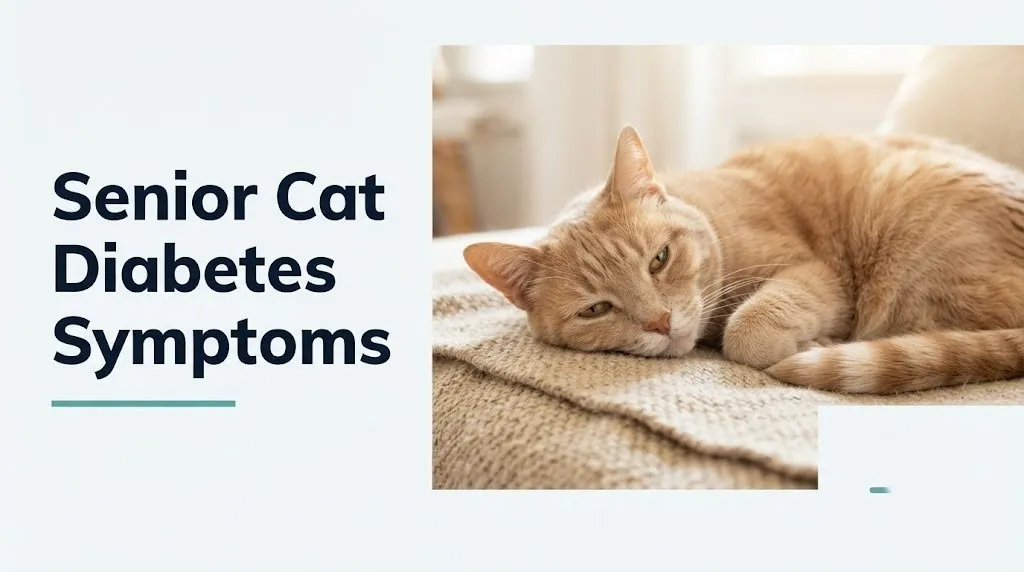
Older cats over 13 years of age may show more rapid and severe weight loss than younger diabetic cats, partly because age-related reduction in baseline muscle mass (sarcopenia) combines with the diabetic catabolic state to accelerate visible wasting.
Feline Diabetic Neuropathy and Hind Leg Weakness in Cats
Feline diabetic neuropathy is the progressive damage to peripheral nerve axons caused by chronic hyperglycemia, and it produces the characteristic flat-footed or crouched walking posture called plantigrade stance that is one of the most visually distinctive signs of advanced feline diabetes.
In a healthy cat, the hock joint (the joint that corresponds to the human ankle) is elevated off the ground during walking. The cat walks on its toes, with the hock forming the classic backward-bending angle seen in any cat’s hind legs. In a cat with diabetic neuropathy, the hocks descend toward or contact the floor. The cat appears to walk flat-footed on its hind legs, often appearing unsteady or reluctant to jump.
The underlying mechanism involves the polyol pathway: when blood glucose is chronically elevated, glucose is converted to sorbitol by the enzyme aldose reductase inside peripheral nerve cells. Sorbitol accumulates because the next enzyme in the pathway (sorbitol dehydrogenase) cannot clear it fast enough. This sorbitol accumulation causes osmotic swelling of Schwann cells, which are the cells responsible for maintaining the myelin sheath around peripheral axons. Myelin sheath deterioration slows and eventually disrupts nerve conduction velocity in the motor neurons supplying the hind limb muscles.
Research published in the Journal of Veterinary Internal Medicine has documented plantigrade stance in a substantial proportion of diabetic cats at diagnosis, with many showing improvement or resolution of the neuropathy with effective blood glucose control over weeks to months. This reversibility makes early recognition clinically meaningful: catching the neuropathy while it is still in early stages gives the cat a real chance of walking normally again.
Male neutered cats and Burmese cats appear to develop plantigrade stance at a slightly higher rate than other diabetic cats in clinical observations, though the physiological explanation for this breed and sex difference in neuropathy susceptibility has not been fully established in published veterinary literature.
Cat Diabetes Lethargy and Coat Changes
Lethargy and a deteriorating coat in a diabetic cat reflect two separate but related consequences of the ongoing metabolic crisis: cellular energy deficit and protein depletion that reduces the quality of structural tissues including fur.
A diabetic cat’s cells are energy-starved despite high blood glucose, because without insulin signaling those cells cannot use the available glucose. The result is a cat that moves less, sleeps more, shows less interest in play or interaction, and may stop grooming entirely. Owners frequently describe the change as “she just seems old now” or “he lost interest in everything.” These behavioral shifts are real physiological changes, not psychological ones.
Coat quality deteriorates for a specific reason. Keratin, the structural protein that makes up cat hair, requires amino acids for its synthesis. In the diabetic catabolic state, the body preferentially harvests amino acids from structural proteins (including skin and hair follicle proteins) to fuel gluconeogenesis. The coat becomes dull, dry, or greasy-looking, loses normal luster, and may develop areas of matting particularly along the spine and hindquarters, where the cat can no longer reach to groom due to hind limb weakness.
The Cornell Feline Health Center notes that coat changes in diabetic cats are often compounded by the cat’s reduced flexibility from muscle weakness, making self-grooming mechanically difficult on top of the nutritional deficiency. An unkempt coat in a previously fastidious cat is a red flag for any systemic illness, not just diabetes.
Individual variation is notable here. Long-haired cats (Maine Coon, Persian, Ragdoll) may show coat deterioration more dramatically and earlier than short-haired cats, simply because coat volume and texture changes are more visible. Owners of long-haired senior cats should pay attention to coat texture in the lumbar (lower back) region, as this is often the first area where matting and dullness appear in diabetic cats.
Key Takeaway: Flat-footed hind leg walking (plantigrade stance) in a senior cat is not just arthritis. It is a hallmark sign of feline diabetic neuropathy and warrants a blood glucose test the same day you notice it.
Diabetic Ketoacidosis in Cats: Symptoms and Emergency Signs
Diabetic ketoacidosis (DKA) in cats is a life-threatening complication of uncontrolled diabetes in which the liver produces ketone bodies faster than the body can clear them, driving the blood into dangerous metabolic acidosis.
DKA develops when insulin deficiency is severe enough that the body fully shifts to fat-based energy production. Hepatic ketogenesis converts free fatty acids (from lipolysis) into acetoacetate and beta-hydroxybutyrate. As these acids accumulate in the blood, they drop blood pH, disrupting virtually every organ system. The kidneys attempt to compensate by excreting ketones and bicarbonate, which accelerates dehydration. The resulting combination of dehydration, acidosis, and electrolyte imbalance (particularly low potassium and phosphate) can be fatal within 24 to 48 hours without intravenous treatment.
DKA in cats can be triggered by an infection (urinary tract infection secondary to glucosuria is a common trigger), concurrent pancreatitis, physical stress such as boarding or surgery, or simply the unchecked progression of undiagnosed diabetes.
Observable DKA warning signs in cats:
- Vomiting, even once or twice (not explained by hairball or eating too fast)
- Complete refusal of food for more than 12 to 24 hours
- Severe lethargy: cat cannot stand without difficulty, or lies in unusual positions
- Labored or rapid breathing (Kussmaul-type breathing as the body tries to exhale acid as CO2)
- Sweet, fruity, or acetone-like breath odor detectable without bending close to the cat
- Obvious dehydration: skin tenting (skin does not immediately return after gentle pinching), sunken eyes, dry gums
- Yellow tinge to the eyes, ears, or gums (jaundice, indicating hepatic lipidosis developing concurrently)
Cats that develop DKA concurrently with pancreatitis have a more severe prognosis and require management by a board-certified veterinary internist or emergency specialist in addition to standard DKA stabilization.
Cat Diabetes Breath Smell and Vomiting
A sweet, fruity, or nail-polish-like breath odor in a diabetic cat comes from acetone, one of the three ketone bodies produced by hepatic ketogenesis, which is volatile enough to be exhaled through the lungs.
Acetone is produced as a spontaneous breakdown product of acetoacetate. Unlike the other ketone bodies (acetoacetate and beta-hydroxybutyrate), acetone cannot be used as an energy source by the body. Instead, it diffuses from the bloodstream into the alveoli of the lungs and is exhaled. The characteristic sweet or fruity smell of ketotic breath is distinct from normal feline mouth odor (which tends toward a fishy or protein smell from diet) and once you have encountered it, it is recognizable.
Not every diabetic cat will have detectable ketone breath at presentation. The smell becomes noticeable only when ketone body production exceeds a threshold. Its presence always indicates that significant hepatic ketogenesis is underway and that DKA is either developing or already established.
Vomiting in a diabetic cat deserves specific attention. Diabetic cats can vomit for multiple reasons: the metabolic acidosis of DKA directly irritates the gastrointestinal mucosa; concurrent pancreatitis (which is strongly associated with feline diabetes) causes nausea and vomiting; hepatic lipidosis developing secondary to anorexia causes nausea; and hypokalemia (low blood potassium from renal losses in DKA) reduces gastrointestinal motility, causing nausea.
According to the Merck Veterinary Manual, vomiting in a known or suspected diabetic cat should never be attributed to a benign cause without veterinary evaluation, because it is one of the earliest observable signs of DKA. A diabetic cat that vomits even once warrants same-day veterinary contact.
Cats with concurrent hyperthyroidism and diabetes may show more prominent gastrointestinal signs because elevated thyroid hormone (thyroxine T4) increases gastrointestinal motility and can cause vomiting independently.
Key Takeaway: Sweet or fruity-smelling breath on your cat is not a dental problem. It is acetone from ketogenesis, and it means DKA is underway. That cat needs emergency veterinary care today, not tomorrow.
What Causes Diabetes in Senior Cats
Diabetes in senior cats develops through a combination of progressive pancreatic beta cell destruction from IAPP amyloid deposition, age-related decline in peripheral insulin sensitivity, and years of contributing metabolic stressors including obesity, diet, and concurrent disease.
The most consistent underlying pathway in feline diabetes is the accumulation of islet amyloid polypeptide (IAPP) in the pancreatic islets. IAPP is co-secreted with insulin by beta cells in small amounts throughout life. In genetically susceptible cats, particularly those carrying higher body weight or eating high-carbohydrate diets over many years, IAPP aggregates into insoluble amyloid fibrils within the islets. These fibrils are directly toxic to beta cells, progressively reducing the total functional beta cell mass available to produce insulin.
Diet plays a documented role in disease progression. Cats fed high-carbohydrate commercial dry food diets over years maintain chronically elevated postprandial blood glucose levels, which chronically stimulate insulin secretion and IAPP co-secretion, accelerating amyloid accumulation.
Medications are an underappreciated cause of feline diabetes. Long-term corticosteroid use (prednisolone, dexamethasone) induces insulin resistance through glucocorticoid receptor-mediated suppression of GLUT4 expression in skeletal muscle. Progestins (megestrol acetate), historically used to suppress estrus in female cats, stimulate growth hormone secretion from the mammary gland, producing a growth hormone-excess state that drives profound insulin resistance. Both drug classes can trigger overt diabetes in predisposed cats.
Chronic pancreatitis destroys both the exocrine acinar cells and the surrounding endocrine tissue including the islets, through a process of local fibrosis and inflammation that is distinct from but additive to the IAPP amyloid pathway.
Which Cats Are at Highest Risk for Diabetes
Certain cat populations carry a substantially higher risk of developing feline diabetes mellitus, and knowing these risk factors helps owners recognize when to begin closer monitoring in a senior cat.
Key risk factors supported by veterinary clinical evidence:
- Age over 8 to 10 years: The AAFP categorizes cats 10 to 14 years as senior and cats 15 years and older as geriatric; diabetes prevalence rises steeply in this age range as cumulative islet amyloid deposition increases.
- Neutered male sex: Neutered male cats are consistently overrepresented in feline diabetes populations across veterinary epidemiological studies. The physiological basis likely involves post-neutering body composition changes (increased fat mass, reduced lean muscle mass) that elevate insulin resistance, combined with the loss of testosterone’s modest insulin-sensitizing effect.
- Obesity (body condition score 7 to 9 out of 9): Excess adipose tissue produces pro-inflammatory cytokines including tumor necrosis factor-alpha (TNF-alpha) and interleukin-6 (IL-6) that downregulate insulin receptor signaling in peripheral tissues. Research published in the Journal of Veterinary Internal Medicine has identified obesity as one of the strongest modifiable risk factors for feline diabetes.
- Burmese breed: Burmese cats in Australian and UK populations have documented genetic susceptibility to feline diabetes mellitus, with prevalence rates reported to be significantly higher than in the general feline population. The specific genetic mechanism has not been fully isolated but is consistent with IAPP deposition patterns.
- Long-term corticosteroid or progestin use: As described above, these medications can directly precipitate diabetes in predisposed cats.
- Chronic pancreatitis history: Even subclinical pancreatitis, which is common in middle-aged and older cats, contributes progressively to beta cell loss.
- Sedentary indoor-only lifestyle: Physical inactivity reduces insulin sensitivity by reducing GLUT4 expression in skeletal muscle independently of body weight.
How Senior Cat Comorbidities Affect Diabetes Presentation
Senior cats rarely present with diabetes as an isolated condition. Three concurrent diseases, specifically chronic kidney disease (CKD), feline hyperthyroidism, and feline acromegaly, alter how diabetes looks, how it is diagnosed, and how urgently it must be managed.
Chronic kidney disease is present in a substantial proportion of cats over 12 years of age. CKD causes polyuria and polydipsia through tubular damage reducing the kidney’s ability to concentrate urine, independent of glucosuria. When a senior cat presents with polyuria and polydipsia, veterinarians must test for both conditions simultaneously, as both can be present at once. CKD also lowers the feline renal tubular glucose threshold in some cases, meaning glucosuria can appear at lower blood glucose concentrations, complicating the use of urine glucose as a simple diabetes indicator. Serum fructosamine testing remains the most reliable confirmatory test when CKD coexists.
Feline hyperthyroidism is the most common endocrine disorder in cats over 10 years of age, and it frequently co-occurs with diabetes. Elevated thyroxine (T4) accelerates metabolic rate and causes weight loss, polyphagia, and increased activity, signs that can partially overlap with or mask diabetic symptoms. A hyperthyroid diabetic cat may lose weight dramatically fast and appear more alert than expected for a diabetic cat. Treating hyperthyroidism in a diabetic cat can unmask an apparent worsening of diabetes, because the hyperthyroid state had been partially compensating for the diabetic insulin resistance.
Feline acromegaly (growth hormone excess from a pituitary adenoma) is a less common but systematically underdiagnosed condition that causes profound insulin resistance. Cats with acromegaly typically require dramatically higher insulin doses than other diabetic cats and fail to respond to standard protocols. Any diabetic cat that requires very high insulin doses without achieving blood glucose control should be evaluated for acromegaly by a board-certified veterinary internist (DACVIM), using insulin-like growth factor 1 (IGF-1) measurement and pituitary imaging if IGF-1 is elevated.
Key Takeaway: A senior cat with diabetes almost certainly has at least one other concurrent condition. Telling your vet about all symptoms, not just thirst and urination, gives them the full picture needed to diagnose and manage multiple overlapping conditions at once.
How Veterinarians Diagnose Diabetes in Cats
Veterinarians diagnose feline diabetes mellitus by confirming persistent hyperglycemia combined with glucosuria, using a combination of blood tests and urinalysis, and distinguishing true diabetes from stress-induced transient blood glucose elevation.
The diagnostic workup a licensed veterinarian typically performs:
- Physical examination: Assessment of body weight and condition score; palpation of the abdomen for pancreatic or hepatic changes; evaluation of hind limb stance and strength; inspection of coat quality and hydration status.
- Blood glucose measurement: A single high blood glucose reading alone is not diagnostic in cats, because stress hyperglycemia from the veterinary visit can elevate glucose to 300 to 400 mg/dL in non-diabetic cats. Persistently elevated glucose above 270 to 300 mg/dL on multiple measurements, or in combination with clinical signs and glucosuria, supports the diagnosis.
- Serum fructosamine: This test measures glycated serum proteins, which reflect the average blood glucose over the preceding two to three weeks. Because fructosamine is not affected by acute stress at the time of the blood draw, it is the most reliable single test for distinguishing true chronic hyperglycemia from stress hyperglycemia. Elevated fructosamine confirms that the cat’s blood glucose has been persistently high for weeks, not just during the veterinary visit.
- Urinalysis: Presence of glucose in the urine (glucosuria) supports the diagnosis. Urine is also examined for ketones (ketonuria confirms DKA or pre-DKA state), bacteria and white blood cells (urinary tract infection is a common complication of glucosuria), and urine specific gravity (reduced in CKD, concentrated in early diabetes without CKD).
- Complete blood count (CBC) and serum biochemistry panel: Evaluates for concurrent infection, assesses liver enzyme levels (elevated ALT and ALP may indicate hepatic lipidosis), checks kidney function (BUN, creatinine, phosphorus), and measures electrolytes (potassium and phosphate are often low in DKA).
- Total T4 (thyroxine): Rules out concurrent hyperthyroidism.
- Abdominal ultrasound: Assesses pancreatic changes consistent with chronic pancreatitis, hepatic size and echogenicity, and bladder wall for cystitis.
Stress Hyperglycemia vs True Diabetes in Cats
Stress hyperglycemia in cats is a transient, clinically significant rise in blood glucose triggered by the emotional and physiological stress of a veterinary visit, car ride, or unfamiliar environment. It is not diabetes, but it looks identical on a single blood glucose test.
The mechanism is this: stress activates the sympathetic nervous system and the hypothalamic-pituitary-adrenal (HPA) axis in cats, releasing epinephrine from the adrenal medulla and cortisol from the adrenal cortex. Both of these hormones drive hepatic glycogenolysis and gluconeogenesis, raising blood glucose rapidly. Cortisol also suppresses GLUT4 activity in peripheral tissues, temporarily worsening insulin sensitivity. The result is a blood glucose reading that can reach 300 to 400 mg/dL in a perfectly healthy, non-diabetic cat who was simply frightened in the waiting room.
Cats are uniquely susceptible to stress hyperglycemia compared to dogs, because feline baseline cortisol reactivity to handling and environmental novelty is higher. This is why a single blood glucose test in a veterinary clinic cannot diagnose feline diabetes.
The key differentiating tests are:
| Test | Stress Hyperglycemia | True Diabetes |
|---|---|---|
| Single blood glucose | May be 300 to 400 mg/dL | Above 270 to 300 mg/dL, persistently |
| Serum fructosamine | Normal (reflects true 2 to 3 week average) | Elevated (reflects chronic hyperglycemia) |
| Urine glucose (glucosuria) | Usually absent or trace | Present persistently |
| Clinical signs at home | None reported by owner | Polydipsia, polyuria, weight loss present |
| Resolution without treatment | Blood glucose normalizes within 1 to 2 hours | Persistent hyperglycemia regardless of stress |
Home blood glucose monitoring (ear prick method using a human glucometer validated for feline use, or subcutaneous continuous glucose monitoring with devices used off-label) can eliminate stress hyperglycemia from the diagnostic picture entirely by measuring blood glucose in the cat’s familiar home environment. Veterinarians increasingly recommend this approach when the diagnosis is uncertain after in-clinic testing.
Emergency Signs: When to Take Your Diabetic Cat to the Vet Immediately
Certain symptoms associated with feline diabetes or suspected feline diabetes require immediate emergency veterinary evaluation. Do not wait to see if these resolve on their own.
Take your cat to a veterinary emergency clinic immediately if you observe:
- Vomiting more than once, or any vomiting combined with lethargy or anorexia
- Complete refusal of food for more than 12 to 24 hours in a cat with known or suspected diabetes
- Inability to stand, walk, or move normally, beyond the usual hind leg weakness
- Labored, rapid, or open-mouth breathing
- Sweet, fruity, or acetone-like breath odor
- Collapse or unresponsiveness
- Yellow tinge to the whites of the eyes, ear flaps, or gums (jaundice indicating hepatic lipidosis)
- Severe, sudden lethargy where the cat cannot hold its head up or respond normally
- Known insulin overdose or suspected hypoglycemia (seizure-like trembling, extreme weakness, paddling limbs)
These signs indicate diabetic ketoacidosis, hypoglycemic crisis (from insulin overdose), or concurrent hepatic lipidosis, all of which require intravenous fluids, electrolyte correction, and intensive monitoring. They are not conditions a morning appointment or a phone consultation can address safely.
Take your cat to the nearest veterinary emergency clinic immediately. Do not wait for your regular vet’s office to open.
If you suspect your cat has ingested xylitol (found in sugar-free products), human diabetes medications (metformin, sulfonylureas), or any other potentially toxic substance, call the ASPCA Animal Poison Control Center at 888-426-4435 immediately. A consultation fee may apply.
Cat Diabetes Management and Remission: What Owners Should Know
Feline diabetes is manageable with insulin therapy and dietary change, and a meaningful proportion of cats can achieve diabetic remission, a state in which blood glucose normalizes and insulin injections are no longer needed.
According to research published in the Journal of Veterinary Internal Medicine, remission rates in diabetic cats treated with modern insulin protocols (particularly long-acting insulin analogs used in cats) combined with high-protein, low-carbohydrate dietary management range from approximately 20% to over 50% in some studies, depending on how early treatment was started and how effectively blood glucose was controlled in the first weeks of therapy. Remission is most likely in cats diagnosed early, before extensive beta cell destruction has occurred.
The management framework a veterinarian will typically establish:
- Insulin therapy: The type, dose, and injection frequency are prescribed by a licensed veterinarian based on the individual cat’s blood glucose curve. Owners should never adjust insulin doses without veterinary guidance.
- Dietary transition: High-protein, low-carbohydrate wet food diets reduce postprandial glucose spikes and lower insulin requirements. The specific dietary prescription should come from the treating veterinarian.
- Home blood glucose monitoring: Many owners of diabetic cats learn to measure blood glucose at home using the ear prick method. This data is shared with the veterinarian to guide dose adjustments.
- Regular veterinary rechecks: Serum fructosamine, blood glucose curves, urinalysis, and body weight monitoring are conducted at intervals the veterinarian specifies, typically every two to four weeks initially.
Cats that have been well-controlled on insulin for two to three months and are showing consistent blood glucose below 200 mg/dL may be candidates for a supervised insulin reduction trial under veterinary guidance. Owners should never stop insulin independently.
Cats with concurrent acromegaly, CKD, or hyperthyroidism have lower remission rates and require management of the comorbid condition alongside diabetes, coordinated by a board-certified veterinary internist (DACVIM) in complex cases.
Key Takeaway: Diabetic remission is a real possibility in cats, but only if treatment starts early and blood glucose is tightly controlled from the beginning. The owner’s role in monitoring at home is as important as the veterinarian’s role in prescribing.
Frequently Asked Questions About Senior Cat Diabetes Symptoms
What are the first signs of diabetes in an older cat?
The first signs of diabetes in an older cat are increased thirst, more frequent or larger-volume urination, increased appetite, and gradual weight loss despite eating normally or more than usual.
These four signs typically appear together over weeks to months before an owner connects them as a pattern.
Any senior cat showing all four of these changes should be evaluated by a licensed veterinarian within 24 to 48 hours for blood glucose and fructosamine testing.
How do I know if my cat has diabetes or just kidney disease?
Both diabetes and chronic kidney disease cause increased thirst and urination in cats, making them impossible to distinguish by symptoms alone.
The serum fructosamine test measures average blood glucose over the preceding two to three weeks and confirms true chronic hyperglycemia in diabetes, while a cat with only CKD will have a normal fructosamine result.
A licensed veterinarian will run both blood glucose measurement and urinalysis alongside kidney function markers (BUN, creatinine, phosphorus) to distinguish the two conditions, because many senior cats have both simultaneously.
Can a cat have diabetes without drinking a lot of water?
Yes, in early-stage feline diabetes or in cats with concurrent dehydrating conditions, polydipsia may be less obvious or occur alongside reduced food intake that dampens overall fluid status.
Cats that develop diabetic ketoacidosis rapidly may show severe lethargy, vomiting, and weakness before the owner has noticed increased water consumption.
The absence of obvious polydipsia does not rule out diabetes, particularly in cats that drink from multiple household sources or whose water consumption has not been tracked.
What does a diabetic cat’s walking look like?
A diabetic cat with peripheral neuropathy walks with its hock joints (cat’s ankle equivalents) lowered toward or touching the floor, producing a flat-footed, crouched gait called a plantigrade stance.
The cat may appear weak in the hind legs, reluctant to jump, or unsteady when turning.
This walking abnormality is caused by axonal demyelination from the polyol pathway and can improve with effective blood glucose control, according to research published in the Journal of Veterinary Internal Medicine.
How fast does cat diabetes get worse if left untreated?
Untreated feline diabetes progresses to increasing muscle wasting, worsening hind leg weakness, and eventually diabetic ketoacidosis, which can become life-threatening within days once DKA is established.
The timeline from uncontrolled hyperglycemia to DKA varies depending on the cat’s stress level, concurrent infections, and degree of insulin deficiency, but DKA can develop within 24 to 48 hours in a cat with severe uncontrolled diabetes.
Cats with untreated diabetes also face progressive urinary tract infections from glucosuria, hepatic lipidosis from anorexia, and irreversible peripheral nerve damage if the neuropathy is not addressed.
Can senior cats with diabetes go into remission?
Yes, diabetic remission is possible in cats, with research in the Journal of Veterinary Internal Medicine reporting remission rates ranging from approximately 20% to over 50% depending on how early treatment begins and how tightly blood glucose is controlled.
Remission means the cat’s blood glucose normalizes and insulin injections are no longer needed, though ongoing monitoring is required because relapse can occur.
Remission is less likely in cats diagnosed late with extensive beta cell loss, concurrent acromegaly, or long-standing uncontrolled hyperglycemia, which is why early veterinary evaluation matters.
Closing
If your senior cat is drinking more, urinating more, losing weight, or walking differently on its hind legs, those changes are not aging. They are a recognizable clinical pattern that a licensed veterinarian can investigate with a blood test and urinalysis in a single visit.
The difference between a cat that achieves remission and one that deteriorates into DKA often comes down to how quickly the owner acts on the signs they have already noticed. Book the appointment when you first see the pattern, not after watching it for another month.
You now have the specific knowledge to recognize what you are seeing, explain it clearly to your vet, and know which signs demand an emergency clinic rather than a morning callback. That knowledge is exactly what your cat needs from you right now