Abnormal Pap Smear Causes: What Your Result Means 2026
Abnormal pap smear causes range from the most common, infection with high-risk strains of human papillomavirus (HPV), to less common factors including vaginal infections, hormonal changes, inflammation, and immune suppression, each of which alters the appearance of cervical epithelial cells through a distinct biological mechanism. Understanding which cause is behind your specific result is the difference between a result that resolves on its own and one that requires prompt evaluation by a board-certified gynecologist.
According to the National Cancer Institute (NCI), approximately 13,000 women in the United States are diagnosed with cervical cancer each year, and virtually all cases are preceded by years of detectable abnormal cervical cell changes. Nearly every one of those changes is first identified through Pap smear screening, which is exactly why an abnormal result, even a low-grade one, is not something to file away and forget about.
This article covers every clinically recognized cause of an abnormal Pap smear, with the specific cellular and anatomical mechanism behind each, what your result category actually means biologically, and what the current evidence says about when watchful waiting is reasonable versus when colposcopy is needed.
Abnormal Pap Smear Causes
Abnormal pap smear causes include HPV infection, non-HPV sexually transmitted infections, hormonal changes, inflammatory reactive changes, and, less commonly, technical sampling issues, each of which produces changes in cervical cell appearance visible under cytological examination.
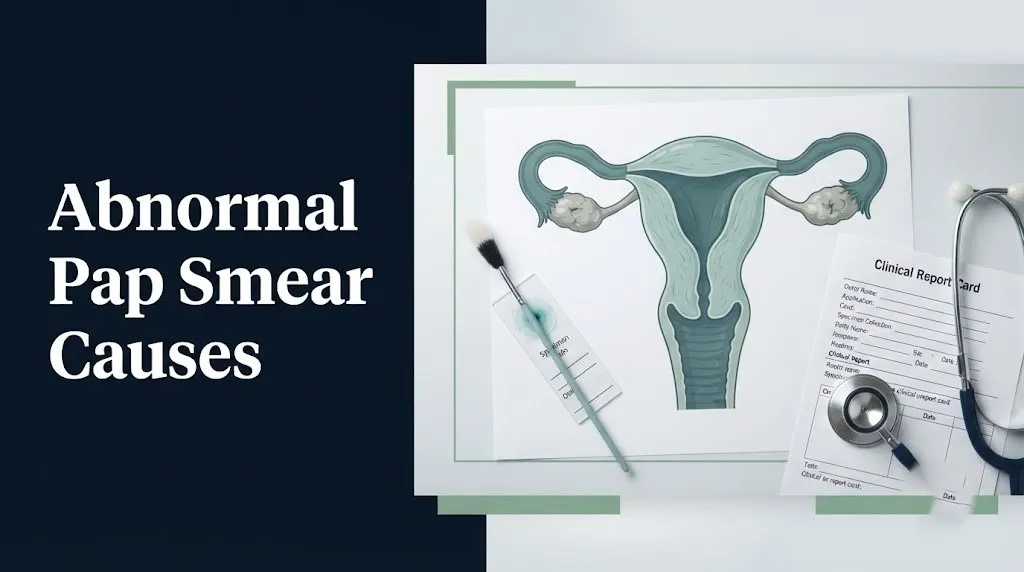
The Pap smear (also called cervical cytology) works by collecting cells from the cervix, specifically from the transformation zone where the squamous epithelium of the outer cervix meets the columnar epithelium of the endocervical canal. This junction, called the squamocolumnar junction, is the anatomical site where nearly all abnormal cervical cell changes originate, because it is where squamous metaplasia (the normal process of columnar cells converting to squamous cells) leaves cells in a vulnerable, actively proliferating state.
When a cytologist or pathologist examines the collected cells, they assess nuclear size, shape regularity, nuclear-to-cytoplasmic ratio, and chromatin pattern. Any of these features appearing outside normal parameters flags the result as abnormal. The reason for the abnormality, however, is not visible on cytology alone; it requires the cause to be understood in clinical context.
Named causes of abnormal pap smear results, organized by frequency:
- HPV infection, particularly high-risk serotypes 16, 18, 31, 33, and 45 (most common cause, responsible for the vast majority of dysplastic changes)
- Low-risk HPV serotypes (6 and 11, producing benign reactive changes without dysplasia potential)
- Trichomonas vaginalis infection (produces reactive atypia without true dysplasia)
- Bacterial vaginosis (associated with reactive cellular changes in some cases)
- Herpes simplex virus type 2 (produces distinctive multinucleated giant cells and nuclear molding visible on cytology)
- Chlamydia trachomatis (associated with reactive endocervical cell changes)
- Atrophic vaginitis from estrogen deficiency in postmenopausal women (produces parabasal cell predominance mimicking dysplasia)
- Cervicitis from any cause (inflammatory reactive changes)
- Intrauterine device (IUD) presence (associated with atypical glandular cells in some women)
- Inadequate or technically unsatisfactory specimen collection
Individual variation note: Women who smoke have a higher rate of abnormal Pap results when HPV-positive because smoking impairs local cervical immune surveillance. Specifically, smoking reduces the number of Langerhans cells (dendritic antigen-presenting immune cells) in the cervical epithelium, making HPV clearance less efficient and persistence more likely.
What Causes an Abnormal Pap Smear
What causes an abnormal pap smear is, in the majority of cases, infection with high-risk HPV strains that alter the DNA-regulatory proteins in cervical basal cells, producing morphological changes in those cells that cytologists identify as dysplastic or atypical.
The Pap smear does not detect HPV directly. It detects the cellular changes HPV produces. This distinction matters because the same abnormal cellular appearance can be produced by causes other than HPV, and some HPV-related changes resolve without intervention, while others progress toward cancer if left unaddressed.
Think of the cervical transformation zone as a construction zone on a busy road. The cells there are actively remodeling, making them more vulnerable to outside interference than stable, mature tissue. When HPV gains access to the actively dividing basal cells in this zone, it can redirect those cells’ construction plans in ways that produce the structural abnormalities visible on cytology.
Non-HPV causes operate through different mechanisms. Infections produce local inflammatory responses, with cytokines including IL-6 and TNF-alpha altering the cytoplasm and nuclei of epithelial cells in ways that superficially resemble (but do not replicate) dysplastic change. Hormonal deficiency in postmenopausal women shifts the dominant cell type visible on cytology from mature superficial squamous cells to smaller, immature parabasal cells, whose higher nuclear-to-cytoplasmic ratio can appear worrying to a cytologist unfamiliar with the clinical context.
The American College of Obstetricians and Gynecologists (ACOG) states that most abnormal Pap smear results, particularly low-grade results, do not indicate cancer and often reflect transient changes that the immune system resolves on its own. However, ACOG equally emphasizes that all abnormal results require follow-up management as specified by current guidelines, not independent watchful waiting.
Individual variation note: Women who use hormonal contraceptives containing estrogen and progestin show altered endocervical glandular cell morphology on cytology. Long-term oral contraceptive use, specifically for five or more years, has been associated with a modest increase in risk for cervical adenocarcinoma in HPV-positive women, according to a meta-analysis published in The Lancet. This does not mean oral contraceptives directly cause cancer; the mechanism is not fully established, but it underscores why consistent Pap screening matters regardless of contraceptive method.
What Does an Abnormal Pap Smear Mean
An abnormal pap smear means that cervical cells collected during the screening test show morphological features outside the normal range, ranging from mild reactive changes that often resolve without treatment to precancerous changes requiring prompt clinical management.
An abnormal result is not a cancer diagnosis. The Pap smear is a screening test, not a diagnostic test. It flags cells that look different from normal; it does not confirm what caused the difference or how clinically serious the change is. Confirmation requires a tissue biopsy, typically obtained through colposcopy-directed sampling.
The range of what an abnormal result actually means is wide. At one end, a result of ASC-US (atypical squamous cells of undetermined significance) in a woman who tests negative for high-risk HPV carries a very low risk of underlying high-grade disease, approximately 0.3% at 5 years according to the ASCCP 2019 risk-based management guidelines. At the other end, a result of HSIL (high-grade squamous intraepithelial lesion) carries a substantially higher immediate risk of CIN 2 or CIN 3 on biopsy, and requires colposcopy regardless of HPV test status.
Quick Tip:
- Bring your exact result letter to your follow-up appointment: the specific result category (ASC-US, LSIL, HSIL, AGC) determines the management plan, not just the word “abnormal”
- Ask your provider whether your Pap result was accompanied by an HPV co-test, and if so, what the HPV result showed, because the combination of both results determines your 5-year risk estimate under ASCCP guidelines
- Women over 65 who have had three consecutive normal Pap smears or two consecutive negative co-tests within the last 10 years can stop Pap screening per USPSTF guidelines, but this does not apply to women with a history of CIN 2 or higher in the past 25 years
Individual variation note: Women with a history of diethylstilbestrol (DES) in utero exposure (born to mothers who took DES during pregnancy before 1971) face an elevated risk of clear-cell adenocarcinoma of the vagina and cervix. These women require annual Pap smear screening of the full vaginal walls regardless of age, not just the cervix, per ACOG guidance. Standard cervical-only Pap collection is insufficient for this population.
Key Takeaway: An abnormal pap smear result is a screening flag, not a diagnosis; the specific result category combined with an HPV co-test result determines your actual risk level and the type of follow-up your situation requires under current ASCCP guidelines.
Types of Abnormal Pap Smear Results
The types of abnormal pap smear results are classified under the Bethesda System for Reporting Cervical Cytology, which categorizes findings by the cell type affected and the degree of abnormality observed, with each category pointing toward a different most likely underlying cause and clinical urgency.
| Result Category | Full Name | Most Likely Cause | Clinical Urgency |
|---|---|---|---|
| ASC-US | Atypical squamous cells of undetermined significance | HPV (low or high-risk), reactive changes | HPV reflex test; colposcopy if HPV positive |
| ASC-H | Atypical squamous cells, cannot exclude HSIL | High-risk HPV, high-grade dysplasia | Colposcopy recommended |
| LSIL | Low-grade squamous intraepithelial lesion | HPV infection, typically transient | HPV co-test; follow-up per ASCCP guidelines |
| HSIL | High-grade squamous intraepithelial lesion | High-risk HPV with CIN 2 or CIN 3 | Colposcopy and biopsy; immediate evaluation |
| AGC | Atypical glandular cells | Endocervical or endometrial origin; IUD; AIS risk | Colposcopy, ECC, endometrial sampling if indicated |
| AIS | Adenocarcinoma in situ | High-risk HPV (especially type 18) | Immediate referral to gynecologic oncologist |
The squamous result categories (ASC-US through HSIL) reflect changes in the stratified squamous epithelium of the ectocervix and transformation zone. The glandular categories (AGC and AIS) reflect changes in the columnar epithelium of the endocervical canal, a distinction that matters because glandular abnormalities are harder to detect on colposcopy (the glandular epithelium extends up the endocervical canal, partially out of direct visual range) and carry a different risk profile.
Individual variation note: Women with an IUD (intrauterine device), particularly a levonorgestrel-releasing IUD, have a higher rate of AGC (atypical glandular cells) results on Pap testing, which typically reflect IUD-related reactive changes rather than true glandular dysplasia. Any woman with an IUD who receives an AGC result should inform her gynecologist of the IUD presence, because this context changes the risk interpretation and may alter whether endometrial sampling is performed.
HPV and Abnormal Pap Smear
HPV is the primary cause of abnormal pap smear results, responsible for approximately 99% of cervical dysplasia cases, and it produces abnormal cytology by infecting the basal cells of the transformation zone and disrupting the host cell’s normal mechanisms for controlling cell division.
Human papillomavirus (HPV) is a double-stranded DNA virus with over 200 identified genotypes. Of these, approximately 14 are classified as high-risk oncogenic types by the International Agency for Research on Cancer (IARC). High-risk HPV types 16 and 18 together account for approximately 70% of all cervical cancers globally, according to the NCI. Types 31, 33, 45, 52, and 58 account for most of the remaining fraction.
HPV is sexually transmitted and establishes infection in the basal epithelial cells of the transformation zone through microabrasions in the epithelial surface. Most HPV infections, estimated at 90% by the CDC, clear on their own within two years through an intact cell-mediated immune response. The approximately 10% of infections that persist are those that progress to dysplasia detectable on Pap smear.
The CDC reports that HPV is the most common sexually transmitted infection in the United States, with an estimated 43 million infections annually as of 2021 data. Most sexually active adults will contract at least one HPV type during their lifetime. The presence of HPV does not indicate infidelity or any specific recent exposure; the virus can remain dormant in cervical tissue for years before becoming detectable on co-testing.
Individual variation note: Women aged 21 to 29 have the highest rate of transient HPV infection, with most low-grade cytological changes in this age group resolving without treatment. For this reason, ACOG guidelines and USPSTF recommendations do not recommend HPV co-testing for women under 30. A positive HPV result in a woman under 30 is more likely to reflect a transient infection still being cleared than in a woman over 30, which is why management algorithms differ by age.
High-Risk HPV Serotypes and Cervical Cell Changes
High-risk HPV serotypes cause cervical cell changes by encoding two viral oncoproteins, E6 and E7, that systematically disable the host cell’s tumor suppressor proteins, removing the cellular brakes that normally prevent uncontrolled replication.
Here is the specific molecular sequence that produces what a cytologist sees on a Pap smear. After HPV infects a basal cell at the transformation zone, the viral genome enters the cell nucleus. The viral E6 oncoprotein binds p53, a key tumor suppressor protein that normally halts cell division in response to DNA damage. E6 directs p53 for degradation via the ubiquitin-proteasome pathway, essentially dismantling the cell’s primary DNA damage checkpoint. Simultaneously, the viral E7 oncoprotein binds and inactivates pRb (retinoblastoma protein), which normally keeps the E2F transcription factor sequestered. When pRb is inactivated, E2F is released and drives the cell into continuous S-phase (DNA synthesis phase) cycling.
The result is a cervical epithelial cell that replicates uncontrollably, fails to mature normally, and shows the characteristic cytological features of dysplasia: nuclear enlargement, irregular nuclear membrane, increased nuclear-to-cytoplasmic ratio, and hyperchromasia. In HPV-infected cells that are still active viral factories but not yet fully dysplastic, the cytoplasm shows a distinctive perinuclear clear halo, a feature pathologists call koilocytic atypia or a koilocyte. Koilocytes are the cytological hallmark of active HPV infection and typically appear in LSIL results.
High-risk HPV types 16 and 18 are more likely to integrate their DNA directly into the host genome (rather than remaining episomal), and it is this integration event that most often drives progression from CIN 1 toward CIN 3 and invasive carcinoma.
Individual variation note: HPV type 18 has a stronger association with cervical adenocarcinoma (cancer arising from the glandular columnar epithelium of the endocervix) than with squamous cell carcinoma, the more common type. Adenocarcinoma is harder to detect on Pap smear because the glandular epithelium is located inside the endocervical canal, partially beyond the reach of direct cytological sampling. Women with a positive HPV-18 result on co-testing who receive an AGC result on Pap smear warrant particularly prompt colposcopy with endocervical curettage.
Key Takeaway: High-risk HPV produces abnormal pap smear results by using the E6 and E7 oncoproteins to destroy p53 and pRb tumor suppressor function in cervical basal cells, which is why HPV-positive results in women over 30 are taken more seriously than those in women under 30 where transient infection is the dominant pattern.
Causes of Abnormal Pap Smear Other Than HPV
Abnormal pap smear causes other than HPV include vaginal and cervical infections, hormonally-driven epithelial changes, mechanical irritation, and sampling artifacts, none of which carry the same cancer-progression risk as high-risk HPV but all of which can produce cytological changes that require clarification.
Not every abnormal Pap result is driven by HPV. An estimated 5 to 10% of abnormal results in HPV-negative women reflect other causes, according to clinical observation published in the Journal of Lower Genital Tract Disease. Identifying these non-HPV causes is relevant because their management differs substantially from HPV-related dysplasia.
Common non-HPV causes producing genuine cytological change:
- Trichomonas vaginalis: Produces reactive atypia in squamous cells (see infections section)
- Herpes simplex virus type 2 (HSV-2): Produces pathognomonic multinucleated giant cells with ground-glass nuclei and nuclear molding, identifiable on cytology
- Atrophic vaginitis from estrogen deficiency: Produces parabasal cell predominance and increased nuclear-to-cytoplasmic ratio in postmenopausal women
- IUD presence: Associated with atypical-appearing glandular cells or actinomyces-like organisms on cytology
- Radiation therapy history: Produces distinctive radiation-related cellular changes in women treated for pelvic malignancy
- Reactive changes from prior cervical procedure: Women with prior LEEP or cryotherapy may show reactive stromal and epithelial changes that appear atypical on cytology
- /
Non-causes that patients commonly believe cause abnormal results:
- Recent sexual activity (does not alter cellular morphology)
- Menstruation timing if specimen adequacy is confirmed
- Common vaginal lubricants used at standard quantities
Individual variation note: Women who have undergone pelvic radiation therapy for any gynecological malignancy develop distinctive radiation-associated cellular changes (cytomegaly, vacuolization, multinucleation) that appear abnormal on Pap cytology but do not represent new dysplasia. Any woman with a radiation history should inform her cytologist or pathologist, because without this clinical context, radiation changes can be misclassified as dysplastic.
Infections That Cause an Abnormal Pap Smear
Several sexually transmitted and vaginal infections cause an abnormal pap smear by triggering inflammatory responses in the cervical epithelium that alter cell morphology, but unlike HPV, these infections do not produce precancerous cellular changes.
Trichomonas vaginalis is a flagellated protozoan parasite that adheres to and invades the squamous epithelial cells of the cervix and vagina. The inflammatory response this produces, mediated by neutrophil infiltration and local prostaglandin release, alters the cytoplasm and nuclei of squamous cells in ways that produce reactive atypia visible on Pap smear. The cellular changes do not meet the threshold for dysplasia but can appear worrying to a cytologist, particularly when associated with heavy inflammation. The CDC reports that trichomonas is the most common curable sexually transmitted infection in the United States, with an estimated 2.6 million infections annually.
Chlamydia trachomatis infects the columnar cells of the endocervix, producing endocervicitis (inflammation of the endocervical canal). The inflammatory response causes reactive changes in glandular cells that may appear as AGC (atypical glandular cells) on Pap cytology. A 2020 study in Obstetrics and Gynecology found that active chlamydia infection was associated with a higher rate of AGC results on Pap testing that resolved after antibiotic treatment.
Herpes simplex virus type 2 (HSV-2) produces a Pap cytology pattern distinct from HPV. Infected cells show characteristic Cowdry type A intranuclear inclusions, ground-glass nuclear appearance, and multinucleated giant cells with nuclear molding (cells sharing nuclear membranes). These features are specific enough that cytologists familiar with the pattern can identify active HSV infection from the Pap smear alone, though this is not the standard diagnostic method for herpes.
| Infection | Mechanism of Abnormal Cytology | Cancer Risk | Resolves After Treatment |
|---|---|---|---|
| Trichomonas vaginalis | Inflammatory reactive atypia | None | Yes, with metronidazole course |
| Chlamydia trachomatis | Reactive endocervical glandular changes | None | Yes, with antibiotic treatment |
| HSV-2 | Multinucleated giant cells, nuclear inclusions | None | Cytological changes resolve; infection persists |
| Bacterial vaginosis | Mild reactive changes in some cases | None | Variable; follow-up Pap required |
| Candida albicans | Minimal cytological change; rare reactive atypia | None | Yes, with antifungal treatment |
Individual variation note: Women who are pregnant have a physiologically increased rate of cervicitis due to estrogen-driven increases in cervical ectropion (eversion of the endocervical columnar epithelium onto the ectocervix), exposing more of the susceptible columnar epithelium to the vaginal environment. This makes infections like trichomonas and chlamydia more likely to produce abnormal Pap results during pregnancy than in non-pregnant women with the same infection.
Inflammation and Abnormal Pap Smear
Inflammation causes an abnormal pap smear by producing reactive cellular changes in cervical squamous and glandular epithelial cells, altering nuclear and cytoplasmic features in ways that can mimic dysplasia on cytological examination without representing true precancerous change.
Cervicitis is inflammation of the cervix and can arise from infectious causes (as described above) or non-infectious causes including physical irritation, chemical exposure, or the presence of a foreign body such as a diaphragm or cervical cap. The inflammatory milieu includes elevated levels of IL-6, IL-8, and TNF-alpha, which alter vascular permeability, attract neutrophils to the epithelial surface, and directly interact with cervical epithelial cells in ways that change their nuclear-to-cytoplasmic ratio and chromatin distribution.
The Bethesda System specifically classifies these non-dysplastic changes as reactive cellular changes associated with inflammation, distinguishing them from true dysplastic atypia. However, when inflammation is severe, reactive changes can be difficult to distinguish from low-grade dysplasia without an HPV co-test or repeat cytology after the inflammation has resolved.
Quick Tip:
- If your abnormal Pap result specifically mentions “reactive changes associated with inflammation” without a specific dysplasia category, ask your gynecologist whether a repeat Pap after treatment of any identified infection is appropriate before proceeding directly to colposcopy
- Tampon use within 48 hours before Pap collection can introduce inflammatory cells that complicate cytological interpretation; follow any pre-test instructions your provider gives
- Women who douche may disrupt the normal vaginal microbiome and increase the frequency of reactive cervical changes; the ACOG does not recommend douching for any health purpose
Individual variation note: Women taking corticosteroid medications (for conditions including asthma, rheumatoid arthritis, inflammatory bowel disease, or skin conditions) may have a suppressed local inflammatory response that paradoxically makes them more susceptible to persistent HPV infection while simultaneously reducing the reactive inflammatory changes on Pap that would normally prompt earlier evaluation. Cervical screening frequency for women on chronic systemic corticosteroids should be discussed explicitly with their gynecologist.
Key Takeaway: Inflammatory reactive changes on a Pap smear can mimic dysplasia cytologically, but they do not carry cancer progression risk, and the most important clinical step is confirming whether an underlying infection or irritant is present and whether an HPV co-test is negative before escalating to colposcopy.
Atrophic Vaginitis and Abnormal Pap Smear
Atrophic vaginitis causes abnormal pap smear results in postmenopausal women by producing estrogen-deficiency-driven changes in cervical squamous epithelium that alter cell morphology in ways that cytologically resemble dysplasia but do not represent precancerous change.
This is one of the most underappreciated causes of abnormal Pap results, yet it is responsible for a clinically meaningful proportion of abnormal results in women over 50. Here is why it happens. The stratified squamous epithelium of the ectocervix and vagina normally exists in a spectrum from immature parabasal cells at the deepest layer to mature, glycogen-rich superficial cells at the surface. Estrogen drives the full maturation of these cells from parabasal through intermediate to superficial layers. When estrogen levels decline after menopause or surgical oophorectomy, this maturation process stalls. The epithelium becomes predominantly parabasal, thin, and fragile.
Parabasal cells have a high nuclear-to-cytoplasmic ratio (a large nucleus relative to a small cytoplasm), which is also a feature of dysplastic cells. When a cytologist examines a Pap smear from a postmenopausal woman without estrogen, the predominance of parabasal cells with enlarged-appearing nuclei can generate an abnormal result, often classified as ASC-US or even LSIL, despite the absence of any HPV infection or true dysplasia.
The clinical approach to this situation involves either a course of topical vaginal estrogen (to restore epithelial maturation) followed by a repeat Pap smear, or an HPV co-test, to distinguish atrophic change from true dysplasia. Research published in Obstetrics and Gynecology has shown that topical vaginal estrogen treatment in postmenopausal women with ASC-US or LSIL attributable to atrophy normalizes Pap results in the majority of cases on repeat testing.
Individual variation note: Postmenopausal women who have undergone surgical oophorectomy (removal of both ovaries, also called surgical menopause) experience abrupt estrogen withdrawal rather than the gradual decline of natural menopause, producing more severe and rapid atrophic changes. These women may develop cytologically abnormal-appearing Pap results within one to two years of surgery even if their prior Pap history was entirely normal. Their gynecologist should be informed of the surgical history when interpreting any abnormal result.
Abnormal Pap Smear Causes During Pregnancy
Abnormal pap smear causes during pregnancy include the same HPV-related and non-HPV-related causes as in non-pregnant women, but pregnancy itself produces normal physiological cervical changes, including increased cervical ectropion and decidualization, that can alter Pap cytology interpretation.
Pap smears are routinely performed at the first prenatal visit for women who are due for cervical screening. Most guidelines recommend continuing regular Pap screening during pregnancy rather than deferring it. The safety of cervical cytology collection during pregnancy is well-established; collection of cervical cells for a Pap smear does not cause miscarriage or harm the pregnancy.
Pregnancy produces two cervical changes that affect Pap interpretation. The first is cervical ectropion: elevated estrogen and progesterone during pregnancy cause the endocervical columnar epithelium to evert outward onto the ectocervix, exposing more columnar tissue to sampling and increasing the likelihood of reactive glandular cell changes on cytology. The second is decidualization of cervical stroma: the endometrial-like stromal cells under the influence of progesterone can produce atypical-appearing stromal cells on cytology called decidual cells, which can be mistaken for abnormal glandular cells by a cytologist unfamiliar with the clinical context.
According to ACOG Practice Bulletin guidelines, colposcopy is safe during pregnancy and should be performed when indicated by an abnormal Pap result, but cervical biopsy during pregnancy should be limited to areas with colposcopic features most suspicious for CIN 2 or higher, or for possible invasive cancer. Biopsy of low-grade lesions during pregnancy is generally deferred to the postpartum period because most low-grade lesions improve or regress after delivery.
Individual variation note: Cervical cancer diagnosed during pregnancy, while rare, requires management by a board-certified gynecologic oncologist in coordination with a maternal-fetal medicine specialist (MFM). The timing and method of treatment depend on gestational age at diagnosis and the stage of the cancer. Any pregnant woman with Pap results showing HSIL, AGC, or features suspicious for invasion requires immediate referral to this specialist team.
Abnormal Pap Smear in Immunocompromised Women
Immunocompromised women have substantially higher rates of abnormal pap smear results because their reduced cell-mediated immune response allows HPV to persist in cervical tissue and progress to high-grade dysplasia at rates far exceeding those seen in immunocompetent women.
The primary immune defense against HPV is CD4+ T-lymphocyte-mediated cellular immunity. Natural killer (NK) cells and cytotoxic CD8+ T-lymphocytes work in concert to recognize and eliminate HPV-infected cells before dysplasia can establish itself. When this immune surveillance system is impaired, HPV that a healthy immune system would clear in 12 to 24 months instead persists, replicates, and has time to produce the chromosomal disruptions that drive high-grade CIN.
HIV-positive women are the most studied immunocompromised group in cervical dysplasia research. A study published in JAMA found that HIV-positive women have a cervical cancer incidence approximately six times higher than HIV-negative women. The risk is proportional to the degree of immunosuppression: women with CD4+ counts below 200 cells per microliter have the highest rates of high-grade CIN and invasive cervical cancer. The CDC and ACOG both recommend that HIV-positive women receive Pap smears every 12 months (rather than every three years) regardless of HPV co-test status.
Other immunocompromising conditions and treatments associated with elevated abnormal Pap risk:
- Solid organ transplant recipients receiving long-term immunosuppressive therapy (cyclosporine, tacrolimus, mycophenolate)
- Women receiving systemic chemotherapy for any malignancy
- Women with systemic lupus erythematosus (SLE) on immunosuppressive therapy
- Women receiving long-term high-dose corticosteroids
- Women with other primary immunodeficiency syndromes
Individual variation note: Women living with HIV should discuss cervical screening frequency with both their infectious disease specialist and their board-certified gynecologist, because the optimal interval may vary based on current CD4+ count, viral load, and antiretroviral therapy response. Women with undetectable viral loads on stable antiretroviral therapy may have cervical risk profiles approaching those of HIV-negative women, but current guidelines still recommend annual Pap screening for all HIV-positive women regardless of viral suppression status.
Key Takeaway: HIV-positive women and other immunocompromised individuals face a cervical cancer risk up to six times higher than immunocompetent women because suppressed CD4+ T-lymphocyte function allows high-risk HPV to persist and drive rapid progression from low-grade to high-grade dysplasia.
Can Stress Cause an Abnormal Pap Smear
Stress does not directly cause an abnormal pap smear, but there is a plausible and studied indirect mechanism: psychological stress activates the hypothalamic-pituitary-adrenal (HPA) axis, which elevates cortisol and suppresses cellular immune function, potentially impairing the CD4+ T-lymphocyte response that clears HPV.
Psychosocial stress chronically elevates cortisol from the adrenal cortex. Cortisol suppresses lymphocyte proliferation, reduces natural killer (NK) cell activity, and downregulates local immune surveillance, including in the cervical epithelium. A 2019 study published in Psychosomatic Medicine found an association between self-reported chronic stress scores and higher rates of HPV persistence in women with prior HPV-positive results, compared with low-stress controls. This was an observational study with substantial confounding variables, not a controlled trial.
The available evidence points to stress as a potential contributor to HPV persistence, not a direct cause of cellular dysplasia. Stress does not alter cervical cell DNA or produce koilocytic changes independently. The proposed mechanism is that chronic stress-related immune suppression reduces the efficiency of HPV clearance, giving the virus more time to produce the cellular changes that generate an abnormal Pap result.
Practically, this means a woman cannot reduce her abnormal Pap risk by stress reduction alone, and should not delay or skip follow-up based on the belief that addressing stress will normalize her result. The available evidence does not support that conclusion.
The National Cancer Institute states that while psychological factors may influence immune function, there is no evidence that stress management alone can treat or reverse cervical dysplasia. Follow-up with a board-certified gynecologist as directed by ASCCP guidelines remains the appropriate response to any abnormal Pap result regardless of stress status.
Individual variation note: Women experiencing significant psychosocial stressors including domestic violence, food insecurity, or housing instability have been shown in observational research to have lower rates of follow-up after abnormal Pap results, contributing to delays in CIN diagnosis and treatment. If life circumstances create barriers to follow-up care, federally qualified health centers (FQHCs) and state-funded women’s health programs offer colposcopy and cervical dysplasia management at reduced or no cost.
Cervical Dysplasia Causes and Risk Factors
Cervical dysplasia (also termed cervical intraepithelial neoplasia or CIN) is the abnormal precancerous cell change in the transformation zone most commonly detected by an abnormal Pap smear, and it is caused by persistent high-risk HPV infection acting on cells whose normal regulatory mechanisms have been disrupted.
CIN is graded on a three-point scale reflecting the proportion of the cervical epithelial thickness occupied by dysplastic cells:
- CIN 1 (mild dysplasia): Abnormal cells confined to the lower one-third of the epithelial layer. Associated with low-risk HPV or early high-risk HPV infection. Most cases regress spontaneously within two years.
- CIN 2 (moderate dysplasia): Abnormal cells occupy the lower two-thirds of the epithelium. Associated with high-risk HPV. Approximately 40 to 50% regress; the remainder persist or progress.
- CIN 3 (severe dysplasia/carcinoma in situ): Abnormal cells occupy more than two-thirds or the full thickness of the epithelium. Directly precancerous. Requires treatment in most clinical scenarios.
Risk factors that increase the likelihood of developing CIN after HPV exposure:
- Persistent infection with HPV type 16 or 18 specifically
- Cigarette smoking (impairs Langerhans cell function in cervical epithelium)
- Early age of first sexual intercourse (higher cumulative HPV exposure duration)
- Multiple lifetime sexual partners (higher probability of acquiring high-risk HPV)
- HIV infection or other causes of immune suppression
- Long-term oral contraceptive use (five or more years, associated with adenocarcinoma risk specifically)
- History of other sexually transmitted infections, particularly chlamydia
- No prior HPV vaccination
According to the NCI, the risk of cervical cancer is approximately 25 to 30 times higher in persistent HPV-16-positive women compared to HPV-negative women, and the interval between initial HPV infection and development of invasive cancer is typically 10 to 20 years when immune function is intact.
Individual variation note: Women who received the Gardasil 9 nonavalent HPV vaccine before becoming sexually active have near-complete protection against the HPV types (16, 18, 31, 33, 45, 52, 58, 6, 11) included in the vaccine. The ACOG recommends HPV vaccination through age 26 for all individuals and shared clinical decision-making for vaccination between ages 27 and 45, where the benefit is lower due to prior likely HPV exposure but not zero.
What to Do After an Abnormal Pap Smear
After an abnormal pap smear, the specific next step depends on your result category, your age, and whether an HPV co-test was performed alongside the Pap, as these variables together determine your 5-year risk estimate under the ASCCP 2019 risk-based management guidelines.
The ASCCP 2019 guidelines shifted management from a result-based algorithm to a risk-based algorithm. This means that two women with the same Pap result category may receive different management recommendations based on their age, HPV co-test status, and prior Pap history. The system estimates a woman’s 5-year risk of developing CIN 3 or higher and recommends either colposcopy, surveillance with repeat testing, or expedited treatment based on that risk level.
To prepare for your follow-up appointment after an abnormal pap smear result:
- Write down the exact result category you received (ASC-US, LSIL, HSIL, AGC, or other), because “abnormal” alone is insufficient information for your follow-up provider.
- Confirm whether your Pap was accompanied by an HPV co-test and, if so, whether it was positive or negative and for which HPV types.
- Bring your complete prior Pap smear history to your appointment, including the results of any prior colposcopies or cervical procedures, because this history directly affects your risk calculation.
- Ask specifically whether your follow-up plan follows ASCCP 2019 risk-based guidelines and what your estimated 5-year CIN 3+ risk is.
- Ask whether your follow-up appointment will include a colposcopy (a magnified visual examination of the cervix) or a repeat Pap smear, and when exactly you need to be seen.
The ASCCP 2019 guidelines state that women with an immediate risk of CIN 3+ at 4% or above should be referred for colposcopy, while those below this threshold may be managed with enhanced surveillance (repeat co-testing at one to three year intervals depending on their specific risk level).
Individual variation note: Women who are pregnant and have received an abnormal Pap result should have their follow-up managed by their obstetric care provider in coordination with a gynecologist. Colposcopy during pregnancy, when indicated, is safe and recommended, but excisional procedures are generally deferred to the postpartum period in the absence of suspected invasive cancer.
When to See a Gynecologist for an Abnormal Pap Smear
Any woman who receives an abnormal pap smear result should see a board-certified gynecologist for follow-up within the timeframe specified in her result notification, and certain presentations associated with cervical abnormalities require more urgent evaluation regardless of Pap result timing.
The clinical thresholds for different levels of follow-up urgency:
| Result Category | Recommended Follow-up Timing | Provider Type |
|---|---|---|
| ASC-US with HPV negative | Repeat co-testing in 3 years | Board-certified gynecologist or primary care physician with gynecology scope |
| ASC-US with HPV positive | Colposcopy within 3 to 6 months | Board-certified gynecologist |
| LSIL (women under 25) | Repeat cytology in 12 months | Board-certified gynecologist |
| LSIL (women 25 and over) | Colposcopy or co-test per ASCCP risk | Board-certified gynecologist |
| HSIL | Colposcopy within 4 to 8 weeks | Board-certified gynecologist |
| AGC (any) | Colposcopy with ECC within 4 to 8 weeks | Board-certified gynecologist |
| AIS or suspicious for invasion | Immediate referral | Board-certified gynecologic oncologist |
Beyond scheduled follow-up, certain symptoms in a woman with an abnormal Pap history warrant same-day or urgent evaluation rather than waiting for a routine appointment:
- Heavy or unusual vaginal bleeding, especially bleeding after sexual intercourse (postcoital bleeding), which can indicate cervical lesion involvement
- Persistent pelvic pain unrelated to menstrual cycle
- Foul-smelling or blood-tinged vaginal discharge
- Back pain or leg pain in a woman with a history of advanced cervical abnormalities, which may suggest pelvic extension
Go to the nearest emergency room immediately if you experience heavy vaginal hemorrhage that saturates more than one pad per hour for two or more consecutive hours, because this can indicate bleeding from a cervical or uterine source requiring immediate evaluation and management.
Individual variation note: Women over 65 who discontinued Pap screening per guideline recommendations but who develop postmenopausal bleeding, pelvic pain, or bloody discharge should be evaluated by a board-certified gynecologist promptly. Screening cessation guidelines apply to asymptomatic women with adequate prior screening history; they do not exempt symptomatic women from evaluation. Postmenopausal bleeding is never assumed to be benign without examination.
Key Takeaway: An HSIL result, an AGC result, or any abnormal Pap smear in a woman with additional symptoms such as postcoital bleeding or pelvic pain requires gynecologist evaluation within weeks, not months, because these presentations carry the highest immediate risk of underlying high-grade dysplasia or early invasive cancer.
When Symptoms Need Urgent Evaluation
Certain symptoms associated with cervical abnormalities require urgent medical evaluation and should not be attributed to a normal Pap-related process or waited through until a scheduled follow-up appointment.
See a board-certified gynecologist urgently (within 24 to 48 hours) or go to the emergency room if you experience:
- Heavy vaginal bleeding that is unrelated to your normal menstrual period, particularly if it soaks more than one pad per hour for two consecutive hours
- Bleeding after sexual intercourse (postcoital bleeding) that is new or recurring and not explained by a known cause such as vaginal dryness
- Pelvic or lower back pain that is new, persistent, and not explained by musculoskeletal causes or menstrual cycle timing
- Foul-smelling vaginal discharge combined with pelvic pain and fever, which may indicate infection involving the cervix or upper reproductive tract
- Unexplained weight loss combined with pelvic pain in a woman with a history of abnormal Pap results or delayed follow-up
Go to the nearest emergency room immediately if you experience vaginal hemorrhage (soaking through clothing or producing blood clots larger than a quarter in size), severe sudden pelvic pain, or any of the above symptoms accompanied by high fever or signs of shock (rapid heart rate, dizziness, inability to stand).
These symptoms can indicate invasive cervical cancer, severe cervicitis, or other gynecological emergencies that require emergency medical assessment, not a phone call or a routine appointment scheduled weeks out.
Frequently Asked Questions About Abnormal Pap Smear Causes
What is the most common cause of an abnormal pap smear?
High-risk human papillomavirus (HPV) is the most common cause of an abnormal pap smear, responsible for approximately 99% of cases involving true cervical dysplasia.
HPV serotypes 16 and 18 together account for approximately 70% of all cervical cancers globally, according to the National Cancer Institute.
Most HPV infections clear on their own within two years, but persistent high-risk HPV infection is what drives progression from normal to abnormal cytology.
Can a yeast infection or BV cause an abnormal pap smear?
Yeast infection (Candida albicans) rarely causes a clinically significant abnormal pap smear result, though it can produce minor reactive changes in some cases.
Bacterial vaginosis (BV) has been associated with mild reactive cellular changes in some women, but BV does not cause the dysplastic changes that require colposcopy.
Both conditions can generally be treated and followed with a repeat Pap at the scheduled interval rather than immediate colposcopy, but your gynecologist should confirm the appropriate management based on your specific result.
Does an abnormal pap smear always mean I have HPV?
An abnormal pap smear does not always mean you have HPV, because non-HPV causes including atrophic vaginitis, infections, inflammation, and technical sampling issues can all produce abnormal cytological results.
An HPV co-test performed at the same time as the Pap smear is the most direct way to determine whether HPV is present and whether it is a high-risk or low-risk type.
Women with an abnormal Pap and a negative HPV co-test have a substantially lower risk of underlying high-grade dysplasia than HPV-positive women with the same Pap result.
What does an ASC-US result on a pap smear mean?
ASC-US (atypical squamous cells of undetermined significance) is the most common abnormal pap smear result category and means squamous cells show minor changes that cannot be definitively classified as normal or dysplastic.
The most common cause of ASC-US is low-level HPV effect or reactive inflammatory changes, and most ASC-US results in HPV-negative women do not indicate significant underlying disease.
Management is guided by the HPV co-test result: HPV-negative ASC-US is followed with repeat co-testing in three years, while HPV-positive ASC-US typically warrants colposcopy per the ASCCP 2019 guidelines.
Can an abnormal pap smear go back to normal on its own?
Yes, certain types of abnormal pap smear results can return to normal without treatment, particularly low-grade results such as ASC-US and LSIL in women who clear their HPV infection.
Approximately 90% of HPV infections clear spontaneously within two years, and when the infection clears, the cytological changes it produced typically resolve as well.
High-grade results such as HSIL do not reliably resolve on their own and require colposcopy and directed biopsy to confirm the degree of underlying dysplasia and determine whether treatment is needed.
How soon should I follow up after an abnormal pap smear?
The timing of follow-up after an abnormal pap smear depends on your specific result category and is defined by the ASCCP 2019 risk-based management guidelines.
High-grade results (HSIL, AGC) require colposcopy within approximately four to eight weeks, while low-grade results with negative HPV co-testing may allow for a repeat co-test in one to three years.
Do not independently decide to delay or skip follow-up based on how you feel physically, because high-grade cervical dysplasia produces no symptoms in most women until it progresses to invasive cancer.
Closing
An abnormal Pap result is a signal worth taking seriously, but it is not a diagnosis. The range of causes is wide, the biological mechanisms behind each are distinct, and the level of follow-up required differs considerably depending on your specific result category, your HPV co-test status, your age, and your prior Pap history.
The single most important step you can take right now is to confirm the exact name of your result category, ask whether an HPV co-test was performed and what it showed, and schedule follow-up with a board-certified gynecologist within the timeframe your result requires. Do not wait for symptoms to develop, because the cervical changes that carry the highest cancer risk are the ones that produce no symptoms at all until significantly advanced.
Your result is information. Use it.