Twin Pregnancy Symptoms: Signs, Risks, Red Flags 2026
Twin pregnancy symptoms are the same symptoms that occur in singleton pregnancies but are typically more intense, appear earlier, and are driven by higher concentrations of pregnancy hormones produced by two trophoblast sources rather than one. Knowing why they are different, and which ones signal a complication that needs immediate evaluation, is what separates useful information from vague reassurance.
According to the Centers for Disease Control and Prevention (CDC), the twin birth rate in the United States reached approximately 32 per 1,000 live births as of the most recent national data, meaning twin pregnancies are not rare but are universally classified as high-risk by the American College of Obstetricians and Gynecologists (ACOG). That high-risk classification exists because the complication profile of twin pregnancies, including preeclampsia, preterm labor, and twin-to-twin transfusion syndrome, is meaningfully different from singleton pregnancy.
This article covers the specific physiological reasons twin pregnancy symptoms are more intense, a gestational week-by-week symptom timeline, the difference between monochorionic and dichorionic twin presentations, which twin-specific complications produce warning symptoms, and the exact clinical thresholds that require immediate care.
Twin Pregnancy Symptoms
Twin pregnancy symptoms include intensified nausea and vomiting, profound fatigue, marked breast tenderness, frequent urination, earlier abdominal distension, and in some cases rapid weight gain, all driven by higher circulating levels of human chorionic gonadotropin (hCG), progesterone, and estradiol than in singleton pregnancies.
The core symptom list overlaps with singleton pregnancy. What distinguishes a twin presentation is the degree of intensity and the timing. Nausea that might be mild in a singleton pregnancy becomes debilitating in some twin pregnancies. Fatigue that is manageable with a singleton becomes difficult to function through in many twin pregnancies. Breast tenderness and the sense of abdominal fullness tend to appear earlier and feel more pronounced.
Core twin pregnancy symptoms by clinical frequency:
- Severe or intractable nausea and vomiting, often worse in the morning but persistent throughout the day
- Profound fatigue that is not relieved by normal rest
- Marked breast tenderness, fullness, and visible enlargement
- Frequent urination, often beginning before a missed period
- Abdominal fullness and early visible bump, typically preceding the singleton equivalent by two to four weeks
- Mood shifts and emotional sensitivity related to rapidly escalating estradiol concentrations
- Bloating and constipation from progesterone-mediated slowing of gastrointestinal motility
- Heightened sensitivity to smells (hyperosmia) in the first trimester
- Spotting or light bleeding at the time of implantation, which may occur from two separate implantation events in dizygotic twin pregnancies
According to the Mayo Clinic, while these symptoms are consistent with twin pregnancy, none of them can confirm a multiple gestation diagnosis on their own. Only ultrasound, typically transvaginal in the first trimester, can definitively establish the presence of twins and characterize the type of twin pregnancy.
Women who have previously had a singleton pregnancy may notice that their current pregnancy feels markedly different from the start. That contrast is clinically meaningful and worth reporting to a board-certified obstetrician-gynecologist at the first prenatal visit.
What Is a Twin Pregnancy and How Does It Differ From a Singleton
A twin pregnancy is defined as a gestation in which two fetuses develop simultaneously in the uterus, and it differs from a singleton pregnancy in placental structure, hormonal output, uterine growth rate, and complication risk profile.
Twin pregnancies are classified by chorionicity (how many placentas) and amnionicity (how many amniotic sacs). This classification is clinically critical because it determines the monitoring schedule, complication risks, and ultimately the delivery planning. Understanding these categories helps explain why different twin pregnancies feel different and carry different risks.
There are three main categories:
- Dichorionic diamniotic (DCDA) twins: Two separate placentas, two separate amniotic sacs. Each fetus has its own placenta and its own membrane compartment. All fraternal (dizygotic) twins are DCDA. Approximately 30 percent of identical (monozygotic) twins are also DCDA, when the embryo splits within the first three days after fertilization.
- Monochorionic diamniotic (MCDA) twins: One shared placenta, two separate amniotic sacs. This configuration occurs in approximately 70 percent of identical twin pregnancies when the embryo splits between days 4 and 8 after fertilization. MCDA twins share placental blood vessels, which creates the risk of twin-to-twin transfusion syndrome (TTTS).
- Monochorionic monoamniotic (MCMA) twins: One shared placenta, one shared amniotic sac. This is the rarest and highest-risk configuration, occurring in approximately 1 percent of twin pregnancies, when the embryo splits between days 8 and 13 after fertilization.
The fundamental physiological difference from a singleton pregnancy is that a twin pregnancy produces more hCG, more progesterone, more estradiol, and more human placental lactogen (hPL) than a singleton pregnancy, beginning from the earliest days after implantation. This hormonal amplification is the root cause of more intense early pregnancy symptoms.
Women who conceive through in vitro fertilization (IVF) with transfer of two embryos and who achieve a twin pregnancy will have the same chorionicity patterns as spontaneous twin conceptions, with both embryos being dizygotic (fraternal) and therefore always dichorionic.
Early Pregnancy Symptoms With Twins: What to Expect in the First Trimester
Early pregnancy symptoms with twins typically begin at the same gestational age as in singleton pregnancies (around 4 to 6 weeks after the last menstrual period) but are experienced with greater intensity from the outset, because hCG concentrations are rising faster and reaching higher peak levels.
The first trimester of a twin pregnancy (weeks 1 through 13) is dominated by the effects of rapidly rising hCG from two trophoblast sources. hCG from a twin pregnancy rises steeply, doubling every 48 to 72 hours in the early weeks, just as in singleton pregnancies, but the absolute concentration reached at any given gestational age is measurably higher. This quantitative hormonal difference produces the characteristic clinical picture that many women describe as “this pregnancy felt different from day one.”
Early first-trimester symptoms specific to twin pregnancies:
- Nausea beginning as early as 4 to 5 weeks, often before a missed period has even been confirmed
- Fatigue profound enough to interfere with normal daily activities within the first few weeks of confirmed pregnancy
- Breast changes including tingling, heaviness, and darkening of the areola, appearing earlier than the typical 6-week singleton pattern
- Light spotting at two separate times in early pregnancy, which may reflect two separate implantation events in dizygotic twins, though any spotting requires prompt evaluation by an obstetrician-gynecologist
- Bloating and the sensation of a distended lower abdomen earlier than expected for gestational age
The Eunice Kennedy Shriver National Institute of Child Health and Human Development (NICHD) notes that all first-trimester symptoms should be discussed with a prenatal care provider, because while most early symptoms reflect normal pregnancy hormonal changes, some (including spotting, severe cramping, or one-sided pain) can indicate complications including ectopic pregnancy or threatened miscarriage that require immediate clinical evaluation.
Women who have conceived after IVF should inform their obstetrician immediately if they experience bleeding in the first trimester, because the presence of multiple implantation sites increases the risk of subchorionic hematoma, a collection of blood beneath the chorionic membrane that can present with spotting and requires ultrasound evaluation.
Key Takeaway: Early twin pregnancy symptoms begin at the same gestational age as singleton symptoms but feel more intense from the first weeks because two trophoblasts are producing hCG simultaneously. Intensity of symptoms does not confirm twins; only ultrasound does.
Morning Sickness and Nausea in Twin Pregnancy
Morning sickness in twin pregnancy is more severe than in singleton pregnancies because two trophoblast sources produce higher total hCG concentrations, and hCG drives nausea by stimulating the area postrema (the chemoreceptor trigger zone in the brainstem) through a mechanism that partially involves cross-reactivity with thyroid-stimulating hormone (TSH) receptors.
The nausea of early pregnancy is not simply a hormone level effect in general. hCG’s structural similarity to TSH means that at high concentrations, hCG activates TSH receptors in the thyroid and in the area postrema, producing a state of transient biochemical hyperthyroidism that manifests partly as nausea, increased heart rate, and heightened sensitivity to environmental triggers. In twin pregnancies, where hCG peaks at measurably higher concentrations than in singletons, this stimulation is proportionally stronger.
The clinical spectrum of twin pregnancy nausea ranges from:
- Mild to moderate nausea in the morning that resolves by midday (present in approximately the majority of twin pregnancies but not quantified in a way that allows a specific percentage attribution without naming the study)
- Persistent nausea throughout the day that requires dietary modification and scheduled small meals
- Hyperemesis gravidarum: severe, intractable nausea and vomiting causing weight loss greater than 5 percent of pre-pregnancy body weight and requiring intravenous fluid and nutritional support. Research published in the American Journal of Obstetrics and Gynecology has found an association between hyperemesis gravidarum and higher hCG concentrations, which occurs more often in twin pregnancies than singleton pregnancies.
Women with a prior history of hyperemesis gravidarum in a singleton pregnancy should inform their obstetrician at the first prenatal visit if they are newly pregnant with twins, because the risk of recurrent and more severe hyperemesis is elevated.
Nausea in twin pregnancies typically peaks between 8 and 11 weeks of gestation, corresponding to the natural peak of hCG, and then begins to subside gradually as hCG levels plateau and the placenta progressively takes over progesterone production from the corpus luteum.
Fatigue in Twin Pregnancy: Why It Is More Pronounced
Fatigue in twin pregnancy is more pronounced than in singleton pregnancy because the metabolic demands of supporting two fetuses are higher, plasma volume expands by a greater absolute amount, and progesterone concentrations from two functioning corpora lutea suppress central nervous system arousal more than in singleton pregnancies.
Think of the body’s energy reserve in early pregnancy like a shared battery being drained from two directions at once. A singleton pregnancy draws on maternal metabolic resources for one growing fetus. A twin pregnancy draws on those same resources for two fetuses simultaneously, while also sustaining a proportionally larger placental mass, producing greater plasma volume expansion, and managing higher progesterone concentrations that produce sedating effects through progesterone’s modulation of GABA-A receptor function in the brain.
The physiological drivers of twin pregnancy fatigue include:
- Plasma volume expansion of approximately 40 to 70 percent above pre-pregnancy baseline, compared to approximately 40 to 50 percent in singleton pregnancies, producing a dilutional anemia (hemodilution) that reduces oxygen-carrying capacity per unit of blood volume
- Progesterone from two corpora lutea (in dizygotic pregnancies) activating GABA-A receptors in the central nervous system, producing sedation and reduced energy levels
- Dual fetal metabolic demand requiring greater maternal glucose consumption and caloric intake than a singleton pregnancy, creating a net energy deficit that manifests as persistent fatigue
- Disrupted sleep from increasing urinary frequency, breast discomfort, and nausea that compounds the physiological fatigue
According to the Mayo Clinic, fatigue in the first trimester of any pregnancy is expected and reflects the body’s response to rapidly rising progesterone. In twin pregnancies, fatigue that is disabling (preventing normal daily functioning, causing light-headedness, or associated with palpitations) warrants evaluation by a board-certified obstetrician-gynecologist to rule out iron-deficiency anemia, which develops more commonly and more severely in twin pregnancies due to greater hemodilution and dual fetal iron demand.
Women with pre-existing thyroid conditions, particularly hypothyroidism, may experience compounded fatigue in a twin pregnancy because the greater hCG-mediated TSH suppression in twin pregnancies can alter levothyroxine requirements. Any woman with hypothyroidism who becomes pregnant with twins should have her thyroid function (TSH and free T4) checked at the first prenatal visit and adjusted under the guidance of her obstetrician-gynecologist or endocrinologist.
Breast Tenderness and Physical Changes in Twin Pregnancy
Breast tenderness in twin pregnancy is more pronounced than in singleton pregnancies because higher estradiol concentrations from two functioning corpora lutea drive greater ductal proliferation and alveolar development in the mammary gland, producing breast fullness, sensitivity, and visible enlargement earlier in gestation.
Estradiol (the primary estrogen of pregnancy in the first trimester, produced by the corpus luteum before the placenta takes over) stimulates the proliferation of ductal epithelium and surrounding stromal tissue within the breast. In a twin pregnancy with two corpora lutea producing estradiol simultaneously, this stimulation is proportionally stronger, producing more breast tissue growth and more pronounced sensory nerve activation from the distended ductal and alveolar structures.
Physical breast changes typical of twin pregnancy in the first trimester:
- Breast heaviness and fullness appearing as early as 3 to 4 weeks after the last menstrual period
- Heightened nipple sensitivity, sometimes to the point that clothing contact is uncomfortable
- Visible darkening and enlargement of the areola, driven by estradiol-mediated melanocyte-stimulating hormone (MSH) co-stimulation
- Development of Montgomery tubercles (enlarged sebaceous glands around the areola that appear as small bumps), which may be more prominent in twin pregnancies
- Visible superficial veining of the breast skin from increased blood flow driven by greater plasma volume expansion
The physical changes extend beyond the breasts. The uterine fundus in a twin pregnancy rises above the symphysis pubis on schedule but tracks consistently ahead of the expected fundal height for gestational age, producing a visible “bump” two to four weeks earlier than in a singleton pregnancy. A woman who is 12 weeks pregnant with twins may visibly appear as she would at 14 to 16 weeks with a singleton.
Women who have had prior breast surgery, including augmentation or reduction, may experience altered breast tenderness patterns in any pregnancy. Breast implants do not affect the hormonal drivers of breast symptoms in twin pregnancies, but altered anatomy may affect where and how tenderness is perceived. These women should discuss any breast symptom changes with their obstetrician-gynecologist at their first prenatal appointment.
Key Takeaway: The more intense breast tenderness and earlier visible physical changes in twin pregnancy reflect the quantitatively higher estradiol output from two corpora lutea, not a different category of change, just a stronger version of the same hormonal signal.
HCG Levels in Twin Pregnancy and How They Drive Symptoms
Human chorionic gonadotropin (hCG) in twin pregnancies reaches measurably higher peak concentrations than in singleton pregnancies because two separate trophoblast populations (one from each blastocyst) each independently produce and secrete hCG into the maternal circulation from the moment of implantation.
hCG is not simply a pregnancy marker. It is a functional hormone with multiple simultaneous roles. Its primary role in early pregnancy is to signal the corpus luteum to remain active and continue producing progesterone and estradiol rather than involuting at the end of the normal luteal phase. Without hCG, the corpus luteum degrades within days, progesterone falls, and the endometrium is shed. hCG prevents this, sustaining the pregnancy until the placenta is developed enough (around 8 to 10 weeks) to take over steroid hormone production independently.
In a twin pregnancy, two trophoblasts are sending this “stay active” signal to the ovary. In a dizygotic (fraternal) twin pregnancy, this means both corpora lutea are maintained, producing higher combined progesterone and estradiol concentrations than a singleton pregnancy where only one corpus luteum is active.
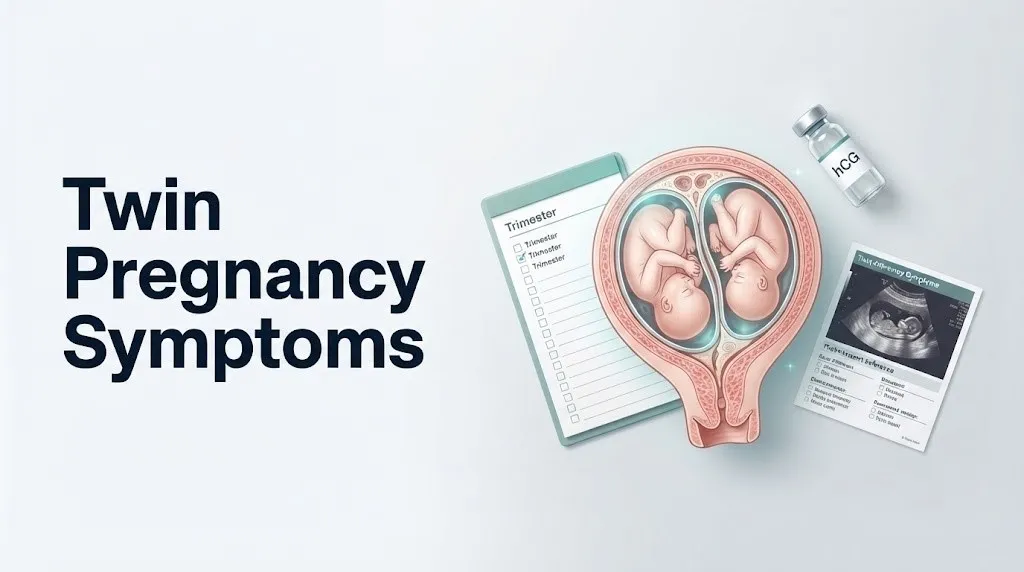
Research published in Obstetrics and Gynecology and related peer-reviewed journals has consistently documented that serum hCG concentrations in twin pregnancies are approximately 30 to 50 percent higher than in singleton pregnancies at equivalent gestational ages in the first trimester, though exact ratios vary by individual and laboratory method.
| Gestational Age | Typical Singleton hCG Range (mIU/mL) | Typical Twin hCG Range (mIU/mL) | Clinical Note |
|---|---|---|---|
| 3 to 4 weeks | 5 to 426 | Often higher end or above | Not diagnostic alone; wide normal variation |
| 4 to 5 weeks | 18 to 7,340 | Often higher end | Serial measurement more informative than single value |
| 5 to 6 weeks | 1,080 to 56,500 | Often toward upper range | Ultrasound at this stage may show twin gestation |
| 6 to 7 weeks | 7,650 to 229,000 | Often toward upper range | Chorionicity best determined at 10 to 14 weeks |
| 8 to 11 weeks | 25,700 to 288,000 (peak) | Higher absolute peak | hCG peak; nausea typically peaks in this window |
Clinicians generally use serial hCG measurements (two draws 48 hours apart) to assess early pregnancy viability rather than relying on a single absolute value. A single elevated hCG does not diagnose twins; it raises clinical suspicion that prompts earlier or more focused ultrasound evaluation.
Frequent Urination and Bloating in Twin Pregnancy
Frequent urination in twin pregnancy occurs for the same physiological reason as in singleton pregnancy but tends to begin earlier and be more pronounced: the growing uterus and the effect of progesterone on the smooth muscle of the urinary bladder combine to reduce functional bladder capacity and increase urinary urgency.
The renal physiology of twin pregnancy amplifies this effect. Progesterone relaxes the smooth muscle of the ureteral walls, producing physiological dilation of the ureters (a condition called hydronephrosis of pregnancy), which is normal but can increase urinary stasis and the risk of symptomatic urinary tract infections (UTIs) in the second trimester. Because twin pregnancies produce higher progesterone concentrations, this ureteral dilation effect may be more pronounced than in singleton pregnancies, increasing the risk of asymptomatic bacteriuria progressing to pyelonephritis if not monitored.
The American College of Obstetricians and Gynecologists (ACOG) recommends routine urine culture screening for asymptomatic bacteriuria in all pregnant women at the first prenatal visit, a recommendation that is especially relevant in twin pregnancies where the progesterone-mediated ureteral changes create a more favorable environment for bacterial ascent to the kidneys.
Bloating in twin pregnancy is produced primarily by progesterone-mediated relaxation of intestinal smooth muscle, which slows the movement of food through the gastrointestinal tract. In a twin pregnancy with higher progesterone, this effect is more pronounced. Food moves more slowly through the small intestine and colon, allowing more time for bacterial fermentation and gas production in the large intestine, producing the distension and discomfort of pregnancy-related bloating.
Quick Tip:
- Frequent urination appearing before a missed period (at 3 to 4 weeks of gestation) in a woman with known fertility treatment or a previous twin pregnancy is a pattern worth noting at the first prenatal appointment.
- Painful urination, fever, or back pain combined with urinary frequency requires same-day evaluation for a urinary tract infection, as UTIs in pregnancy can progress rapidly to pyelonephritis.
- Women carrying twins should specifically ask their obstetrician-gynecologist about urine culture screening at each trimester, not just the first prenatal visit, because progesterone-mediated ureteral dilation persists throughout pregnancy.
Twin Pregnancy Symptoms by Week: A Gestational Timeline
Twin pregnancy symptoms follow a predictable hormonal timeline, with distinct physiological drivers at each stage of gestation that produce a characteristic evolution from early first-trimester nausea to late third-trimester cardiopulmonary symptoms.
Understanding when each symptom typically appears (and when its absence or worsening is clinically meaningful) helps a pregnant woman recognize the expected progression from the unexpected.
| Gestational Week | Primary Hormonal Driver | Expected Symptoms | Clinical Monitoring Note |
|---|---|---|---|
| 3 to 5 weeks | Rapidly rising hCG from two trophoblasts | Early nausea, breast tenderness, fatigue, spotting possible | Serum hCG and early transvaginal ultrasound if IVF or risk factors |
| 6 to 8 weeks | hCG approaching peak; corpus luteum progesterone high | Peak nausea, profound fatigue, urinary frequency, emotional sensitivity | First ultrasound for viability and chorionicity (best at 10-14 weeks) |
| 9 to 11 weeks | hCG at or near peak | Nausea may peak; breast tenderness pronounced; fundus beginning to rise | Chorionicity determination by ultrasound; first-trimester screening |
| 12 to 14 weeks | hCG starting to decline; placenta taking over progesterone | Nausea gradually easing for many women; energy may improve slightly | Nuchal translucency; cell-free DNA (NIPT) screening |
| 15 to 20 weeks | Placental hormones dominant; uterus growing rapidly | Fundus tracking ahead of dates; fetal movement (quickening) often earlier in twin pregnancies | Anatomy scan; amniotic fluid assessment; cervical length if MCDA |
| 20 to 28 weeks | Steady placental hPL and estrogen; uterine overdistension increasing | Round ligament pain; back pain; shortness of breath beginning earlier than singleton | Preterm labor risk monitoring; growth scans every 4 weeks (DCDA) or every 2 weeks (MCDA) |
| 28 to 36 weeks | Greater uterine size; increasing fetal weight | Shortness of breath; pelvic pressure; edema; sleep disruption from positioning | Preeclampsia monitoring; non-stress testing initiated per ACOG guidelines |
Women who are pregnant with twins after IVF may have a slightly different gestational dating baseline (based on egg retrieval date rather than last menstrual period), which affects how this timeline maps to their specific situation. Their reproductive endocrinologist and obstetrician should coordinate the timing of the transition to obstetrical care.
Key Takeaway: Twin pregnancy symptoms follow a hormonal timeline with nausea peaking between 8 and 11 weeks (corresponding to the hCG peak) and then gradually easing, while cardiopulmonary and musculoskeletal symptoms become more prominent in the second and third trimesters as uterine size increases faster than in a singleton pregnancy.
Monochorionic Versus Dichorionic Twin Pregnancy Symptoms
Monochorionic twin pregnancies (one shared placenta) and dichorionic twin pregnancies (two separate placentas) produce similar first-trimester symptoms but diverge significantly in the second and third trimesters because monochorionic placentas contain arteriovenous anastomoses that create the risk of twin-to-twin transfusion syndrome (TTTS), a condition with its own distinct symptom profile.
In the first trimester, both MCDA and DCDA twin pregnancies produce the same constellation of amplified nausea, fatigue, breast tenderness, and urinary frequency, because the hormonal drivers (hCG, progesterone, estradiol) are similar regardless of chorionicity. The key difference emerges after 16 weeks, when the divergent placental structures begin to have clinical consequences.
Monochorionic (MCDA) twin pregnancies produce three additional symptom clusters not seen in dichorionic pregnancies:
- TTTS-related symptoms: Rapid abdominal growth (from polyhydramnios in the recipient twin’s sac), shortness of breath from uterine overdistension, and asymmetric fetal movement (the donor twin may move less than expected while the recipient moves more or appears larger). TTTS is staged using the Quintero classification system (Stages I through V), with Stage III and above indicating hemodynamic compromise.
- Selective intrauterine growth restriction (sIUGR): One twin grows significantly smaller than expected because of unequal placental sharing, producing asymmetric fundal measurements and potentially reduced fetal movement on one side.
- Co-twin demise risk: If one twin in a monochorionic pair dies in utero, the surviving co-twin is at immediate risk from the shared vascular connections, requiring emergency maternal-fetal medicine evaluation.
Dichorionic (DCDA) twins have their own risk profile but are not at risk for TTTS because their placentas are separate. Their primary second and third-trimester symptom concerns are preterm labor (from uterine overdistension), growth discordance between twins (which requires serial growth ultrasounds), and preeclampsia.
According to the Society for Maternal-Fetal Medicine (SMFM), all monochorionic twin pregnancies should be co-managed by a board-certified maternal-fetal medicine specialist (perinatologist) from the time of diagnosis, with ultrasound surveillance every two weeks from 16 weeks onward to detect early TTTS.
Risk Factors and Populations More Likely to Have Twin Pregnancies
Several well-established biological, reproductive, and demographic factors increase the probability of conceiving a twin pregnancy, and understanding these factors explains the population-level variation in twin pregnancy rates and the specific symptom patterns associated with each conception mechanism.
Biological sex and reproductive physiology: Dizygotic (fraternal) twinning results from the simultaneous ovulation of two mature follicles from one or both ovaries in a single menstrual cycle. Several factors increase the probability of multi-follicle ovulation:
- Advanced maternal age (over 35): FSH concentrations naturally rise with aging as the ovarian reserve declines. Higher FSH drives more aggressive follicle recruitment, increasing the probability that two or more follicles reach mature ovulation threshold simultaneously. This is the primary biological mechanism behind the well-documented association between maternal age and dizygotic twin rate.
- Assisted reproductive technology (ART), including IVF and ovulation induction: IVF with transfer of two embryos directly produces a dizygotic twin pregnancy. Ovulation induction medications (gonadotropins, clomiphene citrate, letrozole) increase multi-follicle recruitment through the same FSH-mediated mechanism as natural aging.
- Family history of fraternal twins (maternal lineage): Dizygotic twinning is a heritable trait on the maternal side, associated with genetic variants that affect FSH receptor sensitivity and follicle recruitment patterns.
- Ethnicity: According to the CDC, women of African descent have the highest rates of spontaneous dizygotic twinning globally, while women of Asian descent have among the lowest. This variation reflects differences in FSH levels and ovarian responsiveness across populations.
- Higher parity (multiple prior pregnancies): Multiparous women have higher spontaneous twin rates than nulliparous women, likely due to cumulative hormonal effects on follicle recruitment.
- Higher BMI: Observational data from multiple cohort studies, including research published in the American Journal of Obstetrics and Gynecology, has found an association between higher pre-pregnancy body mass index and increased dizygotic twin conception probability, possibly related to higher insulin-like growth factor-1 (IGF-1) concentrations in women with higher BMI that amplify ovarian response to FSH.
Monozygotic (identical) twinning, by contrast, occurs at a relatively constant rate of approximately 3 to 4 per 1,000 pregnancies worldwide, regardless of the above risk factors, because it results from spontaneous embryo splitting after fertilization rather than from multi-follicle ovulation.
Twin Pregnancy Complications to Recognize
Twin pregnancies carry a specific set of complications that produce distinct symptom patterns, and recognizing these symptoms is the most clinically consequential part of managing a twin pregnancy.
The three most clinically important complications with recognizable symptoms are preeclampsia, twin-to-twin transfusion syndrome, and preterm labor. Each has a different physiological mechanism and a different symptom presentation:
Preeclampsia in twin pregnancy: Research published in the American Journal of Obstetrics and Gynecology has documented that the risk of preeclampsia in twin pregnancies is approximately two to three times higher than in singleton pregnancies. The mechanism involves an exaggerated imbalance between antiangiogenic factors (particularly sFlt-1, produced by the placenta) and proangiogenic factors (particularly PlGF), producing widespread maternal endothelial dysfunction. In twin pregnancies, the greater total placental mass produces more sFlt-1, increasing the risk and potentially the severity of preeclampsia.
Recognizable symptoms of preeclampsia:
- Persistent severe headache in pregnancy not relieved by acetaminophen
- Visual disturbances (blurred vision, seeing spots or flashing lights)
- Right upper quadrant or epigastric abdominal pain (from hepatic capsule stretching from edema)
- Sudden onset of marked facial, hand, or foot swelling
- Rapid weight gain over days (more than 2 pounds in one week) from fluid retention
Twin-to-twin transfusion syndrome (TTTS): Specific to monochorionic twin pregnancies. Symptoms include rapid abdominal growth (from polyhydramnios), shortness of breath from uterine overdistension, and asymmetric perception of fetal movement.
Preterm labor: Regular, painful uterine contractions before 37 weeks of gestation, accompanied by pelvic pressure, low back ache, and a change in vaginal discharge.
Any of these symptom clusters in a twin pregnancy requires same-day evaluation by a board-certified obstetrician-gynecologist or a maternal-fetal medicine specialist.
Preterm Labor Symptoms in Twin Pregnancy
Preterm labor, defined as regular uterine contractions causing cervical change before 37 weeks of gestation, is more prevalent in twin pregnancies than in singleton pregnancies because uterine overdistension from two fetuses activates prostaglandin synthesis pathways that can prematurely initiate the labor cascade.
The mechanism is mechanically straightforward. The myometrium (the muscular wall of the uterus) contains stretch-activated ion channels and mechanosensitive cells that, when the uterus is distended beyond a threshold volume, begin producing prostaglandins (particularly PGF2-alpha and PGE2) and upregulating oxytocin receptors. In twin pregnancies, the uterus reaches this distension threshold earlier in gestation than in singleton pregnancies, increasing preterm labor risk throughout the second half of pregnancy.
The American College of Obstetricians and Gynecologists (ACOG) states that the median gestational age at delivery for twin pregnancies is approximately 36 weeks, compared to approximately 39 weeks for singleton pregnancies. This reflects both the clinical decisions made about delivery timing and the biological tendency toward earlier labor onset.
Symptoms of preterm labor in twin pregnancy that require immediate evaluation:
- Regular uterine contractions (occurring every 10 minutes or more frequently) before 37 weeks, regardless of whether they are painful
- Persistent low back pain that is different in quality from the typical pregnancy back ache (rhythmic, cramping, or coming in waves)
- Pelvic pressure or a sensation that the babies are “pushing down”
- A change in vaginal discharge to a watery, bloody, or mucus-containing consistency (may represent rupture of membranes or passage of the mucus plug)
- Visible fluid leaking from the vagina, which may indicate premature rupture of membranes (PROM)
Women carrying twins who have a documented short cervix (less than 25 mm on transvaginal ultrasound before 24 weeks) are at substantially elevated risk for preterm birth. The Society for Maternal-Fetal Medicine (SMFM) recommends cervical length monitoring for twin pregnancies beginning at 16 weeks.
Women who are prescribed progesterone supplementation for cervical length concerns in a twin pregnancy should understand that this is a preventive strategy with a specific evidence basis and should not self-adjust dosing without obstetrician guidance.
Key Takeaway: Preterm labor in twin pregnancies can present without painful contractions. Regular uterine tightening, pelvic pressure, or any change in vaginal discharge before 37 weeks requires same-day evaluation by a board-certified obstetrician-gynecologist, not watchful waiting.
Emergency Symptoms: When to Call 911 or Go to the ER During a Twin Pregnancy
Certain symptoms during a twin pregnancy require immediate emergency evaluation. Do not wait to see if these resolve on their own.
Call 911 or go to the nearest emergency room immediately if you experience:
- Severe, sudden headache that is the worst headache of your pregnancy, which can indicate preeclampsia with severe features or hypertensive emergency
- Visual disturbances including blurred vision, seeing flashing lights, or sudden vision loss in one or both eyes, which can indicate preeclampsia-related central nervous system involvement or hypertensive retinopathy
- Right upper quadrant or epigastric abdominal pain that is severe or persistent, which can indicate HELLP syndrome (hemolysis, elevated liver enzymes, low platelets), a severe variant of preeclampsia
- Sudden severe abdominal pain with or without vaginal bleeding, which can indicate placental abruption (premature separation of the placenta from the uterine wall), a life-threatening emergency for both mother and fetuses
- Regular painful uterine contractions before 34 weeks of gestation, which represents preterm labor at a gestational age where fetal lung maturity and neonatal outcomes are at risk, requiring hospital-level management
- Fluid gushing or leaking steadily from the vagina before 37 weeks, which can indicate premature rupture of membranes (PROM) and requires immediate hospital evaluation regardless of the absence of contractions
- Sudden marked decrease in fetal movement in both twins, or cessation of movement from one twin specifically, which requires urgent biophysical profile or non-stress test evaluation
- Rapid abdominal growth over days with shortness of breath in a monochorionic twin pregnancy, which can indicate acute TTTS with severe polyhydramnios requiring emergent maternal-fetal medicine evaluation
- Severe shortness of breath, chest pain, or inability to complete a full sentence in a twin pregnancy, which requires emergency evaluation to rule out pulmonary embolism (deep vein thrombosis risk is elevated in all pregnancies, and further elevated in twin pregnancies)
These presentations can indicate preeclampsia, placental abruption, preterm labor, acute TTTS, pulmonary embolism, or premature rupture of membranes and require emergency medical assessment, not an urgent care appointment or a phone call.
How a Twin Pregnancy Is Diagnosed
A twin pregnancy is definitively diagnosed by transvaginal or transabdominal ultrasound, which identifies two gestational sacs or two fetal poles, and must include determination of chorionicity and amnionicity, because these structural characteristics determine the entire monitoring and management protocol.
The diagnostic process typically unfolds in a specific sequence:
- Positive home pregnancy test or quantitative serum hCG drawn by a primary care physician or obstetrician-gynecologist, which confirms pregnancy but cannot determine number of fetuses
- Transvaginal ultrasound at 6 to 8 weeks of gestation to visualize the gestational sacs, confirm cardiac activity in each fetus, and identify the number of fetuses. This is the earliest point at which twins can be reliably confirmed.
- Chorionicity determination by ultrasound at 10 to 14 weeks of gestation, which is the optimal window for identifying whether twins share a placenta. The “twin peak” sign (a triangular wedge of placental tissue extending into the inter-twin membrane) indicates dichorionic placentation. The “T-sign” (a thin, perpendicular membrane insertion without a placental wedge) indicates monochorionic placentation.
- First-trimester combined screening (nuchal translucency plus serum markers) performed at 11 to 13 weeks, which screens for chromosomal anomalies with interpretation specific to twin number and chorionicity
- Cell-free DNA (cfDNA) screening, also called NIPT, which can be performed from 10 weeks onward and screens for common chromosomal trisomies. In twin pregnancies, cfDNA results require specific interpretation by a specialist because the fetal fraction from each twin contributes to the test.
- Anatomy ultrasound at 18 to 20 weeks, examining each fetus’s anatomy, amniotic fluid volumes in each sac, and placental location
According to ACOG, chorionicity determination by ultrasound is most accurate when performed before 14 weeks of gestation. After 14 weeks, placental tissue changes make it progressively harder to distinguish monochorionic from dichorionic placentas with certainty.
Women who experience symptoms consistent with twin pregnancy before their first prenatal appointment should contact a board-certified obstetrician-gynecologist to request an early ultrasound, particularly if they have undergone IVF or ovulation induction or have a family history of fraternal twins.
Frequently Asked Questions About Twin Pregnancy Symptoms
What are the first signs you might be pregnant with twins?
The first signs of a twin pregnancy are the same as in singleton pregnancy: nausea, fatigue, breast tenderness, and a missed period, but they tend to appear with greater intensity and sometimes slightly earlier.
More severe nausea beginning before a missed period, profound fatigue that is disproportionate to what you experienced in a prior singleton pregnancy, and unusually marked breast tenderness are the most commonly reported early distinguishing features.
No symptom combination can confirm a twin pregnancy; only transvaginal ultrasound at 6 to 8 weeks of gestation provides definitive confirmation.
Is morning sickness worse with twins than with a singleton pregnancy?
Morning sickness is generally more severe in twin pregnancies than in singleton pregnancies because two trophoblasts produce higher total hCG concentrations, and hCG stimulates the area postrema chemoreceptor trigger zone in the brainstem to produce nausea.
Research published in the American Journal of Obstetrics and Gynecology has found an association between higher hCG concentrations and more severe nausea, including hyperemesis gravidarum, which occurs more frequently in twin pregnancies than in singleton pregnancies.
Any twin pregnancy nausea that prevents adequate fluid or food intake for more than 24 hours, or causes visible weight loss, warrants evaluation by a board-certified obstetrician-gynecologist for possible hyperemesis gravidarum management.
How early do twin pregnancy symptoms start compared to a singleton pregnancy?
Twin pregnancy symptoms typically begin at the same gestational age as singleton symptoms (around 4 to 6 weeks from the last menstrual period) but are perceived as more intense from the outset.
Some women with twin pregnancies report noticing nausea or breast tenderness as early as 3 to 4 weeks, slightly before a missed period, likely reflecting the faster rate of hCG accumulation from two trophoblast sources reaching symptom-producing concentrations sooner.
A first prenatal appointment with transvaginal ultrasound between 6 and 8 weeks of gestation will confirm or rule out twin gestation regardless of symptom intensity.
What is the difference between monochorionic and dichorionic twin pregnancy symptoms?
Monochorionic and dichorionic twin pregnancies produce nearly identical first-trimester symptoms, but monochorionic twins carry additional second and third-trimester risks from sharing a placenta, particularly twin-to-twin transfusion syndrome (TTTS).
TTTS can present with rapid abdominal growth, shortness of breath from polyhydramnios, and asymmetric fetal movement, none of which occur in dichorionic twin pregnancies.
All monochorionic twin pregnancies require co-management by a board-certified maternal-fetal medicine specialist (perinatologist), with ultrasound surveillance every two weeks from 16 weeks onward, per Society for Maternal-Fetal Medicine guidance.
When should I be worried about symptoms during a twin pregnancy?
You should contact your obstetrician-gynecologist the same day for any new headache in pregnancy that does not resolve with rest, visual changes, swelling that appears suddenly in your face or hands, regular uterine contractions before 37 weeks, decreased fetal movement, or vaginal fluid leaking.
Go to the emergency room immediately for severe headache, sudden abdominal pain with or without bleeding, inability to feel either twin moving, or shortness of breath that prevents speaking in full sentences.
Twin pregnancies carry a two to three times higher risk of preeclampsia than singleton pregnancies, according to research in the American Journal of Obstetrics and Gynecology, making any blood pressure-related symptom a specific priority for immediate evaluation.
Can you have twin pregnancy symptoms before a missed period?
Some women carrying twins report symptoms such as breast tenderness, fatigue, and mild nausea beginning at 3 to 4 weeks of gestation, which is before a missed period at 4 to 5 weeks.
This early onset likely reflects the faster rise of hCG from two trophoblast sources, which may reach symptom-producing concentrations a few days earlier than in singleton pregnancies.
A home pregnancy test may be positive as early as 10 to 14 days after conception, but no home test can distinguish a singleton from a twin pregnancy; only a quantitative serum hCG and ultrasound provide that information.
Closing
Twin pregnancy symptoms are not simply “more of the same.” They are the result of a specifically different hormonal environment, driven by two trophoblasts, often two corpora lutea, higher absolute hCG concentrations, and greater plasma volume expansion than a singleton pregnancy produces. Understanding those mechanisms helps you recognize whether what you are experiencing is expected intensification or a signal that something has changed.
The single most actionable step for anyone who suspects or has confirmed a twin pregnancy: establish prenatal care with a board-certified obstetrician-gynecologist early, confirm chorionicity by ultrasound before 14 weeks, and know which symptoms warrant a same-day call versus an emergency room visit. Monochorionic twin pregnancies require a maternal-fetal medicine specialist from the first trimester.
You are navigating a higher-risk pregnancy with real, specific risks that are different from what singleton pregnancy content describes. This article gives you the clinical picture of what those differences are. Bring specific questions about TTTS, preeclampsia, and preterm labor to your first prenatal appointment, and don’t wait to raise any new symptom with your provider.