High Progesterone Symptoms: What Your Body Is Telling You
High progesterone symptoms include fatigue, breast tenderness, bloating, low libido, mood disturbances, and disrupted sleep, and whether these symptoms represent normal physiology or a genuine hormonal problem depends entirely on when they occur and how elevated the levels actually are. Progesterone is not a single-state hormone; it rises and falls across the menstrual cycle, surges dramatically in pregnancy, and can climb to abnormal levels in response to cysts, adrenal disorders, or exogenous hormone use.
According to the National Institutes of Health, progesterone is among the most biologically active steroid hormones in the female body, with receptor targets in the uterus, brain, breast, gastrointestinal tract, and immune system simultaneously. That breadth of receptor activity is exactly why too much progesterone can produce symptoms that seem completely unrelated to each other.
This article covers every clinically recognized high progesterone symptom, the physiological mechanism behind each one, what distinguishes a normal luteal-phase rise from a genuinely pathological level, who is most likely to experience problematic excess, and exactly when to seek evaluation from a medical provider.
High Progesterone Symptoms: What They Are and Why They Happen
High progesterone symptoms occur because progesterone binds receptor proteins in multiple tissues simultaneously, and when levels rise above what those tissues are calibrated to handle, the downstream effects become clinically noticeable rather than background physiology.
Progesterone acts through two receptor isoforms, progesterone receptor-A (PR-A) and progesterone receptor-B (PR-B), which are expressed in the uterus, breast, brain, colon, bladder, and cardiovascular system. PR-A and PR-B have different downstream signaling profiles, meaning progesterone does not produce the same effect in every tissue. In the uterus, it drives secretory transformation of the endometrium. In the gastrointestinal tract, it relaxes smooth muscle. In the central nervous system, it converts to a neurosteroid that modulates inhibitory neurotransmission.
When levels are elevated, whether from normal physiological states like the luteal phase or early pregnancy, or from pathological sources like cysts or medications, these tissue-level effects become amplified. The clinical result is a collection of symptoms that spans physical, gastrointestinal, breast, neurological, and metabolic domains.
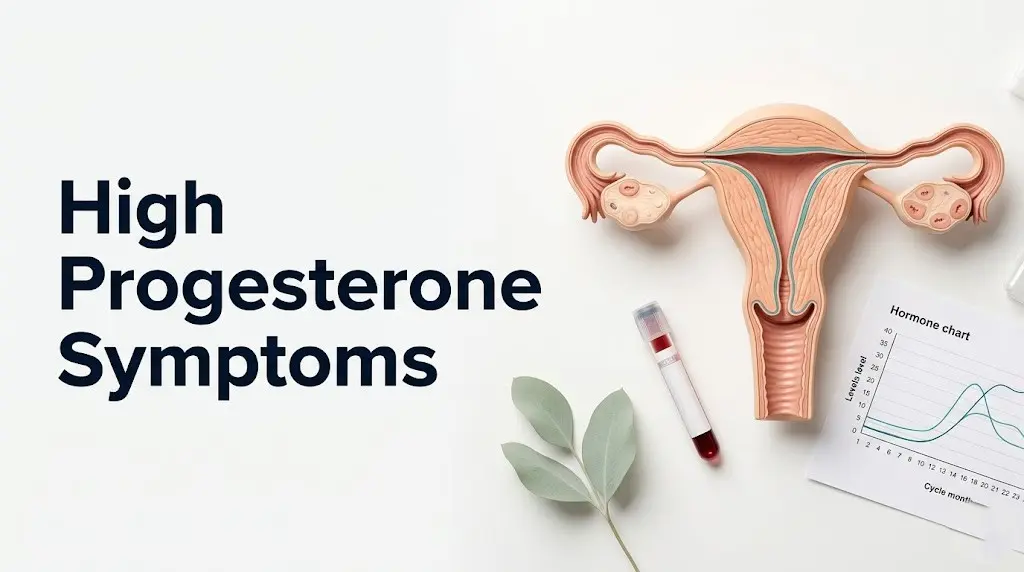
The severity of symptoms is not simply linear with the level of progesterone measured in a blood test. Individual sensitivity to progesterone receptor signaling varies considerably across women. A 2021 paper published in the Journal of Clinical Endocrinology and Metabolism noted that symptom burden from progestogen exposure does not reliably correlate with measured serum levels, pointing to receptor sensitivity and the metabolic conversion rate to neurosteroids as key variables.
| Symptom Domain | Primary Mechanism | Anatomical Target |
|---|---|---|
| Fatigue and sedation | Allopregnanolone GABA-A modulation | Central nervous system |
| Bloating and constipation | Smooth muscle relaxation via calcium channel inhibition | GI tract smooth muscle |
| Breast tenderness | PR-B mediated ductal gland stimulation | Breast ductal epithelium |
| Mood changes, anxiety | GABA-A receptor sensitivity shifts | CNS, limbic system |
| Weight change | Fluid retention and metabolic slowing | Kidney tubules, adipose |
| Low libido | Androgen-suppressing effect of progesterone | HPO axis, adrenal |
Women with a history of mood disorders, particularly major depressive disorder or premenstrual dysphoric disorder (PMDD), are more likely to experience pronounced neurological symptoms from the same level of progesterone elevation due to pre-existing variation in GABA-A receptor sensitivity.
What Is Progesterone and Why Do Levels Rise
Progesterone is a steroid hormone produced primarily by the corpus luteum of the ovary after ovulation, by the adrenal cortex in smaller baseline quantities, and by the placenta in large quantities from approximately weeks 8 to 10 of pregnancy onward.
Its synthesis follows the steroidogenesis pathway: cholesterol is converted to pregnenolone, then progesterone, through the actions of enzymes including 3-beta-hydroxysteroid dehydrogenase (3-beta-HSD) within the mitochondria and smooth endoplasmic reticulum of steroid-producing cells. The corpus luteum is the dominant post-ovulatory source; without it, progesterone levels drop sharply within 24 to 48 hours, triggering menstruation.
Progesterone levels rise in three physiologically normal contexts. First, they rise sharply after ovulation, climbing from below 1 nanogram per milliliter (ng/mL) in the follicular phase to between 5 and 25 ng/mL in the mid-luteal phase. Second, they climb dramatically in pregnancy, reaching 100 to 200 ng/mL in the third trimester. Third, they fluctuate unpredictably in perimenopause when ovulatory cycles become irregular.
They rise in pathological contexts too: from corpus luteum cysts that fail to regress, from adrenocortical tumors producing excess steroid precursors, from congenital adrenal hyperplasia where the 21-hydroxylase enzyme deficiency shunts steroid production toward progesterone, and from exogenous administration through fertility treatment, progestin-based contraception, or hormone replacement protocols.
Understanding which category you fall into matters clinically. A level of 18 ng/mL on Day 21 of a 28-day cycle is textbook normal post-ovulatory physiology. The same number measured in a postmenopausal woman not on hormone therapy requires explanation and workup.
- Normal follicular phase level: below 1 ng/mL
- Normal mid-luteal phase level: 5 to 25 ng/mL
- Normal first trimester pregnancy level: 11 to 44 ng/mL
- Normal third trimester pregnancy level: 65 to 290 ng/mL
- Postmenopausal baseline (no HRT): below 0.5 ng/mL
- Threshold for investigation in non-pregnant, non-luteal women: above 2 to 3 ng/mL
Women using progestin-only contraceptive implants or injectable depot medroxyprogesterone acetate should not use standard serum progesterone reference ranges as a guide, since synthetic progestins are measured differently and have distinct receptor binding profiles compared to bioidentical progesterone.
Too Much Progesterone Symptoms: The Full Clinical Picture
Too much progesterone symptoms form a recognizable cluster: persistent fatigue, breast tenderness, abdominal bloating, constipation, mood changes including low mood or anxiety, decreased libido, water retention, headache, and a general sense of cognitive slowness sometimes called “progesterone fog.”
No single symptom is pathognomonic for progesterone excess. What makes the pattern recognizable is the timing, the cluster, and the context. These symptoms appearing in the second half of the menstrual cycle, in early pregnancy, or after initiating progesterone supplementation provide strong clinical context.
The Endocrine Society classifies progesterone as a hormone with effects on the central nervous system, reproductive organs, gastrointestinal tract, and immune system. In states of excess, all four of these systems can show disruption simultaneously, which is why the symptom picture looks broad and seemingly unrelated.
Full clinical symptom inventory:
- Profound fatigue disproportionate to activity level or sleep quantity
- Breast swelling, fullness, and tenderness to light pressure
- Abdominal bloating not related to food intake timing
- Slowed bowel movements progressing to constipation
- Mood changes: low mood, irritability, heightened emotional sensitivity
- Anxiety, particularly free-floating or generalized anxiety without an identifiable trigger
- Decreased interest in sex, reduced arousal sensitivity
- Mild to moderate fluid retention particularly in the abdomen and lower extremities
- Headache, often described as dull and persistent rather than migrainic
- Cognitive slowing: difficulty concentrating, slower verbal recall, mild short-term memory disruption
- Disrupted sleep architecture: difficulty staying asleep despite feeling sleepy
- Dizziness or mild lightheadedness, particularly on standing
Women with polycystic ovary syndrome (PCOS) may experience a different symptom picture from progesterone elevation because their baseline hormonal environment already includes elevated androgens and often elevated LH-to-FSH ratios, which modify how progesterone receptor activity expresses clinically. An OB-GYN or reproductive endocrinologist should evaluate progesterone-related symptoms in any woman with a known PCOS diagnosis rather than applying standard reference ranges directly.
Key Takeaway: Progesterone acts on the brain, gut, breast, and immune system at the same time, which is why too much progesterone produces a symptom cluster spanning multiple body systems rather than a single, isolated complaint.
High Progesterone and Fatigue: Why It Makes You So Tired
High progesterone causes fatigue because its primary metabolite, allopregnanolone (also called 3-alpha-tetrahydroprogesterone), acts as a potent positive allosteric modulator of GABA-A receptors in the central nervous system, producing sedative effects through the same general neurochemical mechanism as benzodiazepines, though via a different binding site.
Progesterone itself does not cross the blood-brain barrier efficiently. But allopregnanolone, produced from progesterone through sequential action of two enzymes, 5-alpha-reductase and 3-alpha-hydroxysteroid dehydrogenase, does cross it readily. Once inside the CNS, allopregnanolone increases the frequency and duration of chloride ion channel opening at GABA-A receptors, producing global neural inhibition. The practical result is heavy, irresistible fatigue, slowed thinking, and difficulty staying awake in the afternoon.
This is not metaphorical tiredness. Research published in the Journal of Clinical Endocrinology and Metabolism has demonstrated that allopregnanolone levels correlate with sedation scores in controlled studies, and that women in the luteal phase of their menstrual cycle show measurable increases in reaction time, slowed cognitive processing, and self-reported fatigue compared to their follicular-phase baseline.
Think of allopregnanolone as the body’s internally produced sedative, one that rises automatically every time progesterone rises. In the luteal phase, this produces the normal afternoon energy dip many women notice in the two weeks before their period. When progesterone is genuinely elevated above the normal luteal range, that same mechanism becomes a clinical symptom rather than a mild physiological background effect.
The fatigue from progesterone elevation is distinct from iron-deficiency fatigue or hypothyroid fatigue in two ways. First, it tends to be worst in the late afternoon and evening rather than first thing in the morning. Second, it coexists with increased sleepiness rather than unrefreshing sleep, meaning the person falls asleep readily but does not feel restored by sleep.
Women on depot medroxyprogesterone acetate (DMPA) injectable contraception frequently report fatigue as a primary side effect, reflecting the sustained progestogenic effect on CNS allopregnanolone signaling. A primary care physician or OB-GYN should be informed of persistent fatigue in any woman on progestogen-containing contraception so that the hormonal contribution can be assessed alongside thyroid function, iron studies, and B12 levels.
High Progesterone and Bloating: The Gastrointestinal Connection
High progesterone causes bloating and constipation by relaxing smooth muscle throughout the gastrointestinal tract, specifically by inhibiting voltage-gated calcium channels in intestinal smooth muscle cells, which reduces the force and frequency of peristaltic contractions.
Gastrointestinal smooth muscle relies on calcium ion influx through L-type calcium channels to generate the muscle contractions that move food through the intestines. Progesterone binds its receptors in GI smooth muscle cells and downregulates calcium channel expression, reducing the calcium-driven contraction signal. The practical effect is slower gastric emptying, reduced small intestinal transit, and slower colonic motility. Food and gas move through the GI tract more slowly, and the result is bloating, fullness, and constipation that has nothing to do with diet or fiber intake.
This is the same mechanism that produces constipation in pregnancy, when progesterone levels are dramatically higher. According to data from the National Institute of Child Health and Human Development (NICHD), GI motility slowing is one of the earliest and most consistent physiological effects of rising progesterone, detectable even at luteal-phase levels in non-pregnant women.
The bloating from progesterone excess has a characteristic pattern that helps distinguish it from dietary bloating or irritable bowel syndrome. It tends to be diffuse rather than localized, does not correlate strongly with specific foods, worsens across the second half of the menstrual cycle rather than after specific meals, and typically resolves within two to three days of menstruation beginning.
Women with pre-existing irritable bowel syndrome (IBS) experience more pronounced GI symptoms from the same level of progesterone elevation because the enteric nervous system in IBS is already more sensitive to motility-altering signals. A gastroenterologist and an OB-GYN should both be informed if a woman with IBS notices a clear worsening pattern in the two weeks before her period, as this pattern can respond to hormonal cycle management strategies that neither specialist may initiate unless both are aware.
Breast Tenderness and High Progesterone: What Is Actually Happening
Breast tenderness from high progesterone occurs because progesterone receptor-B (PR-B) activation in breast ductal epithelial cells drives cell proliferation and secretory changes in the mammary glands, increasing glandular volume and interductal fluid, which stretches the breast tissue and activates nociceptive (pain-sensing) nerve fibers.
The breast is one of the most progesterone-sensitive tissues in the body. During the luteal phase, rising progesterone works alongside estrogen to prepare the mammary glands for potential lactation. PR-B signaling promotes ductal branching and lobulo-alveolar development, and this proliferative response is accompanied by mild glandular edema. The breast becomes denser, heavier, and more sensitive to touch.
At normal luteal-phase levels, this tenderness is mild to moderate and confined to the outer upper quadrants of the breast, where glandular tissue is most concentrated. When progesterone levels are elevated above the normal luteal range, particularly in early pregnancy, with exogenous supplementation, or from a corpus luteum cyst, the ductal stimulation and associated edema increase proportionally.
According to the American College of Obstetricians and Gynecologists (ACOG), cyclical breast tenderness (mastalgia) that follows the menstrual cycle pattern is the most common breast complaint in premenopausal women, with the majority of cases attributed to luteal-phase hormonal fluctuation rather than structural breast pathology.
Breast tenderness from progesterone elevation is characterized by these features, which help distinguish it from other causes:
- Bilateral rather than unilateral in most cases
- Worst in the five to seven days before menstruation
- Resolves or improves within two days of the period beginning
- Predominantly in the upper outer quadrant
- Associated with palpable increase in breast density or nodularity
Breast tenderness that is unilateral, persistent throughout the entire menstrual cycle, does not improve after menstruation, or is accompanied by a palpable lump, nipple discharge, or skin changes requires evaluation by a primary care physician or breast specialist. These features move the clinical concern away from hormonal breast tenderness toward a presentation that needs imaging and possibly biopsy.
Key Takeaway: Breast tenderness from high progesterone is driven by ductal gland stimulation in the breast itself and is almost always bilateral, cyclical, and tied to the second half of the menstrual cycle, unlike breast pain from structural causes.
Mood Changes From Excess Progesterone: Anxiety, Depression, and the Brain
Excess progesterone causes mood changes through the neurosteroid allopregnanolone, which modulates GABA-A receptor activity in the limbic system and prefrontal cortex, the brain regions most directly involved in emotional regulation, anxiety responses, and working memory.
At low-to-moderate concentrations, allopregnanolone has an anxiolytic (anti-anxiety) effect through GABA-A receptor potentiation. At higher concentrations, or in women whose GABA-A receptor sensitivity has been dysregulated by chronic hormonal fluctuation, the same neurosteroid can paradoxically produce anxiety, irritability, depressed mood, and emotional volatility. This is not a paradox in the literal sense; it reflects the biphasic dose-response curve of neurosteroid effects on GABA-A receptors, which is well-characterized in the neuropharmacology literature.
A 2022 review published in Frontiers in Neuroendocrinology documented that women with premenstrual dysphoric disorder (PMDD) show abnormal neurosteroid sensitivity in the GABA-A receptor system, meaning that the same progesterone-derived allopregnanolone level that produces mild sedation in a typical woman can trigger significant anxiety, dysphoria, and cognitive disruption in a woman with PMDD or prior depressive history.
Depression associated with progesterone excess is distinct from classical major depressive disorder in its timing and texture. It tends to present as flat affect rather than deep sadness, accompanied by mental slowing, reduced motivation, and emotional numbness. Many women describe it as feeling “underwater” or “turned down.” This pattern typically tracks the luteal phase or aligns with the timing of progesterone administration in fertility or HRT protocols.
Mood symptoms from high progesterone overlap significantly with symptoms of hypothyroidism, which should always be excluded with a thyroid-stimulating hormone (TSH) and free T4 test before attributing mood changes solely to progesterone. A primary care physician should order this panel alongside a full hormone panel when evaluating cycle-correlated mood symptoms.
High Progesterone and Weight Changes: What the Evidence Shows
High progesterone can contribute to temporary weight gain primarily through two mechanisms: fluid retention driven by progesterone’s action on renal tubular sodium reabsorption pathways, and a secondary increase in appetite and carbohydrate preference mediated through central appetite-regulating circuits.
Progesterone competes with aldosterone at the mineralocorticoid receptor in the renal tubules. At elevated levels, progesterone has a mild anti-aldosterone effect, but this paradoxically triggers a compensatory increase in aldosterone production that results in net sodium and water retention. The weight gain from this mechanism is real but typically limited to 1 to 3 pounds and concentrated in the abdomen and lower extremities.
Appetite changes from progesterone elevation are well-documented in clinical research on HRT and fertility treatment. A 2019 study published in the Journal of Clinical Endocrinology and Metabolism found that women in the luteal phase of their menstrual cycle consumed an average of 90 to 500 additional calories per day compared to their follicular-phase baseline, with the increase concentrated in carbohydrate-rich foods. The mechanism involves progesterone-related changes in leptin sensitivity and serotonin signaling in the hypothalamus, both of which influence appetite regulation.
True fat mass gain from progesterone elevation alone is not well-supported by the current evidence. The North American Menopause Society (NAMS) position statement on progesterone and HRT states that weight changes during HRT are likely driven by the overall hormonal milieu and lifestyle factors rather than by progesterone specifically, and that the modest fluid retention seen with progesterone therapy is distinct from actual adipose tissue accumulation.
Women on medroxyprogesterone acetate (MPA), a synthetic progestin used in some HRT and contraceptive formulations, should note that MPA has documented glucocorticoid-like receptor activity that bioidentical progesterone does not, and it may contribute more directly to appetite increase and adipose redistribution than bioidentical progesterone does. This distinction matters when discussing HRT formulations with an OB-GYN or endocrinologist.
Key Takeaway: Weight gain from high progesterone is mostly fluid retention from the renal system, not fat accumulation, and typically resolves within two to three days of progesterone levels dropping after menstruation or dose adjustment.
Symptoms of High Progesterone After Ovulation and During the Luteal Phase
High progesterone symptoms after ovulation are a normal part of the luteal phase, appearing between days 15 and 28 of a standard 28-day menstrual cycle, peaking around days 18 to 22 when corpus luteum progesterone production reaches its maximum output.
The corpus luteum, the structure that forms from the ruptured ovarian follicle after ovulation, produces progesterone at rates that can push serum levels to 25 ng/mL in a healthy luteal phase. This is the highest progesterone ever reaches outside of pregnancy, and it is entirely physiological. The symptoms it produces, including breast tenderness, bloating, mood shifts, and fatigue, are the basis of what is commonly called premenstrual syndrome (PMS).
The timing of symptom onset within the cycle is one of the most clinically useful pieces of information for both the woman experiencing them and the provider evaluating her. Luteal-phase symptoms should:
- Begin between day 14 and day 18 of the cycle (approximately three to seven days after ovulation)
- Worsen gradually across the following five to seven days
- Peak in the five days before expected menstruation
- Resolve within 24 to 72 hours of the menstrual period starting
- Be absent or minimal during the follicular phase (days 1 through 13)
If symptoms do not follow this pattern, specifically if they are present throughout the entire cycle, worsen during menstruation rather than improving, or are completely absent during the luteal phase, progesterone excess is less likely to be the explanation.
Women who have had an oophorectomy (surgical removal of the ovaries) do not produce significant endogenous progesterone from luteal phase activity. Any progesterone-related symptoms in this population are attributable solely to exogenous administration and should be reported directly to the prescribing physician, as dose adjustment may be appropriate.
High Progesterone Symptoms in Early Pregnancy
High progesterone symptoms in early pregnancy are the same symptoms that make the first trimester distinctly difficult: crushing fatigue, nausea with or without vomiting, breast tenderness that can be severe enough to disrupt sleep, heightened smell sensitivity, bloating, and emotional sensitivity.
In early pregnancy, human chorionic gonadotropin (hCG) produced by the developing trophoblast cells rescues the corpus luteum from its normal 14-day lifespan, signaling it to continue producing progesterone at escalating levels. By 8 to 10 weeks of gestation, the placenta takes over progesterone production in a process called the luteal-placental shift, at which point progesterone levels continue climbing to support uterine quiescence and fetal development.
According to the American College of Obstetricians and Gynecologists, progesterone levels in a healthy singleton pregnancy range from approximately 11 to 44 ng/mL in the first trimester. These levels are significantly above the mid-luteal peak in a non-pregnant cycle, which is why early pregnancy symptoms can feel like an amplified version of severe PMS.
The fatigue of early pregnancy deserves particular clinical attention because it is among the most severe progesterone-driven symptoms and is frequently underestimated. The sedative effect of dramatically elevated allopregnanolone during the first trimester explains why many pregnant women cannot stay awake in the afternoons and feel physically heavy and cognitively slow. This is not a medical problem; it is a measurable neurochemical effect of the progesterone necessary to maintain the pregnancy.
Pregnant women experiencing symptoms of early pregnancy at levels that prevent eating, working, or daily functioning should contact their obstetrician or midwife. Hyperemesis gravidarum, a severe form of pregnancy nausea and vomiting associated with very high hCG and progesterone levels, affects approximately 1 to 3% of pregnant women according to research published in Obstetrics and Gynecology and requires medical management rather than home support.
Progesterone Dominance Symptoms From Hormone Therapy and Birth Control
Progesterone dominance symptoms from hormone therapy and birth control arise when exogenous progestogens are added to a woman’s hormonal environment in doses that exceed her individual receptor-sensitivity threshold, producing the same symptom cluster as endogenous excess: fatigue, mood changes, bloating, breast tenderness, and low libido.
The term “progesterone dominance” is used differently in clinical and consumer wellness contexts. Clinically, it refers to a state in which progesterone effects are amplified relative to estrogen effects, either because absolute progesterone is high, because estrogen is disproportionately low, or because receptor sensitivity is shifted. In women on HRT, progesterone dominance is most commonly a dosing issue, particularly with the addition of oral micronized progesterone (brand name Prometrium and generics) or synthetic progestins like norethindrone or levonorgestrel in combined HRT formulations.
Progestin-only contraceptive methods, including the etonogestrel implant (Nexplanon), the levonorgestrel-releasing intrauterine device (Mirena, Liletta), the desogestrel progestin-only pill, and depot medroxyprogesterone acetate (Depo-Provera), all work through progestogenic mechanisms. Side effect profiles differ between them because different synthetic progestins have different receptor selectivity profiles and different degrees of androgenic, glucocorticoid, and mineralocorticoid receptor cross-reactivity.
Women experiencing progesterone dominance symptoms on a hormonal contraceptive or HRT regimen should bring the following information to their prescribing provider:
- The specific formulation and dose they are taking
- When symptoms began relative to when the medication was started
- Whether symptoms are constant or cyclical
- A symptom diary covering at least four weeks
- Any prior history of mood disorders, particularly PMDD or postpartum depression
Symptoms of progesterone dominance on a prescribed regimen are treatable through dose adjustment, formulation switching, or addition of an estrogen-balancing strategy. These decisions should be made with an OB-GYN, reproductive endocrinologist, or menopause specialist, not through self-adjustment of prescribed medications.
Key Takeaway: Progesterone dominance symptoms from birth control or HRT are a dose and receptor sensitivity issue, not a sign that progesterone itself is harmful, and dose adjustments with a prescribing provider almost always resolve the symptom pattern.
High Progesterone Symptoms in Perimenopause and Menopause
High progesterone symptoms in perimenopause reflect an erratic hormonal environment in which ovulation becomes irregular and inconsistent, producing luteal phases that vary wildly in progesterone output from one cycle to the next.
Perimenopause typically spans the eight to ten years before the final menstrual period, during which the number of viable ovarian follicles declines and the hypothalamic-pituitary-ovarian (HPO) axis adjusts its signaling with increasing variability. Some cycles are anovulatory, producing no corpus luteum and minimal progesterone in the luteal phase. Others produce a robust corpus luteum with a full progesterone surge. The result is that a perimenopausal woman may experience a month of virtually no premenstrual symptoms followed by a month of severe fatigue, breast tenderness, and mood disruption with no change in external circumstances.
The North American Menopause Society (NAMS) describes this hormonal variability as one of the defining features of perimenopause and notes that women frequently find this unpredictability more distressing than the symptoms themselves. Tracking basal body temperature or using ovulation predictor kits during perimenopause can help identify whether a given month included ovulation and whether the associated symptoms are luteal-phase related.
In true postmenopause (defined as 12 consecutive months without a menstrual period), endogenous progesterone production from ovarian sources effectively ceases. A postmenopausal woman who is not on HRT should have a serum progesterone level below 0.5 ng/mL. Any symptomatic presentation suggesting progesterone excess in a postmenopausal woman not on HRT requires investigation for an adrenal source of progesterone overproduction, and evaluation by an endocrinologist is the appropriate referral.
Women in perimenopause who are also on hormonal contraception for cycle management should be aware that standard serum progesterone testing may not reflect their actual hormonal state accurately if they are using a synthetic progestin, since most standard progesterone assays measure bioidentical progesterone, not synthetic progestin equivalents.
What Causes Pathologically High Progesterone Levels
Pathologically high progesterone levels, defined as serum levels above approximately 25 ng/mL in a non-pregnant, non-luteal-phase state, arise from four principal categories of cause: persistent corpus luteum structures, adrenal gland disorders, ovarian tumors, and exogenous progesterone administration.
Corpus luteum cysts form when the corpus luteum fails to regress after the luteal phase. Instead of involuting normally, it persists and continues producing progesterone, sometimes at levels that extend luteal-phase symptoms beyond the expected window and delay menstruation. These cysts are generally benign and often resolve spontaneously within one to three menstrual cycles, but they can cause significant symptoms and, if they rupture, acute pelvic pain requiring emergency evaluation.
Congenital adrenal hyperplasia (CAH), particularly the form caused by 21-hydroxylase enzyme deficiency, creates a blockage in the cortisol synthesis pathway that shunts steroid precursors toward progesterone and androgens. According to the Endocrine Society, CAH is the most common adrenal disorder and can range from a severely symptomatic form presenting in newborns to a non-classic form identified in adult women presenting with irregular cycles, excess body hair, and elevated progesterone-pathway steroids.
Ovarian hyperstimulation syndrome (OHSS) in women undergoing assisted reproductive technology (ART) cycles can produce markedly elevated progesterone levels as multiple corpus luteum structures develop simultaneously following ovarian stimulation. The American Society for Reproductive Medicine (ASRM) identifies severe OHSS as a potentially life-threatening complication.
Additional causes:
- Adrenocortical adenomas or carcinomas secreting progesterone or progesterone precursors
- Lipoid adrenal hyperplasia (rare)
- Molar pregnancy (elevated hCG driving corpus luteum progesterone production)
- Ovarian granulosa-theca cell tumors (rare, but can secrete progesterone)
- Exogenous progesterone: injectable progesterone-in-oil for fertility support, oral micronized progesterone, topical progesterone creams
Women who have recently undergone any form of ART or fertility treatment and are experiencing severe abdominal pain, rapid weight gain, shortness of breath, or decreased urination should seek emergency evaluation immediately. These symptoms suggest severe OHSS, which is a medical emergency.
When High Progesterone Symptoms Require Medical Evaluation
High progesterone symptoms require medical evaluation when they occur outside of the expected physiological windows, when they are severe enough to disrupt daily functioning, when they appear in a woman not expected to have luteal-phase activity, or when a new symptom pattern does not respond to the passage of a menstrual cycle.
The most straightforward clinical rule is this: if symptoms that resemble a severe luteal phase do not resolve within two to three days of the menstrual period beginning, they are not purely luteal-phase driven, and a hormonal panel is warranted.
Specific circumstances requiring evaluation by an obstetrician-gynecologist or primary care physician:
- Breast tenderness that is unilateral, present throughout the full menstrual cycle, or not improving after menstruation begins
- Fatigue severe enough to prevent normal work or daily activity, present for more than two consecutive cycles
- Mood symptoms including depression or anxiety that began or worsened in temporal relationship to a new hormonal medication
- Cycle irregularity (cycles shorter than 21 days or longer than 35 days) combined with any of the symptoms above
- Symptoms in a postmenopausal woman not on HRT
- Any woman on fertility treatment who experiences worsening symptoms rather than improvement
Circumstances requiring referral to a reproductive endocrinologist or endocrinologist:
- Confirmed serum progesterone above 25 ng/mL in a non-pregnant woman outside of the mid-luteal phase
- Symptoms of CAH including irregular cycles, excess facial or body hair, acne, and elevated progesterone-pathway metabolites
- Suspected adrenal tumor or pituitary disorder in addition to elevated progesterone
- Recurrent miscarriage in the context of abnormal progesterone patterns
Timing your appointment correctly matters. A serum progesterone result has almost no interpretive value without knowing where in the menstrual cycle it was drawn.
Key Takeaway: Any high progesterone symptom pattern that does not resolve within three days of your menstrual period beginning, or that appears in a postmenopausal woman not on HRT, requires a medical hormone panel, not a wait-and-see approach.
How High Progesterone Is Diagnosed: Tests and Timing
High progesterone is diagnosed primarily through a serum progesterone blood test, with the interpretive accuracy depending almost entirely on knowing which day of the menstrual cycle the blood was drawn.
The standard clinical protocol is to draw serum progesterone on Day 21 of a 28-day cycle, which corresponds to the mid-luteal phase when progesterone output from the corpus luteum reaches its peak. This is why the test is commonly called the “Day 21 progesterone” test. For women with longer cycles, for example a 35-day cycle, the equivalent mid-luteal draw would fall around Day 28. Using the fixed “Day 21” without adjusting for cycle length is one of the most common sources of misinterpretation in primary care hormone testing.
The Endocrine Society provides reference ranges for serum progesterone by cycle phase and reproductive status. For clinical interpretation:
| Cycle Phase or Status | Expected Progesterone Level |
|---|---|
| Follicular phase (Days 1 to 13) | Less than 1 ng/mL |
| Ovulation (approximately Day 14) | 1 to 3 ng/mL |
| Mid-luteal phase (Days 18 to 22) | 5 to 25 ng/mL |
| Late luteal (Days 23 to 28) | 1 to 15 ng/mL (declining) |
| Postmenopausal (no HRT) | Less than 0.5 ng/mL |
| First trimester pregnancy | 11 to 44 ng/mL |
| Third trimester pregnancy | 65 to 290 ng/mL |
Salivary progesterone testing is available commercially but is not recommended as a primary diagnostic tool by the Endocrine Society or the American College of Obstetricians and Gynecologists due to significant variability in collection technique and limited validated reference ranges. A 2020 paper in the Journal of Clinical Endocrinology and Metabolism found poor correlation between salivary and serum progesterone in clinical populations.
Additional tests an OB-GYN or endocrinologist may order alongside progesterone:
- Serum FSH and LH to assess HPO axis function
- Serum estradiol to evaluate the estrogen-to-progesterone ratio
- Serum TSH and free T4 to exclude thyroid contribution to fatigue and mood symptoms
- Transvaginal ultrasound to evaluate for corpus luteum cyst or ovarian structural abnormality
- 17-hydroxyprogesterone to screen for CAH
- CT scan of the adrenal glands if adrenal tumor is suspected
Emergency Symptoms: When to Call 911 or Go to the ER
Certain symptoms associated with conditions that cause high progesterone require immediate emergency evaluation. Do not wait to see if these resolve on their own.
Call 911 or go to the nearest emergency room immediately if you experience:
- Sudden, severe lower abdominal or pelvic pain, particularly if sharp or one-sided, which may indicate a ruptured corpus luteum cyst causing internal bleeding
- Rapid abdominal distension, severe bloating with shortness of breath, decreased urination, and rapid weight gain (3 pounds or more in 24 hours) in a woman undergoing fertility treatment, which may indicate severe ovarian hyperstimulation syndrome (OHSS)
- Shortness of breath, chest pain, or difficulty breathing in any woman with a confirmed or suspected ovarian cyst or recent fertility treatment, as OHSS can cause pleural effusion and fluid shifts affecting respiratory function
- Sudden severe headache, visual changes, confusion, or loss of consciousness in a woman with any known hormonal disorder or known adrenal pathology, which may indicate adrenal crisis
- Fainting or near-fainting in association with severe acute pelvic pain, which may indicate significant intraperitoneal hemorrhage from a ruptured cyst
- Signs of molar pregnancy: heavy bleeding, passage of grape-like tissue, severe nausea and vomiting, uterus size larger than expected for gestational age
These presentations can indicate life-threatening complications including internal hemorrhage, severe OHSS, or adrenal crisis, and require emergency medical assessment at an emergency department, not an urgent care appointment or a delayed call to a clinic.
Frequently Asked Questions About High Progesterone Symptoms
What are the most common symptoms of high progesterone in women?
The most common symptoms of high progesterone in women are fatigue, breast tenderness, abdominal bloating, constipation, low mood, anxiety, reduced libido, and mild fluid retention.
These symptoms occur because progesterone acts simultaneously on the brain, gastrointestinal smooth muscle, and breast ductal tissue through receptor-mediated pathways.
The severity depends on both the absolute progesterone level and an individual woman’s sensitivity to progesterone receptor signaling and its neurosteroid metabolites.
Can high progesterone cause anxiety and depression?
High progesterone can cause both anxiety and depression through the action of allopregnanolone, a progesterone metabolite that modulates GABA-A receptors in the limbic system and prefrontal cortex.
At moderate levels, allopregnanolone typically produces sedation and mild anxiety relief, but in women with heightened neurosteroid receptor sensitivity, it can paradoxically trigger anxiety, emotional blunting, and low mood.
Women with a prior history of premenstrual dysphoric disorder (PMDD) or postpartum depression are at the highest risk for this adverse neurological response to progesterone elevation.
How do I know if my progesterone is too high or just normal after ovulation?
Normal mid-luteal progesterone ranges from 5 to 25 ng/mL, measured between days 18 and 22 of a 28-day cycle; a level within this range is physiologically normal even if symptoms are noticeable.
The key clinical clue is timing: symptoms that appear in the second half of the cycle and resolve within two to three days of menstruation beginning are likely luteal-phase driven rather than pathological.
Symptoms that persist beyond menstruation onset, or a progesterone level above 25 ng/mL in a non-pregnant, non-luteal-phase state, warrants a serum hormone panel reviewed by a primary care physician or OB-GYN.
What progesterone level is considered too high?
A serum progesterone level above approximately 25 ng/mL in a non-pregnant woman outside of the mid-luteal phase of her menstrual cycle is generally considered elevated and warrants investigation.
In pregnancy, progesterone levels are expected to be significantly higher, reaching 65 to 290 ng/mL in the third trimester, which is normal and necessary for pregnancy maintenance.
The Endocrine Society provides phase-specific reference ranges, and any interpretation of a progesterone result must be made with clear knowledge of where in the menstrual cycle or reproductive state the blood was drawn.
Can high progesterone cause weight gain?
High progesterone can cause temporary weight gain of 1 to 3 pounds through fluid retention driven by compensatory aldosterone increases in the renal tubules, not through actual fat accumulation.
An increase in carbohydrate appetite during high-progesterone phases, documented in studies published in the Journal of Clinical Endocrinology and Metabolism, can contribute to caloric intake increases that produce fat mass gain over time if the pattern is prolonged.
This weight gain is distinct from and more modest than the weight changes associated with thyroid dysfunction or insulin resistance, both of which should be ruled out by a primary care physician if weight gain is persistent.
When should I see a doctor about high progesterone symptoms?
You should contact an OB-GYN or primary care physician if your progesterone-related symptoms, including fatigue, breast tenderness, bloating, or mood changes, do not resolve within three days of your menstrual period starting.
Any high progesterone symptoms occurring in a postmenopausal woman who is not on hormone therapy, or in a woman undergoing fertility treatment who is worsening rather than improving, require prompt evaluation the same day or the next business day at the latest.
A serum progesterone blood test, drawn at the correct phase of the menstrual cycle and interpreted alongside FSH, LH, estradiol, and TSH, is the appropriate starting investigation.
Putting It All Together
High progesterone symptoms are real, physiologically grounded, and frequently misunderstood as vague premenstrual complaints. The fatigue is driven by a specific CNS mechanism. The bloating is a direct consequence of smooth muscle relaxation in the gut. The breast tenderness is a receptor-mediated glandular response. Understanding the mechanism behind each symptom helps you assess where on the spectrum from normal luteal physiology to genuinely pathological elevation you might be sitting.
If your symptoms consistently resolve within two to three days of your period starting, your progesterone-related physiology is almost certainly working as designed. If they persist beyond that window, appear in a postmenopausal context without HRT, or are severe enough to disrupt daily function across two or more consecutive cycles, a serum hormone panel drawn at the right point in your cycle is the appropriate next step. Request this from your primary care physician or OB-GYN, and ask them to time the draw to your mid-luteal phase specifically.
You now have the physiological framework to describe your symptoms precisely, understand what your blood test results mean in the context of cycle timing, and make an informed decision about when watchful waiting is appropriate and when medical evaluation is warranted.