Gastritis Symptoms Back Pain: Causes and Warning Signs 2026
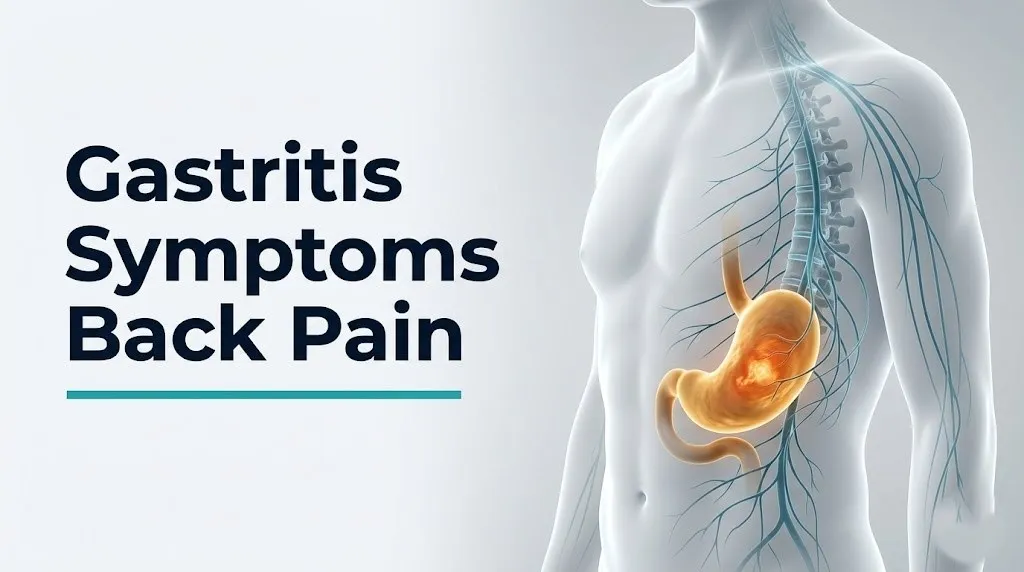
Gastritis symptoms back pain occurs through a specific and well-established nerve pathway: the inflamed stomach wall sends nociceptive signals through the celiac plexus and greater splanchnic nerve to the same spinal cord levels that receive pain signals from your mid-back, creating a pain experience that feels as if it originates in your back muscles even though the problem is in your stomach lining. Understanding this mechanism helps explain why stomach inflammation and back pain so frequently appear together, and it helps you distinguish gastritis-related back pain from the several other serious conditions that produce identical symptom combinations.
The National Institute of Diabetes and Digestive and Kidney Diseases (NIDDK) reports that gastritis is among the most prevalent digestive conditions in the United States, with Helicobacter pylori infection, the leading infectious cause, affecting approximately half of the global population. The condition is frequently mismanaged because its symptoms, including back pain, are often attributed to musculoskeletal problems rather than gastric inflammation.
This article covers every recognized gastritis symptom, explains the precise anatomical mechanism that links stomach inflammation to back pain, distinguishes gastritis from the serious conditions it mimics, and tells you exactly which symptom combinations require an emergency room visit rather than a scheduled appointment.
Gastritis Symptoms Back Pain: What Is Actually Happening
Gastritis symptoms back pain is the clinical presentation that occurs when gastritis, inflammation of the gastric mucosal lining, produces pain that is perceived not only in the upper abdomen but also in the upper or mid-back, through the mechanism of visceral referred pain.
The stomach is not a simple pain-sensing organ. Its wall contains sensory nerve endings that, when stimulated by inflammation, transmit pain signals through the autonomic nervous system rather than through the direct somatic sensory pathways that carry surface pain from the skin and muscles. These autonomic pain signals travel through a different highway than the pain you feel when you stub your toe or pull a muscle.
The result is that gastric pain is poorly localized. The brain cannot always identify precisely where visceral pain is coming from, so it maps the sensation to the region of the body wall whose somatic nerves share the same spinal cord entry level as the inflamed visceral organ. For the stomach, this shared entry level corresponds to the mid-thoracic back, producing the characteristic back pain component of gastritis.
Gastritis symptom overview at a glance:
| Symptom | Location | Typical Character | Urgency |
|---|---|---|---|
| Epigastric pain | Upper abdomen, below sternum | Burning, gnawing, cramping | Monitor to urgent |
| Referred back pain | Mid-to-upper back, T5-T9 level | Dull, deep ache, bilateral | Monitor to urgent |
| Nausea | Diffuse abdominal | Persistent or episodic | Monitor |
| Vomiting | Oral expulsion | May relieve pain temporarily | Urgent if blood present |
| Bloating | Diffuse abdominal | Pressure, fullness | Monitor |
| Hematemesis | Vomited blood | Bright red or coffee-ground | Emergency |
Older adults over 65 may experience gastritis with minimal or absent epigastric pain due to age-related decline in visceral sensory acuity, and their gastritis-related back pain may be the dominant presenting symptom rather than an accompanying one.
What Is Gastritis and Why Does It Cause Back Pain
Gastritis is inflammation of the gastric mucosa, the innermost cellular lining of the stomach, and it causes back pain through the same neuroanatomical mechanism that makes cardiac attacks produce left arm pain: both are forms of visceral referred pain, where an internal organ transmits nociceptive signals that the brain attributes to a remote body surface.
The gastric mucosa is a specialized epithelial layer containing several distinct cell types. Parietal cells in the fundus and body of the stomach produce hydrochloric acid (HCl) and intrinsic factor (essential for vitamin B12 absorption). Chief cells produce pepsinogen, which HCl activates to pepsin for protein digestion. Mucous neck cells produce a bicarbonate-rich mucus layer that normally coats the epithelial surface, preventing the HCl and pepsin from digesting the stomach wall itself.
When any cause (H. pylori, NSAIDs, alcohol, autoimmune attack, stress) disrupts this protective mucus layer or triggers inflammatory cell infiltration of the lamina propria, the gastric wall becomes inflamed. The sensory nerve endings embedded throughout the gastric wall and submucosa register this inflammation and transmit pain signals. Those pain signals travel backward along visceral afferent fibers through the celiac plexus to the sympathetic chain and up to the spinal cord, entering the central nervous system at specific thoracic levels.
According to the American College of Gastroenterology (ACG), gastritis encompasses a broad spectrum from superficial mucosal inflammation (acute gastritis) to progressive glandular loss with mucosal atrophy (chronic atrophic gastritis), and the clinical presentation, including the character and location of pain, often reflects the degree of mucosal involvement.
Patients taking corticosteroids alongside NSAIDs face compounded gastric mucosal injury risk. Corticosteroids reduce the gastric mucosal blood flow and mucus production that normally buffer NSAID-induced COX-1 inhibition, dramatically accelerating the development of erosive gastritis and ulceration.
Where Is Gastritis Back Pain Felt in the Body
Gastritis back pain is most consistently felt in the mid-to-upper back, typically between the shoulder blades and extending to the posterior thoracic region at approximately the T5 through T9 vertebral levels, rather than in the lower back where musculoskeletal strains most commonly produce pain.
The anatomical basis for this specific location is direct. The stomach is innervated by visceral afferent fibers that run with the greater splanchnic nerve (originating from T5-T9 thoracic sympathetic ganglia) and enter the spinal cord at T5 through T9 levels. The somatic sensory fibers from the back muscles, skin, and bone at these same thoracic levels also enter the spinal cord at T5-T9. When both types of fiber converge at the same dorsal horn interneurons, the brain receives a mixed signal and cannot reliably distinguish the gastric source from the back muscle source.
The pain tends to be bilateral and diffuse rather than sharp and localized. It typically feels like a deep, dull ache that sits in the mid-back rather than at the surface. It does not worsen with specific back movements, which is the key distinguishing feature from musculoskeletal back pain. Pressing on the paraspinal muscles at the same level does not reproduce or intensify the gastritis-related back pain, because the pain is not originating in those muscles.
Quick Tip:
- Press firmly on the paraspinal muscles alongside the thoracic spine at mid-back level: if pressing reproduces your back pain, a musculoskeletal cause is more likely; if pressing does not change the back pain while epigastric tenderness is present, a visceral referred source should be considered
- Note whether the back pain worsens after meals, which points toward a gastric source rather than a postural or mechanical back cause
- Women who are pregnant should be aware that uterine and ligamentous changes alter pain localization and may shift the perceived location of gastritis back pain lower than the typical mid-thoracic distribution
Patients with prior spinal surgery or pre-existing thoracic spondylosis may have a more complex pain picture in which gastritis referred pain overlaps with genuine structural spinal pain, making the differentiation more difficult and requiring evaluation by a physician familiar with both conditions.
Key Takeaway: Gastritis back pain lands in the mid-to-upper back at the T5-T9 level and does not worsen when you press on your back muscles or change position. If pressing on your paraspinal muscles reproduces the pain exactly, consider a musculoskeletal rather than a gastric source.
Why Does Gastritis Cause Back Pain: The Nerve Pathway Explained
Gastritis causes back pain through viscerosomatic convergence, a neuroscientific phenomenon in which visceral (organ-origin) nociceptive signals and somatic (body wall-origin) nociceptive signals converge on the same second-order neurons in the dorsal horn of the spinal cord, causing the brain to mislocalize the organ pain to the body wall.
The complete nerve pathway works as follows. When the gastric mucosa becomes inflamed, chemical mediators including prostaglandins of inflammation, substance P, bradykinin, and hydrogen ions activate visceral nociceptor endings in the gastric wall. These nociceptors are the peripheral terminals of visceral afferent C-fibers and A-delta fibers that travel alongside sympathetic efferent fibers in the greater splanchnic nerve. The greater splanchnic nerve arises from the T5 through T9 thoracic sympathetic ganglia and passes through the diaphragm to synapse in the celiac plexus (also called the solar plexus), a dense network of prevertebral autonomic ganglia located anterior to the aorta at approximately the T12-L1 vertebral level.
From the celiac plexus, postganglionic fibers relay visceral pain signals back up through the thoracic sympathetic chain to enter the spinal cord through the dorsal roots at T5-T9 levels. These signals synapse in the dorsal horn of the spinal cord at exactly the same levels where somatic afferent fibers from the mid-back skin, muscles, and intercostal nerves also synapse.
Think of this convergence like two different phone lines connecting to the same switchboard operator. The operator, representing the brain’s thalamic pain centers, receives calls from both lines (gastric and back) on the same circuit and cannot easily tell which line originated the call. The brain defaults to misinterpreting the gastric signal as coming from the back, because somatic (back muscle) pain is a far more frequent experience than visceral (gastric) pain, and the brain uses past experience to interpret sensory inputs.
According to research published in the American Journal of Gastroenterology, the degree of visceral referred pain in gastric conditions correlates with the degree of mucosal inflammation and the sensitization of visceral afferent nociceptors, meaning more severe gastritis typically produces more prominent back pain.
Patients with irritable bowel syndrome (IBS) or other conditions involving visceral hypersensitivity may experience more intense and more widespread gastritis back pain than patients with normal visceral sensory thresholds, because their central pain processing is already sensitized.
Epigastric Pain as a Gastritis Symptom
Epigastric pain is the most consistently present and diagnostically central symptom of gastritis, occurring in the epigastric region: the upper central abdomen between the lower end of the sternum (xiphoid process) and the navel, directly overlying the stomach.
The character of epigastric pain in gastritis is typically burning, gnawing, or cramping in quality. It is produced by the combination of gastric acid contacting the inflamed, denuded mucosal surface, activation of nociceptors in the gastric wall by inflammatory mediators including prostaglandins, bradykinin, and hydrogen ions, and in some cases by the direct mechanical distension of the stomach wall as gastric motility becomes disordered from mucosal inflammation.
The timing of epigastric pain relative to meals provides clinical information. Pain that worsens during or immediately after eating suggests gastric body or fundal involvement, where food contact with the inflamed mucosa aggravates symptoms. Pain that improves briefly after eating but returns 1 to 3 hours later suggests antral gastritis near the pyloric region, where food initially buffers acid but the acid secretory response to food subsequently overwhelms the buffer.
Empty-stomach epigastric pain that awakens the patient at night or in the early morning hours (between 1 and 3 a.m.) is more characteristic of duodenal ulcer than of uncomplicated gastritis, and this timing distinction is worth reporting to a physician because it changes the diagnostic priority.
The National Institute of Diabetes and Digestive and Kidney Diseases (NIDDK) states that epigastric pain lasting more than 2 weeks, or any epigastric pain accompanied by unintentional weight loss, should prompt evaluation by a primary care physician who can order upper endoscopy and H. pylori testing.
Individuals over 55 with new-onset epigastric pain should have upper endoscopy prioritized over empiric treatment, because new epigastric pain in this age group carries a higher likelihood of underlying gastric pathology including early gastric malignancy that must be ruled out before symptoms are attributed to uncomplicated gastritis.
Nausea, Vomiting, and Bloating as Gastritis Symptoms
Nausea, vomiting, and bloating are the three most consistently observed non-pain symptoms of gastritis, and each arises through a distinct physiological mechanism that explains its specific character and timing.
Nausea in gastritis is produced by multiple converging pathways. Inflammatory mediators including IL-1β and TNF-alpha from the inflamed gastric mucosa activate the chemoreceptor trigger zone (CTZ) in the area postrema of the brainstem, which lies outside the blood-brain barrier and can detect circulating chemical signals from inflamed tissue. Simultaneously, vagal afferent fibers from the inflamed gastric mucosa transmit signals directly to the nucleus tractus solitarius in the brainstem, activating the vomiting center. Gastric dysmotility from mucosal inflammation delays gastric emptying (gastroparesis pattern), allowing gastric contents to remain in the stomach longer than normal and perpetuating the nausea signal.
Vomiting in gastritis typically brings temporary relief of epigastric pain because expulsion of acidic gastric contents temporarily reduces the acid load on the inflamed mucosal surface. This distinguishing feature, that vomiting temporarily relieves pain, is clinically different from the vomiting of intestinal obstruction or pancreatitis, where vomiting does not relieve pain.
Bloating and early satiety arise from the gastroparesis-pattern motility disturbance. The inflamed stomach empties more slowly, so even small meals produce rapid fullness and gaseous distension of the gastric body.
According to the American College of Gastroenterology, persistent nausea lasting more than 7 days without a self-limiting cause (such as a viral gastroenteritis) warrants evaluation, and the combination of nausea with epigastric or back pain significantly raises the priority of that evaluation.
Pregnant women in the first trimester present a diagnostic challenge because gastritis symptoms, particularly nausea, vomiting, and epigastric discomfort, overlap substantially with normal pregnancy-related nausea (morning sickness) and hyperemesis gravidarum. A pregnant woman with these symptoms should discuss them with her obstetrician-gynecologist, who can determine whether a gastric evaluation is appropriate.
Upper Back Pain From Gastritis Versus Musculoskeletal Back Pain
Distinguishing upper back pain from gastritis versus upper back pain from musculoskeletal causes requires a systematic comparison of several clinical features, because the location of the pain alone is insufficient to differentiate them.
Gastritis-related upper back pain, as described in earlier sections, is a referred visceral pain. It has specific characteristics that distinguish it from paraspinal muscle strain, thoracic facet joint pain, or costovertebral joint irritation.
Key distinguishing features:
| Feature | Gastritis Back Pain | Musculoskeletal Back Pain |
|---|---|---|
| Location | Mid-thoracic, T5-T9, bilateral, diffuse | Often unilateral, localized to one area |
| Character | Deep ache, dull, pressure-like | Sharp, stabbing, or tight muscle ache |
| Effect of movement | Not significantly affected by back movement | Worsens with specific movements or positions |
| Palpation response | Not reproduced by pressing paraspinal muscles | Tenderness reproduced by palpation of affected muscle |
| Relationship to meals | Worsens or improves with eating | Completely unrelated to meals |
| Accompanying symptoms | Nausea, epigastric pain, bloating | None, or minor general discomfort |
| Effect of antacids | May partially reduce both back and stomach pain | No effect |
If taking an over-the-counter antacid partially reduces both the stomach discomfort and the back pain simultaneously, this response pattern points toward a gastric source for the back pain. If antacids have zero effect on the back pain while epigastric discomfort improves, a concurrent musculoskeletal cause may be contributing.
Patients with rheumatoid arthritis or ankylosing spondylitis who are taking long-term NSAID therapy for joint disease face both gastritis risk (from the NSAIDs) and genuine thoracic spine pain (from the inflammatory arthritis), making the differentiation between gastritis referred back pain and structural spinal back pain particularly difficult in this population.
Key Takeaway: If antacids reduce both your stomach discomfort and your back pain at the same time, the back pain is likely a gastritis-referred symptom. If antacids help your stomach but leave your back pain unchanged, a musculoskeletal or structural spinal cause deserves separate evaluation.
Gastritis Symptoms Back Pain in Women
Women experience gastritis symptoms with distinct features compared to the general population, and several gastritis subtypes disproportionately affect women in ways that produce a different clinical picture than the standard presentation.
Autoimmune gastritis (type A gastritis) affects women at substantially higher rates than men. It is mediated by antibodies against the H+/K+ ATPase proton pump located on parietal cells, destroying the parietal cell mass in the gastric fundus and body. As parietal cells are destroyed, both gastric acid production and intrinsic factor production decline. Reduced intrinsic factor impairs vitamin B12 absorption in the terminal ileum, producing pernicious anemia: a megaloblastic anemia accompanied by peripheral neuropathy, glossitis, and neurological symptoms including numbness and tingling in the extremities. Women with autoimmune gastritis may present with back pain, fatigue, and neurological symptoms from B12 deficiency alongside the gastric symptoms, creating a more complex clinical picture than H. pylori-driven gastritis.
Premenopausal women experience hormonal fluctuations that influence gastric motility and visceral pain sensitivity. Elevated progesterone in the luteal phase of the menstrual cycle slows gastric emptying, potentially worsening bloating and nausea from concurrent gastritis. Lower estrogen levels in the perimenopausal transition have been associated with increased visceral pain sensitivity in observational studies, which may explain why some women report that their gastritis symptoms worsen as they approach menopause.
According to the American College of Obstetricians and Gynecologists (ACOG), any woman experiencing persistent upper abdominal or back pain during pregnancy, particularly beyond the first trimester, should be evaluated for conditions beyond normal pregnancy symptoms, as the overlap between gastritis, cholecystitis, and preeclampsia-related upper quadrant pain requires clinical differentiation.
Young women with eating disorders, particularly anorexia nervosa with restrictive eating, have high rates of gastric mucosal atrophy and gastroparesis that can produce gastritis-like symptoms and back pain from the mucosal injury associated with chronic restriction.
Acute Gastritis Symptoms Versus Chronic Gastritis Symptoms
Acute and chronic gastritis produce recognizably different symptom patterns that reflect the different mechanisms, time courses, and degrees of mucosal involvement in each form.
Acute gastritis develops over hours to days. The mucosal injury is superficial but intense, typically from NSAID ingestion, heavy alcohol consumption, severe physiological stress (stress gastritis in ICU patients from reduced gastric mucosal blood flow), or acute H. pylori infection. The symptoms are abrupt and prominent: sudden severe epigastric pain, nausea, vomiting, and, if erosions develop, hematemesis (vomiting blood) or melena (black tarry stools from digested blood). Back pain tends to be more pronounced in acute gastritis because the sudden, intense mucosal inflammation generates a larger visceral nociceptive signal through the greater splanchnic nerve.
Chronic gastritis develops over months to years and is typically driven by persistent H. pylori infection or ongoing NSAID use. The mucosal changes progress from superficial inflammation to glandular atrophy and metaplasia in the most advanced cases. Chronic gastritis is frequently asymptomatic or produces only vague, intermittent discomfort. When symptoms are present, they tend to be milder and more variable: intermittent epigastric aching, occasional nausea after meals, and intermittent mild back discomfort.
Acute versus chronic gastritis symptom comparison:
| Feature | Acute Gastritis | Chronic Gastritis |
|---|---|---|
| Onset | Hours to days | Months to years |
| Pain intensity | Severe, prominent | Mild to moderate, intermittent |
| Back pain | Often prominent | Intermittent or absent |
| Nausea/vomiting | Frequent | Intermittent, often mild |
| Alarm symptoms | More likely (hematemesis) | Less common unless complicated |
| Spontaneous resolution | Often resolves if cause removed | Persists without treatment |
Critically ill patients in intensive care units receiving mechanical ventilation or experiencing major trauma have a high risk of developing stress gastritis (acute stress-related mucosal disease), an acute erosive gastritis from reduced mucosal blood flow under physiological stress. This population typically receives prophylactic proton pump inhibitor or H2 blocker therapy in most ICU protocols specifically to prevent this complication.
H. Pylori Gastritis Symptoms and Back Pain
Helicobacter pylori (H. pylori) is the most common infectious cause of chronic gastritis worldwide, and it produces a specific clinical picture that the reader needs to recognize because H. pylori-driven gastritis requires targeted antibiotic therapy rather than simple acid suppression.
H. pylori is a gram-negative spiral bacterium that colonizes the gastric antrum and body. It survives the acidic gastric environment by producing urease, an enzyme that splits urea into ammonia and CO2. The ammonia neutralizes acid immediately around the bacteria, creating a microenvironment suitable for survival. The bacterium’s CagA virulence factor (present in approximately 60 to 70% of H. pylori strains in Western populations) is injected into gastric epithelial cells through a type IV secretion system, disrupting cellular tight junctions and triggering IL-8 release, which recruits neutrophils and initiates the mucosal inflammatory cascade.
The clinical presentation of H. pylori gastritis is often subtle and intermittent. Most people with H. pylori infection have chronic gastritis on biopsy but no symptoms or only mild dyspepsia. When symptoms are present, they include a dull or gnawing epigastric ache, occasional nausea, bloating after meals, and in some patients, the mid-back referred pain pattern described earlier in this article.
According to research published in the New England Journal of Medicine, eradication of H. pylori infection with standard triple therapy (a proton pump inhibitor combined with two antibiotics, typically clarithromycin and amoxicillin or metronidazole) achieves symptom resolution and mucosal healing in a large proportion of patients with H. pylori-associated gastritis and peptic ulcer disease.
Children with H. pylori infection have a higher proportion of antral gastritis and may present with periumbilical rather than epigastric pain, making the clinical picture different from adult H. pylori gastritis. Children with recurrent abdominal pain and family members with confirmed H. pylori infection should be evaluated by a pediatric gastroenterologist.
Autoimmune Gastritis Symptoms and How They Differ
Autoimmune gastritis (type A gastritis) is an immune-mediated form of gastritis in which the body’s own immune system produces antibodies targeting the H+/K+ ATPase proton pump on parietal cells and, in many cases, intrinsic factor, producing a clinical presentation distinctly different from the H. pylori-driven or NSAID-driven forms.
The autoimmune attack destroys the parietal cell population in the gastric fundus and body over years to decades. As parietal cells are progressively lost, two consequences unfold simultaneously. First, gastric acid production falls precipitously, producing achlorhydria (absence of gastric acid). Second, intrinsic factor production declines, impairing vitamin B12 absorption in the terminal ileum and producing pernicious anemia: a severe megaloblastic anemia with characteristic neurological complications from B12 deficiency, including subacute combined degeneration of the spinal cord.
The back pain in autoimmune gastritis can have two distinct components. The visceral referred pain from gastric mucosal inflammation is the same mechanism described throughout this article. An additional and often underrecognized component is dorsal column neuropathy from B12 deficiency affecting the posterior funiculus of the spinal cord, which produces deep posterior spinal pain, burning sensations, and proprioceptive loss distinct from the anterior abdominal referred pattern.
According to the American Journal of Gastroenterology, autoimmune gastritis is frequently associated with other autoimmune conditions including thyroid disease (Hashimoto’s thyroiditis and Graves’ disease), type 1 diabetes mellitus, and vitiligo. A patient with autoimmune gastritis should be screened for these co-existing conditions.
Older women over 60 with pernicious anemia, autoimmune thyroid disease, and nonspecific back or spine symptoms should be evaluated for autoimmune gastritis with parietal cell antibody and intrinsic factor antibody testing, along with serum B12 levels, because this constellation often goes undiagnosed for years.
Key Takeaway: Back pain in autoimmune gastritis can come from two sources simultaneously: gastric referred pain through the splanchnic nerves, and spinal cord posterior column damage from B12 deficiency. Testing serum B12 levels in a patient with gastritis and back pain is a clinically important step that no competitor article mentions.
Gastritis Back Pain Versus Pancreatitis: Key Differences
Distinguishing gastritis back pain from the back pain of acute pancreatitis is one of the most clinically important differential diagnostic challenges for a person experiencing stomach pain and back pain simultaneously, because pancreatitis is a medical emergency and gastritis is not.
The pancreas is located in the retroperitoneum, behind the stomach, at approximately the L1-L2 vertebral level. When inflamed, it produces the same type of visceral referred back pain as the stomach, but through a different nerve pathway: pancreatic pain travels through the greater splanchnic nerve and lesser splanchnic nerve (T10-T11) and through the sympathetic celiac plexus, producing pain that tends to radiate from the epigastrium and periumbilical region through to the mid and upper back. The pain of pancreatitis is typically more intense and more constant than gastritis pain.
Key differences between gastritis and pancreatitis back pain:
| Feature | Gastritis | Acute Pancreatitis |
|---|---|---|
| Epigastric pain | Burning, gnawing, related to meals | Severe, constant, “boring” quality |
| Back pain character | Dull, deep, variable intensity | Severe, band-like from epigastrium to back |
| Pain relief with vomiting | Often temporary relief | Vomiting does not relieve pain |
| Leaning forward | No consistent effect | Leaning forward reduces pain (classic sign) |
| Serum lipase | Normal | Elevated, typically 3x upper normal limit |
| Fever | Absent or low-grade | Often present in severe pancreatitis |
| Most common cause | H. pylori, NSAIDs, alcohol | Gallstones, heavy alcohol use |
| Emergency status | Not usually an emergency | Often requires emergency evaluation |
If you are experiencing severe, constant epigastric and back pain that is NOT relieved by vomiting and worsens in the supine position but improves when leaning forward, pancreatitis must be considered and emergency evaluation should not be delayed.
Patients with heavy alcohol use are at risk for both alcoholic gastritis and alcoholic pancreatitis simultaneously, making clinical differentiation more complex and serum lipase measurement necessary to distinguish them.
Other Serious Conditions That Cause Stomach Pain and Back Pain Together
Several conditions beyond gastritis and pancreatitis produce the combination of stomach pain and back pain, and some of these are life-threatening emergencies that cannot be managed with antacids or watchful waiting.
Named serious conditions producing stomach and back pain:
- Perforated peptic ulcer: A full-thickness tear in the stomach or duodenal wall allows gastric acid and contents to enter the peritoneal cavity. The presentation is a sudden, severe, catastrophic abdominal pain often described as “the worst pain I have ever felt,” frequently accompanied by rigid board-like abdominal muscles (peritonism). Back pain accompanies from spillage of contents posteriorly or from intense peritoneal inflammation. This is a surgical emergency requiring immediate evaluation.
- Aortic aneurysm or aortic dissection: The descending aorta passes through the posterior abdominal cavity behind the stomach. An expanding or dissecting aortic aneurysm produces severe tearing or ripping back pain radiating to the abdomen, typically not related to meals, and often associated with a pulsatile abdominal mass on examination. This is a vascular emergency with high mortality if not treated within hours.
- Acute cholecystitis: Gallbladder inflammation produces right upper quadrant pain that frequently radiates to the right shoulder blade (referred via the phrenic nerve at C3-C5 and celiac plexus) and to the right back. Unlike gastritis back pain, cholecystitis-related back pain is typically right-sided rather than bilateral or central.
- Renal calculi (kidney stones): Stones in the upper ureter or renal pelvis produce severe flank pain that wraps anteriorly to the lower abdomen. Upper ureteral or renal pelvic stones may produce flank-to-flank or back-to-flank pain with associated nausea and vomiting that mimics gastric disease.
According to the Mayo Clinic, any sudden severe abdominal and back pain, particularly when accompanied by fever, vomiting that does not relieve the pain, or a rigid abdomen, represents a medical emergency requiring immediate evaluation and should not be self-treated.
Older adults with poorly controlled hypertension and abdominal aortic aneurysm (AAA) risk factors, particularly men over 65 with a smoking history, face a specific and elevated risk of AAA presenting as sudden severe back pain. Any man in this risk profile with new severe back and abdominal pain should be treated as a vascular emergency until proven otherwise.
Red Flag Symptoms When Gastritis Back Pain Requires Emergency Care
Certain combinations of gastritis symptoms and back pain indicate that the underlying cause may not be gastritis at all, or that gastritis has produced a serious complication, and these combinations require immediate emergency evaluation rather than self-management.
Red flag symptoms that should prompt immediate action:
- Sudden, severe abdominal and back pain rated 8 or higher on a 10-point scale that developed rapidly (within minutes): possible pancreatitis, peptic ulcer perforation, or aortic emergency
- Vomiting blood (hematemesis): bright red blood or coffee-ground material indicates upper GI bleeding from gastric erosions, ulceration, or varices
- Black, tarry, foul-smelling stools (melena): indicates upper GI bleeding from above the ligament of Treitz
- Rigid or board-like abdominal muscles when the abdomen is gently pressed: indicates peritonitis from perforation
- Tearing or ripping quality back pain not associated with meals or movement: possible aortic dissection or aneurysm
- Pain that does not improve with any position, particularly severe pain that is constant and unrelenting
- Severe pain with fever above 101°F (38.3°C) and chills: indicates systemic infection or peritonitis
- Signs of shock: rapid heart rate (above 100 beats per minute), dizziness, lightheadedness, pale or sweaty skin (diaphoresis)
- Progressive severe pain after a period of sudden relief (the “relief then return” pattern of perforation, where initial air pain releases then peritonitis develops)
Emergency Symptoms: When to Call 911 or Go to the ER
Certain gastritis-related and gastritis-mimicking symptoms require immediate emergency evaluation. Do not wait to see if these resolve on their own.
Call 911 or go to the nearest emergency room immediately if you experience:
- Vomiting blood or material that looks like coffee grounds: Indicates upper gastrointestinal bleeding from gastric erosions, ulcer, or esophageal varices, all of which can progress to life-threatening hemorrhage.
- Black, tarry stools: Indicates significant upper GI bleeding that has been digested in transit, requiring emergency endoscopy evaluation.
- Sudden severe abdominal and back pain that develops rapidly: Possible acute pancreatitis, perforated peptic ulcer, or aortic emergency requiring imaging and surgical evaluation.
- Rigid, board-like abdomen: Peritonism from peritonitis indicates a surgical emergency that cannot wait.
- Tearing or ripping quality back pain: Possible aortic dissection or expanding aortic aneurysm, a vascular emergency with narrow survival window.
- Severe pain with fever above 101°F, rapid heart rate, and pale or sweaty skin: Sepsis or severe hemorrhage requiring emergency stabilization.
- Dizziness or lightheadedness combined with abdominal and back pain: Signs of hemodynamic compromise from internal bleeding or severe dehydration.
Call 911 immediately if you cannot safely transport yourself, if you are losing consciousness, or if a companion notices you becoming confused or pale with severe pain. These presentations can indicate perforated peptic ulcer, acute pancreatitis, upper GI hemorrhage, or aortic emergency, none of which are managed with an urgent care visit or a phone consultation.
How a Physician Diagnoses Gastritis When Back Pain Is Present
When a patient presents with both stomach symptoms and back pain, a physician follows a structured diagnostic process to determine whether gastritis is the cause of both components, or whether a second condition is producing the back pain independently.
The diagnostic process typically unfolds as follows:
- Clinical history: The physician asks about the timing, character, location, and severity of both the stomach and back pain; whether the back pain coincides with and matches the stomach pain in timing and meal relationship; what medications the patient takes (particularly NSAIDs, aspirin, or corticosteroids); alcohol use; any prior ulcer disease; family history of gastric cancer or H. pylori; and whether any alarm symptoms are present.
- Physical examination: The abdomen is palpated for epigastric tenderness, peritonism (rigidity and rebound tenderness), and organomegaly. The back is palpated at the paraspinal muscles at T5-T9 to assess whether pressing reproduces or does not affect the back pain. Vital signs are checked for tachycardia, hypotension, or fever.
- Blood tests: A complete blood count (CBC) checks for anemia from GI bleeding or B12 deficiency. Serum lipase is tested to rule out pancreatitis. Liver function tests assess for gallbladder disease. Serum B12 may be tested if autoimmune gastritis is suspected.
- H. pylori testing: Options include the H. pylori urea breath test (non-invasive, highly accurate, requires stopping PPIs for 2 weeks prior), the stool antigen test (non-invasive, highly accurate, also requires stopping PPIs), and serum H. pylori IgG antibody (less accurate, does not distinguish current from past infection).
- Esophagogastroduodenoscopy (EGD) with biopsy: The gold standard for gastritis diagnosis. Direct visualization of the gastric mucosa allows characterization of mucosal changes, and biopsy specimens confirm the type and degree of inflammation histologically.
- Abdominal imaging: CT scan of the abdomen is ordered when back pain is severe, when pancreatitis or perforation is possible, or when alarm symptoms are present. Abdominal ultrasound evaluates the gallbladder and biliary system.
A board-certified gastroenterologist should be involved in the management of gastritis with back pain when alarm symptoms are present, when H. pylori eradication has failed, when symptoms persist despite appropriate treatment, or when upper endoscopy reveals erosive, atrophic, or complicated gastritis.
What to Tell Your Doctor About Gastritis Symptoms and Back Pain
Describing your symptoms precisely and completely to a physician at the first appointment is the most practical step you can take to accelerate accurate diagnosis and appropriate treatment.
To communicate your gastritis and back pain symptoms effectively:
- Describe the back pain location specifically: State whether it is in the upper back (between the shoulder blades), mid-back (at the level of the lower rib cage), or lower back. State whether it is bilateral (both sides) or unilateral (one side). Bilateral mid-to-upper back pain with concurrent epigastric discomfort points toward gastric referred pain.
- Establish the meal relationship for both pains: Note whether both the stomach and back pain worsen after eating, between meals on an empty stomach, or have no clear meal relationship. The same meal-pain timing for both components supports a common gastric origin.
- Document medications accurately and completely: List every NSAID, aspirin, corticosteroid, and anticoagulant you take, including doses and duration. These have direct implications for gastric mucosal injury risk and for interpreting H. pylori test results.
- Report any alarm symptom immediately, even if embarrassing: Black stools, blood in vomit, weight loss you did not intend, and swallowing difficulty must be stated explicitly regardless of discomfort. These change the urgency of the evaluation.
- Quantify your alcohol consumption accurately: Clinicians ask not to judge but because alcohol is a direct gastric mucosal irritant and a major risk factor for both gastritis and pancreatitis, and underreporting leads to missed diagnoses.
- Describe the back pain response to antacids: If taking an antacid reduced both your stomach discomfort and your back pain simultaneously, tell your physician this specific detail. It is a functionally useful clinical observation that supports a gastric source for the back pain.
Bring a written list of all supplements and over-the-counter medications in addition to prescription drugs, because iron supplements, potassium supplements, and bisphosphonates can all independently irritate the gastric mucosa and need to be disclosed.
Frequently Asked Questions About Gastritis Symptoms and Back Pain
Can gastritis cause back pain?
Gastritis can cause back pain through a mechanism called viscerosomatic convergence, where visceral nociceptive signals from the inflamed gastric mucosa travel via the greater splanchnic nerve and celiac plexus to the same thoracic spinal cord levels (T5-T9) that receive somatic pain signals from the mid-back.
The brain receives these converging signals at the same spinal level and often interprets gastric inflammation as back pain, producing a mid-to-upper back ache that accompanies the epigastric symptoms of gastritis.
This referred back pain from gastritis is a genuine and recognized clinical phenomenon, not a coincidence, and it typically resolves when the underlying gastric inflammation is treated.
Where exactly does gastritis back pain feel in your body?
Gastritis back pain is most consistently felt in the mid-to-upper back at approximately the T5 through T9 vertebral levels, which corresponds to the area between and below the shoulder blades extending toward the mid-thoracic spine.
The pain is typically bilateral and diffuse rather than sharply localized to one side, feels like a deep ache rather than a surface muscle pain, and does not worsen when you press on the paraspinal muscles or change your back position.
Pain that is localized to one side of the flank, particularly the right side, or that wraps around from the back toward the groin, is more consistent with kidney or gallbladder causes than with gastritis.
How do I know if my stomach and back pain is gastritis or pancreatitis?
Pancreatitis typically produces severe, constant, boring epigastric-to-back pain that does not improve with vomiting, worsens when lying flat, and partially improves when leaning forward, while gastritis pain is usually less severe, related to meals, and often temporarily relieved by vomiting.
The most reliable clinical distinction between the two requires a serum lipase measurement, which is elevated to three or more times the upper limit of normal in acute pancreatitis but remains normal in uncomplicated gastritis.
Any severe, constant stomach and back pain that does not improve within 1 to 2 hours warrants emergency evaluation rather than home monitoring, because pancreatitis can progress rapidly and requires medical management.
What are the red flag symptoms that mean gastritis back pain is an emergency?
Red flag symptoms requiring emergency evaluation include vomiting blood or coffee-ground material, black tarry stools, sudden severe abdominal and back pain that develops in minutes, a rigid board-like abdomen, tearing or ripping back pain, and signs of shock including rapid heart rate, dizziness, and cold sweaty skin.
These symptoms indicate upper gastrointestinal bleeding, peptic ulcer perforation, acute pancreatitis, or aortic emergency, all of which are life-threatening and cannot be managed at home or in an urgent care setting.
Call 911 immediately if you cannot transport yourself safely or if you are experiencing any combination of severe pain, vomiting blood, or hemodynamic instability.
Do women get gastritis symptoms differently than men?
Women are disproportionately affected by autoimmune gastritis (type A gastritis), which targets parietal cells and produces a distinct clinical picture including pernicious anemia, B12 deficiency neuropathy, and symptoms of B12-related back and spinal cord pain in addition to the typical gastric symptoms.
Hormonal fluctuations in premenopausal women can amplify visceral pain sensitivity and worsen gastric motility, making nausea and bloating more prominent symptoms in women than in men with equivalent mucosal inflammation.
Pregnant women face a particular diagnostic challenge because gastritis symptoms overlap with hyperemesis gravidarum, and any persistent stomach or back pain in pregnancy should be discussed with an obstetrician-gynecologist to ensure appropriate evaluation.
How long does gastritis back pain last?
The duration of gastritis back pain depends entirely on the underlying cause and whether it is treated: acute gastritis from NSAIDs or alcohol typically resolves within days to weeks of removing the offending agent, while gastritis back pain from H. pylori infection continues until the bacteria are eradicated with appropriate antibiotic therapy.
Chronic gastritis-related back pain from autoimmune gastritis or persistent H. pylori infection may continue for months to years without targeted treatment and can return even after symptom-free periods if the underlying mucosal inflammation is not resolved.
Any gastritis-related back pain persisting for more than 2 to 3 weeks, or any back pain that is worsening rather than stable, warrants evaluation by a primary care physician who can order H. pylori testing and determine whether upper endoscopy is appropriate.
Putting It All Together
The back pain component of gastritis is not a mystery or a coincidence. It follows a specific anatomical pathway that explains exactly why gastric inflammation can produce pain felt in the mid-thoracic back rather than only in the abdomen. Once you understand that the greater splanchnic nerve and celiac plexus transmit gastric nociception to the same spinal levels as your mid-back somatic nerves, the symptom makes complete clinical sense.
If your stomach and back pain is mild, meal-related, partially relieved by antacids, and not accompanied by any of the red flag symptoms described in this article, schedule an appointment with your primary care physician within the next few days. Ask specifically about H. pylori testing and whether upper endoscopy is appropriate based on your age and symptom duration.
Any sudden severe pain, vomiting blood, black stools, or a rigid abdomen warrants an emergency room visit without delay. The conditions that can produce a gastritis-like symptom combination at emergency severity are genuinely dangerous, and the window for effective treatment narrows rapidly when these conditions are present.