Pre Heart Attack Symptoms Male: Early Warning Signs 2026
Pre heart attack symptoms in men most often include chest pressure or tightness, pain radiating to the left arm or jaw, unexplained shortness of breath, cold sweating, and sudden fatigue occurring without clear physical cause. These warning signs can appear minutes before a heart attack or days in advance, and recognizing them quickly is what separates a survivable event from a fatal one.
According to the American Heart Association, coronary heart disease remains the leading cause of death among men in the United States, claiming more than 350,000 male lives annually. Men experience their first myocardial infarction on average 7 to 10 years earlier than women, with risk rising sharply after age 45. That statistical reality makes recognizing the warning pattern early the single most actionable piece of cardiovascular knowledge a man can have.
This article explains each pre-heart attack symptom with the specific physiological mechanism behind it, covers the prodromal warning phase that can start days before the acute event, addresses how age and diabetes alter the presentation, and gives you clear, direct guidance on when to call 911 without hesitation.
Pre Heart Attack Symptoms Male: The Clinical Overview
Pre heart attack symptoms in men refer to the warning signals produced by reduced blood flow through the coronary arteries before the myocardial tissue sustains permanent injury. The underlying process is atherosclerosis: the buildup of cholesterol-rich plaque inside the coronary arterial walls, which narrows the vessel lumen and reduces oxygen delivery to cardiomyocytes (the muscle cells of the heart).
When a plaque becomes unstable, its fibrous cap can rupture. Platelets rush to the rupture site and begin forming a clot through thrombus formation. This clot can partially or fully block coronary blood flow. The ischemic cardiomyocytes respond immediately by releasing adenosine, bradykinin, and potassium ions. These chemicals activate visceral afferent pain receptors in the heart’s nerve supply, generating the warning signals the nervous system interprets as chest pressure, arm pain, or jaw discomfort.
The reason symptoms appear before the heart attack itself is that coronary ischemia (inadequate oxygen supply to heart muscle) often precedes full occlusion. Partial blockages can produce intermittent symptoms that resolve when blood flow partially restores, which is why some men dismiss the warnings as indigestion or muscle soreness.
Key clinical fact: The National Heart Lung and Blood Institute states that heart disease is responsible for one in four male deaths in the United States every year, and most of those deaths involve a delay between symptom onset and emergency care.
- Coronary artery disease process: plaque builds over years, symptoms appear when blood flow is critically reduced
- Plaque rupture triggers clot formation, which can block the artery acutely
- Adenosine and bradykinin from ischemic cardiomyocytes activate referred pain pathways
- Many pre-attack symptoms are intermittent and easily dismissed as non-cardiac
- Prompt recognition of the pattern changes survival outcomes measurably
How Heart Attack Warning Signs Differ in Men vs. Women
Men are significantly more likely than women to experience the so-called “classic” heart attack presentation: crushing chest pressure, left arm radiation, and diaphoresis. Women are more likely to present with nausea, jaw pain, fatigue, and back discomfort as primary symptoms without prominent chest involvement. This difference has a specific physiological basis.
Men’s coronary artery disease tends to produce focal, obstructive plaques in large epicardial coronary vessels, particularly the left anterior descending (LAD) artery. When the LAD is compromised, the ischemia involves a large region of the left ventricular anterior wall, generating intense visceral pain signals that travel predictably along the C8 through T4 dermatomes. This dermatome distribution maps directly onto the chest, left shoulder, left arm, and jaw, which is why these locations dominate the male presentation.
Women more often develop coronary microvascular disease, affecting smaller vessels throughout the heart rather than one large artery. This produces more diffuse, less clearly localized ischemia and explains why women’s symptoms are more varied and harder to localize.
Research published in JAMA Cardiology has confirmed that men are more likely to receive faster emergency evaluation because their presentation more closely matches the pattern that emergency physicians are trained to recognize. This is not an advantage to take for granted. Atypical symptoms still occur in a meaningful proportion of men, and assuming chest pain must be present before calling for help has cost lives.
| Feature | Male-Pattern Presentation | Female-Pattern Presentation |
|---|---|---|
| Primary vessel affected | Large epicardial artery (LAD, RCA) | Coronary microvasculature |
| Dominant symptom | Chest pressure, arm pain | Fatigue, jaw pain, nausea |
| Symptom localization | Clearly localized chest/left arm | Diffuse, harder to localize |
| Time to emergency care | Typically faster (pattern recognized) | Often delayed |
| Age of first MI | Average mid-50s | Average early-to-mid 60s |
Men with type 2 diabetes mellitus or a history of significant alcohol use disorder may present more like the atypical female pattern due to autonomic nerve damage, regardless of their sex.
Classic Heart Attack Symptoms in Men
The classic pre heart attack symptom pattern in men centers on chest pressure, left arm pain, and diaphoresis, occurring together or in sequence, often with accompanying shortness of breath. This constellation reflects the specific pathway by which LAD or right coronary artery ischemia activates the sympathetic cardiac nerve plexus.
These symptoms are well-established by decades of prospective clinical research, including data from the Framingham Heart Study, which tracked cardiovascular events in a large population over multiple generations and defined the foundational epidemiological profile of coronary artery disease presentation.
The term “classic” does not mean “mild” or “easy to identify.” Many men report that the pressure felt like “someone sitting on my chest” or “a tight band around my ribcage,” not a sharp stabbing pain. The distinction between sharp and pressure-like pain matters clinically: sharp stabbing chest pain is less likely to indicate myocardial ischemia and more often reflects musculoskeletal or pleuritic causes. Pressure, squeezing, or heaviness warrants immediate concern.
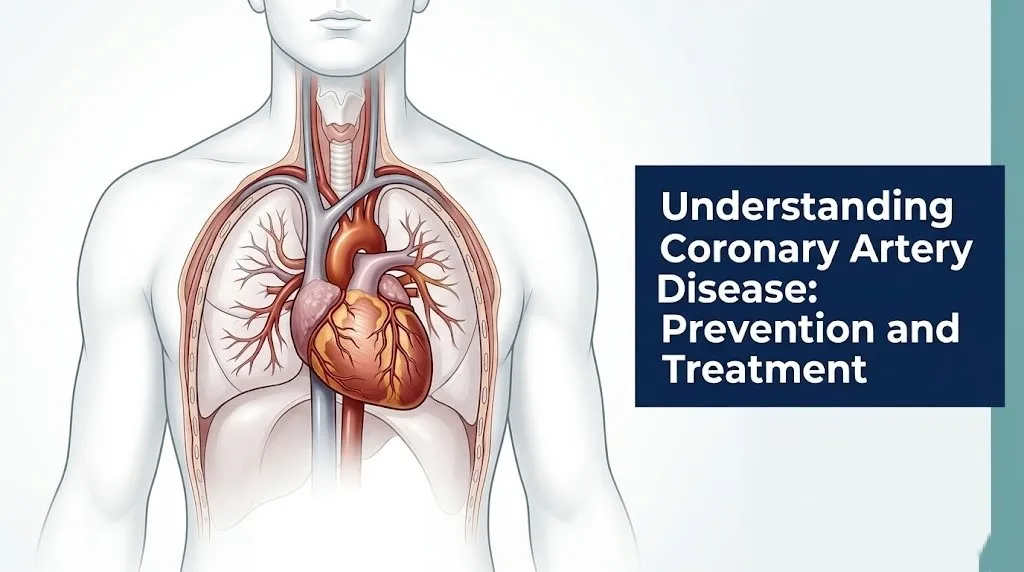
Classic pre-heart attack symptoms in men, in order of clinical frequency:
- Chest pressure, tightness, heaviness, or squeezing (most common, approximately 70 to 80% of men with MI per AHA data)
- Left arm aching, heaviness, or numbness
- Shortness of breath at rest or with minimal exertion
- Cold sweating or diaphoresis unrelated to heat or physical activity
- Nausea or stomach discomfort
- Jaw, neck, or shoulder ache
- Lightheadedness or sudden near-fainting
Men over 75 years old may present with fewer classic symptoms than men in their 50s. Older age can blunt pain perception through sensory nerve changes, making the non-pain symptoms (shortness of breath, sudden weakness, or confusion) more prominent than chest discomfort.
Key Takeaway: The classic male heart attack presentation is chest pressure (not sharp pain) combined with left arm heaviness or jaw aching, often accompanied by cold sweating, and this pattern can appear minutes to days before the full cardiac event.
Chest Pain and Pressure Before a Heart Attack
Chest pressure before a heart attack is produced when ischemic cardiomyocytes release adenosine and bradykinin into the interstitial space of the myocardium, activating visceral afferent nociceptors in the cardiac nerve supply. These signals travel through the sympathetic cardiac nerves, entering the spinal cord at thoracic levels T1 through T5. The brain interprets these signals using the same central processing circuits it uses for somatic pain from the chest wall, which is why the sensation feels like it is originating from the chest even though it is generated in the heart muscle.
The character of the pressure matters. Myocardial ischemia produces a pressure, squeezing, or constricting sensation rather than a sharp, stabbing one because visceral nociception from hollow or muscular organs generates diffuse, poorly localized pain rather than the sharp point-specific pain of skin or musculoskeletal injury. Think of the difference between stubbing a toe (sharp, precise, localized) and a severe stomach cramp (deep, diffuse, pressure-like). Heart ischemia produces the latter quality, not the former.
According to the ACC/AHA 2023 Guidelines on the Evaluation and Diagnosis of Chest Pain, pressure-type chest discomfort that worsens with exertion and improves with rest is classified as typical anginal pain and carries a high prior probability of coronary artery disease in men over 45.
Quick Tip:
- Chest pressure that comes on during physical exertion and eases with rest is called stable angina and warrants a non-emergency appointment with a cardiologist but requires evaluation within days, not weeks
- Chest pressure that occurs at rest, worsens unpredictably, or lasts longer than 15 minutes is classified as unstable angina and requires emergency evaluation
- Men taking phosphodiesterase-5 inhibitors (a class of medications for erectile dysfunction) may have masked or altered blood pressure responses during cardiac events; this medication history is important to disclose to emergency responders
Left Arm and Shoulder Pain as a Heart Attack Warning Sign
Left arm and shoulder pain during a cardiac event is produced by referred pain traveling along the C8 and T1 dermatomes, which share spinal cord processing with the sensory pathways from the heart’s sympathetic nerve supply. This is one of the clearest examples of referred pain in clinical medicine.
The mechanism works like a crossed wire in an electrical panel. The dorsal horn neurons in the spinal cord at levels C8 through T1 receive sensory signals from both the cardiac nerve plexus and the somatic nerves of the left arm and shoulder. When the cardiac signal arrives during ischemia, the brain cannot reliably distinguish its true origin from the somatic signals it usually receives from that spinal level. It assigns the pain to the arm and shoulder because those regions are what it normally maps to those spinal segments.
Left arm pain in this context tends to be described as a dull ache, heaviness, or numbness rather than a sharp pain. It typically starts in the inner forearm or upper arm and may extend to the wrist or hand. Some men notice that their hand feels weak or that they cannot grip objects normally during an ischemic episode.
A 2021 analysis published in Circulation confirmed that arm pain occurring alongside chest pressure increases the positive predictive value for acute coronary syndrome substantially compared with either symptom alone.
| Arm Pain Characteristic | More Likely Cardiac | Less Likely Cardiac |
|---|---|---|
| Quality | Dull ache, heaviness, numbness | Sharp, stabbing, point-specific |
| Location | Inner upper arm, radiating down | Localized to joint, reproducible with touch |
| Onset | Sudden, with or without chest pressure | Gradual, associated with movement |
| Associated symptoms | Chest pressure, sweating, shortness of breath | Tenderness on palpation, worsens with specific movements |
| Side | Left-sided predominance | Either side, more likely right if musculoskeletal |
Men with pre-existing rotator cuff tendinopathy or cervical spine disc disease should be especially careful not to attribute left arm pain automatically to their known musculoskeletal condition. When arm pain presents with any of the associated cardiac symptoms in the table above, treat it as cardiac until proven otherwise.
Jaw, Neck, and Back Pain Before a Heart Attack
Jaw pain and neck pain as pre heart attack symptoms in men occur through the same dermatome referral mechanism, with the pain signal traveling along the vagus nerve and the upper cervical dermatomes (C3 and C4) from the cardiac plexus to the jaw and neck. The phrenic nerve, which runs from C3 through C5 and supplies the diaphragm, can also carry referred pain signals to the shoulder and lower neck when the diaphragmatic surface of the heart is ischemic.
Jaw pain from cardiac ischemia is often described as a dull, aching pressure in the lower jaw or teeth, sometimes mistaken for a dental problem or temporomandibular joint (TMJ) pain. It typically affects both sides of the jaw or the lower jaw rather than a specific tooth, and it does not respond to jaw movement or change with chewing. That pattern is distinctly different from dental pain, which is typically localized and reproducible with pressure on a specific tooth.
Back pain, particularly between the shoulder blades or in the interscapular region, can occur when ischemia involves the posterior (inferior) wall of the left ventricle, typically supplied by the right coronary artery (RCA). Inferior wall ischemia produces pain referred to the back through the thoracic sympathetic nerve pathways at T5 through T9. Men with inferior MI frequently report mid-back discomfort as a prominent or even primary symptom.
According to a review published in Annals of Internal Medicine, interscapular back pain combined with diaphoresis and nausea has a significantly higher likelihood ratio for acute myocardial infarction than back pain alone.
Men who already carry diagnoses of cervical spine disc disease or chronic jaw pain disorders face a particular diagnostic challenge: their pre-existing pain conditions can create “background noise” that makes new cardiac-origin pain harder to distinguish. If jaw, neck, or back pain presents with any intensity or character change alongside other systemic symptoms, the threshold for calling 911 should be low.
Key Takeaway: Jaw pain from a cardiac source feels like diffuse bilateral jaw pressure with no dental cause, neck pain from cardiac ischemia tends to be deep and aching rather than positional, and back pain between the shoulder blades alongside sweating and nausea points toward inferior myocardial ischemia and needs emergency evaluation.
Shortness of Breath as a Pre Heart Attack Symptom
Shortness of breath before a heart attack in men reflects the heart’s reduced ability to pump blood forward efficiently when a segment of myocardium is ischemic, leading to increased filling pressure in the left ventricle and downstream back-pressure into the pulmonary vasculature. The lungs begin to stiffen slightly as fluid pressure increases in the pulmonary capillaries, and the sensation of breathlessness arises because the respiratory center in the brain stem detects increased respiratory effort needed to ventilate stiffening lung tissue.
This type of breathlessness occurs at rest or with minimal exertion and differs from exercise-induced breathlessness in healthy men by its disproportionality. A man who walks up a flight of stairs he climbs every day and suddenly finds himself significantly more breathless than usual, without having a respiratory illness, should treat this as a potential cardiac warning sign rather than a fitness observation.
The National Heart Lung and Blood Institute identifies dyspnea at rest as one of the warning signs of heart attack that most commonly occurs without chest pain, particularly in men with diabetes, older men over age 70, and men with prior heart failure.
Quick Tip:
- Breathlessness at rest lasting more than a few minutes, particularly alongside any other warning symptom, warrants calling 911 rather than waiting
- Breathlessness that wakes a man from sleep (a clinical pattern called paroxysmal nocturnal dyspnea) can indicate early heart failure and requires same-day evaluation by a primary care physician or cardiologist
- Men with asthma or chronic obstructive pulmonary disease (COPD) must take particular care not to assume new breathlessness is caused by their known respiratory condition, as these conditions can co-exist with cardiac ischemia
Fatigue and Weakness Before a Heart Attack in Men
Unusual fatigue before a heart attack in men is generated when the ischemic myocardium reduces cardiac output, lowering the volume of oxygenated blood reaching skeletal muscles and the brain. The body responds to this reduced perfusion by activating the sympathetic nervous system, releasing epinephrine and norepinephrine from the adrenal medulla, which accelerates heart rate to compensate. This compensatory tachycardia creates its own metabolic demand, which contributes to the experience of exhaustion even without physical activity.
The fatigue associated with pre-heart attack ischemia has a specific quality that distinguishes it from ordinary tiredness. It tends to be disproportionate to recent activity, often described as a sudden heaviness or inability to perform routine tasks that felt easy the day before. Men sometimes describe it as feeling “like someone turned the lights down.”
This symptom is frequently dismissed by men because it lacks the dramatic quality of chest pain. Research published in Circulation found that among men who survived myocardial infarction, a substantial proportion reported significant unexplained fatigue in the days or week preceding the event and had not recognized it as a warning sign.
- Sudden unexplained fatigue lasting hours with no clear cause (poor sleep, illness, overexertion)
- Weakness in the arms or legs disproportionate to activity
- Feeling mentally foggy or unable to concentrate alongside physical tiredness
- Fatigue that worsens when lying flat and improves when sitting upright (suggests early pulmonary congestion)
Men with metabolic syndrome (a combination of abdominal obesity, elevated triglycerides, low HDL cholesterol, hypertension, and elevated fasting glucose) are at elevated risk for coronary artery disease and may attribute new cardiac fatigue to their general deconditioning, delaying recognition. Any fatigue in a man with metabolic syndrome that presents with even mild associated symptoms should prompt a lower threshold for seeking evaluation.
Nausea, Dizziness, and Cold Sweat Before a Heart Attack
Nausea, dizziness, and diaphoresis (cold sweating) before a heart attack are produced by autonomic nervous system activation, specifically the simultaneous engagement of both the sympathetic and parasympathetic (vagal) branches during myocardial ischemia.
The sympathetic activation releases epinephrine from the adrenal medulla, causing peripheral vasoconstriction (which directs blood toward the heart and brain), tachycardia, and profuse sweating through activation of eccrine sweat glands across the skin. This sweat is cold rather than warm because the peripheral skin vessels are simultaneously constricted, reducing skin surface temperature even as the sweat glands activate.
The vagal (parasympathetic) component is activated particularly during inferior myocardial ischemia, when ischemia involves the posterior heart wall near the origin of the vagus nerve’s cardiac branches. Vagal activation slows heart rate (bradycardia), reduces blood pressure, and stimulates the gastric and gastrointestinal tract, generating nausea and sometimes vomiting. Dizziness results from the combination of bradycardia and hypotension reducing cerebral perfusion pressure.
According to data from the Centers for Disease Control and Prevention, nausea and dizziness without chest pain account for a meaningful proportion of missed or delayed heart attack diagnoses, particularly in men who initially present to urgent care settings rather than emergency departments.
| Symptom | Mechanism | What It Indicates |
|---|---|---|
| Cold sweating | Sympathetic epinephrine release, peripheral vasoconstriction | Significant cardiovascular stress |
| Nausea | Vagal (parasympathetic) activation, inferior ischemia | Inferior wall involvement common |
| Dizziness | Bradycardia plus hypotension reducing cerebral flow | Autonomic instability during ischemia |
| Pallor | Peripheral vasoconstriction, blood redistribution | Sympathetic activation, reduced cardiac output |
Men who have taken nitroglycerin or certain blood pressure medications (particularly beta-blockers or calcium channel blockers) may have blunted sympathetic responses during ischemia, making the diaphoresis and tachycardia less prominent. The nausea and dizziness may be the more prominent warning signs in these men.
Key Takeaway: Cold sweating during cardiac ischemia is not the sweating of exertion or fever; it is a specific cold, clammy sweat produced by adrenaline and vasoconstriction, and its presence alongside any other cardiac warning sign is a reason to call 911 immediately.
Prodromal Symptoms: Warning Signs Days or Weeks Before a Heart Attack
Prodromal pre heart attack symptoms in men refer to warning signals that appear in the days or weeks before the acute myocardial infarction, often during periods when coronary artery blood flow is intermittently reduced but has not yet caused permanent myocardial damage. This phase is clinically important because it represents a window during which emergency intervention can prevent the heart attack entirely.
A landmark study published in Circulation found that approximately 50% of men who experienced a myocardial infarction had prodromal symptoms in the preceding 24 to 48 hours, and a notable proportion reported milder versions of the same symptoms over several days to a week prior. The most common prodromal symptoms in men were exertional chest discomfort that resolved with rest, unusual fatigue, and a vague sense that something was “not right.”
These early symptoms occur because coronary plaque instability develops progressively. A plaque may partially rupture and reform a smaller clot, causing transient ischemia (temporary reduction in blood flow) that produces symptoms for several minutes before the clot partially dissolves or the vessel spasms and then relaxes. Each of these episodes is a warning that the plaque is likely to rupture completely.
Prodromal symptoms to watch for in the days to weeks before a potential heart attack:
- Chest discomfort during activities that previously caused no symptoms (walking uphill, climbing stairs, carrying groceries)
- Discomfort or fatigue that appears earlier in physical activity than it used to
- New aching or heaviness in the left arm, jaw, or shoulder that was not present before
- Episodes of unexplained breathlessness during routine daily activity
- Disrupted sleep due to chest discomfort or breathing difficulty
- A vague persistent unease or sense of physical “wrongness” that the man cannot clearly attribute to a known cause
Men who experience new exertional chest discomfort that was not present two weeks ago should contact their primary care physician or a cardiologist within 24 to 48 hours, not defer the call for weeks. This is not a “wait and see” symptom pattern.
Silent Heart Attack Symptoms in Men
A silent myocardial infarction is a heart attack that occurs with no recognizable symptoms or with symptoms so mild and atypical that the man does not realize a cardiac event has taken place. According to data reviewed in the American Heart Association’s Heart and Stroke Statistical Update, silent MI accounts for approximately 45% of all myocardial infarctions and is more common in men with type 2 diabetes and in older men.
The mechanism of silence involves impaired transmission of the pain signal. In standard MI, ischemic cardiomyocytes release adenosine and bradykinin, which activate visceral afferent nociceptors. In diabetic men, diabetic autonomic neuropathy damages the small nerve fibers that carry these pain signals, reducing or eliminating the referred pain experience even when significant myocardial damage is occurring.
Silent MI is not truly symptom-free in all cases. Men who experience silent MI often report, in retrospect, symptoms they attributed to something else:
- A “bad case of indigestion” that lasted a day and resolved
- Unusual fatigue and body aches attributed to a mild flu
- Brief shortness of breath attributed to being out of shape
- A sensation of “not feeling right” for a day or two with no specific complaint
Silent MI is often discovered during routine ECG testing or when an echocardiogram reveals a region of the myocardium that no longer contracts normally, called a wall motion abnormality, consistent with prior ischemic injury.
Men with type 2 diabetes over age 50, men with autonomic neuropathy from any cause, and men with long-standing peripheral neuropathy are at the highest risk for silent MI. These men should discuss cardiac screening frequency with their primary care physician, including regular electrocardiograms and potentially stress testing as part of their diabetes management plan.
How Age and Diabetes Change Heart Attack Warning Signs in Men
Age and diabetes are the two individual factors most likely to alter the pre heart attack symptom pattern in men, and understanding how they change the presentation can prevent both under-response and missed diagnoses.
In men between 45 and 55, the classic presentation with chest pressure and left arm pain is most typical. Risk rises steeply in this decade due to the cumulative effect of decades of LDL cholesterol exposure on coronary artery walls, combined with age-related endothelial dysfunction (reduced ability of blood vessel walls to regulate tone and repair damage). The Framingham Heart Study established that a man in this age range with hypertension, elevated LDL, and a smoking history faces a substantially elevated 10-year cardiovascular risk compared with a man of the same age without these factors.
In men over 70, symptom presentation shifts. Chest pain becomes less prominent, and breathlessness, confusion, sudden extreme fatigue, and syncope (fainting) become more common. This occurs partly because aging sensory nerves transmit pain signals less efficiently and partly because older men with prior cardiac damage have already remodeled their myocardium in ways that alter the ischemic response.
Type 2 diabetes mellitus compounds this blunting effect at any age. Diabetic autonomic neuropathy reduces the sensitivity of the cardiac visceral afferent nociceptors, making ischemia less painful and more likely to present as fatigue, breathlessness, or dizziness without the classic chest pressure.
| Age Group / Condition | Most Prominent Symptoms | Key Clinical Point |
|---|---|---|
| Men 45 to 55 | Chest pressure, left arm pain, diaphoresis | Classic pattern, do not dismiss if mild |
| Men 55 to 70 | Chest pressure, jaw pain, fatigue, breathlessness | May have more atypical components |
| Men over 70 | Breathlessness, fatigue, confusion, near-syncope | Chest pain may be absent entirely |
| Men with type 2 diabetes | Fatigue, nausea, breathlessness, minimal or no pain | Silent MI risk is substantially elevated |
| Men with prior MI | Atypical patterns, less pain due to prior nerve remodeling | Prior event changes presentation |
Key Takeaway: Men with type 2 diabetes or those over age 70 may experience a heart attack with no chest pain at all, making fatigue, breathlessness, and nausea the dominant warning signs that must be taken seriously.
Heart Attack Risk Factors Specific to Men
Heart attack risk factors in men operate through specific named physiological pathways, and understanding these mechanisms makes the risk personal rather than abstract. The dominant risk driver is atherosclerosis: plaque buildup within the coronary arteries. This process begins decades before symptoms appear.
Men develop coronary artery disease earlier than women, on average, because androgens (particularly testosterone) affect lipid metabolism in ways that promote arterial plaque accumulation. Higher testosterone levels are associated with lower HDL (“good”) cholesterol and relatively higher LDL (“bad”) cholesterol, tilting the lipid balance toward atherogenesis earlier in adulthood. Estrogen in premenopausal women provides a degree of endothelial protection that men do not have at the same age.
The Centers for Disease Control and Prevention identifies the following as primary cardiovascular risk factors in men:
- Hypertension (high blood pressure): elevated arterial pressure mechanically damages endothelial cells, creating sites where LDL cholesterol deposits and begins plaque formation
- Elevated LDL cholesterol: LDL particles penetrate damaged endothelium and oxidize within the arterial wall, triggering an inflammatory response (involving macrophages, foam cells, and cytokines including interleukin-6 and C-reactive protein) that builds plaque progressively
- Smoking: nicotine causes endothelial dysfunction and promotes platelet aggregation; carbon monoxide reduces oxygen carrying capacity of red blood cells
- Type 2 diabetes mellitus: chronic elevated blood glucose damages endothelial cells and promotes inflammatory conditions within vessel walls
- Obesity (particularly central/abdominal obesity): adipose tissue in the abdomen releases inflammatory adipokines including tumor necrosis factor-alpha and interleukin-6 that accelerate atherogenesis
- Physical inactivity: reduces HDL cholesterol, impairs glucose metabolism, and promotes arterial stiffness
- Family history of premature coronary artery disease: a first-degree male relative with MI before age 55 or female relative before age 65 raises personal risk
- Race: Black men face disproportionately higher rates of hypertension-related cardiovascular mortality, per AHA cardiovascular statistics data
Men with three or more of these risk factors have a substantially higher probability of coronary events in the next decade. Primary care physicians use validated tools such as the Pooled Cohort Equations (PCE), endorsed by the ACC/AHA guidelines, to calculate individualized 10-year atherosclerotic cardiovascular disease risk.
How a Heart Attack Is Diagnosed in Men
Heart attack diagnosis in men relies on a combination of clinical history, electrocardiographic findings, and blood biomarker testing, typically completed within the first hour of emergency department arrival. Each test targets a specific physiological consequence of myocardial ischemia.
The electrocardiogram (EKG or ECG) detects the electrical signature of myocardial ischemia. When cardiomyocytes are deprived of oxygen, the electrical repolarization of the myocardium changes, producing characteristic alterations in the ST segment and T wave on the ECG. ST elevation (a specific upward shift in a portion of the ECG tracing) indicates a full-thickness myocardial infarction called a STEMI (ST-elevation myocardial infarction) and triggers immediate intervention. ST depression or T wave changes indicate an NSTEMI (non-ST-elevation myocardial infarction) or unstable angina.
The high-sensitivity troponin assay measures troponin I or T, proteins released from injured cardiomyocytes into the bloodstream. Troponin elevation detectable above the 99th percentile of a normal reference population confirms myocardial injury. High-sensitivity assays can detect injury within one to two hours of symptom onset, significantly improving early diagnosis accuracy compared with older troponin tests.
Coronary angiography is the gold-standard diagnostic procedure for visualizing coronary artery anatomy. A thin catheter is advanced through the radial or femoral artery to the coronary ostia, and contrast dye is injected to outline the coronary arteries under X-ray imaging. This identifies the specific location and severity of blockages and can be followed immediately by percutaneous coronary intervention (PCI), in which a balloon and stent open the blocked artery.
Diagnostic steps in the emergency setting:
- Describe all symptoms to emergency personnel with timing, character (pressure vs. sharp), location, and any radiation pattern
- EKG is typically performed within 10 minutes of ED arrival for chest pain presentation
- Blood draw for high-sensitivity troponin, complete blood count, and metabolic panel
- Second troponin measurement drawn one to two hours later to assess for rise or fall pattern
- Decision for coronary angiography made based on EKG findings, troponin results, and clinical presentation
- Cardiology consultation initiated for any positive troponin or significant EKG changes
- Echocardiogram may follow to assess wall motion and left ventricular function
Men who present to an emergency department without chest pain (presenting instead with jaw pain, fatigue, or shortness of breath) should explicitly state “I am concerned this could be my heart” to ensure cardiac testing is initiated, since atypical presentations can occasionally be triaged to lower-acuity pathways without cardiac workup.
Emergency Symptoms: When to Call 911 or Go to the ER
Certain pre heart attack symptoms in men require immediate emergency evaluation. Do not wait to see if these resolve on their own.
Call 911 or go to the nearest emergency room immediately if you experience:
- Chest pressure, squeezing, heaviness, or tightness lasting more than a few minutes or that goes away and comes back
- Pain, aching, or numbness radiating to the left arm, both arms, jaw, neck, or back alongside any other symptom
- Sudden severe shortness of breath at rest with no respiratory illness explaining it
- Cold sweating (clammy, cool skin) without exertion or fever, particularly alongside chest discomfort or fatigue
- Sudden lightheadedness or fainting, especially alongside any other cardiac symptom
- Nausea or vomiting occurring with chest pressure, arm pain, or jaw pain
- A sudden overwhelming sense that something is seriously wrong physically, even if you cannot identify a specific symptom clearly
- Any combination of two or more of the above symptoms occurring together
Do not drive yourself to the hospital. Calling 911 means paramedics can begin cardiac treatment (including aspirin, oxygen assessment, and EKG interpretation) before you arrive at the emergency department, and the emergency department is notified in advance to prepare for you. This time advantage is clinically significant.
These presentations can indicate an acute coronary syndrome, including STEMI or NSTEMI, and require emergency medical assessment by an emergency medicine physician, not an urgent care appointment or a phone call to your doctor’s office the next morning.
What to Do If You Think You Are Having a Heart Attack
If you suspect you are experiencing pre heart attack symptoms, the single most important action is to call 911 immediately rather than waiting to confirm the symptoms or attempting to drive yourself or have someone else drive you to the hospital.
While waiting for emergency services:
- Sit or lie down in whatever position makes breathing most comfortable; do not exert yourself
- Chew one regular-strength aspirin (325 mg) or four low-dose aspirin (81 mg each) if you are not allergic to aspirin and have not been told by a physician to avoid it; aspirin inhibits platelet aggregation and can slow clot formation at the rupture site
- Loosen any tight clothing around the chest or neck to reduce any restriction on breathing
- Unlock your front door so emergency responders can enter quickly if needed
- Do not eat or drink anything further, as emergency procedures may require an empty stomach
- Stay on the phone with the 911 dispatcher; they will provide real-time guidance and keep you as calm as possible
- Tell emergency responders your symptoms, their duration, any medications you are taking (particularly blood thinners, erectile dysfunction medications, or beta-blockers), and any known cardiac history
Men who have been prescribed nitroglycerin by a physician for prior angina may use it as directed while waiting for emergency services, but should still call 911 even if nitroglycerin provides partial relief.
For men who are alone and begin to feel faint or lose consciousness, position yourself on the floor rather than a chair to prevent fall injury, and leave the 911 call active so dispatchers can send emergency services to your location.
Key Takeaway: Calling 911 is not overreacting when heart attack symptoms are present: it is the action that delivers the diagnostic and treatment capabilities needed fastest, and the time from symptom onset to coronary artery reopening is the single most predictive factor for myocardial damage limitation and survival.
Frequently Asked Questions About Pre Heart Attack Symptoms in Men
What are the first signs of a heart attack in a man?
The first signs of a heart attack in a man are most often chest pressure or tightness, left arm heaviness or aching, and cold sweating occurring without physical exertion.
These symptoms reflect reduced oxygen delivery to cardiomyocytes through a partially or fully blocked coronary artery, producing visceral pain signals referred along the C8 through T4 dermatomes to the chest, arm, and jaw.
Any man experiencing these symptoms, even mildly, should call 911 rather than waiting to see if they resolve.
How early do heart attack symptoms start before the actual attack?
Heart attack symptoms can begin minutes to weeks before the acute cardiac event, depending on whether the coronary artery blockage is partial (intermittent ischemia) or sudden (complete occlusion).
Research published in Circulation has documented that approximately 50% of men report prodromal warning symptoms in the 24 to 48 hours before their myocardial infarction, with some experiencing milder versions of those symptoms for days to a week prior.
New exertional chest discomfort, unexplained fatigue, or jaw aching that appeared in the last week and was not present before warrants prompt evaluation by a cardiologist or primary care physician within 24 to 48 hours.
Can a man have a heart attack without chest pain?
Yes, a man can experience a myocardial infarction without any chest pain, a presentation that is more common in men with type 2 diabetes, men over age 70, and men with prior autonomic nerve damage.
Diabetic autonomic neuropathy damages the small nerve fibers that carry the cardiac pain signal, reducing or eliminating the referred chest pressure even during significant myocardial ischemia.
In these men, shortness of breath, sudden fatigue, nausea, jaw discomfort, or dizziness may be the only warning signs, and the American Heart Association identifies silent myocardial infarction as accounting for approximately 45% of all MI events.
What does pre heart attack chest pain feel like in men?
Pre heart attack chest pain in men most commonly feels like a pressure, squeezing, heaviness, or tightening sensation rather than a sharp or stabbing pain.
This quality reflects visceral afferent nociception from ischemic cardiomyocytes, which produces diffuse, poorly localized pressure rather than the sharp point-specific pain of musculoskeletal or skin injury.
Sharp stabbing chest pain that changes with breathing or body position is less likely to be cardiac in origin, while persistent pressure or heaviness that does not change with movement or position should be treated as cardiac until proven otherwise.
Is jaw pain a sign of heart attack in men?
Jaw pain is a recognized pre heart attack symptom in men, produced by referred pain traveling from the cardiac nerve plexus along the upper cervical dermatomes (C3 and C4) and the vagus nerve to the lower jaw.
It typically presents as a dull, bilateral pressure or aching in the lower jaw or teeth without a dental cause, distinct from localized tooth pain that is reproducible with pressure on a specific tooth.
Jaw discomfort appearing alongside chest pressure, left arm heaviness, or cold sweating should prompt an immediate call to 911.
What should a man do if he thinks he is having a heart attack?
A man who suspects he is having a heart attack should call 911 immediately, sit or lie down in the most comfortable breathing position, and chew one regular-strength aspirin (325 mg) if he is not aspirin-allergic.
He should not drive himself to the hospital, as paramedics can begin cardiac treatment before arrival and alert the emergency department in advance, reducing the time to treatment.
He should stay on the phone with the 911 dispatcher, unlock the front door, and disclose all medications he is taking, particularly blood thinners, nitroglycerin, or erectile dysfunction medications, to the emergency responders.
Recognizing pre heart attack symptoms in men requires understanding that the warning pattern does not always look the way it appears on television. Chest pressure, left arm aching, cold sweating, and jaw discomfort are the classic signals, but fatigue, breathlessness, nausea, and back pain are equally real and often precede the acute event by hours or days.
The most important thing a man can do with this knowledge is act on it without hesitation. Calling 911 at the first credible sign of cardiac ischemia is not overreacting. It is the decision that preserves myocardium, reduces permanent heart damage, and keeps options open for full recovery.
If you have recognized any of these symptoms in yourself recently, speak with your primary care physician within 24 to 48 hours if the symptoms have resolved, or call 911 right now if any of these symptoms are present while you are reading this.