Late-Stage Hyperthyroidism in Cats: Signs and When to Act
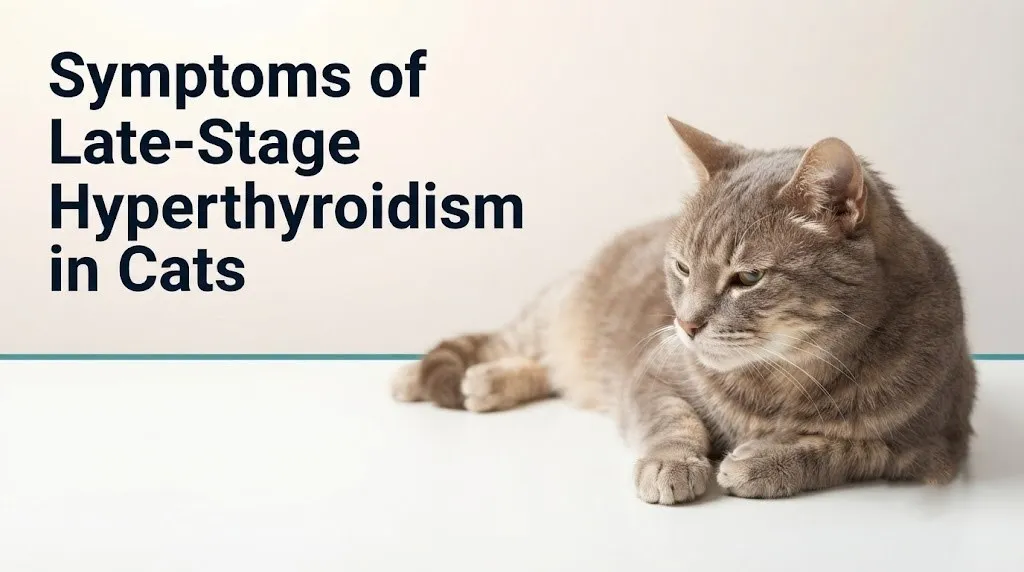
The symptoms of late-stage hyperthyroidism in cats go far beyond the weight loss and hyperactivity of early disease, progressing to life-threatening complications including heart failure, hypertensive blindness, kidney failure, hind limb paralysis, and seizures, all driven by months to years of uncontrolled thyroid hormone excess destroying the cardiovascular, renal, and neurological systems. Recognizing these advanced signs accurately, and knowing which ones require emergency veterinary care tonight rather than a routine appointment next week, is the most important thing a cat owner can do at this stage.
According to research published in the Journal of Veterinary Internal Medicine, hyperthyroidism affects approximately 10% of cats over the age of 10, making it the most prevalent endocrine disorder in geriatric cats in North America. The American College of Veterinary Internal Medicine (ACVIM) has documented that systemic hypertension, a major driver of late-stage complications, is present in an estimated 87% of untreated hyperthyroid cats, making cardiovascular and neurological emergencies a predictable consequence of unmanaged disease.
This article covers every observable sign of late-stage feline hyperthyroidism, explains the specific physiological mechanism behind each complication, maps the urgency level of each symptom, addresses the CKD interaction that complicates late-stage management, and provides a clear owner-facing triage guide for recognizing true veterinary emergencies. No article replaces a veterinary examination, but this one will give you the clinical knowledge to act at the right moment.
Symptoms of Late-Stage Hyperthyroidism in Cats: The Full Picture
The symptoms of late-stage hyperthyroidism in cats span multiple organ systems simultaneously, including severe muscle wasting, cardiac enlargement with possible heart failure, systemic hypertension causing blindness or seizures, declining kidney function, loss of appetite, profound lethargy, and in some cases sudden hind limb paralysis from a blood clot.
Early-stage hyperthyroidism is characterized by what looks like a cat with too much energy: ravenous appetite, weight loss despite eating well, hyperactivity, increased vocalization, and poor coat quality. Late-stage disease looks dramatically different. The excess thyroid hormone, having driven the heart, kidneys, and musculature beyond their physiological limits for months, produces a cat that is often lethargic, skeletal, and distressingly still.
The table below maps late-stage symptoms to the affected body system and urgency level:
| Observable Sign | Affected System | Urgency Level |
|---|---|---|
| Severe weight loss, visible spine and hip bones | Musculoskeletal (protein catabolism) | Veterinary appointment within 24 to 48 hours |
| Complete loss of appetite | Gastrointestinal, systemic | Veterinary appointment within 24 hours |
| Labored breathing, open-mouth breathing | Cardiovascular (CHF, pleural effusion) | Emergency vet immediately |
| Sudden hind limb paralysis, cold paws, crying | Cardiovascular (aortic thromboembolism) | Emergency vet immediately |
| Sudden loss of vision, bumping into objects | Ophthalmological (hypertensive retinal detachment) | Emergency vet same day |
| Seizures or sudden disorientation | Neurological (hypertensive encephalopathy) | Emergency vet immediately |
| Profound lethargy and hiding | Multi-system, systemic deterioration | Veterinary appointment within 24 hours |
| Increased water drinking and urination | Renal (CKD unmasking or direct) | Veterinary appointment within 48 hours |
| Rapid visible heartbeat through chest wall | Cardiovascular (HCM, arrhythmia) | Veterinary appointment same day |
| Vomiting and diarrhea, worsening | Gastrointestinal | Veterinary appointment within 24 hours |
Cats over 15 years old are at the highest risk for rapid progression from moderate to severe late-stage disease because they have the least physiological reserve across all organ systems simultaneously.
What Is Late-Stage Feline Hyperthyroidism?
Late-stage feline hyperthyroidism refers to the advanced phase of the disease in which sustained overproduction of triiodothyronine (T3) and thyroxine (T4) by autonomously functioning thyroid tissue has produced irreversible or near-irreversible damage to the cardiovascular, renal, neurological, and musculoskeletal systems, beyond the initial metabolic hyperstimulation of early disease.
Feline hyperthyroidism is almost always caused by adenomatous hyperplasia, a benign proliferation of thyroid follicular cells in one or both thyroid lobes that produces thyroid hormones independent of normal pituitary thyroid-stimulating hormone (TSH) feedback control. This autonomous function is critical to understanding why the condition worsens without treatment: there is no internal brake. Normal thyroid tissue produces T4 in response to TSH and stops when TSH falls. An autonomously functioning adenoma does not respond to the fall in TSH and continues producing T4 regardless.
Think of the autonomous thyroid nodule like a thermostat that has been bypassed. The normal thermostat (TSH from the pituitary) would shut off the heat when the room gets too warm. The bypassed system keeps running, and the room keeps getting hotter, until the furnace, the pipes, and eventually the structure of the house are damaged by the sustained excess heat.
Late-stage disease is defined clinically not by a specific T4 level but by the presence of end-organ complications. According to the Merck Veterinary Manual, these include hypertrophic cardiomyopathy, systemic hypertension, hypertensive retinopathy, hypertensive encephalopathy, concurrent chronic kidney disease, and severe protein catabolism producing cachexia. Each of these represents a system that has been running above its design capacity for long enough that structural damage has occurred.
Cats with concurrent conditions including pre-existing kidney disease, dental infection, or diabetes mellitus deteriorate faster in late-stage hyperthyroidism because multiple organ systems are under simultaneous metabolic stress.
Late-Stage Hyperthyroid Cat Weight Loss and Muscle Wasting
Severe weight loss and visible muscle wasting in a late-stage hyperthyroid cat result from T3-driven uncoupling of oxidative phosphorylation in skeletal muscle mitochondria, forcing the cat’s body to catabolize its own protein for energy because the normal cellular energy production pathway has been made inefficient by excess thyroid hormone.
Normally, skeletal muscle mitochondria convert nutrients into ATP through a tightly coupled electron transport chain. T3 in excess causes mitochondrial uncoupling proteins to dissipate the proton gradient across the inner mitochondrial membrane as heat rather than allowing it to drive ATP synthase. The muscle cell, starved of ATP despite high metabolic activity, catabolizes structural muscle protein to meet its energy demands. Over weeks to months, this produces visible loss of muscle mass, particularly along the cat’s spine, over the hips, and around the hindquarters.
The weight loss paradox of hyperthyroidism, eating ravenously but losing weight, is most dramatic in early and middle stages. In late stage, the cat often stops eating entirely (a separate complication covered in the next section), at which point protein catabolism and fat mobilization accelerate, producing the skeletal appearance that owners find alarming.
To accurately assess muscle wasting in your cat at home:
- Run your fingertips gently along the cat’s spine from the shoulder blades to the hips. In a cat with severe muscle wasting, each vertebral process will feel prominent rather than padded.
- Feel the cat’s hips and thigh muscles. In a normally muscled cat, the hindquarters feel firm and rounded. In severe wasting, the hip bones protrude and the thigh muscles feel thin and soft.
- Weigh the cat on a kitchen scale weekly if possible and record the weight. A loss of more than 10% of body weight over one to two months in a cat already thin from hyperthyroidism is clinically concerning.
- Assess the coat. Severe protein deficiency produces a dull, unkempt, clumped coat because the proteins required to maintain hair shaft structure are being catabolized for energy.
According to the Journal of Feline Medicine and Surgery, severe muscle wasting in a hyperthyroid cat that has not responded to or is not receiving treatment is associated with poor short-term prognosis and warrants urgent veterinary reassessment of the treatment plan.
Key Takeaway: If your hyperthyroid cat’s spine, hip bones, and hindquarter muscles are visibly prominent and you can count the vertebrae by touch, that level of muscle wasting signals late-stage protein catabolism and needs same-week veterinary evaluation, not watchful waiting.
Hyperthyroid Cat Not Eating in Late Stage
A hyperthyroid cat that stops eating in the late stage is experiencing a clinically dangerous shift from the ravenous polyphagia of early disease to anorexia driven by one or more overlapping mechanisms, including nausea from concurrent kidney failure, systemic illness from cardiac decompensation, or the development of apathetic hyperthyroidism (covered in a later section) where the cat is too debilitated to seek food.
Early hyperthyroidism characteristically produces polyphagia: the cat eats far more than normal because the T3/T4-driven increase in basal metabolic rate creates a genuine caloric deficit even at high food intake. When the same cat stops eating in late stage, the change represents a fundamental shift in the disease state. It is not the thyroid causing reduced appetite directly. Rather, the appetite loss reflects secondary organ system failure, most commonly uremic toxin accumulation from CKD, which suppresses appetite through hypothalamic mechanisms, or the anorexia of congestive heart failure, in which cardiac output is too low to maintain normal gastrointestinal perfusion.
Anorexia in a geriatric hyperthyroid cat carries the specific risk of triggering hepatic lipidosis (fatty liver syndrome), a serious secondary complication unique to cats among domestic companion animals. When cats stop eating for more than 24 to 72 hours, they mobilize fat stores rapidly (a metabolic pattern related to their obligate carnivore protein metabolism). The liver, overwhelmed by the volume of mobilized fatty acids arriving from peripheral fat stores, accumulates fat within hepatocytes, impairing function. Without intervention, hepatic lipidosis is potentially fatal.
Any late-stage hyperthyroid cat that has not eaten for more than 24 hours should be seen by a licensed veterinarian within that same day. Bring a record of when the cat last ate normally, what and how much it ate, any concurrent medications including methimazole or carbimazole, and any other symptoms observed in the prior 48 hours.
Feline Hyperthyroid Heart Disease Symptoms
Heart disease in late-stage hyperthyroid cats takes the form of hypertrophic cardiomyopathy (HCM), in which the left ventricular free wall and interventricular septum thicken abnormally in response to T3-driven chronic pressure overload and increased cardiac oxygen demand, progressively stiffening the heart until it can no longer fill or pump blood efficiently.
The cardiovascular mechanism works like this. T3 binds to nuclear thyroid hormone response elements in cardiac myocytes, upregulating genes that increase heart rate (positive chronotropy) and contractility (positive inotropy). A heart running chronically at elevated rate and force thickens its muscular walls, just as a bicep thickens with repeated lifting. In cats, this thickening almost always occurs as concentric hypertrophy of the left ventricle. Over months, the thickened walls become stiff, reducing the heart’s ability to relax and fill with blood between beats (diastolic dysfunction). Eventually, back pressure into the pulmonary veins produces fluid leakage into the lungs (pulmonary edema) or around the lungs (pleural effusion).
Observable signs of heart disease in a hyperthyroid cat:
- A visibly rapid heartbeat seen through the chest wall or felt as a very prominent pulse
- A heart murmur or gallop rhythm detected by a veterinarian with a stethoscope
- Reduced exercise tolerance: the cat stops jumping to its usual spots and spends all time on the floor
- Rapid or shallow breathing at rest, which differs from normal sleep breathing
- A “hunched” posture when breathing, with the elbows held away from the chest (orthopnea)
According to research published in the Journal of Veterinary Internal Medicine, echocardiographically confirmed HCM is present in a substantial proportion of untreated hyperthyroid cats, and the degree of cardiac hypertrophy correlates with the duration and severity of thyroid hormone excess. Any hyperthyroid cat showing respiratory changes at rest should be seen by a licensed veterinarian the same day for chest auscultation and ideally referred to a board-certified veterinary cardiologist for echocardiographic assessment.
Hyperthyroid Cat High Blood Pressure Signs
Systemic hypertension in a late-stage hyperthyroid cat is produced by renin-angiotensin-aldosterone system (RAAS) activation, in which excess T3/T4 stimulates renin release from the juxtaglomerular cells of the kidney, triggering the full RAAS cascade, producing angiotensin II-mediated vasoconstriction and aldosterone-driven sodium and water retention that sustains elevated blood pressure across all arterial beds.
Cats are inherently susceptible to hypertension-related end-organ damage because feline retinal arterioles and cerebral arterioles have less autoregulatory capacity than those of many other species. The ACVIM consensus guidelines on hypertension in cats classify systolic blood pressure above 160 mmHg as placing the cat at high risk for end-organ damage, and blood pressure above 180 mmHg as placing it at imminent risk of retinal detachment, hemorrhage, or neurological injury.
Owners typically cannot measure blood pressure at home, but the observable signs of sustained hypertension in a cat include:
- Sudden changes in behavior, particularly becoming more agitated, disorientated, or withdrawn
- Increased vocalization, especially at night, without an obvious cause
- Apparent visual impairment: hesitancy in familiar rooms, bumping into furniture, reluctance to jump
- Dilated pupils that do not constrict normally in bright light
- Nosebleeds (epistaxis) from fragile nasal capillaries
- Visible blood in the anterior chamber of the eye (hyphema, appearing as a reddish clouding)
A hyperthyroid cat that was previously stable but has developed any of the behavioral or visual changes above should be seen by a licensed veterinarian that same day for blood pressure measurement. Home-monitoring of hypertension signs is possible but requires owner vigilance across multiple symptom categories simultaneously.
Key Takeaway: Hypertension in an untreated or inadequately treated hyperthyroid cat is not a background risk. It is an active, progressive process targeting the eyes, brain, and kidneys simultaneously, and behavioral changes or vision changes in a known hyperthyroid cat are the clinical alarm signal.
Cat With Hyperthyroidism Suddenly Blind
Sudden blindness in a cat with hyperthyroidism is a veterinary emergency caused by hypertensive retinal detachment, in which sustained systemic blood pressure above approximately 160 to 180 mmHg systolic damages the fragile retinal arterioles, causing plasma leakage into the subretinal space that physically separates the neuroretina from the underlying retinal pigment epithelium, producing sudden loss of vision in one or both eyes.
The retina is unique among tissues in depending on extremely tight vascular autoregulation to maintain its function. Feline retinal arterioles are thinner-walled and less autoregulatory than those in most other mammals, which is part of why cats suffer hypertensive retinal damage at blood pressure levels that would be tolerated by other species. When pressure in the retinal arteriolar bed exceeds the arteriolar wall’s integrity, plasma leaks across the vessel wall. This fluid collects in the potential space between the neuroretina (the photoreceptor layer and its connections) and the retinal pigment epithelium below it, lifting the neuroretina like a blister from its supporting layer. The photoreceptors, separated from their blood supply in the choriocapillaris, cease to function within hours.
What you will observe in a cat with acute hypertensive retinal detachment:
- Sudden onset: the cat was navigating normally, then within hours or a day appears unable to see
- Dilated, unresponsive pupils (the pupils do not constrict in bright light because the retina is no longer sending light signals)
- The cat walks cautiously, stretches its paws out before stepping, bumps into furniture in familiar rooms
- Visible hemorrhage in one or both eyes (red coloring within the eye)
Take the cat to a 24-hour emergency veterinary clinic the same day. Retinal detachment from hypertension can sometimes be partially reversed with aggressive blood pressure treatment if addressed within 24 to 72 hours of onset. After that window, the detached retina undergoes permanent photoreceptor degeneration. Every hour matters.
Hyperthyroid Cat Breathing Difficulty Symptoms
Breathing difficulty in a late-stage hyperthyroid cat most commonly indicates congestive heart failure (CHF) secondary to hypertrophic cardiomyopathy, in which the stiffened and hypertrophied left ventricle’s failure to relax adequately between beats causes back-pressure into the pulmonary veins, producing fluid accumulation either within the lung tissue itself (pulmonary edema) or within the pleural space surrounding the lungs (pleural effusion).
Normal feline breathing is almost invisible at rest. A sleeping or resting cat breathes approximately 20 to 30 times per minute with minimal chest wall movement. A cat in early-stage respiratory distress from CHF breathes faster (over 40 breaths per minute at rest), with exaggerated chest wall movement, and may adopt an upright posture with its elbows positioned away from its body to allow maximum chest expansion. In severe distress, the cat will breathe through its open mouth, which is physiologically abnormal in cats (cats do not pant from heat the way dogs do, and open-mouth breathing in a resting cat almost always indicates significant respiratory compromise).
To assess breathing rate in a resting cat at home:
- Wait until the cat is calm and resting but not deeply asleep.
- Count the number of times the chest rises (one full rise and fall equals one breath) over 30 seconds.
- Multiply by two to get breaths per minute.
- A rate consistently above 40 at rest is abnormal and warrants veterinary assessment the same day.
- Any open-mouth breathing at rest requires immediate emergency veterinary evaluation. Do not wait.
Pleural effusion from CHF produces a different breathing pattern than pulmonary edema: the cat tends to breathe with rapid, shallow breaths from the upper chest rather than the deeper abdominal effort associated with airway obstruction. Both patterns are emergencies. If your hyperthyroid cat is breathing with its mouth open or is visibly struggling to breathe, take it to an emergency veterinary clinic immediately without waiting to call your regular vet.
Hyperthyroid Cat Neurological and Seizure Symptoms
Neurological symptoms in a late-stage hyperthyroid cat, including seizures, sudden disorientation, abnormal circling, head pressing, or sudden profound behavioral changes, are produced by hypertensive encephalopathy, in which sustained systemic blood pressure above approximately 160 to 180 mmHg systolic damages the cerebral arteriolar network, producing ischemia, microhemorrhage, or vasogenic edema within the brain parenchyma.
The brain’s cerebral autoregulation system normally maintains constant cerebral blood flow despite fluctuations in systemic blood pressure by adjusting arteriolar diameter. In cats with sustained severe hypertension from long-standing hyperthyroidism, this autoregulation is overwhelmed. Cerebral arterioles, forced to accept abnormally high pressure for prolonged periods, eventually undergo forced vasodilation (breakthrough autoregulation), allowing high-pressure blood to enter small capillary beds and disrupt the blood-brain barrier. The result is vasogenic brain edema, local ischemia, and in severe cases arteriolar rupture producing intracranial hemorrhage.
Neurological signs observable at home that indicate this complication:
- A seizure: the cat suddenly falls to its side, its legs paddle, its jaw may clench, and it may lose bladder or bowel control for 30 to 90 seconds before a period of confusion (post-ictal phase)
- Head pressing: the cat pushes its forehead against walls or the floor, a sign of increased intracranial pressure
- Abnormal circling: the cat walks in tight circles consistently to one direction
- Sudden profound behavioral change: a previously friendly cat becomes aggressive or a previously active cat becomes completely unresponsive
- Ataxia: stumbling, incoordination, or falling when walking on a flat surface
According to the American College of Veterinary Internal Medicine, any first seizure in a geriatric cat with known or suspected hyperthyroidism should be treated as a hypertensive emergency until proven otherwise. Take your cat to a 24-hour emergency veterinary clinic immediately if a seizure occurs. Do not wait for the next available appointment.
Key Takeaway: Seizures, sudden head pressing, or acute disorientation in a known hyperthyroid cat mean hypertensive encephalopathy until the vet says otherwise. This is not a symptom to monitor overnight. It requires emergency evaluation now.
Feline Aortic Thromboembolism and Hyperthyroidism
Feline aortic thromboembolism (ATE), also called a saddle thrombus, is one of the most acutely devastating complications of late-stage hyperthyroid-associated hypertrophic cardiomyopathy, occurring when a blood clot forms in the left atrium of the structurally abnormal heart and embolizes to the caudal aortic bifurcation at approximately the L6-L7 vertebral level, acutely blocking blood flow to both pelvic limbs and producing sudden paralysis, pain, and cold extremities.
The mechanism connecting hyperthyroidism to ATE is indirect but well-established. T3/T4-driven left ventricular hypertrophy eventually produces secondary left atrial enlargement as the stiffened left ventricle creates back pressure. The enlarged left atrium develops turbulent, slowed blood flow in its trabeculated recesses. This flow pattern promotes thrombus formation, particularly in the left auricular appendage. When the thrombus detaches, it travels through the aorta until it lodges at the caudal bifurcation, blocking both iliac arteries simultaneously. The result is complete or near-complete loss of blood flow to both hindquarters.
The clinical presentation of ATE is one of the most distressing scenes a cat owner can witness:
- Sudden-onset paralysis or severe weakness of both hind legs within minutes of apparent normality
- Extreme pain: the cat screams or cries loudly, which is highly unusual feline behavior
- Cold hind feet and lower limbs: the paws feel distinctly colder than the forelegs because arterial blood supply has been cut off
- The cat drags itself with its front legs only and cannot bear weight on the rear
- The hind leg muscles feel firm and hard (rigor) within hours from ischemic muscle necrosis
- Pale, blue, or grayish coloring of the paw pads and nail beds from ischemia
Take your cat to a 24-hour emergency veterinary clinic immediately. ATE is an acute critical emergency with a narrow window for meaningful intervention. Prognosis depends heavily on how quickly treatment is initiated. Cats with incomplete obstruction (warm paws, some motor function remaining) have better short-term outcomes than those with complete bilateral obstruction and cold, non-functional limbs.
Hyperthyroid Cat Kidney Disease Symptoms
Kidney disease symptoms in a late-stage hyperthyroid cat most often represent the unmasking of pre-existing chronic kidney disease (CKD) that had been hidden by the artificially elevated glomerular filtration rate (GFR) produced by hyperthyroidism, rather than new kidney damage caused by the thyroid condition itself.
The physiological relationship between hyperthyroidism and CKD is one of the most clinically challenging aspects of managing this disease. T3/T4 excess increases cardiac output and dilates the afferent arterioles supplying the renal glomeruli, increasing filtration pressure and GFR above the true functional level of the cat’s nephrons. A cat with moderate CKD (IRIS Stage II) may have blood creatinine and BUN values within the normal range while hyperthyroid because the elevated GFR is clearing these waste products efficiently. When hyperthyroidism is treated and T3/T4 levels normalize, GFR falls to its true functional level, and the previously hidden CKD becomes apparent on bloodwork, sometimes dramatically. This is not treatment failure. It is the unmasking phenomenon.
Observable signs that kidney disease is emerging or worsening in a hyperthyroid cat:
- Increased water consumption beyond what was already present from hyperthyroidism
- Increased urination, sometimes producing very dilute or pale urine
- Decreased appetite, particularly a preference for wet food over dry
- Nausea signs: drooling, lip licking, occasional vomiting after eating
- Mouth odor with a uremic quality (faintly ammonia-like)
- Progressive weight loss despite adequate food intake
The ACVIM consensus guidelines on CKD in cats recommend that any hyperthyroid cat beginning treatment should have renal function (creatinine, BUN, SDMA, and urinalysis) reassessed within 4 to 6 weeks of initiating therapy, because this is when the unmasking effect typically becomes measurable. Cats with concurrent CKD and hyperthyroidism require management by a veterinary team experienced with both conditions, and referral to a board-certified veterinary internal medicine specialist (DACVIM) is appropriate when these conditions coexist.
Apathetic Hyperthyroidism in Cats
Apathetic hyperthyroidism (also called masked or atypical hyperthyroidism) is a clinically distinct late-stage presentation in which the cat displays profound lethargy, weakness, depression, and anorexia rather than the hyperactivity and ravenous appetite typical of earlier disease, and it is specifically more common in very old or systemically debilitated cats whose physiological reserves are insufficient to sustain the hyperadrenergic state that early hyperthyroidism typically produces.
Early hyperthyroidism produces hyperactivity, vocalization, and restlessness partly because T3/T4 directly sensitizes tissues to catecholamines (epinephrine and norepinephrine), amplifying sympathetic nervous system effects. A relatively healthy cat, even a geriatric one, typically has enough cardiac and adrenal reserve to manifest this hyperadrenergic state. In a very old, already debilitated cat with concurrent CKD, anemia, or other chronic illness, the same T3/T4 elevation cannot drive the hyperadrenergic response because the heart and adrenal system no longer have the reserve capacity to respond. The cat presents, paradoxically, as profoundly quiet and weak.
The danger of apathetic hyperthyroidism is that it mimics end-stage disease from many other causes: cancer, severe CKD, or cardiac failure. Without measuring serum T4, the diagnosis can be missed, delaying treatment that might meaningfully extend quality life.
Signs that suggest apathetic hyperthyroidism rather than simple end-of-life decline:
- A cat known to have been hyperactive and polyphagic that suddenly becomes completely quiet and stops eating
- Profound weakness: the cat cannot hold its head up normally or struggles to rise from lying
- Marked weight loss with a T4 blood test that has not been rechecked recently
- Ventral neck flexion: in some cats with severe muscle weakness, the head droops downward from inability to hold it up (this sign can also indicate thiamine deficiency, which should be ruled out separately)
Any geriatric cat presenting with sudden-onset profound lethargy and weakness should have serum total T4 measured as part of the initial workup by a licensed veterinarian, regardless of whether hyperthyroidism was previously diagnosed.
Key Takeaway: A hyperthyroid cat that suddenly becomes profoundly quiet, weak, and stops eating is not necessarily improving. Apathetic hyperthyroidism is a late-stage presentation that looks like decline but is driven by the same thyroid hormone excess, and it requires urgent veterinary evaluation and T4 measurement.
How Do I Know If My Hyperthyroid Cat Is Getting Worse?
A hyperthyroid cat is getting worse when it shows progression from the core metabolic symptoms of early disease into any of the multi-system complications of late-stage disease, with the most reliable observable indicators being progressive weight loss despite treatment, new or worsening behavioral changes, any respiratory change at rest, deteriorating coat quality beyond baseline, reduced mobility, or loss of appetite in a cat previously polyphagic.
The most practical monitoring approach for a cat owner is a combination of weekly weight tracking, daily observation of breathing character, appetite, water intake, and mobility, and immediate attention to any sudden change in vision, behavior, or leg function.
To assess your cat’s status at home between veterinary visits:
- Weigh the cat weekly using a kitchen or postal scale. A consistent downward trend despite ongoing treatment is a sign of inadequate disease control and warrants a veterinary reccheck.
- Count the resting breathing rate once a week. More than 40 breaths per minute at rest consistently signals cardiac involvement and needs same-day veterinary contact.
- Watch for changes in litterbox use: a hyperthyroid cat developing CKD will urinate more frequently and in larger volumes. Note any reduction in urine output, which can signal acute kidney decompensation.
- Observe jumping behavior. A cat that previously jumped easily to its usual spots and has stopped doing so is showing reduced cardiac or musculoskeletal reserve.
- Check the paws for temperature at least monthly. Cold hind paws compared to warm front paws can be an early warning sign of reduced arterial circulation to the hindquarters.
- Note any change in vocalization pattern: a quiet cat becoming suddenly more vocal at night can indicate hypertensive pain or neurological involvement.
The Journal of Feline Medicine and Surgery recommends that treated hyperthyroid cats have T4 levels, blood pressure, kidney function, and body weight reassessed at 3 to 6-week intervals after initiating therapy, and every 3 to 6 months once stable, to catch progression before it becomes a crisis.
How Long Can a Cat Live With Untreated Hyperthyroidism?
An untreated hyperthyroid cat has a life expectancy measured in months to a few years depending on the rate of end-organ damage progression, with the most common causes of death or euthanasia being cardiac failure from hypertrophic cardiomyopathy, renal failure, hypertensive crisis, or the clinical decision that quality of life from systemic deterioration has become unacceptable.
Hyperthyroidism is not immediately fatal in most cats when initially diagnosed. Some cats live with untreated disease for one to three years or longer if they maintain reasonable organ reserve and the disease progresses slowly. However, the autonomous thyroid tissue producing excess hormone continues to grow and produce more T3/T4 over time, meaning the condition is progressive. Each month of untreated disease represents additional cardiac hypertrophy, additional hypertensive damage to the kidneys and retina, and continued protein catabolism.
Individual factors affecting survival time without treatment:
| Factor | Effect on Prognosis Without Treatment |
|---|---|
| Concurrent CKD at diagnosis | Significantly worsened; renal failure often limits lifespan |
| Pre-existing cardiac disease | Faster progression to CHF and ATE risk |
| Very old age (over 15) | Less physiological reserve; faster end-organ damage |
| Higher T4 level at diagnosis | More autonomous tissue, likely faster progression |
| Body condition score at diagnosis | Already underweight cats have less reserve |
| Concurrent dental/infectious disease | Additional metabolic burden accelerates decline |
With treatment (methimazole, radioactive iodine I-131, or surgical thyroidectomy), many cats live two to five or more additional years with good quality of life, provided concurrent CKD is not advanced. According to the Journal of Veterinary Internal Medicine, radioactive iodine therapy produces the highest long-term cure rate and is the treatment of choice when available and when the cat’s overall condition permits the procedure. The decision about whether treatment is still appropriate in a very late-stage cat involves honest quality-of-life assessment with the veterinarian.
When to Take a Hyperthyroid Cat to the Emergency Vet
Take your hyperthyroid cat to a 24-hour emergency veterinary clinic immediately, without waiting for a regular appointment, when you observe open-mouth breathing at rest, sudden hind limb paralysis or weakness with crying, a seizure, sudden apparent loss of vision, collapse or unresponsiveness, or any combination of rapid deterioration across multiple signs within hours.
These presentations represent the life-threatening end-organ complications of late-stage feline hyperthyroidism. Each has a narrow window during which intervention may meaningfully improve outcome. Waiting until the next morning or the next available appointment in any of these situations costs time that the cat does not have.
The following table gives owner-facing triage guidance for late-stage hyperthyroid cat symptoms:
| What You Observe | Action Required | Do Not Wait If… |
|---|---|---|
| Open-mouth breathing, labored breathing at rest | Emergency vet immediately | Cat is breathing with mouth open at any time |
| Sudden hind limb paralysis, crying, cold paws | Emergency vet immediately | Hind legs are not working and paws are cold |
| Seizure or post-seizure confusion | Emergency vet immediately | Any seizure has occurred |
| Sudden apparent blindness | Emergency vet same day (hours, not days) | Cat is bumping into things it could see yesterday |
| Complete loss of appetite over 24 hours | Licensed vet within same day | Cat has not eaten in 24 hours |
| Breathing rate above 40 at rest | Licensed vet same day | Rate is consistently elevated |
| Profound weakness, cannot stand | Licensed vet within same day | Cat cannot rise or hold its head up |
| Worsening weight loss on treatment | Licensed vet within 48 hours | Weight has dropped noticeably over days |
Contact a 24-hour emergency veterinary clinic by phone first if possible. They can advise you on stabilization during transport and have the team ready when you arrive. When transporting a cat in respiratory distress or hind limb paralysis, keep the cat warm, minimize handling, and use a well-ventilated carrier.
Emergency Signs: When to Take Your Hyperthyroid Cat to the Vet Immediately
Late-stage hyperthyroidism in cats can produce multiple life-threatening emergencies. Do not wait to see if these resolve on their own.
Take your cat to a 24-hour emergency veterinary clinic immediately if you observe:
- Open-mouth breathing or visibly labored breathing at rest: this indicates acute congestive heart failure with pulmonary edema or pleural effusion. Cats do not breathe through their mouths at rest unless they are in serious respiratory distress. Every minute without treatment increases fluid accumulation in or around the lungs.
- Sudden hind limb paralysis with crying, cold hind paws, and dragging movement: this is feline aortic thromboembolism (saddle thrombus). Blood flow to both hind limbs has been acutely blocked by a clot from the heart. This is one of the most time-critical feline emergencies. Outcome depends directly on how quickly treatment begins.
- Seizures or post-seizure confusion and disorientation: this indicates hypertensive encephalopathy or intracranial hemorrhage from sustained severe hypertension. Any first seizure in a geriatric hyperthyroid cat is an emergency.
- Sudden loss of vision with dilated unresponsive pupils: this indicates hypertensive retinal detachment, which may be partially reversible if blood pressure is controlled within hours of onset.
- Collapse or complete unresponsiveness: this indicates cardiac or hemodynamic decompensation requiring immediate intervention.
These presentations can indicate cardiac arrest from CHF, irreversible retinal blindness from hypertension, death from ATE, or permanent neurological damage from hypertensive encephalopathy, and each requires emergency veterinary assessment, not a phone call to schedule an appointment.
How Vets Diagnose Late-Stage Feline Hyperthyroidism
Veterinarians diagnose late-stage feline hyperthyroidism through a combination of history, physical examination findings, serum thyroid hormone measurement, blood pressure assessment, complete blood and urine panels, cardiac imaging, and kidney function testing, with the diagnostic picture at late stage specifically including evidence of the end-organ complications that define advanced disease.
The diagnostic process for a cat presenting with suspected late-stage hyperthyroidism unfolds as:
- History and physical examination: the veterinarian notes the cat’s age, body condition score, coat quality, heart rate and rhythm (auscultation for murmur, gallop, or arrhythmia), palpation of the thyroid region for a palpable nodule (present in approximately 70% of hyperthyroid cats), respiratory pattern, and a neurological assessment. At late stage, a palpable thyroid mass, a cardiac murmur or gallop, and muscle wasting are expected findings.
- Serum total T4 (TT4) assay: the primary diagnostic test. In most late-stage cases, TT4 is markedly elevated well above the normal range (0.8 to 4.0 micrograms per deciliter in cats). A small percentage of hyperthyroid cats have T4 levels that fall within the upper-normal range due to concurrent illness suppressing T4 (“euthyroid sick syndrome”), and free T4 by equilibrium dialysis (fT4 by ED) provides better diagnostic sensitivity in these cases.
- Blood pressure measurement: performed by Doppler method in most veterinary practices. A systolic pressure consistently above 160 mmHg confirms hypertension requiring treatment regardless of the T4 result.
- Complete blood count and chemistry panel: assesses for erythrocytosis (elevated red blood cell count from hyperthyroidism), elevated liver enzymes (ALT, ALP) from hepatic T3 effects, and critical kidney markers (BUN, creatinine, SDMA) for IRIS CKD staging.
- Urinalysis with urine protein:creatinine ratio: assesses renal tubular and glomerular function. Proteinuria indicates glomerular damage from hypertension or primary CKD.
- Thoracic radiography: assesses for cardiomegaly (enlarged cardiac silhouette), pulmonary edema (fluffy opacification in the perihilar lung fields), or pleural effusion (fluid visible as opacity at lung bases with a horizontal fluid line).
- Echocardiography: the definitive cardiac assessment. Measures interventricular septal thickness, left ventricular free wall thickness, left atrial size (enlarged left atrium indicates elevated ATE risk), and assesses systolic function and the presence of systolic anterior motion (SAM) of the mitral valve causing dynamic outflow tract obstruction.
The Journal of Veterinary Internal Medicine recommends that any cat diagnosed with hyperthyroidism for the first time or presenting with worsening signs have all of these assessments performed as an integrated panel rather than sequentially, because late-stage complications in different organ systems interact and inform each other’s management.
Frequently Asked Questions About Late-Stage Hyperthyroidism in Cats
What are the signs that a hyperthyroid cat is dying?
Signs that a hyperthyroid cat is approaching end of life include profound muscle wasting with prominent spinal vertebrae and hip bones, complete anorexia lasting more than 24 to 48 hours, extreme weakness or inability to stand, labored breathing at rest, and loss of interest in surroundings or people.
These signs may indicate cardiac failure, advanced renal failure, severe protein catabolism, or the apathetic form of end-stage hyperthyroidism, each of which warrants urgent evaluation by a licensed veterinarian to determine whether treatment, supportive care, or humane euthanasia is the most appropriate path.
A cat showing these signs should be seen by a licensed veterinarian the same day to assess whether any intervention can meaningfully improve quality of life or whether palliative and end-of-life discussions are appropriate.
Can a cat survive late-stage hyperthyroidism?
Survival in late-stage hyperthyroidism depends on which complications have developed and whether they are reversible with treatment.
Cats with hypertensive retinal detachment that is caught within 24 to 48 hours and treated aggressively sometimes recover partial vision; cats with well-controlled hypertension and managed cardiac disease can live comfortably for additional months to years; cats with severe HCM, aortic thromboembolism, or advanced renal failure have a significantly worse prognosis.
A licensed veterinarian or board-certified veterinary internal medicine specialist can provide a realistic prognosis based on the specific complications present, the cat’s overall body condition, and concurrent conditions.
What does a hyperthyroid cat look like in the final stages?
In the final stages, a hyperthyroid cat typically appears skeletal with very little muscle remaining over the spine, hips, and hindquarters, has a dull and unkempt coat despite grooming attempts, moves very little, may breathe rapidly and shallowly at rest, and has lost interest in food and interaction.
Some cats develop the apathetic form and become profoundly quiet rather than showing the hyperactivity of earlier disease, making the deterioration harder to recognize as thyroid-related.
A cat in this condition should be evaluated by a licensed veterinarian who can assess whether the deterioration is from the hyperthyroidism itself, a concurrent condition, or an irreversible end-organ complication, and can guide the owner through quality-of-life assessment.
Is sudden blindness in a hyperthyroid cat an emergency?
Sudden blindness in a hyperthyroid cat is a same-day veterinary emergency caused by hypertensive retinal detachment, which can be partially reversible if blood pressure is treated within 24 to 72 hours of onset.
After this window, the detached retina undergoes irreversible photoreceptor degeneration and vision cannot be restored.
Take the cat to a 24-hour emergency veterinary clinic or same-day emergency appointment as soon as you notice the cat bumping into objects or showing dilated unresponsive pupils.
How do I know if my cat’s hyperthyroidism has caused heart problems?
Signs of heart disease in a hyperthyroid cat include a resting breathing rate consistently above 40 breaths per minute, a visible or strongly palpable rapid heartbeat through the chest wall, reduced willingness to jump or move, and any episode of open-mouth breathing at rest.
A veterinarian can detect a heart murmur, gallop rhythm, or arrhythmia with a stethoscope, but echocardiography performed by a board-certified veterinary cardiologist is the only way to definitively assess left ventricular wall thickness, left atrial size, and cardiac function.
Any hyperthyroid cat with respiratory changes at rest should be seen by a licensed veterinarian the same day for cardiac auscultation and chest radiography.
Should I euthanize my cat if hyperthyroidism is untreatable at this stage?
Euthanasia is an appropriate and compassionate consideration when a cat with late-stage hyperthyroidism has developed irreversible end-organ complications that are causing unmanageable suffering and when no treatment can restore a reasonable quality of life.
This decision is best made in honest conversation with a licensed veterinarian who can assess whether the cat is experiencing pain, breathlessness, or distress that cannot be adequately controlled, and who can help the owner weigh what the cat’s daily experience actually looks like.
There is no universally correct threshold: the veterinarian’s clinical assessment, combined with the owner’s observation of the cat’s daily quality of life, together determine when humane euthanasia is the most compassionate decision.
Knowing When to Move From Monitoring to Action
Late-stage feline hyperthyroidism is not a condition where watchful waiting is a clinically sound strategy. The end-organ complications it produces (cardiac failure, hypertensive crisis, aortic thromboembolism, retinal detachment, neurological damage) all have narrow treatment windows and worsen with every hour of delay.
The most important action you can take right now is identifying which symptoms your cat is showing and mapping them to the triage levels in this article. If your cat has any of the emergency signs: open-mouth breathing, sudden hind limb paralysis, seizure, or sudden blindness, stop reading and take it to a 24-hour emergency veterinary clinic now.
For cats with worrying but non-emergency signs, contact your regular veterinarian today to schedule a same-day or next-day reassessment, bring your weight records, your observations about breathing rate, appetite, and water intake, and ask specifically for blood pressure measurement and kidney function testing alongside the T4 recheck. That single appointment generates the clinical information that determines whether your cat’s condition is controllable or has crossed into late-stage territory requiring a different conversation.