Cat Kidney Disease Symptoms: What to Watch For in 2026
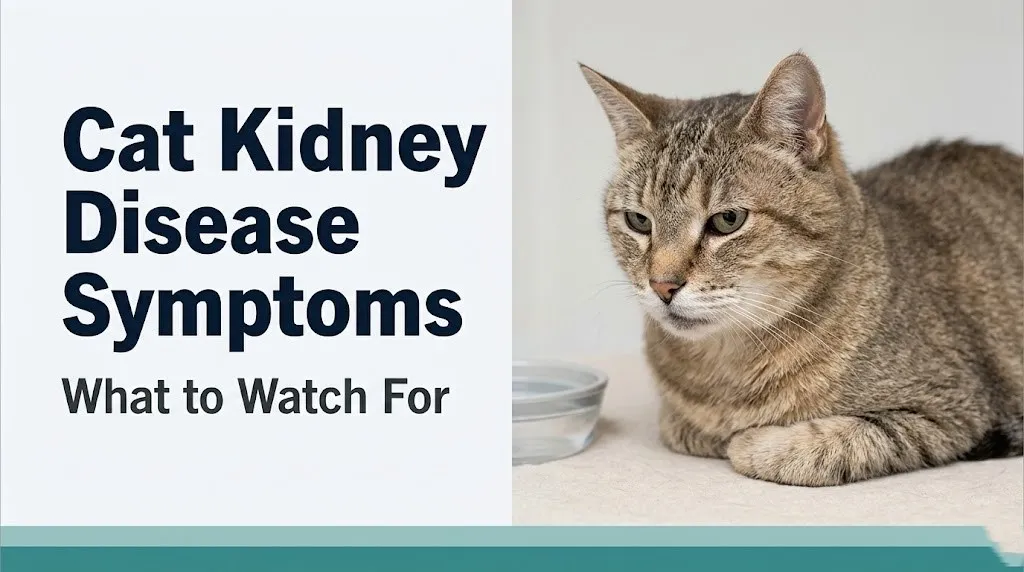
Cat kidney disease symptoms range from subtle behavioral changes like drinking more water and hiding more often, to severe signs like seizures, sudden blindness, and complete loss of appetite that require emergency veterinary care. Recognizing where your cat falls on that spectrum is the difference between catching a manageable condition early and arriving at a veterinary clinic in the middle of a crisis.
The Cornell Feline Health Center estimates that chronic kidney disease affects roughly 1 in 3 cats over age 12, making it one of the most common serious conditions in older cats. A 2015 study published in the Journal of Veterinary Internal Medicine found that symmetric dimethylarginine (SDMA), a validated early marker of kidney function decline, can detect nephron loss roughly 17 months before serum creatinine rises into the abnormal range. That window matters. The earlier a veterinarian identifies the condition, the more options exist for slowing its progression.
This article covers every clinically recognized symptom of kidney disease in cats, why each one occurs at the specific organ and biochemical level, how symptoms change by disease stage, which signs require a same-day emergency visit, and what your veterinarian looks for when evaluating a cat with suspected kidney disease. The guidance is based on the International Renal Interest Society (IRIS) staging criteria, peer-reviewed veterinary research, and species-specific feline physiology.
Cat Kidney Disease Symptoms: A Clinical Overview
Cat kidney disease symptoms occur because the kidneys progressively lose functioning nephrons, the microscopic filtration units that remove waste, regulate fluid balance, control blood pressure, and produce hormones essential to red blood cell production.
The domestic cat has roughly 200,000 nephrons per kidney. As these nephrons are lost, the remaining ones compensate by increasing their individual filtration load. That compensatory hyperfiltration sustains near-normal function for a long time, which is why a cat can lose 60 to 70 percent of its nephron mass before showing obvious clinical symptoms. By the time a pet owner notices something is wrong, substantial kidney damage has typically already occurred.
The Merck Veterinary Manual describes feline CKD as an irreversible, progressive condition defined by a reduction in functional renal mass lasting more than three months. This distinguishes it from acute kidney injury (AKI), which has a defined triggering event and at least partial potential for recovery if caught early and treated aggressively.
The symptoms of cat kidney disease fall into four broad categories: urinary symptoms from lost concentrating ability, gastrointestinal symptoms from uremic toxin accumulation, systemic symptoms from hormone deficiency (erythropoietin) and excess (parathyroid hormone), and cardiovascular symptoms from renin-angiotensin-aldosterone system activation. Each category is explained in its own section below.
| Symptom Category | Primary Cause | Observable Sign in Cat |
|---|---|---|
| Urinary | Loss of tubular concentrating ability | Drinking more, urinating more, larger litter clumps |
| Gastrointestinal | Uremic toxin accumulation (BUN, guanidines) | Vomiting, nausea, mouth ulcers, ammonia breath |
| Systemic-hormonal | EPO deficiency, PTH excess | Pale gums, lethargy, weight loss, bone pain |
| Cardiovascular | RAAS activation, systemic hypertension | Nosebleeds, sudden blindness, disorientation |
Cats are notoriously stoic, and that biological trait makes early detection difficult for most owners. Recognizing the pattern across multiple symptom categories, rather than waiting for one dramatic sign, is the most effective approach to early identification.
Symptoms of Kidney Disease in Cats That Owners Observe First
The first symptoms of kidney disease in cats that most owners notice are increased thirst, more frequent or larger volumes of urination, and gradual weight loss, often occurring together over weeks to months before other signs appear.
These three early signs appear as a cluster because they share a single cause: the failing kidney can no longer concentrate urine properly. As nephron loss reduces the efficiency of the loop of Henle’s countercurrent multiplier system, the medullary concentration gradient that normally allows antidiuretic hormone (ADH, also called vasopressin) to draw water back from the collecting duct is progressively destroyed. Without that gradient, water passes through the nephron and is lost in urine rather than being reclaimed. The cat urinates large volumes of dilute urine. To compensate, the cat drinks more.
Weight loss during this phase is multifactorial. Protein lost in urine (proteinuria), reduced appetite from early nausea, and the metabolic cost of compensatory hyperfiltration all contribute to a gradual decline in body condition.
Most owners notice these signs:
- Noticeably fuller water bowl being consumed faster than before
- Larger or more frequent litter box clumps (some owners notice wet or overflowing litter boxes for the first time)
- A cat that previously maintained weight now showing visible spine or hip bones
- Reduced interest in food, especially dry kibble
- A cat that used to be active now spending more time resting or hiding
For older cats with concurrent hyperthyroidism, the picture is more complicated. Hyperthyroidism increases cardiac output and glomerular filtration rate, which can temporarily mask early kidney decline on bloodwork. A cat with both conditions may show increased thirst and weight loss but have a creatinine value in the normal range. A licensed veterinarian should evaluate any senior cat showing these signs even if routine bloodwork appears normal.
Feline Kidney Disease Symptoms by Organ System
Feline kidney disease symptoms span multiple organ systems because the kidney performs functions beyond filtration, including hormone production, blood pressure regulation, and acid-base balance, and its failure creates cascading effects throughout the body.
Understanding the organ-by-organ picture helps owners recognize symptoms that seem unrelated but are actually part of the same disease process. A cat that is vomiting, losing weight, showing a poor coat, and having nosebleeds is not experiencing four separate problems; all four signs can trace back to declining renal function.
The gastrointestinal tract is affected by rising concentrations of uremic toxins, particularly urea and guanidine compounds. As blood urea nitrogen (BUN) rises, urease-producing bacteria in the mouth and gut convert urea into ammonia. This produces the characteristic ammonia or urine-like smell on a cat’s breath and directly irritates the gastrointestinal mucosa, causing nausea and vomiting.
The hematopoietic system is affected through EPO deficiency. The peritubular interstitial cells of the renal cortex produce erythropoietin, the hormone that signals bone marrow to produce red blood cells. As renal tissue is destroyed, EPO production falls. Bone marrow receives less stimulation and produces fewer red blood cells, resulting in a non-regenerative anemia with no compensatory reticulocyte increase. Pale gums, weakness, and rapid tiring are the observable results.
The musculoskeletal system suffers through secondary hyperparathyroidism. Impaired phosphorus excretion raises blood phosphorus. The parathyroid glands detect the calcium-phosphorus imbalance and increase parathyroid hormone (PTH) secretion. PTH mobilizes calcium from bone, causing progressive bone mineral loss that can result in a weakened jaw, loosening teeth, and the pained facial grimacing some owners notice in advanced-stage cats.
Key Takeaway: Cat kidney disease does not affect only the kidneys. It creates a cascade of secondary effects on the blood, gastrointestinal tract, bones, and cardiovascular system, which is why cats with CKD often show a wide mix of symptoms that seem unrelated.
Early Signs of Kidney Disease in Cats Most Owners Miss
The earliest signs of kidney disease in cats are subtle and easily attributed to normal aging, including mild increases in water intake, slightly less enthusiastic eating, and a gradual reduction in activity level, all of which appear well before blood creatinine rises into the abnormal range.
According to research validating SDMA as an early biomarker, published in the Journal of Veterinary Internal Medicine in 2015 and subsequent follow-up studies, SDMA rises above the normal threshold (above 14 mcg/dL in cats) when roughly 25 percent of nephrons have been lost. Serum creatinine, by contrast, typically does not become clearly abnormal until 60 to 75 percent of nephron mass has been lost. An owner whose cat is drinking slightly more water for several months while creatinine remains normal should know that the kidneys may already be under stress.
Behavioral changes are often the very first signal. Cats with early CKD may seek out cooler resting spots to relieve the mild nausea of early uremic toxin buildup, drink from faucets or unusual water sources as their thirst drive increases, or groom themselves less thoroughly because mild lethargy and nausea reduce their motivation.
Early signs owners often dismiss as “just getting older”:
- Slightly increased water intake (check the water bowl level daily if you suspect this)
- Mild reduction in grooming, producing a duller or slightly matted coat
- Sleeping more than usual, less interest in play
- Eating more slowly or leaving a small amount of food uneaten
- Occasional drooling without an obvious cause
- Mild weight loss of half a pound to one pound over one to two months
Kittens and young adult cats rarely develop CKD unless they have a hereditary predisposition (see the breed section below) or a history of nephrotoxin exposure. Early-onset CKD in a cat under age 5 should prompt a veterinarian to evaluate for polycystic kidney disease, familial nephropathy, or prior toxic injury rather than the typical age-related nephron attrition seen in older cats.
Chronic Kidney Disease in Cats Symptoms by IRIS Stage
Chronic kidney disease in cats produces symptoms that are directly tied to IRIS stage, with Stage 1 often showing no clinical symptoms at all, Stage 2 producing mild signs that are easy to attribute to aging, Stage 3 producing clearly noticeable symptoms, and Stage 4 producing the full spectrum of uremic illness.
The International Renal Interest Society (IRIS) created the most widely used veterinary staging system for feline CKD, stratifying cats into four stages based on fasting serum creatinine levels, with substaging by urine protein-to-creatinine ratio and systolic blood pressure. This staging system, rather than a simple “mild, moderate, severe” framework, is what board-certified veterinary internists use to guide management decisions.
| IRIS Stage | Serum Creatinine (cats) | SDMA | Observable Symptoms |
|---|---|---|---|
| Stage 1 | Below 1.6 mg/dL | Above 18 mcg/dL | Usually none; may show mild polydipsia |
| Stage 2 | 1.6 to 2.8 mg/dL | 18 to 25 mcg/dL | Increased thirst, mild weight loss, subtle appetite change |
| Stage 3 | 2.9 to 5.0 mg/dL | 26 to 38 mcg/dL | Obvious polydipsia/polyuria, weight loss, vomiting, poor coat, lethargy |
| Stage 4 | Above 5.0 mg/dL | Above 38 mcg/dL | Severe uremia, oral ulcers, extreme weight loss, weakness, potential neurological signs |
Most cats are diagnosed at Stage 2 or Stage 3 because these are the stages where owner-observable symptoms first become clear enough to prompt a veterinary visit. Stage 1 is almost exclusively detected through routine senior wellness bloodwork, underscoring the value of annual or biannual comprehensive blood panels in cats over age 7.
Cats in Stage 3 or Stage 4 also receive a blood pressure substage designation (BP1 through BP4) based on systolic blood pressure measurement, because systemic hypertension in CKD carries independent risk of retinal hemorrhage, retinal detachment, stroke, and cardiac remodeling. A cat at Stage 3 with BP3 or BP4 hypertension faces much greater short-term risk of vision loss than the stage number alone suggests.
CKD in Cats Symptoms: How the Disease Progresses
CKD in cats progresses from a clinically silent phase detectable only through bloodwork, through a phase of manageable symptoms, to a final phase of systemic uremic illness, with the speed of progression varying considerably between individual cats.
The Merck Veterinary Manual and the IRIS guidelines both note that progression rate varies substantially between cats with the same stage at diagnosis. Some cats with Stage 2 CKD remain stable for years with dietary management and hydration support. Others progress to Stage 3 within months. Proteinuria (protein loss in urine, measured by the urine protein-to-creatinine ratio) and uncontrolled hypertension are the two strongest predictors of faster progression, according to observational research published in the Journal of Veterinary Internal Medicine.
The transition from Stage 2 to Stage 3 is often the point where symptoms become undeniable to owners. This transition typically involves a shift from “drinking a bit more than usual” to “noticeably always at the water bowl,” from “eating a little less enthusiastically” to “leaving most of the food and losing visible weight,” and from “a bit quieter than usual” to “hiding, reluctant to be handled, and showing a clearly duller coat.”
Acute-on-chronic decompensation is a distinct pattern that can occur at any stage. A cat with well-managed Stage 2 or Stage 3 CKD can experience sudden worsening of kidney function due to dehydration (from vomiting, diarrhea, or not drinking), a urinary tract infection, a new nephrotoxin exposure, or worsening hypertension. This produces a rapid escalation of symptoms over hours rather than the usual weeks to months of gradual progression.
Owners should track body weight, water intake, food intake, and litter box output weekly at minimum for any cat already diagnosed with CKD. A sudden change in any of these parameters over 24 to 48 hours warrants a call to a veterinarian the same day, not a wait-and-see approach.
Key Takeaway: Progression speed in feline CKD is not fixed by stage alone. Uncontrolled proteinuria and hypertension drive faster decline. Managing both of those factors slows the progression meaningfully.
Cat Kidney Disease Symptoms: Drinking a Lot and Urinating More
Polydipsia (excessive water drinking) and polyuria (excessive urine production) are among the most consistent and early observable symptoms of kidney disease in cats, occurring because nephron loss destroys the kidney’s ability to concentrate urine regardless of how much ADH the body produces.
The mechanism is specific. The loop of Henle in each nephron creates a concentration gradient in the renal medulla by actively transporting sodium chloride out of the ascending limb without allowing water to follow, generating a hyperosmotic interstitium. When antidiuretic hormone (ADH/vasopressin), released by the posterior pituitary, binds to receptors on the collecting duct, it opens aquaporin water channels that draw water from the filtrate into that hyperosmotic interstitium, concentrating the urine. Nephron loss destroys the medullary concentration gradient. Even with normal ADH levels, there is no gradient to pull water across. The cat produces large volumes of dilute urine regardless.
Clinically, this appears as urine with a specific gravity between 1.007 and 1.015 (called isosthenuria) or even lower, compared to the normal feline urine specific gravity of 1.035 to 1.060. A healthy cat produces highly concentrated urine because feline kidneys evolved to support an obligate carnivore lifestyle with limited water availability. A cat producing dilute urine is showing a significant departure from its species-appropriate physiological baseline.
To quantify whether your cat is drinking more than normal:
- Measure the water you add to the bowl each morning using the same container.
- Record how much remains the following morning before adding more.
- Calculate daily water consumed. A cat’s normal water intake from all sources is approximately 40 to 60 mL per kilogram of body weight per day.
- A 4-kilogram cat consuming more than 240 mL of water per day from the bowl alone (excluding any wet food moisture) is drinking above normal.
- Track this for three consecutive days before your veterinary appointment and bring the numbers.
Older male cats with concurrent urethral narrowing may show signs that overlap with CKD, including straining in the litter box and reduced urine output. These two conditions require different urgent responses. Straining with no urine production is a potential urethral obstruction, which is a veterinary emergency requiring immediate care.
Symptoms of Kidney Issues in Cats That Look Like Other Conditions
Symptoms of kidney issues in cats frequently overlap with the symptoms of hyperthyroidism, diabetes mellitus, and liver disease, making a clinical examination with targeted bloodwork the only reliable way to distinguish these conditions.
This overlap creates a real diagnostic challenge. Hyperthyroidism and CKD, in particular, frequently co-occur in cats over age 12 because both conditions are common in geriatric cats. Both cause weight loss, increased appetite in early hyperthyroidism (though appetite typically declines in CKD), increased water intake, and hyperactivity or restlessness in hyperthyroidism versus lethargy in CKD.
The critical clinical nuance is that hyperthyroidism artificially elevates glomerular filtration rate, which suppresses creatinine and BUN into the normal range even when significant nephron loss has already occurred. The IRIS guidelines specifically address this scenario, recommending that when treating hyperthyroidism in a cat, the veterinarian monitor renal values closely within two to four weeks of starting treatment, because normalizing thyroid hormone levels can reveal a previously masked CKD that causes creatinine values to rise above normal for the first time.
Diabetes mellitus in cats also causes polydipsia and polyuria through a completely different mechanism (osmotic diuresis from glucosuria), weight loss, and reduced activity. A cat with diabetes producing glucose in the urine will have a urine specific gravity that may appear dilute not because of tubular dysfunction but because of the osmotic pull of glucose in the filtrate. A full urinalysis including glucose measurement alongside serum chemistry separates these conditions.
Conditions that share key symptoms with feline CKD:
- Hyperthyroidism: weight loss, polydipsia/polyuria, vomiting, changed behavior
- Diabetes mellitus: polydipsia, polyuria, weight loss, lethargy
- Liver disease: vomiting, anorexia, weight loss, jaundice (yellowing of gums or whites of eyes, which CKD does not typically cause)
- Inflammatory bowel disease (IBD): chronic vomiting, weight loss, poor coat
- Pancreatitis: vomiting, anorexia, abdominal pain on palpation
- Dental disease severe enough to cause pain: reduced eating, drooling, halitosis
A licensed veterinarian can distinguish CKD from these other conditions with a comprehensive serum chemistry panel, CBC, urinalysis, urine specific gravity, T4 (total thyroxine for hyperthyroidism), and abdominal ultrasound when indicated.
Key Takeaway: Polydipsia, polyuria, and weight loss in a senior cat do not automatically mean kidney disease. Hyperthyroidism can mimic CKD on symptoms and even mask it on bloodwork. Diagnosis requires a full veterinary workup, not symptom matching alone.
Cat Kidney Disease Weight Loss and Vomiting Explained
Weight loss and vomiting in cats with kidney disease both stem from uremic toxin accumulation in the bloodstream, with vomiting driven by direct gastrointestinal mucosal irritation and nausea signaling from uremic compounds, and weight loss driven by multiple simultaneous mechanisms including protein wasting, reduced nutrient absorption, and metabolic disruption.
The vomiting in feline CKD is not the same as vomiting from dietary indiscretion or hairballs. It has specific features that distinguish it clinically. It tends to occur in the morning before eating or in the first hour after eating, it is often accompanied by drooling and extended periods of nausea between episodes, and it may contain bile or yellow-tinged fluid when the stomach is empty. The cause is elevated BUN, which urease-producing gut bacteria convert to ammonia, directly irritating the gastric mucosa. Uremic toxins also activate the chemoreceptor trigger zone in the brainstem, producing centrally mediated nausea independent of direct stomach irritation.
Weight loss progresses through several mechanisms simultaneously. Uremic anorexia reduces caloric intake. Protein lost through damaged glomerular filtration membranes (proteinuria) reduces the body’s protein reserves. Metabolic acidosis, a common companion to advanced CKD in which the kidneys can no longer excrete hydrogen ions normally, shifts the body toward a catabolic state that preferentially breaks down lean muscle mass. Cats with CKD lose muscle from the topline (the spine, shoulder blades, and hips become prominent) before losing visible fat mass.
According to clinical guidance from the Veterinary Clinics of North America Small Animal Practice, cats with CKD and concurrent hypokalemia (low potassium, common because polyuria washes potassium from the body) may show a specific pattern of neck ventroflexion, where the cat holds its head low or cannot lift its head normally, in addition to profound generalized weakness. This is a specific neuromuscular sign of severe hypokalemia that warrants same-day veterinary evaluation.
A cat losing weight in the context of reduced food intake and intermittent vomiting over weeks to months, especially if it is over age 7, should have a full serum chemistry panel and urinalysis completed before the weight loss is attributed to any less serious cause.
Kidney Disease Symptoms in Cats: Bad Breath and Mouth Ulcers
The ammonia-like or urine-smell bad breath in a cat with kidney disease is a direct result of uremic toxin accumulation in the bloodstream, not dental disease, and is accompanied in moderate to severe CKD by painful oral ulcers on the tongue, gums, and inner lips that make eating painful and reduce food intake further.
The breath odor in uremic cats has a specific character that experienced veterinarians recognize immediately. It smells like ammonia, stale urine, or sometimes nail polish remover (the latter being more characteristic of diabetic ketoacidosis, but occasionally a source of confusion). The source is the conversion of elevated blood urea nitrogen to ammonia by urease enzymes in oral bacteria and gut flora. As BUN rises, more substrate is available for this conversion, producing higher ammonia concentrations in the breath.
Uremic oral ulcers develop when ammonia and other uremic toxins produce chemical irritation of the oral mucosa over time. They appear most commonly on the tongue tip, along the edges of the tongue, on the inner surface of the lips, and on the soft palate. These ulcers are painful. A cat with oral ulcers from CKD will often show reluctance to eat despite being hungry, chewing hesitantly and then stopping, dropping food from the mouth, or preferring soft food over dry kibble. Some cats produce excessive saliva (hypersalivation) as a response to oral pain and nausea.
Signs of uremic oral disease in a cat:
- Breath with an ammonia or urine-like odor
- Visible redness, raw areas, or grey-white sores on the tongue or inner lips
- Excessive drooling or wet fur below the chin from saliva
- Reluctance to eat, especially hard food, while showing signs of hunger
- Pawing at the mouth
- Hypersalivation triggered by being picked up or handled around the head
Oral ulcers from uremia do not resolve with dental cleaning. They improve when kidney values are managed and BUN is reduced through dietary protein restriction and hydration support. Dental disease can co-occur in the same cat and a veterinarian will need to distinguish between the two on examination. Dental-origin bad breath has a different character (more sulfur-based, rotting organic matter) compared to uremic breath, and the ulcer location pattern differs.
Key Takeaway: Ammonia-smelling breath and mouth sores in a cat are not dental problems. They are signs of elevated blood urea nitrogen and should prompt immediate veterinary evaluation, not a dental cleaning appointment.
Cat Kidney Disease Anemia and Lethargy Signs
Cat kidney disease causes a specific type of anemia called non-regenerative anemia, caused by deficient production of erythropoietin (EPO) from destroyed renal interstitial tissue, resulting in pale gums, extreme fatigue, rapid breathing with minimal exertion, and a level of lethargy that owners often describe as their cat seeming to “give up” on daily activities.
The mechanism is straightforward but clinically important. Erythropoietin (EPO) is produced almost entirely by peritubular interstitial cells in the renal cortex. This hormone travels to the bone marrow, where it binds to receptors on erythroid progenitor cells and stimulates them to mature into red blood cells. As CKD destroys renal cortical tissue, EPO-producing cells are lost. Bone marrow receives progressively less EPO signal and produces fewer red blood cells. Unlike anemia from blood loss or nutritional deficiency, this anemia is non-regenerative, meaning the bone marrow is not producing compensatory reticulocytes (immature red blood cells). A complete blood count showing anemia with a low or absent reticulocyte count in a cat with elevated BUN and creatinine strongly points to renal anemia.
Observable signs of renal anemia in cats include pale or white gums (press a gum and count the seconds for color to return; it should return within 2 seconds), pink-white inner eyelids instead of the normal salmon-pink color, rapid breathing at rest without respiratory distress, and extreme exercise intolerance where a cat that previously jumped onto counters now cannot manage the stairs.
Lethargy in CKD has multiple simultaneous drivers: anemia reduces oxygen delivery to tissues, uremic toxins produce direct neurotoxic effects, metabolic acidosis depresses neurological function, and hypokalemia causes muscle weakness. Owners sometimes describe their CKD cat’s lethargy as qualitatively different from normal sleepiness, saying the cat is “not really there” or “stares at the wall.”
Female cats with CKD tend to show anemia-related lethargy at an earlier disease stage than male cats because intact female cats have lower baseline hematocrit values. A spayed female cat at Stage 3 may show more pronounced anemia signs than a similarly staged male cat.
Feline Kidney Disease Hypertension Symptoms
Feline kidney disease causes systemic hypertension in approximately 20 to 65 percent of affected cats depending on IRIS stage, through overactivation of the renin-angiotensin-aldosterone system (RAAS), and this hypertension produces symptoms ranging from occasional nosebleeds to sudden, complete blindness from retinal detachment.
The mechanism: declining renal perfusion activates juxtaglomerular cells in the kidney to release renin, an enzyme that converts angiotensinogen to angiotensin I. Angiotensin-converting enzyme (ACE) then converts angiotensin I to angiotensin II, a potent systemic vasoconstrictor. Angiotensin II also stimulates aldosterone release from the adrenal cortex, increasing sodium and water retention, further raising blood pressure. This RAAS activation, intended to restore perfusion to the failing kidney, creates a destructive cycle: higher blood pressure damages the remaining glomeruli, accelerating nephron loss, which worsens the perfusion deficit, which keeps RAAS activated.
The IRIS blood pressure substaging system classifies cats into four groups based on systolic blood pressure measured by Doppler or oscillometric method. Cats with systolic pressure above 160 mmHg (BP3) face elevated risk of target organ damage. Those above 180 mmHg (BP4) face immediate risk of hypertensive crisis affecting the eyes, brain, heart, and kidneys.
Hypertension-related symptoms in cats with CKD:
- Spontaneous nosebleeds from fragile nasal blood vessels under high pressure
- Sudden blindness (both eyes simultaneously, sudden onset, not gradual): dilated pupils that do not respond normally to light
- Blood visible in the eye (hyphema: blood in the anterior chamber)
- Sudden disorientation, circling, or apparent confusion (hypertensive encephalopathy)
- Head tilting, loss of balance, or falling to one side
- Rapid or irregular heart rate
- Retinal hemorrhage or detachment visible on veterinary fundic examination
Sudden vision loss from hypertensive retinal detachment in a cat with known CKD is a same-day veterinary emergency. With rapid blood pressure reduction, some cats recover partial vision. Without treatment within hours, the detachment may become permanent.
Late Stage Kidney Disease Symptoms in Cats
Late stage kidney disease symptoms in cats correspond to IRIS Stage 3 and Stage 4 disease and include severe weight loss with visible muscle wasting, persistent vomiting, complete loss of appetite, oral ulceration, extreme lethargy, and in the most advanced cases, neurological signs including seizures, severe disorientation, and coma from uremic encephalopathy.
At Stage 4, serum creatinine exceeds 5.0 mg/dL and SDMA typically exceeds 38 mcg/dL, indicating that more than 75 percent of functional nephron mass has been lost. The kidneys can no longer perform meaningful filtration, and uremic toxins accumulate to levels that affect virtually every body system.
The gastrointestinal symptoms become severe. Vomiting may occur multiple times daily. The cat may completely refuse food for days. Drooling from oral ulcers and nausea is constant. Some cats develop gastrointestinal hemorrhage visible as blood in vomit or dark, tarry stools.
Muscle wasting in late-stage CKD is visually striking. The cat’s backbone, shoulder blades, and hip bones protrude sharply. The temporal muscles over the skull (the muscles cats use to chew) become visibly hollowed, producing a characteristic sunken appearance to the head. This is a direct result of uremic sarcopenia driven by metabolic acidosis and protein-energy malnutrition.
Neurological signs in late-stage or acute-on-chronic decompensated CKD include:
- Profound weakness or inability to stand
- Apparent blindness (can overlap with hypertensive retinal detachment)
- Disorientation, repetitive circling, or staring at walls
- Tremors or twitching
- Grand mal seizures from uremic encephalopathy
- Loss of consciousness or unresponsiveness
These neurological signs indicate a critical level of uremic toxin accumulation in the central nervous system and represent a true veterinary emergency. Any cat showing new neurological signs in the context of known or suspected CKD should be transported to an emergency veterinary clinic immediately.
Key Takeaway: Late-stage CKD in cats is a full-body systemic crisis. When neurological signs appear, the cat needs emergency veterinary care within the hour, not the next morning’s first appointment.
Symptoms of Kidney Failure in Cats Requiring Emergency Care
Certain symptoms of kidney failure in cats indicate acute uremic crisis, acute kidney injury, or dangerous complications like urethral obstruction or hypertensive retinal detachment, all of which require immediate evaluation at an emergency veterinary clinic, not a scheduled appointment.
The distinction between “this cat needs to be seen soon” and “this cat needs to go now” is one the article covers in the following emergency section. But before that, it is worth naming the specific symptoms that, when observed, mean the cat cannot wait.
A cat in acute kidney crisis looks fundamentally different from a cat with well-managed chronic CKD. The acute presentation involves rapid deterioration over hours rather than gradual decline over weeks. A cat that was eating and mobile yesterday and is today unable to stand, vomiting repeatedly, and not responding normally to its owners is not having a bad day. It is having a medical emergency.
Symptoms requiring same-day emergency veterinary care:
- Complete refusal to eat or drink for more than 24 hours
- Vomiting more than 4 to 5 times in a single day
- Seizures or muscle twitching
- Sudden blindness (both eyes, sudden onset, dilated pupils not reacting to light)
- Profound weakness, inability to stand, or collapse
- Straining to urinate with no urine produced (particularly in male cats)
- Apparent severe pain on abdominal palpation
- Blue, white, or very pale gums
- Suspected ingestion of a nephrotoxic substance
Call the ASPCA Animal Poison Control Center at 888-426-4435 immediately if you suspect your cat has ingested lilies (any species of true lily including Easter lily, Tiger lily, Stargazer lily, and Asiatic lily), ethylene glycol (antifreeze), human NSAIDs (ibuprofen, naproxen), or any medication not prescribed for your cat. Lily toxicity in cats is one of the most acute causes of kidney failure and can be fatal within 24 to 72 hours without treatment. Do not wait for symptoms to develop.
Emergency Signs: When to Take Your Pet to the Vet Immediately
Certain symptoms of cat kidney disease require immediate emergency veterinary evaluation. Do not wait to see if these resolve on their own.
Take your cat to an emergency veterinary clinic immediately if you observe:
- Seizures or uncontrolled muscle twitching of any duration
- Sudden onset of blindness: your cat walks into walls, pupils are dilated and fixed, or the cat cannot track movement
- Complete inability to stand or walk without falling
- Vomiting that has occurred more than 4 times in a 24-hour period with no food retained
- Total refusal to drink any water for more than 12 hours in a cat already diagnosed with CKD
- Straining to urinate repeatedly with little to no urine produced (this may indicate urethral obstruction, which is a separate but equally serious emergency particularly in male cats)
- Suspected ingestion of any lily plant, antifreeze, ibuprofen, naproxen, or any other nephrotoxic substance: Call the ASPCA Animal Poison Control Center at 888-426-4435 before driving to the clinic so they can advise on treatment
- Gums that are white, blue-grey, or extremely pale
- Your cat is unresponsive, unconscious, or breathing with open-mouth gasping
These presentations indicate acute uremic crisis, severe hypertensive emergency, urethral obstruction, acute kidney injury from toxin exposure, or another life-threatening complication of renal disease. An urgent care appointment scheduled for tomorrow is not an appropriate response to any of these signs. These cats need emergency veterinary assessment, advanced supportive care, and intravenous fluid therapy available only at a full-service emergency or 24-hour veterinary facility.
When to Take Your Cat to the Vet for Kidney Disease
A cat showing any combination of increased thirst, increased urination, unexplained weight loss, vomiting, and reduced appetite should be evaluated by a licensed veterinarian within one to three days, and any cat already diagnosed with CKD that shows a sudden change in any of these parameters should be evaluated the same day.
This guidance applies even when the individual symptoms seem mild. A single episode of vomiting in an otherwise healthy young cat is low concern. The same symptom in a 12-year-old cat that has been drinking more water than usual for three weeks is a pattern that warrants prompt attention.
The American Veterinary Medical Association (AVMA) recommends twice-yearly wellness examinations for cats over age 7, including routine bloodwork and urinalysis. This frequency is specifically intended to detect conditions like CKD before symptoms become obvious and the disease has progressed to a less manageable stage.
To describe your cat’s symptoms effectively to a veterinarian:
- Note how long you have observed each symptom, even if uncertain (weeks vs. months matters).
- Measure and record daily water intake for at least three days before the appointment.
- Weigh your cat on a kitchen scale at home. Bring the current weight and any previous weight records from prior vet visits.
- Photograph the litter box before and after scooping for three days to document urine clump size and frequency.
- Note any changes in behavior: hiding, reduced grooming, unusual vocalization, sleeping in different spots.
- Bring a list of all medications, supplements, and foods the cat currently receives.
- Mention any possible toxin exposures, including plants in the home or access to garage products.
Older cats with no symptoms but no recent bloodwork are particularly important to flag. The IRIS guidelines and Cornell Feline Health Center both recommend that cats over age 7 have serum chemistry including creatinine and SDMA checked annually, increasing to every six months after age 10.
How Is Cat Kidney Disease Diagnosed
Cat kidney disease is diagnosed through a combination of physical examination, complete blood count, serum chemistry panel with SDMA, urinalysis with urine specific gravity and urine protein-to-creatinine ratio, and blood pressure measurement, with the results interpreted together using the IRIS staging framework to determine disease severity.
No single test diagnoses CKD on its own, and this is an important point for pet owners who may receive a phone call saying “kidney values are a bit high” without context. Mildly elevated creatinine in a dehydrated cat may normalize with fluids. Persistently elevated creatinine with dilute urine specific gravity in a cat over age 10 that is losing weight is a very different finding requiring staged workup and management.
The physical examination by a licensed veterinarian evaluates several things relevant to CKD: kidney size and shape on palpation (kidneys that are small and irregular suggest chronic fibrosis; large irregular kidneys may indicate polycystic kidney disease or neoplasia), muscle condition score, body weight compared to prior visits, oral cavity for uremic ulcers, and fundic examination of the retina for hypertensive changes.
Key diagnostic tests and what they measure:
| Test | What It Measures | Clinical Significance in CKD |
|---|---|---|
| Serum creatinine | Filtered creatinine clearance as GFR proxy | Elevated at approximately 75% nephron loss; used for IRIS staging |
| SDMA | More sensitive GFR marker | Elevated at approximately 25% nephron loss; detects CKD earlier |
| BUN (blood urea nitrogen) | Nitrogenous waste filtration | Elevated in CKD and in dehydration; interpreted alongside creatinine |
| Phosphorus | Renal phosphorus excretion | Elevated in moderate to advanced CKD; drives secondary hyperparathyroidism |
| Potassium | Renal potassium conservation | Can be low in CKD due to polyuria-related losses |
| Urine specific gravity | Tubular concentrating ability | Below 1.030 suggests reduced concentrating ability; below 1.015 is isosthenuria |
| Urine protein-to-creatinine ratio (UPC) | Glomerular protein filtration | Above 0.4 in cats indicates significant proteinuria; IRIS substaging basis |
| Systolic blood pressure | RAAS-driven hypertension | Above 160 mmHg = BP3; above 180 mmHg = BP4 (hypertensive crisis risk) |
| CBC (complete blood count) | Red blood cell count and reticulocyte response | Non-regenerative anemia with low reticulocyte count suggests EPO deficiency |
A board-certified veterinary internist (DACVIM) may be consulted for complex presentations, renal biopsy interpretation, management of concurrent conditions, or cases where the diagnosis remains uncertain after initial workup.
Key Takeaway: SDMA detects CKD roughly 17 months earlier than creatinine in cats. Ask your veterinarian whether SDMA is included in your senior cat’s routine bloodwork panel. It is one of the most clinically valuable early-detection tests available.
Breed, Age, and Risk Factors for Cat Kidney Disease
Cat kidney disease disproportionately affects cats over age 7, with risk increasing steeply after age 12, and certain breeds carry genetic predispositions that cause CKD to develop earlier and through different mechanisms than the typical age-related nephron attrition seen in the general cat population.
The Cornell Feline Health Center reports that CKD affects approximately 30 to 40 percent of cats over age 12. By contrast, the condition is relatively uncommon in cats under age 7 without a specific genetic predisposition or history of nephrotoxin exposure. The sheer age-related prevalence is what drives the AVMA’s recommendation for routine senior wellness panels beginning at age 7.
Breeds at elevated risk and the specific mechanism:
- Persian cats: Autosomal dominant polycystic kidney disease (PKD) caused by a mutation in the PKD1 gene produces fluid-filled cysts that progressively replace functional renal tissue. A genetic test can identify PKD1-positive cats before symptoms develop. Reputable Persian breeders test for this mutation.
- Maine Coon cats: Familial nephropathy with characteristics similar to PKD has been reported in this breed, along with a higher prevalence of hypertrophic cardiomyopathy that can secondarily reduce renal perfusion.
- Abyssinian cats: Renal amyloidosis, in which amyloid protein deposits infiltrate glomerular and interstitial tissue, destroys nephrons through a mechanism distinct from typical age-related fibrosis. Amyloidosis in Abyssinians tends to cause protein-losing nephropathy (significant proteinuria) as an early feature.
- Siamese cats: Familial amyloidosis affecting primarily the hepatic sinusoids with secondary renal involvement, presenting differently than the Abyssinian pattern.
Beyond breed, other risk factors include:
- Prior exposure to nephrotoxins: lily ingestion (any true lily species), ethylene glycol, NSAIDs not prescribed by a veterinarian, certain aminoglycoside antibiotics administered without appropriate monitoring
- Recurrent urinary tract infections or pyelonephritis, which cause progressive renal scarring
- Ureteral obstructions from kidney stones (nephrolithiasis) or calcium oxalate crystals
- Chronic dehydration, particularly in cats fed exclusively dry kibble with no supplemental water source
- Dental disease severe enough to produce bacteremia, which has been associated with renal seeding of bacteria and chronic pyelonephritis in some observational reports
Male cats are at slightly higher baseline creatinine values than female cats due to higher muscle mass producing more creatinine as a metabolic byproduct. This means a creatinine value at the upper limit of normal in a male cat may be clinically less concerning than the same value in a female cat, and a veterinarian should factor sex into interpretation of borderline results.
Frequently Asked Questions About Cat Kidney Disease Symptoms
What are the first signs of kidney disease in cats?
The first observable signs of kidney disease in cats are typically increased water intake, increased urination volume, and gradual unexplained weight loss, often appearing together weeks to months before other symptoms develop.
These signs occur because nephron loss destroys the kidney’s ability to concentrate urine, forcing the cat to drink more to compensate for large volumes of dilute urine being produced.
Any senior cat showing this combination of symptoms warrants a veterinary visit within a few days for a full serum chemistry panel, SDMA measurement, and urinalysis.
How do I know if my cat’s kidney disease is getting worse?
Worsening kidney disease in a cat typically shows as a sudden increase in vomiting frequency, further weight loss, reduced appetite, greater lethargy, and in advanced cases, mouth sores and ammonia-smelling breath.
A rapid change in any single parameter, such as a cat that was vomiting once weekly now vomiting daily, or a cat that was eating normally now refusing all food for 24 hours, warrants a same-day veterinary call.
Rising creatinine, SDMA, phosphorus, and BUN on repeat bloodwork, combined with worsening clinical signs, indicate disease progression to a higher IRIS stage.
Can a cat with kidney disease still eat and drink normally?
In early-stage CKD (IRIS Stage 1 and Stage 2), many cats continue eating and drinking with only mild changes in appetite and notable increases in water consumption.
As the disease progresses to Stage 3 and Stage 4, nausea from uremic toxin accumulation, painful oral ulcers, and uremic anorexia progressively reduce both food and eventually water intake.
A cat with advanced CKD that stops drinking is at serious risk of life-threatening dehydration superimposed on declining renal function, and that situation requires same-day veterinary evaluation.
What does end-stage kidney disease look like in a cat?
End-stage kidney disease in a cat (IRIS Stage 4) presents as extreme weight loss with visible muscle wasting over the spine and skull, complete food refusal, persistent vomiting, severe lethargy, ammonia breath, painful mouth ulcers, and in the final phase, neurological signs including seizures and coma.
The cat’s gums may be very pale from renal anemia, and the cat may show profound weakness or inability to stand from the combined effects of hypokalemia, uremic neurotoxicity, and metabolic acidosis.
End-stage CKD is a quality-of-life and palliative care decision made in close consultation with a licensed veterinarian or board-certified veterinary internist.
How long can a cat live with chronic kidney disease?
Survival time in cats with CKD varies considerably by IRIS stage at diagnosis and by how well proteinuria, hypertension, and phosphorus are controlled with treatment.
Research published in the Journal of Veterinary Internal Medicine found that median survival time for Stage 2 CKD cats was approximately 1,151 days (over three years), while median survival for Stage 3 cats was approximately 679 days, and Stage 4 cats had a median survival of approximately 35 days after diagnosis in one cohort study, though individual outcomes vary widely.
Some cats with Stage 2 CKD live for five or more years with appropriate dietary management, hydration support, and regular veterinary monitoring.
Can kidney disease in cats be mistaken for other conditions?
Yes, kidney disease in cats is frequently mistaken for hyperthyroidism, diabetes mellitus, inflammatory bowel disease, and dental disease because several conditions share symptoms like weight loss, vomiting, and reduced appetite.
Hyperthyroidism is the most clinically important mimicker because it co-occurs with CKD in many senior cats and can artificially suppress creatinine values into the normal range, making bloodwork appear less concerning than the actual kidney function warrants.
Only a full serum chemistry panel including SDMA, T4 (total thyroxine), urinalysis with urine specific gravity, and physical examination can reliably distinguish these conditions.
Closing
Cat kidney disease is a condition where early detection changes everything. A cat caught at IRIS Stage 2 with appropriate dietary phosphorus restriction, hydration support, and blood pressure management can live comfortably for years. A cat whose symptoms are attributed to normal aging until Stage 4 faces a much narrower set of options. The biology does not move backward. But it can be slowed significantly when a veterinarian has the right information early enough.
If your cat is over age 7 and you have not had a serum chemistry panel with SDMA run in the past 12 months, that is the single most useful next step. If your cat is already showing increased thirst, weight loss, vomiting, or unusual lethargy, do not wait for the next annual visit. Book an appointment within the week and bring the water intake measurements, current weight, and any symptom notes you have been keeping.
You know your cat. If something seems wrong, that observation is clinically meaningful. A licensed veterinarian can turn that observation into a diagnosis and a plan.