Assault Causes Bodily Injury: What Happens to Your Body
Physical assault causes bodily injury by transferring kinetic energy into human tissues with enough force to rupture capillaries, fracture bones, disrupt organ capsules, and damage the brain and nervous system. Assault causes bodily injury across a wide spectrum, from surface bruising that resolves in days to life-threatening intracranial hemorrhage that requires emergency surgery within hours.
The Centers for Disease Control and Prevention’s National Center for Injury Prevention and Control reports that assault is among the leading causes of emergency department visits and hospitalizations in the United States, with millions of people treated annually for physical trauma resulting from interpersonal violence. Many of those injuries are more serious than they initially appear, particularly head trauma, neck compression injuries, and abdominal blunt force trauma.
This article explains what specific bodily injuries assault causes at the tissue and organ level, how each type of injury produces its symptoms, which injuries are immediately life-threatening, and what every person affected by assault needs to know about getting the right medical evaluation at the right time.
Assault Causes Bodily Injury: A Medical Overview
Assault causes bodily injury when external physical force is applied to the human body with enough intensity to exceed the structural tolerance of living tissue. That threshold is different for every body region, every tissue type, and every individual, which is why two people subjected to apparently similar assaults can have dramatically different injury profiles.
The mechanism starts with kinetic energy transfer. When a fist, object, or body part contacts skin, that energy moves inward through progressively deeper tissue layers: skin, subcutaneous fat, fascia, muscle, and in some regions, bone or internal organs. The tissue’s capacity to absorb and distribute that force determines what breaks and what holds.
Bodily injury in the medical context includes three distinct physiological categories: physical pain produced by nerve fiber activation, physical illness produced by organ or systemic dysfunction, and physical impairment produced by damage to structures that the body needs to function. All three categories can result from a single assault event, and they can occur simultaneously or at different points in time after the event.
Older adults, pregnant individuals, and people taking anticoagulant medications such as warfarin or direct oral anticoagulants (DOACs) face a higher risk of serious injury from assault at lower force levels than healthy young adults. The same blow that produces a bruise in a 25-year-old may cause a subdural hematoma in a 70-year-old on anticoagulant therapy, because age-related cerebral atrophy stretches the bridging veins and anticoagulation removes the body’s clotting protection.
The National Domestic Violence Hotline (1-800-799-7233) provides confidential support, safety planning, and referrals to local resources 24 hours a day, 7 days a week, for anyone experiencing intimate partner violence or family violence.
Key Symptoms of Bodily Injury From Assault:
- Pain at the point of impact, often with localized tenderness on palpation
- Swelling and warmth from local inflammatory mediator release (prostaglandins, histamine)
- Bruising (ecchymosis) from subcutaneous capillary rupture within hours to days of injury
- Restricted movement of the affected body part due to pain, swelling, or structural disruption
- Nausea, dizziness, or confusion following head trauma
- Shortness of breath after chest or rib injury
What Counts as Bodily Injury From Assault?
Bodily injury from assault refers to any physical harm to the human body caused by intentional external force, including pain, physical illness, and any impairment of a physical body structure or organ. That is a deliberately broad clinical and legal category, because tissue damage takes many forms and because not all serious injuries produce dramatic visible signs.
In medical terms, bodily injury encompasses everything from a contusion (bruise) produced by capillary rupture in the subcutaneous tissue to a splenic laceration requiring emergency surgery. The absence of visible injury on the skin surface does not indicate the absence of serious internal injury.
Clinically, bodily injury from assault falls into three severity tiers:
| Severity Tier | Clinical Description | Examples |
|---|---|---|
| Minor | Pain and swelling without structural tissue disruption; resolves without intervention | Superficial bruising, minor abrasions, soft tissue tenderness |
| Moderate | Tissue disruption requiring medical evaluation and possibly treatment | Deep hematomas, muscle tears, undisplaced fractures |
| Serious | Structural injury to critical body systems requiring urgent or emergency medical intervention | Skull fractures, intracranial hemorrhage, pneumothorax, organ lacerations, spinal injury |
Children younger than five years old represent a group for whom this classification requires particular care. Because their subcutaneous tissue is thinner and their skulls are not fully ossified, force that appears minor may produce intracranial injury without visible scalp bruising, a pattern that the American Academy of Pediatrics identifies as a key reason why any suspected physical assault in young children warrants emergency evaluation regardless of external appearance.
Types of Physical Injuries Caused by Assault
Physical assault causes bodily injury across several distinct anatomical categories, each with its own mechanism, symptom pattern, and risk of serious complication. Understanding these categories matters because the injury type determines both the appropriate medical response and the clinical timeline for symptom development.
The major injury categories from assault include:
- Soft tissue injuries: contusions, hematomas, abrasions, and lacerations involving skin, subcutaneous tissue, and muscle
- Skeletal injuries: fractures of any bone from face to feet, including rib fractures that can puncture the lung
- Head and brain injuries: concussion, contusion, epidural hematoma, subdural hematoma, and diffuse axonal injury
- Neck injuries: strangulation trauma affecting the larynx, carotid arteries, vertebral arteries, and cervical spine
- Thoracic injuries: rib fractures, pneumothorax, hemothorax, and cardiac contusion
- Abdominal injuries: splenic laceration, hepatic laceration, renal contusion, and mesenteric injury
- Neurological injuries: peripheral nerve damage, brachial plexus injury, and spinal cord injury
One category that is consistently underestimated is neck trauma from strangulation. Research published in the Annals of Emergency Medicine has found that strangulation injuries can cause delayed airway compromise, meaning a person who appears to breathe normally immediately after a strangulation event may develop severe airway obstruction hours later as laryngeal edema progresses. This delayed-onset pattern makes strangulation one of the most dangerous and clinically deceptive assault injuries.
For victims of intimate partner violence, research published in the Journal of Trauma and Acute Care Surgery has found that approximately 68% of women who reported being strangled by a partner experienced at least one neurological symptom, including loss of consciousness, vision changes, or urinary incontinence, indicating the severity of the vascular and neurological compromise involved.
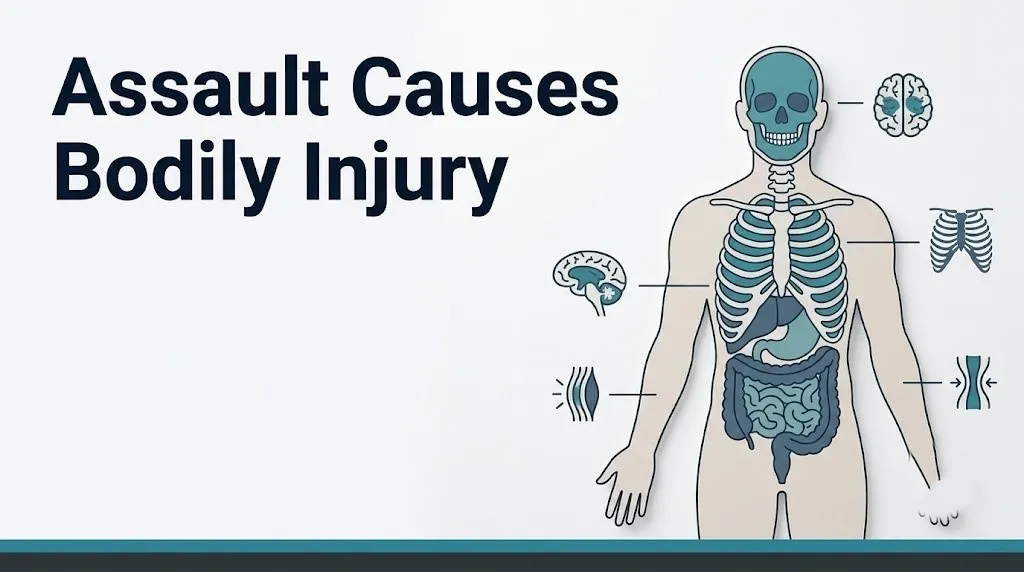
Key Takeaway: Bodily injury from assault is not limited to what you can see on the skin. Head trauma, strangulation, and abdominal blunt force trauma produce serious internal injuries that may not be visible externally and may worsen over hours after the initial event.
Blunt Force Trauma and Soft Tissue Injury
Blunt force trauma produces soft tissue injury when mechanical energy ruptures the small blood vessels within the subcutaneous tissue (the layer of fat and connective tissue below the skin surface) and the muscle fascia, without breaking the overlying skin. The resulting blood pooling in those tissue layers produces the bruising, swelling, and pain that most people recognize as the visible signs of assault injury.
The physiological sequence begins at the moment of impact. Force compresses the tissue, collapses capillary walls, and ruptures them, allowing red blood cells to leak into the surrounding tissue space. Within one to four hours, the injured tissue releases prostaglandins, histamine, and interleukin-6 (IL-6), triggering the local inflammatory cascade: vasodilation, increased capillary permeability, fluid accumulation, and the recruitment of immune cells (neutrophils first, then macrophages) to clear the damaged tissue.
Think of it like a sponge being squeezed hard against a wall. The surface of the sponge holds, but the structure inside collapses and the fluid inside finds new places to go. That fluid redistribution inside the tissue is the bruise, and the tissue swelling and warmth you feel is the body’s cleanup process.
Soft tissue injuries are typically most painful within 24 to 72 hours of the assault, as the inflammatory response peaks. Bruising (ecchymosis) often becomes more visible in the days following injury as the leaked blood migrates closer to the skin surface.
Hematomas, which are larger collections of blood that pool as a distinct mass within tissue rather than diffusing through it, are more serious. A retroperitoneal hematoma (blood pooling behind the abdominal cavity) or a deep intramuscular hematoma can compress nerves and blood vessels, and large hematomas carry a risk of infection. Any soft tissue swelling that forms a distinct palpable mass, particularly in the thigh, buttock, or abdomen, warrants same-day evaluation by a primary care physician or emergency medicine physician.
Quick Tip:
- Apply ice wrapped in a cloth for 20 minutes per hour in the first 24 hours. Direct ice contact on skin can cause ice burns.
- Elevation of an injured limb above heart level reduces inflammatory fluid accumulation.
- Individuals on blood thinners should seek medical evaluation even for apparently minor bruising, since anticoagulants eliminate the body’s normal clotting arrest of the hemorrhage.
Broken Bones and Rib Fractures From Assault
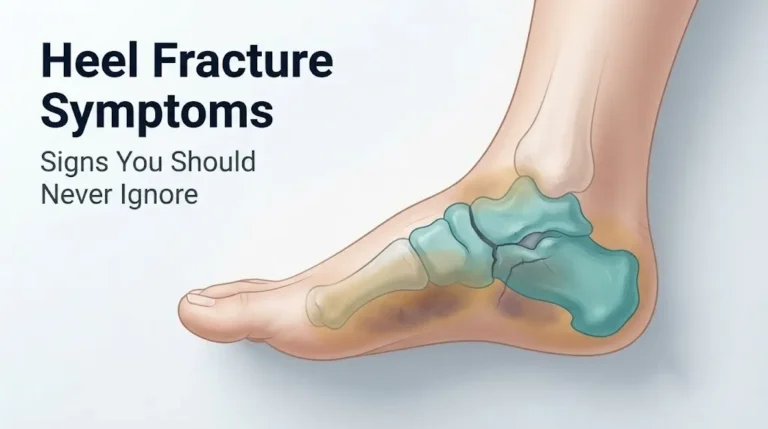
Broken bones from assault occur when compressive, bending, or torsional force applied to bone exceeds the bone’s cortical tensile strength, disrupting both the mineralized calcium phosphate matrix and the periosteum (the fibrous membrane covering bone that contains blood vessels and nerve endings). The pain of a fracture is intense precisely because the periosteum is among the most densely innervated structures in the body.
Common fracture sites in assault-related injury include:
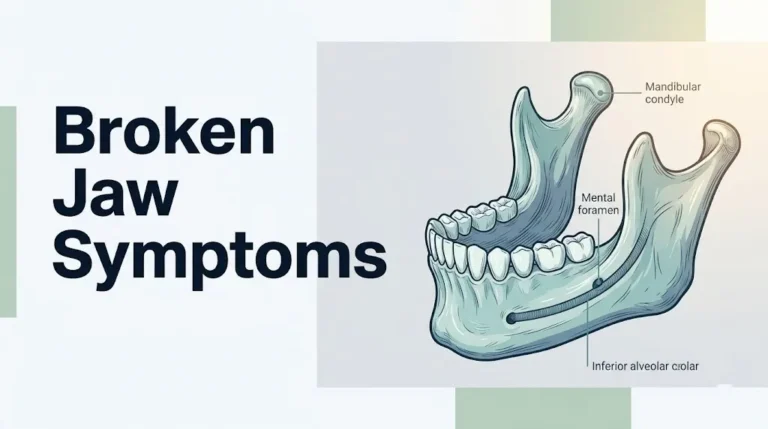
- Facial bones: orbital walls (eye socket), mandible (jaw), nasal bones, zygomatic arch (cheekbone)
- Upper extremities: wrist (radius and ulna from defensive posturing), hand bones (metacarpals), clavicle
- Rib cage: ribs 4 through 9 are the most commonly fractured ribs in blunt chest trauma
- Lower extremities: femur, tibia, and fibula in assault involving kicks or falls resulting from assault
Rib fractures deserve specific attention because of their complication potential. A fractured rib that displaces inward can puncture the parietal pleura, allowing air to enter the pleural cavity (the space between the lung and the chest wall). This produces a pneumothorax, in which the lung partially or fully collapses as air pressure prevents it from expanding. A tension pneumothorax, where air continues to accumulate and shift the heart and major vessels away from center, is a medical emergency with minutes, not hours, to act.
According to data from the National Center for Injury Prevention and Control, rib fractures are among the most common thoracic injuries in assault victims, and flail chest, a pattern involving three or more adjacent ribs fractured in two or more places, carries a mortality risk requiring intensive care management.
Postmenopausal women and older adults with osteoporosis have reduced bone mineral density (typically measured as a T-score below -2.5 on dual-energy X-ray absorptiometry scanning), making their bones fracture at lower force thresholds than those of younger adults. A push or fall that would produce only bruising in a 30-year-old may cause a hip fracture in an 80-year-old woman with low bone density.
Head Injury From Assault
Head injury from assault is one of the most medically serious categories of assault-related bodily harm because the brain, encased within the rigid calvarium (skull), has no room to expand when swelling or bleeding begins. Any head impact in an assault context warrants clinical attention because the severity of the internal injury may not match the severity of the external appearance.
Direct blows to the skull can cause several distinct injury patterns:
- Scalp lacerations and contusions: bleeding from the highly vascular scalp is often dramatic but not necessarily indicative of underlying brain injury
- Linear skull fractures: a crack through the skull bone without displacement, which may indicate underlying vascular injury
- Basilar skull fractures: fractures of the skull base, which are identified clinically by raccoon eyes (periorbital bruising), Battle’s sign (bruising behind the ear), and cerebrospinal fluid leaking from the nose or ears
- Depressed skull fractures: bone fragments pushed inward, directly threatening the underlying brain tissue
The critical clinical reality of head injury is the lucid interval: a period of apparent normalcy after a head injury that precedes rapid neurological deterioration as an epidural hematoma expands. The middle meningeal artery, which runs in a groove on the inner surface of the temporal bone, is particularly vulnerable to tearing in temporal head impacts. When it tears, arterial blood accumulates rapidly in the epidural space, compressing the brain from the outside. A person who was “fine” for one to three hours after a head impact from assault and then develops sudden severe headache, confusion, and unilateral pupil dilation is showing the classic pattern of an expanding epidural hematoma. This is a neurosurgical emergency.
The National Institute of Neurological Disorders and Stroke (NINDS) states that loss of consciousness, even briefly, after a head injury requires medical evaluation because the external presentation cannot reliably predict the severity of intracranial injury.
Key Takeaway: A person who appears alert immediately after a head injury from assault can deteriorate rapidly within hours. The lucid interval after traumatic head injury is not reassurance. It is a window before a potential surgical emergency.
Traumatic Brain Injury From Assault
Traumatic brain injury (TBI) from assault occurs through two distinct physical mechanisms: direct impact, in which the skull contacts a surface or object and transmits force to the underlying brain, and acceleration-deceleration, in which the head moves rapidly and the brain tissue lags behind, shearing neural connections at the cellular level.
In direct impact TBI, the brain sustains injury both at the site of impact (coup injury) and on the opposite side of the brain, where it rebounds against the skull (contrecoup injury). This explains why someone struck on the right side of the head may show neurological deficits corresponding to the left hemisphere.
In rotational or acceleration-deceleration TBI, the physical mechanism causes diffuse axonal injury (DAI), in which the long connecting fibers (axons) of neurons are stretched and sheared throughout the white matter of the brain. DAI does not produce a visible hemorrhage on initial CT scanning in many cases, making it one of the most frequently underdiagnosed serious brain injuries in assault victims. The Glasgow Coma Scale (GCS), which measures eye opening, verbal response, and motor response, is the standard bedside tool emergency physicians use to grade TBI severity: a GCS score of 13 to 15 indicates mild TBI (concussion), 9 to 12 indicates moderate TBI, and 8 or below indicates severe TBI requiring immediate intensive management.
Research published in JAMA Surgery has found that assaults account for a disproportionate share of severe TBI cases, particularly among young adult males and victims of intimate partner violence. Women sustaining repeated TBI from intimate partner violence face an elevated risk of chronic traumatic encephalopathy-like syndromes and long-term cognitive impairment.
Post-concussion syndrome, a pattern of persistent headache, cognitive difficulty, sleep disruption, emotional lability, and light and noise sensitivity lasting beyond the expected recovery period, affects an estimated 10 to 15% of mild TBI patients, according to research in the Annals of Emergency Medicine. Children and older adults recover more slowly from TBI than young healthy adults, and any TBI in a child younger than two years requires pediatric emergency evaluation regardless of apparent symptom severity.
Strangulation Injury Symptoms and Risks
Strangulation is one of the most physiologically dangerous assault mechanisms because it simultaneously compromises four critical systems: arterial blood flow to the brain via compression of the carotid arteries, venous return from the brain via compression of the jugular veins, airway patency via compression or fracture of the larynx and trachea, and cervical spine integrity. Strangulation requires as little as 4 to 5 kilograms of sustained pressure to occlude the carotid arteries, a level easily achieved by a hand grip.
Symptoms of strangulation injury that victims should recognize:
- Petechiae (tiny pinpoint red dots) on the skin of the face, inside the eyelids, or on the whites of the eyes, caused by venous pressure rupturing capillaries
- A hoarse or changed voice from laryngeal edema or fracture
- Difficulty swallowing or throat pain
- Neck pain or swelling
- Memory loss or confusion at the time of the assault
- Loss of consciousness, even briefly
- Urinary or fecal incontinence during the strangulation event
- Visible bruising or scratch marks on the neck (though absent in up to 50% of strangulation cases, according to research in the Journal of Forensic and Legal Medicine)
The most dangerous feature of strangulation injury is delayed airway compromise. Laryngeal edema can progress over 6 to 36 hours after strangulation, converting a person with an apparently normal airway at discharge into one with a critically narrowed or obstructed airway at home. Research reviewed in the Annals of Emergency Medicine identifies this delayed pattern as a primary reason why all strangulation victims require emergency evaluation, not urgent care, and should not be discharged without laryngoscopic assessment when available.
Fracture of the hyoid bone (a small U-shaped bone at the base of the tongue that anchors the tongue musculature) occurs in approximately 25 to 36% of fatal strangulation cases and is a forensically significant finding. Hyoid fracture causes severe throat pain, difficulty speaking and swallowing, and represents a major trauma requiring emergency evaluation.
Key Takeaway: Strangulation victims can have no visible marks on the neck and still face a life-threatening emergency from delayed laryngeal edema or carotid artery dissection. All strangulation should be evaluated in an emergency department.
Internal Injuries From Assault
Internal injuries from assault are bodily injuries that occur within the abdominal and thoracic cavities without necessarily producing visible external marks. They are among the most dangerous consequences of blunt force trauma because symptoms can be initially mild while life-threatening hemorrhage progresses internally.
The spleen is the most commonly injured abdominal organ in blunt trauma, according to data from the Journal of Trauma and Acute Care Surgery. The spleen sits in the left upper abdomen beneath the lower left rib cage, and its capsule is relatively fragile. A blow to the left lower chest or upper abdomen can tear the splenic capsule (a condition called splenic laceration), producing internal bleeding that initially causes left upper abdominal or left shoulder pain from diaphragmatic irritation. A delayed splenic rupture can occur days after the initial injury, as a subcapsular hematoma expands and the capsule eventually tears.
The liver occupies the right upper abdomen and is the second most commonly injured solid abdominal organ in blunt trauma. Hepatic laceration produces right upper quadrant pain and tenderness, and significant lacerations can cause hemorrhagic shock from rapid blood loss.
The kidneys are partially protected by the lower rib cage and paraspinal musculature, but direct flank blows in assault can cause renal contusion or laceration, presenting as flank pain and blood in the urine (hematuria).
Large muscle group trauma from assault, particularly forceful kicks or blows to the thighs or buttocks, can cause massive muscle cell death, a condition called rhabdomyolysis, in which myoglobin released from damaged muscle cells enters the bloodstream and can clog and damage the kidney tubules, causing acute kidney injury (AKI). The symptom is dark brown or cola-colored urine, and it requires hospital-level hydration therapy.
Individuals on anticoagulant therapy (warfarin, rivaroxaban, apixaban, dabigatran) face significantly elevated risk of uncontrolled internal hemorrhage from internal injuries that would be self-limiting in a person with normal coagulation. Any assault injury in a person on blood thinners requires emergency evaluation regardless of apparent severity.
Assault Causes Bodily Injury: Family Violence Situations
Assault causes bodily injury in family violence situations through the same physiological mechanisms as any assault, but the clinical context differs in several ways that affect both injury pattern and medical response. Intimate partner violence (IPV) and family violence assaults are often repeated over time, producing cumulative injury effects, and victims frequently delay seeking medical care due to fear, financial dependence, or coercion by the abuser.
Repeated assault in domestic violence situations produces injury patterns that differ from single-event assaults. Repeated closed-head injuries cause cumulative TBI effects even when individual incidents appear minor. Repeated strangulation events progressively damage the carotid arterial walls, increasing the risk of vertebral artery dissection and stroke. Chronic pain syndromes, including fibromyalgia-like widespread pain, are more common in domestic violence survivors than in the general population, according to research published in BMJ.
The National Domestic Violence Hotline (1-800-799-7233) provides confidential support 24 hours a day. The hotline can connect victims with local shelters, safety planning resources, and referrals to medical and legal assistance.
Healthcare providers who treat assault-related bodily injury in family violence contexts are guided by mandatory reporting laws that vary by state, with specific requirements for reporting assault injuries in adult victims versus minors. Children who sustain bodily injury from assault are subject to mandatory reporting requirements in all U.S. states.
Victims of family violence assault should specifically inform their treating clinician about the context of the injury, even if disclosure feels difficult. Emergency physicians and Sexual Assault Nurse Examiners (SANEs) are trained in trauma-informed care and are clinical allies. The clinical documentation created during a medical evaluation can be medically and legally important in establishing the nature and timing of injuries.
| Family Violence Injury Pattern | Clinical Concern | Recommended Action |
|---|---|---|
| Repeated closed-head impacts | Cumulative TBI, cognitive decline | Neurological evaluation, neuropsychological testing |
| Multiple strangulation events | Vertebral artery damage, stroke risk | Emergency evaluation after each event, vascular imaging |
| Repeated abdominal blows | Chronic organ injury, reproductive harm | CT abdomen/pelvis, ACOG-recommended prenatal evaluation if pregnant |
| Delayed bruising appearing after injury | May indicate anticoagulant effect or chronic coagulopathy | Blood coagulation panel at medical evaluation |
Population-Specific Injury Risks From Assault
The injury profile from assault is not the same across all people. Several biological and pharmacological factors alter the threshold at which assault causes bodily injury, the severity of injuries that result, and the risk of life-threatening complications from what might otherwise be a survivable trauma.
The key population-specific factors that change the clinical picture:
- Biological sex: Women have a smaller average tracheal diameter than men, increasing the risk of airway compromise from strangulation at lower applied pressures. Postmenopausal women have lower bone mineral density, fracturing at lower impact forces. Women sustaining pelvic assault during pregnancy face placental risks that men do not.
- Age: Children have incomplete skull ossification (the fontanelles close by 18 months, but skull density continues developing through adolescence), making them more vulnerable to TBI from lower-force head impacts. Older adults have cerebral atrophy that stretches bridging veins across the subdural space, increasing subdural hematoma risk.
- Anticoagulant use: The American College of Emergency Physicians specifically identifies anticoagulant use as a major risk modifier in trauma patients, recommending CT head imaging for any head injury in anticoagulated patients, even those with a GCS of 15 (fully alert), because intracranial bleeding can expand catastrophically without the normal clotting response.
- Alcohol or substance intoxication at the time of assault: Intoxication impairs pain perception and injury recognition, masking symptoms that would otherwise trigger help-seeking. It does not reduce tissue-level injury severity.
- Pre-existing neurological conditions: Individuals with prior TBI have a lower threshold for re-injury and a higher risk of cumulative neurological damage.
Key Takeaway: High-risk individuals, including those on blood thinners, older adults, children, and pregnant people, face serious injury risk from force levels that would be minor in otherwise healthy adults. These individuals need emergency evaluation after any assault, not a watchful waiting approach.
Assault Injury in Elderly Victims
Elderly assault victims face a distinctly more dangerous injury profile than younger adults because of three converging biological vulnerabilities: reduced bone mineral density increasing fracture risk, cerebral atrophy increasing subdural hematoma risk, and anticoagulant or antiplatelet therapy eliminating the protective clotting response to hemorrhage.
Cerebral atrophy in older adults creates increased tension across the bridging veins that drain blood from the cortical surface of the brain into the dural sinuses. Even a seemingly minor head impact, such as falling after being pushed, can shear these bridging veins and produce a chronic subdural hematoma. Chronic subdural hematomas may develop slowly over days to weeks, producing gradual cognitive decline, personality change, and unilateral weakness that is easily misattributed to dementia or stroke unless the assault history is known.
Hip fractures in elderly assault victims carry a specific mortality concern: research published in JAMA Surgery has documented a one-year mortality rate of approximately 20 to 30% following hip fracture in adults over 70, due to complications including deep vein thrombosis, pulmonary embolism, pneumonia, and pressure injuries during immobilization.
Medical evaluation after assault in elderly patients should include:
- CT imaging of the head regardless of GCS score or apparent symptom severity
- Full-body skeletal assessment including chest X-ray and pelvic imaging
- Review of all anticoagulant and antiplatelet medications with the treating physician
- Assessment for elder abuse by a social worker or elder abuse specialist, as required by mandatory reporting laws in most U.S. states
- Follow-up neurological assessment within 24 to 48 hours even if initial imaging is normal, given the delayed presentation pattern of chronic subdural hematoma
Elderly patients on warfarin with supratherapeutic INR levels, or on DOACs without reversal agents readily available, represent a medical urgency. An emergency medicine physician should be involved in management decisions for any anticoagulated elderly patient with post-assault head or abdominal trauma.
Assault Injury During Pregnancy
Assault during pregnancy causes bodily injury to the pregnant person and poses specific risks to the fetus through mechanisms that do not apply in non-pregnant victims. Abdominal blunt trauma in pregnancy can cause placental abruption, in which the placenta separates prematurely from the uterine wall, interrupting fetal oxygen and nutrient supply.
The placenta sits attached to the inner uterine wall (endometrium) via a complex vascular interface (the choriodecidual interface). Sudden deceleration forces or direct blunt trauma transmit hydraulic pressure through the uterine contents, shearing the placenta partially or completely from its attachment. Placental abruption can cause fetal distress, fetal death, and maternal hemorrhage simultaneously.
The American College of Obstetricians and Gynecologists (ACOG) states that intimate partner violence complicates an estimated 4 to 8% of all pregnancies in the United States, and that trauma is a leading cause of maternal mortality during pregnancy. ACOG recommends that all pregnant patients who sustain any abdominal trauma, including from assault, receive immediate obstetric evaluation with fetal heart rate monitoring for a minimum of four hours.
Symptoms that indicate possible placental abruption include:
- Sudden severe abdominal or back pain after blunt trauma
- Vaginal bleeding
- Decreased fetal movement
- Rigid, board-like abdominal wall on examination
- Uterine contractions following trauma
Pregnant individuals who sustain assault should go directly to an emergency room rather than urgent care, because evaluation requires continuous fetal monitoring, obstetric expertise, and access to emergency cesarean delivery if fetal distress is detected. A primary care physician is not the appropriate first-line provider after assault during pregnancy: the appropriate provider is an emergency medicine physician with immediate obstetric consultation.
When to Go to the ER After Assault
Emergency Symptoms: When to Call 911 or Go to the ER
Certain symptoms associated with assault-related bodily injury require immediate emergency evaluation. Do not wait to see if these resolve on their own.
Call 911 or go to the nearest emergency room immediately if you or someone who has been assaulted experiences:
- Loss of consciousness at any point during or after the assault, even briefly
- Confusion, difficulty speaking, or an inability to recognize familiar people or places
- One pupil larger than the other, or a pupil that does not respond to light
- Sudden severe headache described as “the worst headache of my life” after head trauma
- Seizure following head injury
- Increasing drowsiness or inability to stay awake after a head injury
- A hoarse voice, difficulty breathing, difficulty swallowing, or stridor (a high-pitched breathing sound) after neck compression or strangulation
- Shortness of breath, chest pain, or a feeling that one side of the chest is not expanding fully after rib or chest injury
- Severe abdominal pain, a rigid or board-like abdomen, or abdominal pain that spreads to the shoulder
- Dark brown, red, or cola-colored urine after assault involving kicks or blows to the trunk
- Vaginal bleeding, severe abdominal pain, or decreased fetal movement if pregnant
- Any signs of hemorrhagic shock: rapid heart rate, pale or mottled skin, extreme weakness, fainting, or altered consciousness
These presentations can indicate intracranial hemorrhage, tension pneumothorax, splenic rupture, placental abruption, or strangulation-related airway failure, and require emergency medical assessment, not an urgent care appointment or a phone call to a physician’s office.
If you are unable to safely leave to reach an emergency room, call 911 immediately.
Medical Documentation of Assault Injuries
Medical documentation of assault injuries creates an objective clinical record of the bodily harm sustained, which is both medically necessary for treatment planning and potentially important for legal and protective order proceedings. The quality and completeness of medical documentation depends significantly on when and where the injured person seeks care.
Sexual Assault Nurse Examiners (SANEs) and forensic nurses are specially trained clinicians who conduct thorough, standardized injury documentation using forensic photography, precise anatomical injury mapping, and evidence collection procedures that preserve the integrity of findings for legal use. SANE programs operate through hospital emergency departments and specialized advocacy centers. The American College of Emergency Physicians supports access to SANE-trained clinicians for all assault victims presenting to emergency care.
Seeking medical care as soon as possible after assault produces better documentation for several reasons. Bruising becomes more visible over 24 to 72 hours as extravasated blood migrates toward the skin surface, meaning early photography may underrepresent the full extent of soft tissue injury. However, early evaluation captures injuries before they begin healing and allows for forensic evidence collection (including swabs, fiber evidence, and toxicology if indicated) within the evidence collection window, which is typically 72 to 120 hours post-assault for most evidence types.
Steps to support accurate medical documentation after assault:
- Seek care at an emergency department or designated sexual assault response center as soon as safely possible
- Do not shower, change clothes, or wash the injury sites before evaluation if forensic evidence collection is planned
- Bring or be prepared to describe any medications currently taken, including anticoagulants, which affect injury appearance
- Ask the treating clinician about having photographs taken of all visible injuries and recorded in the medical chart
- Request a copy of the medical records and injury photographs for your own files after treatment is complete
- Follow up with a primary care physician or specialist for re-evaluation 48 to 72 hours after the initial assessment, when bruising and swelling may have evolved
Older adults and children warrant particularly complete documentation because the legal and protective frameworks around elder abuse and child abuse have specific evidentiary requirements in most U.S. state jurisdictions.
Psychological Effects and PTSD After Assault
Physical assault causes bodily injury not only to tissues and organs but to the neurological architecture of trauma response, producing psychological harm that can persist long after physical wounds have healed. The psychological effects of assault are physiologically grounded: they reflect real changes in brain structure, hypothalamic-pituitary-adrenal (HPA) axis function, and autonomic nervous system regulation produced by the acute and chronic stress of traumatic experience.
In the hours and days after assault, the acute stress response drives sustained release of catecholamines (epinephrine and norepinephrine from the adrenal medulla) and cortisol (from the adrenal cortex via HPA axis activation). These hormones produce the hyperarousal, hypervigilance, sleep disruption, and intrusive memories that characterize acute stress disorder.
Post-traumatic stress disorder (PTSD) develops in a significant subset of assault survivors. The DSM-5 diagnostic criteria for PTSD require exposure to actual or threatened serious injury (which assault clearly meets), followed by intrusive symptoms (flashbacks, nightmares), persistent avoidance of trauma-related cues, negative alterations in cognition and mood, and marked alterations in arousal and reactivity. According to the National Institute of Mental Health, approximately 20% of individuals who experience assault develop PTSD, with women having approximately twice the lifetime risk of men.
If you are in crisis or experiencing thoughts of self-harm or suicide, contact the 988 Suicide and Crisis Lifeline by calling or texting 988 at any time. This service is free, confidential, and available 24 hours a day, 7 days a week.
Psychological effects that commonly follow assault include:
- Intrusive memories, flashbacks, and nightmares related to the assault
- Avoidance of people, places, or situations that serve as trauma reminders
- Emotional numbness, difficulty feeling positive emotions, or persistent negative beliefs about oneself
- Hypervigilance and an exaggerated startle response
- Difficulty concentrating, sleep disruption, and irritability
- Physical symptoms including chronic pain, headaches, and gastrointestinal disturbances with no new identifiable organic cause
Cognitive behavioral therapy (CBT), specifically trauma-focused CBT and Prolonged Exposure therapy, has the strongest evidence base for PTSD treatment following assault, according to clinical practice guidelines from the American Psychological Association. A mental health professional with specific training in trauma treatment, such as a licensed clinical psychologist or a psychiatrist with trauma specialization, is the appropriate provider for assault survivors experiencing PTSD symptoms lasting more than one month after the event.
Key Takeaway: PTSD after assault is not a character weakness or a failure to cope. It reflects real, measurable neurobiological changes in HPA axis function and brain circuitry that respond to evidence-based trauma-specific therapy.
Frequently Asked Questions About Assault Causes Bodily Injury
What bodily injuries does assault most commonly cause?
Assault most commonly causes soft tissue injuries including bruising (ecchymosis), hematomas, lacerations, and muscle contusions, produced by capillary rupture and tissue compression from blunt force.
Head injuries, including concussion and skull fracture, and rib fractures are the next most common serious injuries from assault, according to data from the CDC’s National Center for Injury Prevention and Control.
Strangulation-related neck injury and internal abdominal organ injuries are less frequent but among the most life-threatening.
Can assault cause internal injuries without visible marks on the skin?
Yes. Internal injuries from assault, including splenic lacerations, hepatic contusions, renal injuries, and intracranial hemorrhage, can occur without any visible bruising or skin injury.
This happens because the force is transmitted through surface tissue to deeper organs without rupturing the overlying capillary beds, particularly in high-velocity blunt impacts where the force passes through the skin rapidly.
Abdominal pain, shoulder-tip pain (from diaphragmatic irritation by blood), dark urine, or worsening headache after assault without visible surface injury always warrants emergency evaluation.
What are the signs of a serious head injury after assault?
Signs of serious head injury include loss of consciousness, confusion, one pupil larger than the other, severe headache, vomiting, seizure, difficulty speaking, or worsening drowsiness after a head impact.
The lucid interval pattern, in which a person appears normal for one to three hours before rapidly deteriorating, is a classic presentation of epidural hematoma requiring emergency neurosurgical intervention.
Call 911 immediately if any of these signs appear after a head injury.
How long does it take for assault injuries to heal?
Healing time varies significantly by injury type: superficial bruising typically resolves in 1 to 3 weeks, muscle contusions in 2 to 6 weeks, uncomplicated rib fractures in 6 to 8 weeks, and skull or long bone fractures in 6 to 12 weeks or longer.
Head injuries involving concussion may produce post-concussion symptoms (headache, cognitive difficulty, fatigue) lasting weeks to months in approximately 10 to 15% of cases, according to research in the Annals of Emergency Medicine.
Older adults, individuals on immunosuppressants or corticosteroids, and people with chronic medical conditions heal more slowly and have a higher risk of complications during healing.
What is the difference between assault causing bodily injury and assault causing serious bodily injury?
Bodily injury from assault refers to any pain, illness, or physical impairment, while serious bodily injury refers to injuries that create a substantial risk of death, cause permanent disfigurement, or result in long-term impairment of a body organ or structure.
Medically, this distinction maps roughly onto moderate versus severe trauma: a fracture may constitute serious bodily injury, while a bruise typically constitutes bodily injury without the serious qualifier.
The clinical classification does not change the medical urgency: both categories require appropriate medical evaluation, and the treating clinician, not the patient, determines injury severity.
When should someone go to the emergency room after being assaulted?
Any person who has sustained a head injury, neck compression (strangulation), chest injury, abdominal blow, or loss of consciousness during an assault should go to the emergency room immediately.
Emergency evaluation is also warranted for any assault victim who is pregnant, elderly, on anticoagulant therapy, or experiencing symptoms including shortness of breath, severe pain, dark urine, confusion, or vision changes.
Urgent care centers are appropriate only for clearly minor soft tissue injuries with no neurological, respiratory, or abdominal symptoms, and should not be the first choice for any assault victim whose injury pattern is unclear.
Understanding and Acting on Assault-Related Bodily Injury
Bodily injury from assault is not a single clinical entity. It is a spectrum of tissue-level and organ-level damage ranging from surface bruising to life-threatening intracranial hemorrhage, and the severity of internal injury can be completely disconnected from what is visible on the skin. That gap between appearance and actual injury is the central clinical danger.
The most important practical action following any assault is seeking medical evaluation at the appropriate level of care. An emergency department, not urgent care or a primary care office, is the right setting for any assault involving head injury, neck compression, chest or abdominal impact, loss of consciousness, pregnancy, anticoagulant use, or elderly patients. A Sexual Assault Nurse Examiner can provide both thorough medical care and injury documentation.
If the assault involved a family member or intimate partner, the National Domestic Violence Hotline (1-800-799-7233) is available 24 hours a day, 7 days a week, with confidential support and local resource referrals. You do not have to navigate this alone, and getting the right medical care is the first step in both physical recovery and the documentation that protects your legal rights.